
(Neuroscience News) A tiny region in the middle of the brain plays a far more important role than previously known in helping it respond to changes in the environment, a new study shows.
neuroscience news
Could Humor Be the Key to a Healthier Society?

(Neuroscience News) Laughter may very well be the best medicine for a healthy life, according to research released today.
Complex Trauma Linked to Cognitive Impairments and Mental Health Disorders
(Neuroscience News) New research from King’s has explored whether different types of trauma confer the same risk of future mental illness, in the first study of its kind.
Heavy Drinking May Impair Men’s Ability to Recognize Facial Emotions

(Neuroscience News) Alcohol intoxication is linked to impairments in the ability to interpret other people’s facial expressions, especially in men, according to a new study.
Being Chased, Losing Your Teeth or Falling Down? What Science Says About Recurring Dreams

(Neuroscience News) Having the same dream again and again is a well-known phenomenon — nearly two-thirds of the population report having recurring dreams. Being chased, finding yourself naked in a public place or in the middle of a natural disaster, losing your teeth or forgetting to go to class for an entire semester are typical recurring scenarios in these dreams.
Small Changes in Diet Could Help You Live Healthier and More Sustainably

(Neuroscience News) Eating a hot dog could cost you 36 minutes of healthy life, while choosing to eat a serving of nuts instead could help you gain 26 minutes of extra healthy life, according to a University of Michigan study.
Why People Snub Their Friends With Their Phone

(Neuroscience News) Smartphones have made multi-tasking easier, more understandable, and at times compulsive. But in social settings, these devices can lead to a form of contemporary rudeness called phone snubbing, or phubbing, the act of ignoring one’s companions to pay attention to a phone.
Brain Memory Signals Linked to Blood Sugar Levels

(Neuroscience News) A set of brain signals known to help memories form may also influence blood sugar levels, finds a new study in rats.
Physical Activity Jolts Brain Into Action in the Event of Depression

(Neuroscience News) Exercise has a two-fold effect on those with depression. Physical activity reduces symptoms of depression and increases the brain’s ability to change, researchers report.
Fruit Compound May Have Potential to Prevent and Treat Parkinson’s Disease

(Neuroscience News) Johns Hopkins Medicine researchers say they have added to evidence that the compound farnesol, found naturally in herbs, and berries and other fruits, prevents and reverses brain damage linked to Parkinson’s disease in mouse studies.
Exercise Improves Health Through Changes to DNA

(Neuroscience News) Exercise rewires the enhancers in DNA regions associated with the risk of disease development.
Many Of Us Feel ‘Empty’ – Understanding What It Means Is Important For Improving Our Mental Health

(Neuroscience News) It’s likely you have felt “empty” at some point in your life – or perhaps you’ve heard someone else describe themselves in that way. But while this might be a relatively common feeling, it’s often not spoken about as a symptom of mental health difficulties. Typically, “feelings of emptiness” are only considered as a symptom of borderline personality disorder – a mental health condition characterised by challenges with emotions, relationships to others, and feelings of chronic emptiness.
Cannabinoid Pathway Linked to Psychiatric Disorders
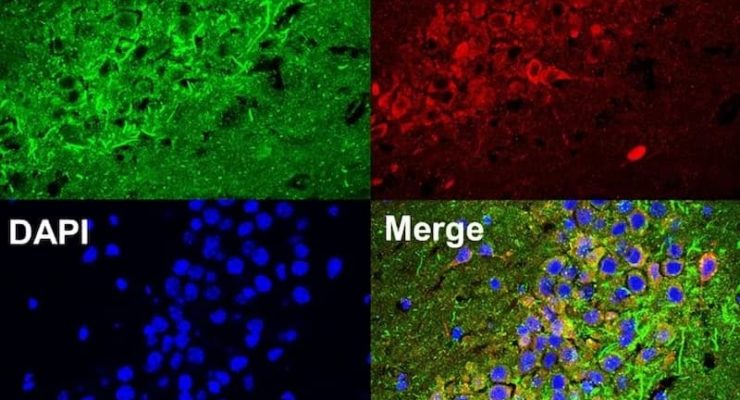
(Neuroscience News) Northwestern Medicine scientists discovered an unexpected connection between a synapse protein that has been implicated in neuropsychiatric disorders and the endocannabinoid pathway, according to a study published in Biological Psychiatry.
Study Associates Organic Food Intake in Childhood With Better Cognitive Development

(ISGLOBAL) Children whose diet included more organic foods scored better on tests of fluid intelligence and working memory, a new study reveals.
Brain Circuit for Spirituality Identified

(Brigham and Women’s Hospital) A new study has identified a specific brain circuit centered in the periaqueductal gray that is linked to spiritual acceptance and religiosity.