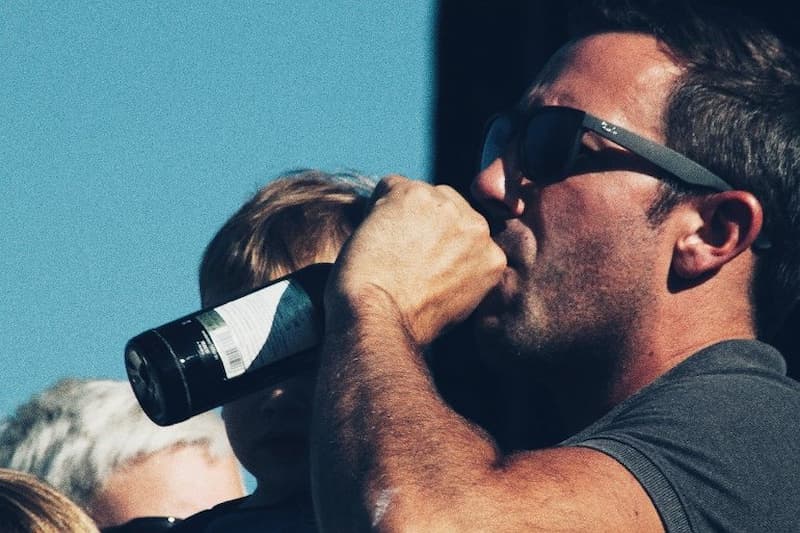
(Neuroscience News) Alcohol intoxication is linked to impairments in the ability to interpret other people’s facial expressions, especially in men, according to a new study.
Related Why Alcoholism Relapse Is so Common
by Staff Writer, August 21st, 2021
The findings may help explain why alcohol use is often associated with harmful interpersonal and social consequences, such as physical aggression, intimate partner violence, sexual assault, or being victimized.
Heavy drinking is known to have the potential to disrupt the recognition of facial expressions, leading to misinterpretation. This may in turn contribute to inappropriate behaviors.
Identifying the social processing mechanisms influenced by alcohol may inform interventions designed to reduce these negative outcomes.
Previous laboratory studies of alcohol use and emotion processing have had mixed findings, however, and the roles of gender and naturalistic settings have not been investigated.
For the study in Alcoholism: Clinical & Experimental Research, investigators explored the influence of alcohol intoxication on recognizing facial emotions in a real-world setting, involving men and women across a wide range of intoxication levels.
Researchers worked with 114 adults (60% men, 82% White, median age 24) recruited near restaurants and bars in a mid-southern US town over three nights. Participants answered questions on their drinking habits (how often they used alcohol and how many drinks they consumed on a typical occasion).
They took an emotion recognition task on a tablet computer featuring 10 images, each portraying one of five facial emotions (anger, happiness, sadness, disgust, or neutrality). Breath alcohol concentration (BrAC) was measured using a breathalyzer.
The researchers used statistical analysis to look for associations between BrAC, emotion recognition scores, and demographic information including gender.
Participants who were more intoxicated were less accurate at identifying facial emotions. Increased intoxication was associated with lower accuracy among men; the decline in accuracy among women was insignificant.
The most accurately identified facial emotion was happiness; the least accurately identified emotion was sadness.
Overall, higher BrAC was linked to worse emotion recognition for the images showing sadness, disgust, and neutrality.
Among men, higher BrAC correlated with worse emotion recognition for sadness, anger, and neutrality.

The findings support alcohol myopia theory, which describes how intoxication affects the interpretation of social and environmental cues.
Alcohol-induced deficits in processing social information, especially for men, may contribute to aggression and violence. It is possible too that this effect could motivate drinking among people with social anxiety, who may use alcohol to alter perceptions they find threatening.
Women score higher at facial emotion recognition generally, potentially insulating them against this impairing effect of alcohol.
The investigators recommend that future studies examine the behavioral implications of alcohol-impaired facial emotion recognition, and the role of personality and psychological characteristics.
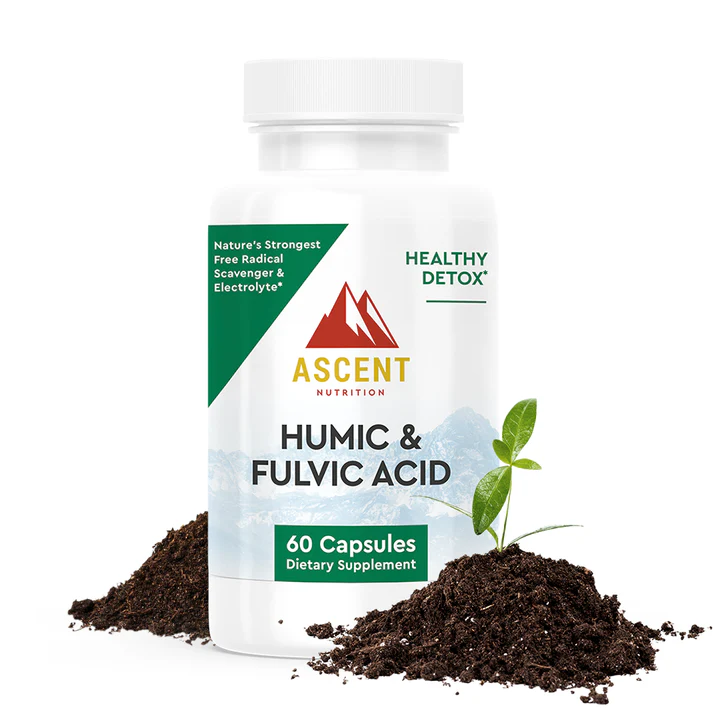
Save 10% and get free shipping with a subscription!Fight viruses, remove heavy metals and microplastics, and restore your gut all at once with
Humic and Fulvic Acid from Ascent Nutrition.
MUST HAVE DETOX POWERHOUSE!
Stillness in the Storm Editor: Why did we post this?
The news is important to all people because it is where we come to know new things about the world, which leads to the development of more life goals that lead to life wisdom. The news also serves as a social connection tool, as we tend to relate to those who know about and believe the things we do. With the power of an open truth-seeking mind in hand, the individual can grow wise and the collective can prosper.
– Justin
Not sure how to make sense of this? Want to learn how to discern like a pro? Read this essential guide to discernment, analysis of claims, and understanding the truth in a world of deception: 4 Key Steps of Discernment – Advanced Truth-Seeking Tools.
Stillness in the Storm Editor’s note: Did you find a spelling error or grammatical mistake? Send an email to [email protected], with the error and suggested correction, along with the headline and url. Do you think this article needs an update? Or do you just have some feedback? Send us an email at [email protected]. Thank you for reading.
Source:
https://neurosciencenews.com/alcohol-men-facial-emotions-19168/
Support our work! (Avoid Big Tech PayPal and Patreon)DIRECT DONATION
Leave a Reply