
(Neuroscience News) Effortless learning during sleep is the dream of many people. The supportive effect of smells on learning success when presented both during learning and sleep was first proven in an extensive sleep laboratory study. Related 75% Of Children Who Received Vaccines In Mexican Town Now Dead Or Hospitalized Source – Neuroscience News by Staff […]
neuroscience news
How Coffee Affects the Brain, Body, and Health

(Neuroscience News) You’re reading this with a cup of coffee in your hand, aren’t you? Coffee is the most popular drink in the world. Americans drink more coffee than soda, juice, and tea — combined.
Study: Link Between Emotion and Addictive Substance Use Explained

(Neuroscience News) What drives a person to smoke cigarettes – and keeps one out of six U.S. adults addicted to tobacco use, at a cost of 480,000 premature deaths each year despite decades of anti-smoking campaigns? What role do emotions play in this addictive behavior? Why do some smokers puff more often and more deeply or even relapse many years after they’ve quit? If policy makers had those answers, how could they strengthen the fight against the global smoking epidemic?
Study: Ooh là là! Music Evokes 13 Key Emotions. Scientists Have Mapped Them

(Neuroscience News) The “Star-Spangled Banner” stirs pride. Ed Sheeran’s “The Shape of You” sparks joy. And “ooh là là!” best sums up the seductive power of George Michael’s “Careless Whispers.”
Watching Pornography Rewires the Brain to a More Juvenile State

(Neuroscience News) Pornography has existed throughout recorded history, transforming with the introduction of each new medium. Hundreds of sexually explicit frescoes and sculptures were found in the Mount Vesuvius ruins of Pompeii.
Here’s What Happens in the Brain When We Disagree
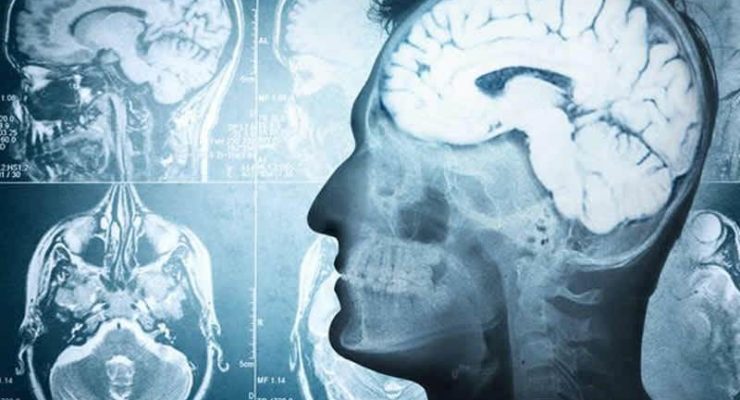
(Neuroscience News) We’ve all been there. You are in the middle of a heated disagreement when you lose respect for the opposing party. Whether it is about the latest election or childcare, you feel like your considered arguments are not appreciated – perhaps even ignored. But did you ever wonder what exactly is happening in the mind of the person on the other side?
The Empathy Option: The Science of How and Why We Choose to Be Empathetic

(Neuroscience News) You’re flipping through the television channels when you hear the familiar beginning strains of a Sarah McLachlan song. You hastily click to the next channel, before the haunting images of homeless animals appear.
Study finds BPA Levels in Humans Dramatically Underestimated

(Neuroscience News) Researchers have developed a more accurate method of measuring bisphenol A (BPA) levels in humans and found that exposure to the endocrine-disrupting chemical is far higher than previously assumed.
Key Brain Region Smaller in Birth Control Pill Users
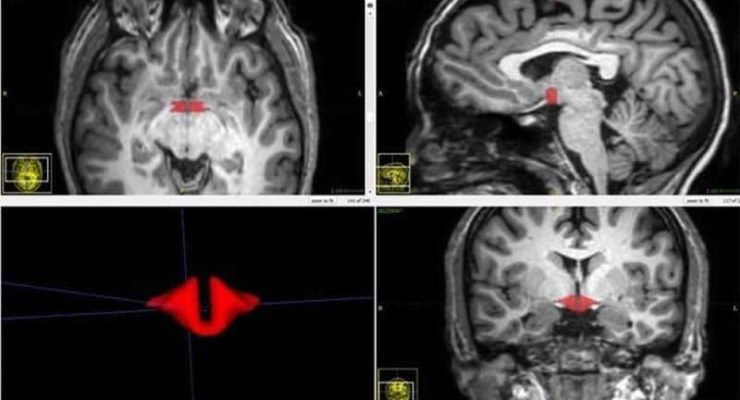
(Neuroscience News) Researchers studying the brain found that women taking oral contraceptives, commonly known as birth control pills, had significantly smaller hypothalamus volume, compared to women not taking the pill, according to a new study presented today at the annual meeting of the Radiological Society of North America (RSNA).
A New Way to Know Liars’ Intent

(Neuroscience News) Dartmouth engineering researchers have developed a new approach for detecting a speaker’s intent to mislead. The approach’s framework, which could be developed to extract opinion from “fake news,” among other uses, was recently published as part of a paper in Journal of Experimental & Theoretical Artificial Intelligence.
MRI Reveals Brain Damage in Obese Teens

(Science Daily) Obesity in young people has become a significant public health problem. In the U.S., the percentage of children and adolescents affected by obesity has more than tripled since the 1970s, according to the Centers for Disease Control and Prevention. Data from the World Health Organization indicates that the number of overweight or obese infants and young children ages five years or younger increased from 32 million globally in 1990 to 41 million in 2016.
Faith, Truth and Forgiveness: How Your Brain Processes Abstract Thoughts

(Neuroscience News) Researchers at Carnegie Mellon University have leveraged machine learning to interpret human brain scans, allowing the team to uncover the regions of the brain behind how abstract concepts, like justice, ethics and consciousness, form. The results of this study are available online in the October 29 issue of Cerebral Cortex.
How the Brain Decides to Punish or Not

(Neuroscience News) Research Fellow at the Institute of Cognitive Neuroscience, HSE University, has conducted meta-analysis of 17 articles to find out which areas of the brain are involved decision-making for rendering social punishment. It would appear that in case of both victims of violations as well as witnesses, punishment decisions activate the brain regions responsible for focusing one’s attention, processing information, and responding effectively to social interaction. The findings of the study were published in Scientific Reports.
Inflammatory Processes Drive Progression of Alzheimer’s and Other Brain Diseases
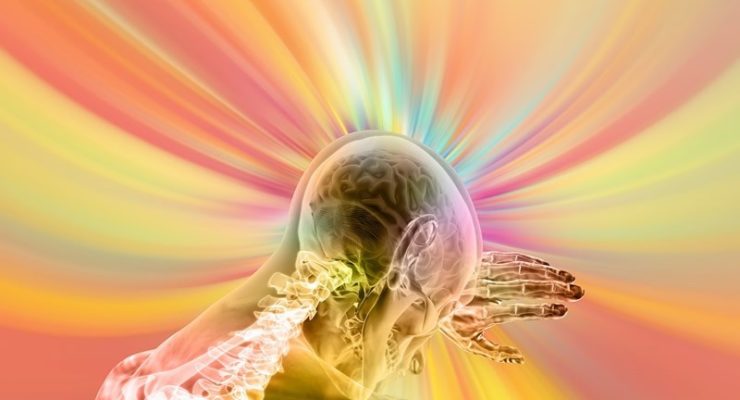
(Neuroscience News) Inflammation drives the progression of neurodegenerative brain diseases and plays a major role in the accumulation of tau proteins within neurons.
Mind-Body Science: Walking Changes Vision — Study

(Neuroscience News) How do we perceive our environment? What is the influence of sensory stimuli on the peripheral nervous system and what on the brain? Science has an interest in this question for many reasons. In the long term, insights from this research could contribute to a better understanding of diseases such as ADHD and Parkinson’s disease.