
(Neuroscience News) Researchers from the Shenzhen Institute of Advanced Technology (SIAT) of the Chinese Academy of Sciences, along with collaborators from Wenzhou University and the University of Aberdeen, have found that body temperature exerts a greater effect on lifespan than metabolic rate.
neuroscience news
Nostalgia Can Relieve Pain

(Neuroscience News) Reflecting on fond memories goes a step beyond making you feel warm and fuzzy: nostalgia can reduce pain perception.
Daily Photo Sharing Might Mean Double Depression Risk

(Neuroscience News) Researchers link photo sharing on social media with increased depression risks. Depression symptoms that required treatment more than doubled by the third wave of the COVID pandemic in those who routinely shared photos via social media.
Microbes in Gut Might Affect Personality

(Neuroscience News) Clarkson University Associate Professor of Physical Therapy Ali Boolani is performing research to determine if gut microbiome and metabolomic pathways in the gut could be associated with the personality traits mental energy, mental fatigue, physical energy, and physical fatigue.
Experts Emphasize the Role of Wellbeing in Human Health

(Neuroscience News) GENIAL Science, co-founded by Professor Andrew Kemp, of the School of Psychology, is a collaborative research project between Swansea Bay University Health Board (SBUHB) and the University. Comprised of academics, clinicians, Ph.D. and MSc students, it is committed to advancing wellbeing theory and practice.
Cannabis Use Produces Persistent Cognitive Impairments

(Neuroscience News) A systematic review published today in the scientific journal Addiction has found that cannabis use leads to acute cognitive impairments that may continue beyond the period of intoxication.
Hydroxychloroquine Delays Disability for Least Treatable Form of Multiple Sclerosis

(Neuroscience News) A University of Calgary study has found promising results for the generic drug hydroxychloroquine when used to treat the evolution of disability of primary progressive multiple sclerosis (MS), the least treatable form of the autoimmune disease.
Junk Food and the Brain: How Modern Diets Lacking in Micronutrients May Contribute to Angry Rhetoric

(Neuroscience News) Researchers say there may be a link between eating an unhealthy diet and anger control.
These Personality Traits May Make You More Prone to Problematic Binge-Watching
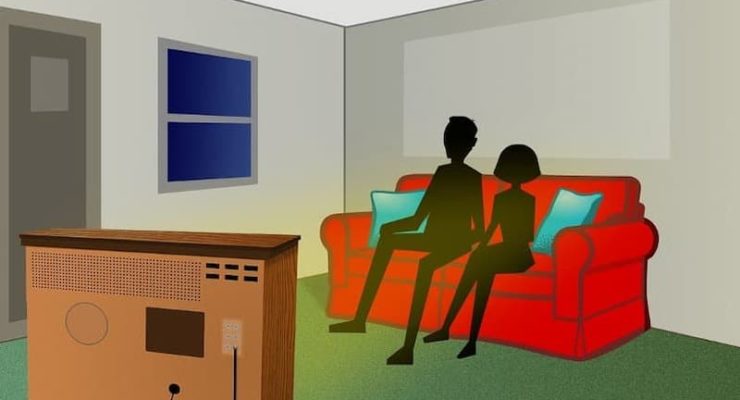
(Neuroscience News) Once upon a time, TV viewers had to wait patiently each week for a new episode of their favorite series to drop. Streaming services have upended that model, allowing unfettered access to an entire season-worth of episodes – unleashing the phenomenon known as binge-watching.
Psychedelic Microdosing Improves Mental Health

(Neuroscience News) An international study led by UBC Okanagan researchers suggests repeated use of small doses of psychedelics such as psilocybin or LSD can be a valuable tool for those struggling with anxiety and depression.
Psychedelics Show Promise in Treating Mental Illness
(Neuroscience News) One in five U.S. adults will experience a mental illness in their lifetime, according to the National Alliance of Mental Health. But standard treatments can be slow to work and cause side effects.
Coffee and Tea Drinking May Be Associated With Reduced Rates of Stroke and Dementia

(Neuroscience News) Drinking coffee or tea may be associated with a lower risk of stroke and dementia, according to a study of healthy individuals aged 50-74 published in PLOS Medicine. Drinking coffee was also associated with a lower risk of post-stroke dementia.
A Striking Difference Between Neurons of Humans and Other Mammals

(Neuroscience News) Neurons communicate with each other via electrical impulses, which are produced by ion channels that control the flow of ions such as potassium and sodium. In a surprising new finding, MIT neuroscientists have shown that human neurons have a much smaller number of these channels than expected, compared to the neurons of other mammals.
The Mechanisms of Addiction

(Neuroscience News) A five-year, $2.59 million grant from the National Institutes of Health will allow a psychology professor at Binghamton University, State University of New York to study the mechanisms of addiction.
Dragging Your Feet? Lack of Sleep Affects Your Walk

(Neuroscience News) Good sleep can be hard to come by. But a new study finds that if you can make up for lost sleep, even for just a few weekend hours, the extra zzz’s could help reduce fatigue-induced clumsiness, at least in how you walk.