(Exploring Your Mind) Executive intelligence is a new paradigm to understand how individuals adapt to their surrounding environment.
Psychology
Key Brain Region Smaller in Birth Control Pill Users
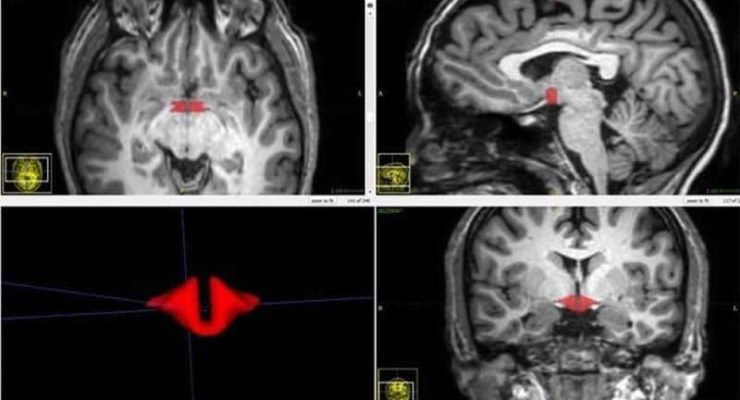
(Neuroscience News) Researchers studying the brain found that women taking oral contraceptives, commonly known as birth control pills, had significantly smaller hypothalamus volume, compared to women not taking the pill, according to a new study presented today at the annual meeting of the Radiological Society of North America (RSNA).
Your Ability to Recognise Dog Emotions Says Something About Where You Come From

(Carly Cassella) After spending at least 30,000 years living alongside humans, dogs have become really good at reading our emotions.
Motherhood: Changes and What to Do about Them

(Exploring Your Mind) Motherhood marks a before and after in a woman’s life. Many things change. Therefore, you must make an extra effort, not only to adapt to the new things but also to get the best out of this new stage, which is full of emotions.
Trust, Generosity, Affection: The Benefits of Oxytocin

(Exploring Your Mind) Oxytocin does everything from encourage maternal and paternal feelings to increase trust and sexual intimacy. Psychologist Marcelo Ceberio tells us more about the “love hormone”.
Spontaneous Social Expression Documented in the Deaf, Can Inspire Us All

(Science Daily) How did the almost 6000 languages of the world come into being?
‘I Could Never Do That’ — and Other Myths We Tell Ourselves

(Beth Kurland, Ph.D.) There are five words that will stop you right in your tracks every time you say them. These words are familiar to many of us — they are words that have played over and over in my own head, and words I have heard from so many others over the years: “I could never do that.” When we say those words — especially when it is in the context of something that we would like to do — it can act as a dead end, causing us to reverse direction or stay stuck right where we are. It is hard to move forward when we take those words as fact.
Vulnerability is a Sign of Psychological Bravery

(Exploring Your Mind) Allowing yourself to be vulnerable is an act of bravery. In the end, a strong person isn’t one who manages to keep a fake image of happiness for a long time. You’re strong when you let your feelings out into the world, and when you accept your mistakes and pain.
The Temporal Lobe: The Center of Memory and Emotions
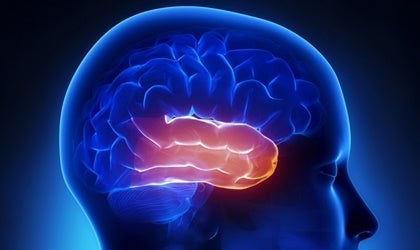
(Exploring Your Mind) An injury or change to the temporal lobe can lead to different types of deafness or even depression. Understanding the functions of this part of the brain can help us understand ourselves even better.
Attention: Smart TV Owners –The FBI Has Some Warnings For You

(B.N. Frank) Maybe you should have held on to your box TV after all.
Healthy Friendships: Bonds that Help You Grow

(Justin Deschamps) Friends, family, and those closest to us are very important. Regardless of who you are or where you come from, you need other people in your life. Psychologically, we’re hardwired to know ourselves through who we become near others, wherein the brain regulates our emotions and sense of self-worth based on the health of our social attachments. This is physically woven within the fabric of our body, meaning there are neurological systems designed to reward us for healthy social attachments.
Somatic Therapy: Releasing Trapped Emotions

(Exploring Your Mind) Although somatic therapy has its critics recent advances in neuroscience back up a lot of its principles. Being aware of your somatic experiences can help you heal trauma and trapped emotions.
Human Behavior Follows Probabilistic Inference Patterns

(Neuroscience News) How do human beings perceive their environment and take their decisions? To successfully interact with the immediate environment, for human beings it is not enough to have basic evidence of the world around them. This information by itself is insufficient because it is inherently ambiguous and requires integrating into a particular context to minimize the uncertainty of sensory perception. But, at the same time, the context is ambiguous. For example, am I in a safe or a dangerous place?
Childhood Traumas Can Stay with You for Life – by Messing with Your Hormone Levels, Says Study

(Melissa Smith) Your stress levels today may be influenced by your stressful childhood experiences. A study published in the journal Psychological Science found that people who had a rough childhood tend to have higher stress levels in adulthood. The study’s researchers found that these people have a cortisol pattern that could lead to adverse health outcomes.
Drum Circles Put Pharmaceutical Antidepressants TO SHAME

(Sayer Ji) A new study published in PLoS scientifically validates what so many drum circle participants have already experienced first hand: group drumming produces significant changes in well-being, including improvements in depression, anxiety and social resilience.