
(Exploring your Mind) Self-determination is often motivated by interests, curiosity, care, or abiding values, even when such motivations aren’t rewarded or supported at times. However, they can sustain the flame of passion, creativity, and effort.
psychology
The Strange Reason Why 70 Percent Of People Can Hear This Silent GIF

(Awareness Act) Take a look at the GIF below for yourself. Do you hear it?
Dealing with Shattered Illusions, Beliefs and Self-Concepts

(Suzanne Kane) When everything you hold dear turns out to be a sham, when what you believe is a lie and how you view yourself crumbles, life can be empty, painful, and without joy. How can you come back from such personal deficits? It isn’t easy or quick, yet there is a way of dealing with shattered illusion, beliefs and self-concepts.
How We Make Complex Decisions According to Neuroscience

(Neuroscience) When making a complex decision, we often break the problem down into a series of smaller decisions. For example, when deciding how to treat a patient, a doctor may go through a hierarchy of steps — choosing a diagnostic test, interpreting the results, and then prescribing a medication.
Ketamine: The Illicit Party Psychedelic That Promises to Heal Depression

(Neuroscience) It’s been 50 years in the making, but the anaesthetic and illicit party drug ketamine is now having a clinical comeback. New studies show that this commonly used anaesthetic can provide quick relief of core symptoms associated with severe depression, including suicidal ideation.
The Insular Cortex Processes, and Drives Learning from Pain
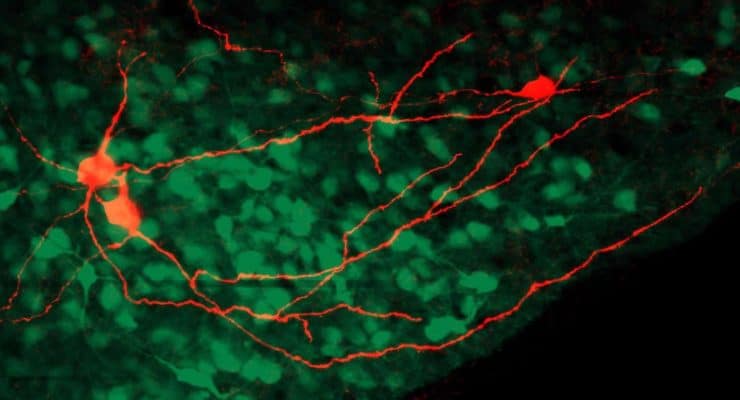
(Neuroscience) Acute pain, e.g. hitting your leg against a sharp object, causes an abrupt, unpleasant feeling. In this way, we learn from painful experiences to avoid future harmful situations. This is called “threat learning” and helps animals and humans to survive. But which part of the brain actually warns other parts of the brain of painful events so that threat learning can occur?
The Heroine’s Journey

(Explore Your Mind) The heroine’s journey, like any archetypical hero’s journey, is a process of individuation. The traveler sets off on an adventure out of her ordinary world to face enemies and dragons. The hero overcomes obstacles with the help of a mentor (real or supernatural) who prepares her to face her challenges.
What are Blue Lies and Why do We Believe Them?

(Exploring your Mind) Results showed that children became more inclined to endorse lying in the name of the collective good and to tell lies for their group themselves if they were older.
Three Psychological Difficulties that Affect Couples

(Exploring your Mind) When you have underlying issues to address, you’ll most likely have issues with other people as well. In particular, it’s clear that there are some psychological difficulties that affect couples, subjective issues that prevent a relationship’s good development.
How to Be More Eloquent

(Exploring Your Mind) Being an eloquent speaker can take you far in life. In this article, we share some techniques that can help you become a better, more eloquent speaker.
What Happens When You Stop Writing By Hand?

(Explore Your Mind) Is handwriting a lost art? In the age of technology, are there any reasons to continue to teach children how to write in school? Some researchers believe that handwriting affects cognitive development in some significant ways. Read more to find out why it’s important.
Addiction and a Lack of Purpose

(Steve Taylor, Ph.D.) As you are no doubt aware, presently the United States is experiencing an opioid epidemic. There are many reasons for this—one of the most obvious being the reckless over-subscription of opiate-based painkillers by doctors, leading to dependency. But on a psychological level, we have to take into account the strong relationship between addiction and the lack of a sense of purpose.
Working to the Beat: How Music Can Make Us More Productive

(Neuroscience News) Listening to music while working helps improve productivity and increases perceptions of happiness.
How to Avoid Dullness in a Relationship

(Explore Your Mind) Sometimes, it’s inevitable for routine to make an appearance in a relationship. The days go by and nothing new ever happens. There’s no motivation at all to do something different, which, as a consequence, leads to feelings of boredom and apathy. Is it possible to avoid dullness in a relationship?
Automatic Negative Thoughts: Got ANTS on the Brain?

(Edie Weinstein) Numbers bandied about from many sources indicate that adults have somewhere between 60,000 to 80,000 thoughts a day. Most are repetitive and many are negative. Two important questions call to be answered:Where do the thoughts originate?What are we to do with them?