(Paul Waters) In an review published in the Journal of Neurophysiology, an Italian researcher exploredthe various areas of the human brain responsible for processing the meanings of concrete and abstract words.
BRAIN
Why a Walnut Resembles the Brain It Nourishes
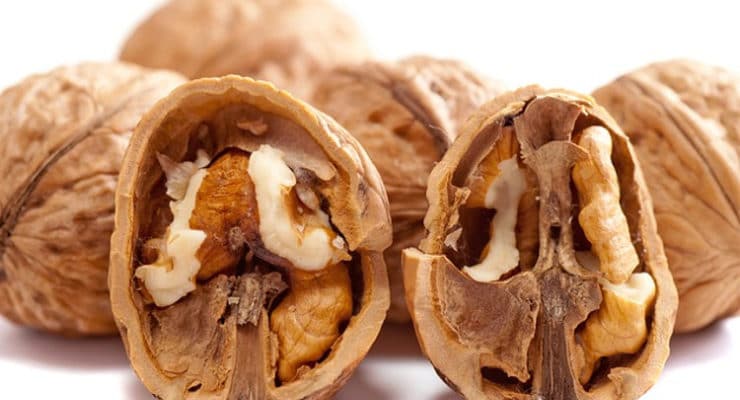
(Sayer Ji) Nothing could be more beautiful or poetic than when a healing food actually looks like the organ system it nourishes and heals in the body.
Humans Are Hardwired for Music: Our Brains Appear Uniquely Tuned for Musical Pitch

(Science Daily) In the eternal search for understanding what makes us human, scientists found that our brains are more sensitive to pitch, the harmonic sounds we hear when listening to music, than our evolutionary relative the macaque monkey. The study, funded in part by the National Institutes of Health, highlights the promise of Sound Health, a joint project between the NIH and the John F. Kennedy Center for the Performing Arts that aims to understand the role of music in health.
Could Curcumin Help Us Prevent Brain Damage Caused by Fluoride?

(World Health) Unfortunately fluoride can be found just about everywhere today from drinking water to antibiotics, no stick pans, salt, and toothpaste, making exposure to it somewhat inevitable. The exposure makes research providing a way to help prevent and limit damage from it important.
How the Internet May be Changing the Brain
(Science Daily) An international team of researchers has found the Internet can produce both acute and sustained alterations in specific areas of cognition, which may reflect changes in the brain, affecting our attentional capacities, memory processes, and social interactions.
Circadian Clocks: Body Parts Respond to Day and Night Independently from Brain, Studies Show

(Science Alert) Researchers have suspected that the body’s various circadian clocks can operate independently from the central clock in the hypothalamus of the brain. Now, they have found a way to test that theory.
Six Curious Brain Facts You Probably Didn’t Know
(Explore Your Mind) For a long time, the brain was believed to be in charge of our entire body, including memories and emotions. Philosophers believed that the brain contained the soul. However, some very interesting things have been discovered throughout history. In this article, we’ll go over some of those curious brain facts that you probably didn’t know.
Neuroscientists Make “Jaw-Dropping” Discovery of “Wireless” Brain Communication
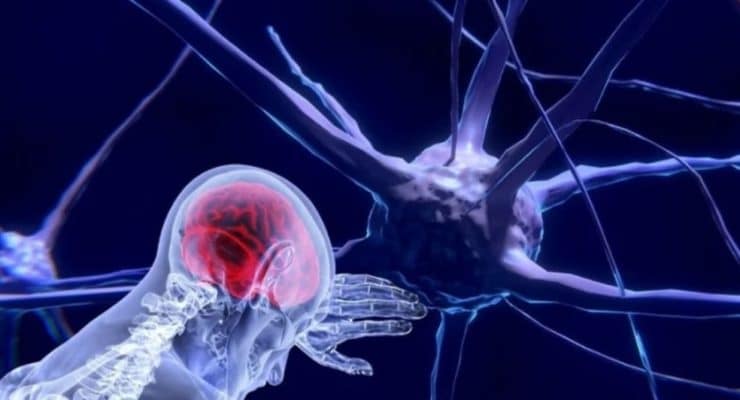
(Elias Marat) A team of researchers studying the brain have discovered a brand new and previously unidentified form of “wireless” neural communications that self-propagates across brain tissue and is capable of leaping from neurons in one part of the brain to another, even if the connection between them has been severed.
Best Brain Supplements: Which Ones You Should Take and Why

(Michelle Simmons) Having a brain-healthy lifestyle is important to prevent cognitive decline and cognitive diseases as we age. Aside from physical exercise, mental exercise, sleep and relaxation, and social engagement, food and nutrition plays an important role in keeping the brain healthy. Here are some of the best brain supplements, according to NutraIngredients-USA.com. (Related: How To Build and Protect Brain Health Naturally)
Spiritual Beliefs Are Linked to a ‘Protective’ Effect Against Depression in The Brain

(Carly Cassella) Religious beliefs, or a sense of spirituality, may cushion some people’s brains against depression, according to new research.
89-year-old “Superager” Found to Have Brain Function of 25-year-old… Doctors Baffled as “Brain Decline” Theories Blown Away

(Rhonda Johansson) New research proves that while brain aging is inevitable, brain decline is not. Research made on octogenarians who are “superagers” give exciting new evidence to how we perceive geriatric care and mental health.
Can Humor Alter Your Brain Chemistry?

(Nichole Force, M.A.) Do you know why everyone isn’t in a mental hospital? Because there isn’t enough room. Philosophers have long observed a dearth of happiness among humanity. Henry David Thoreau said, “Most men lead lives of quiet desperation.” John Stuart Mill observed, “Unquestionably, it is possible to do without happiness; it is done involuntarily by nineteen-twentieths of mankind.”
Neuromyth: Most People Use About 10 Percent of their Brains
(Tracey Tokuhama-Espinosa, Ph.D.) One of the most prevalent myths in the popular press is that we use only 10% of our brains. This has been mentioned in more articles out to debunk myths than any other.[1] Unfortunately, despite efforts to eliminate the myth, even college-educated students believed this myth.[2] The Skeptical Inquirer[3] writes:
Stunning Science Finding Obliterates Previous Understanding of How the Brain Is Structured; It’s Not Based on Regions Controlling Body Parts
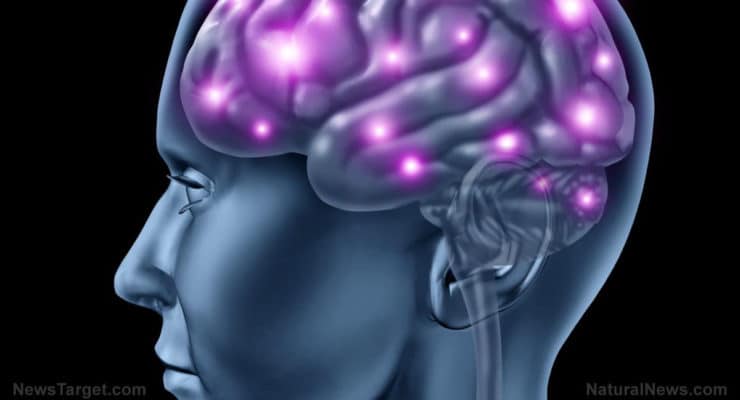
(Earl Garcia) The scientific community has long believed that the brain is organized by regions controlling specific organs and body parts. However, a recent study could shake this fundamental knowledge, stating that the brain might actually be organized by function and not merely by specific regions. As part of the study, a research team from the University College London and the Weizmann Institute of […]
Researchers Confirm Excessive Screen Time Can Irreversibly Harm Kids’ Brains

(Isabelle Z.) Digital devices and other electronics are at the top of many kids’ wish lists this holiday season. If you’re considering upgrading your teenager’s cellphone or getting your preschooler their first tablet, you might want to keep in mind the early results of a groundbreaking study that confirms many parents’ fears about the effects of all that screen time.