
(Rachel Ginder) I like to make jokes about how much I hate people. As an introvert, it’s easy to do. The stereotype of the misanthropic introvert is backed by countless Facebook memes and pop culture references. Think of the animated character Daria with her oversized glasses and a book in her hand, or that catchy quote from Charles Bukowski, “I don’t hate people, I just feel better when they aren’t around.”
psychology
Study Identifies Psychology of Attraction to Religious Deities and Super-Heroes

(Neuroscience News) A new psychological study published by University of Otago researchers has addressed centuries-old questions about how and why supernatural beings are worshipped.
Self-Destructive Behaviors in Relationships
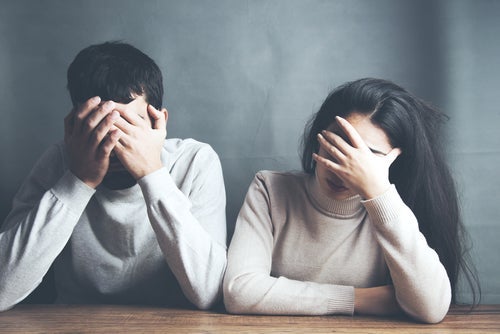
(Exploring Your Mind) What are the most self-destructive behaviors in romantic relationships?
The Fun Theory: Rewards Over Punishments

(Exploring Your Mind) The fun theory is based on the idea that people are more likely to do things that take some effort if they have a fun thing as an incentive. In other words, a rewards system can shape people’s behavior.
Mindfulness Strategies and Techniques

(Exploring The Mind) Resorting to mindfulness techniques can help you be more flexible, control your attention, and face any situations that come your way.
Destructive Pride in Borderline Personality Disorder

(Exploring Your Mind) In many cases, the destructive pride characteristic of borderline personality disorder is nothing but a mask that hides an extreme fear of criticism. In this article, we’re going to tell you all about it.
Your Brain Thinks Your Meanings are More Real Than Reality Itself
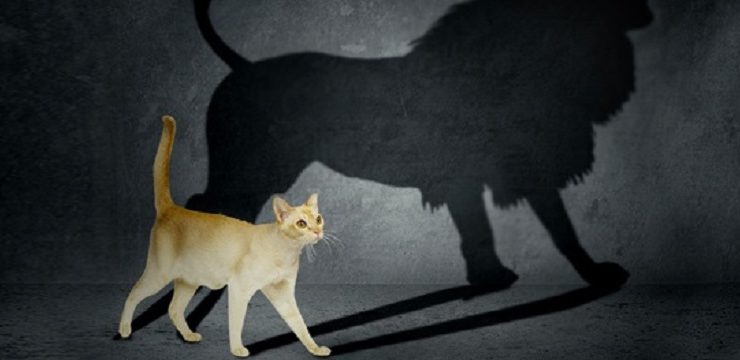
Your Brain Thinks Your Meanings are More Real Than Reality Itself
Teenagers Less Likely to Respond to Mothers with Controlling Tone of Voice

(Neuroscience) Teenagers are less likely to cooperate and put effort into their mother’s requests when they are said in a controlling tone of voice, researchers have found.
The First Panic Attack and What Happens Next

(Exploring Your Mind) Having a first panic attack is terrifying, so much so that many people believe they’re having a heart attack. What scares then the most about that first experience is the fear of the unknown. Thus, what happens next is a persistent fear that it could happen again.
The Price of Parental Stress — Parents Need to Manage Their Needs and the Needs of Their Kids

(Stillness in the Storm Editor) Parental stress is a major problem in the modern world. Despite the issues of the past, we had better community ties before the advent of the internet age. Today, more and more of our community interaction happens online, but this doesn’t always translate to support for parents. Related Cold-parenting Linked to […]
The Neocortex: Its Structure and Functions

(Exploring Your Mind) What’s the neocortex and why is it such an important area of the brain?
Abused or Neglected Children Are Four Times More Likely to Develop Serious Mental Illness

(Neuroscience News) A study by the University of Birmingham has shown that children who have experienced child abuse or neglect are four times more likely to develop serious mental illness such as psychoses, schizophrenia and bipolar disorder.
Stop Making Your Children Feel Indebted To You For Being Born

(Justin Deschamps) Being a parent is a heroic effort. Regardless of how well things are going, it’s arguably one of the most challenging and fulfilling experiences of human life. And yet, so much harm and suffering emerge from early childhood experiences. What’s going on?
Kim Peek: The Case that Inspired the Story of “Rain Man”

(Exploring Your Mind) Kim Peek’s life shows that we know very little about our limits or potential. His existence is proof that reality is paradoxical: every human being has limitations which could bring great benefits.
The Arzy Experiment: The Ghosts Are in Our Head

(Exploring Your Mind) Have you ever felt like someone else was there, even when there wasn’t? In this article, we’re going to tell you about the common, imaginary perceptions we’ve all experienced. They tell a fascinating story about how delicate our brain is.