
(Neuroscience New) Oxford University researchers have discovered that learned knowledge is stored in different brain circuits depending on how we acquire it.
psychology
Babies Understand Counting Years Earlier than Believed

(Neuroscience News) Babies who are years away from being able to say “one,” “two,” and “three” actually already have a sense of what counting means, Johns Hopkins University researchers have discovered.
Your Conscience Is Always Telling You The Next Step
Your Conscience Is Always Telling You The Next Step
Going for the Dopamine High: The Dynamics of Psychopathy
(Edie Weinstein) Art imitated life in an episode of one of my favorite medical shows called New Amsterdam. In it, a team of health care professionals tackle challenging issues in the lives of the patients who pass through the doors of an inner-city hospital and by the end of the show, sometimes the solutions are found, but not all are tied up in nice neat little packages with a pretty bow on top.
How Jazz Improvisation Affects the Brain

(Neuroscience News) Jazz artist Louis Armstrong once said, “never play a thing the same way twice.” Although musical improvisation — composing new passages on the spot — is not unique to jazz, it’s perhaps the genre’s most defining element. While improvised jazz solos are spontaneous, there are rules, says Martin Norgaard, associate professor of music […]
When Trauma Looks Like ADHD
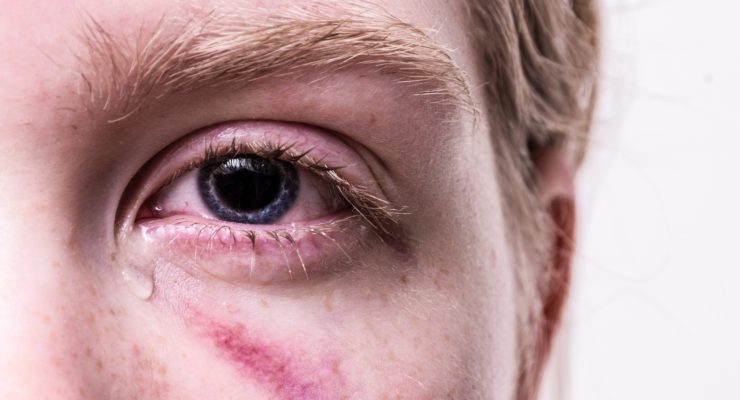
(Jennifer Giustra-Kozek) In recent years, a growing body of research has developed to examine the relationship between exposure to traumatic events in childhood and developing attention and hyperactive symptoms. Have you ever considered the role that trauma may play in the challenges that you or your loved ones are dealing with?
A Fast Way To Stop Past Traumas & Harmful Emotions
(Anna Rodgers) Do you have painful memories and experiences holding you back from being truly happy and healthy? Have you spent years in therapy, spent a lot of money on it, only to realize that you aren’t really that much better?
Why, Sometimes, We Don’t See What We Actually Saw

(Neuroscience News) Crashes in visual processing occur when neurons processing one image are tasked with processing another too quickly. This results in either one or both images being unable to reach our conscious awareness.
How to Avoid Distractions While Studying, According to Science

(Martin Vasilev) Modern life is full of distractions – and some of them can have a negative effect on our ability to concentrate when studying. The problem is that many people tend to underestimate how much they are distracted by what’s going on around them. Here’s how you can get the most from your studies by considering your environment.
An Addictive Personality Isn’t All Bad – Here’s How to Leverage It to Your Benefit

(Zoey Sky) Having an addictive personality might seem like a bad thing, but you can turn it around to your benefit. For example, an addictive personality can teach you how to be more mindful and resilient.
Research Worth ‘Bragging’ About: Three Types of Arrogance Identified

(Neuroscience News) A study reports arrogance and narcissism are on a spectrum. Researchers identify three types of arrogance and reveal the associated implications.
Depression and Increased Cancer Risk: 6 Reasons Not to Take Birth Control Pills

(Darnel Fernandez) Birth control pills have grown in popularity over the years and are now widespread in usage. While the importance of reproductive health should be recognized, research has shown that these pills can leave unwanted side effects. Now, a recent study published in the journal Frontiers in Neuroscience suggests that oral contraceptives can now affect social judgment, adding to the growing list of adverse side effects these pills can bring.
Sensory Deprivation and its Frightening Effects
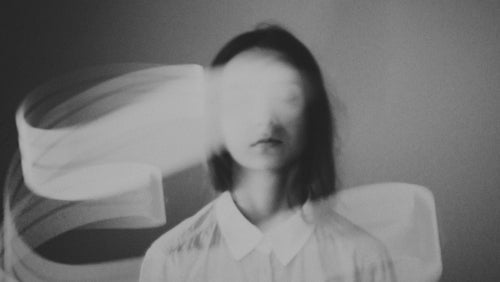
Sensory deprivation, particularly for a period of more than 48 hours, can have a huge effect on perception, cognition, and emotion. Experts have proven that social deprivation has similar effects.
That Destructive Not So Little Inner Voice

(Kurt Smith) No, you’re not hearing things — that voice telling you you’re not good enough, you should do more, or that no one likes you is usually coming from inside your own head. Too often our biggest critics are ourselves and that nagging inner voice can create a great deal of worry, self-doubt and trouble in a person’s life.
Celebrities as Symbols — The Power of Archetypal Influence
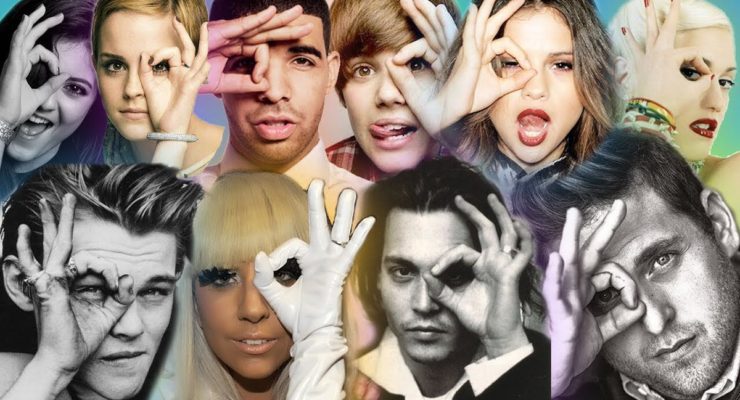
(Justin Deschamps) Celebrities are symbols. They represent exemplified aspects of social values instantiated within a cultural milieu. In simple terms, the reason a celebrity rises to high social status is that people believe in them. Why? Because they represent something people believe is valuable. And the powers that be know how important icons, celebrities, and people of prominence are in influencing the masses to maintain control and manifest their agenda.