
(Exploring Your Mind) The essential function of the nervous system is communication. Experts divide the nervous system into the somatic nervous system (SNS) and the autonomic nervous system (ANS).
neurology
Nitric Oxide: The Amazing Gaseous Neurotransmitter
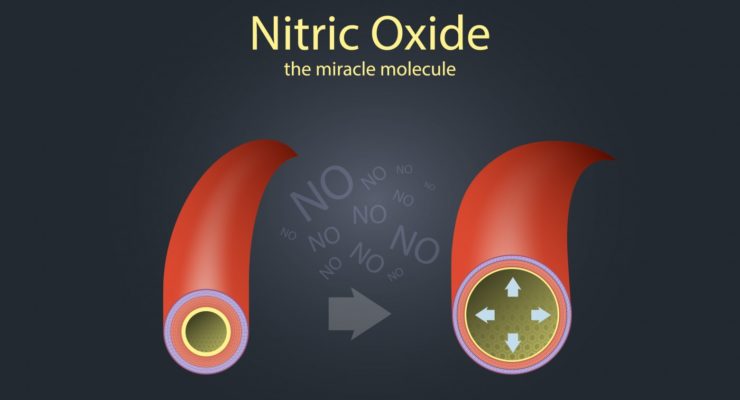
(Exploring Your Mind) Have you ever heard about nitric oxide? Well, your body couldn’t do without it, as it plays a role in sleep, strength, and even sex.
The Science Behind Yoga and Stress

(Dr. M Storoni MD PhD) There are two functional parts of the brain that play a key role in stress. These serve the functions of emotion and cognitive function. So I am calling them the ’emotional’ brain (amygdala and its connections and medial forebrain structures including the medial prefrontal cortex) and the ‘logical’ brain (the dorsolateral prefrontal cortex, other parts of the prefrontal cortex, parts of the cingulate cortex and parts of the hippocampus).
Mobile Devices Rewire Your Brain, Turning You into a Reward Addict Who Craves More Food

(Lance D Johnson) There’s a new risk factor for obesity and it doesn’t involve dieting, genetics, food consumption, hormone disrupters, or inactivity. The newest risk factor for obesity is of psychological origin and it all starts with the way we use electronics and social media.
Testosterone Has a Complicated Relationship with Moral Reasoning, Study Finds

(Science Daily) Although some studies have linked high levels of testosterone to immoral behavior, a new study published in Nature Human Behaviour finds testosterone supplements actually made people more sensitive to moral norms, suggesting that testosterone’s influence on behavior is more complicated than previously thought.
The Science of Linguistics: The Brain Processes Concrete Vs. Abstract Words Differently

(Paul Waters) In an review published in the Journal of Neurophysiology, an Italian researcher exploredthe various areas of the human brain responsible for processing the meanings of concrete and abstract words.
Humans Are Hardwired for Music: Our Brains Appear Uniquely Tuned for Musical Pitch

(Science Daily) In the eternal search for understanding what makes us human, scientists found that our brains are more sensitive to pitch, the harmonic sounds we hear when listening to music, than our evolutionary relative the macaque monkey. The study, funded in part by the National Institutes of Health, highlights the promise of Sound Health, a joint project between the NIH and the John F. Kennedy Center for the Performing Arts that aims to understand the role of music in health.
Mood Neurons Mature During Adolescence
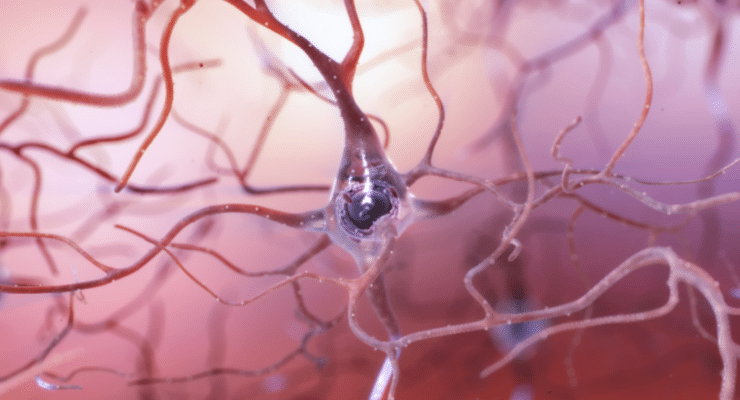
(Science Daily) Researchers have discovered a mysterious group of neurons in the amygdala — a key center for emotional processing in the brain — that stay in an immature, prenatal developmental state throughout childhood. Most of these cells mature rapidly during adolescence, suggesting a key role in the brain’s emotional development, but some stay immature throughout life, suggesting new ideas about how the brain keeps its emotional responses flexible throughout life.
Fibromyalgia Linked to Variations in Microbiome Composition

(Neuroscience News) Using a range of clinical techniques, including deep learning, researcher identify changes in the microbiome of people with fibromyalgia which were not associated with diet, medications or aging. Additionally, the severity of symptoms was directly correlated with an increased presence, or more pronounced absence, of certain bacterias.
Mouse Study Finds Bpa Exposure Has Transgenerational Effects on Gene Linked to Autism

(Neuroscience News) Transgenerational bisphenol A (BPA) exposure may contribute to autism, according to a mouse study published in the Endocrine Society’s journal Endocrinology.
How the Internet May be Changing the Brain
(Science Daily) An international team of researchers has found the Internet can produce both acute and sustained alterations in specific areas of cognition, which may reflect changes in the brain, affecting our attentional capacities, memory processes, and social interactions.
Circadian Clocks: Body Parts Respond to Day and Night Independently from Brain, Studies Show

(Science Alert) Researchers have suspected that the body’s various circadian clocks can operate independently from the central clock in the hypothalamus of the brain. Now, they have found a way to test that theory.
The Math Behind the Music

(Neuroscience News) Next time you listen to a favorite tune or wonder at the beauty of a natural sound, you might also end up pondering the math behind the music.
How We Make Complex Decisions According to Neuroscience

(Neuroscience) When making a complex decision, we often break the problem down into a series of smaller decisions. For example, when deciding how to treat a patient, a doctor may go through a hierarchy of steps — choosing a diagnostic test, interpreting the results, and then prescribing a medication.
The Insular Cortex Processes, and Drives Learning from Pain
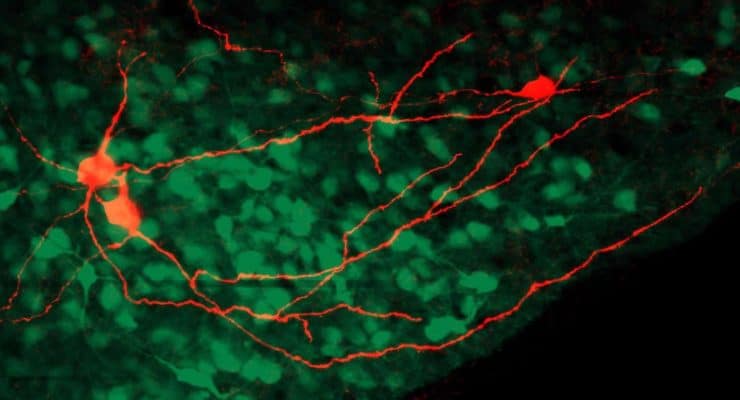
(Neuroscience) Acute pain, e.g. hitting your leg against a sharp object, causes an abrupt, unpleasant feeling. In this way, we learn from painful experiences to avoid future harmful situations. This is called “threat learning” and helps animals and humans to survive. But which part of the brain actually warns other parts of the brain of painful events so that threat learning can occur?