
(Exploring your Mind) Fans have existed from the very beginning. There have always been leaders or figures who captivate other people and have a lot of followers. These fans follow them, admire them, and are sometimes even capable of making great sacrifices for them. Neuroscience has discovered that this phenomenon is related to mirror neurons.
neurology
Smoking Pot Just Once May Increase Teen Brain Volume: Why That Could Be Bad

(Yasemin Saplakoglu) Smoking pot just once might be linked to changes in young brains, a new study suggests. Adolescents who smoked marijuana one or two times had increased amounts of gray matter — a combination of neuron bodies and cells that feed them — in their brains compared with those who hadn’t, according to a new study published yesterday (Jan. 14) in the Journal of Neuroscience.
These 5 Neurotoxins Found in Popular Food May Be Lurking in Your Favorite Snack

(Mary Miller) You would expect most of the food that you eat to be free from neurotoxins, but some of these substances can still find their way into a lot of popular processed foods. It is important to learn more about the ingredients that go into your food. Even your favorite snack may contain food additives that could have a negative impact on your body.
The Brain Is Not Fully Mature until 30’s and 40’s
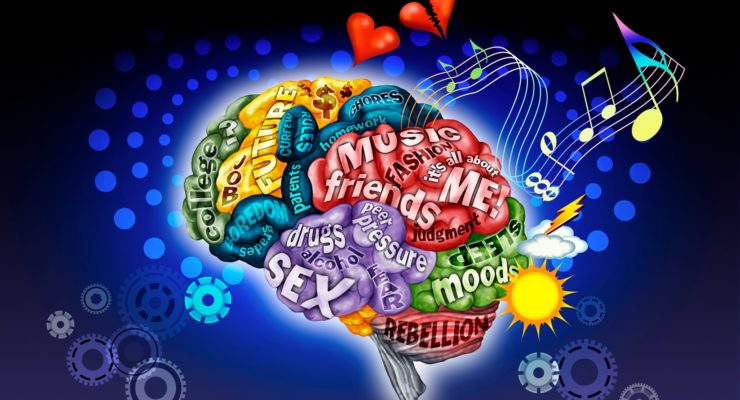
(Lin Edwards) New research from the UK shows the brain continues to develop after childhood and puberty, and is not fully developed until people are well into their 30’s and 40’s. The findings contradict current theories that the brain matures much earlier.
8 Ways to Naturally Boost Your Serotonin Levels (The Mood Balancing Neurotransmitter)

(Johanna Bassols) There are thousands of neurotransmitters (brain chemicals) at work in your brain, constantly being released via neural pathways created by axons and special branches that reach out from your brain cells like tree limbs called dendrites. About 10% of your neurotransmitters are in charge of some of the most significant aspects of your daily life, and among those is serotonin.
To Predict The Future, The Brain Has Two Clocks

Summary: Researchers report there are two distinct ways in which we make temporal predictions, and these rely on different parts of the brain. The findings offer a new perspective on how humans calculate when to make a move.