
(Michael Alexander) Sorry, gentlemen, but women are better than you at remembering certain things, including conversations and people’s faces.
BRAIN
The Parietal Lobe: Functions, Anatomy, and Curiosities
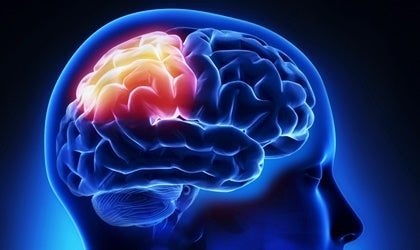
(Exploring Your Mind) Lesions in the parietal lobe can prevent you from getting dressed and even finding your way home. This area of your brain is key to interacting with everything around you.
The Lenticular Nucleus: The Center for Learning and Motivation
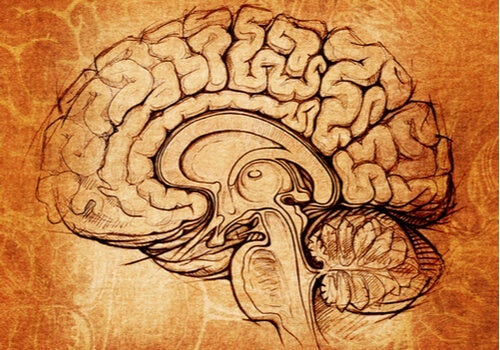
(Exploring Your Mind) The lenticular nucleus works in conjunction with other structures of the basal ganglia. Its connections have a lot to do with acquiring and improving skills.
Executive Intelligence – Characteristics
(Exploring Your Mind) Executive intelligence is a new paradigm to understand how individuals adapt to their surrounding environment.
Studies on Plants Suggest Consciousness Exists As A Separate Entity From The Brain

(Arjun Walia) When it comes to the topic of consciousness, it’s something, in my opinion, all living life forms possess. Including plants, and I believe there is conclusive evidence for that. In fact, the question of whether consciousness is something that resides outside of the brain, or is a product of it, has long been the subject of scientific debate.
New Research Shows What Too Much Screen Time Does To Developing Brains

(Alanna Ketler) Within the past decade or so, the way we live our lives has drastically changed for many of us. Screens (smartphones, tablets, computers, televisions) have become such integral parts of our lives that we don’t even notice how much of our attention has been given to these devices.
The Temporal Lobe: The Center of Memory and Emotions
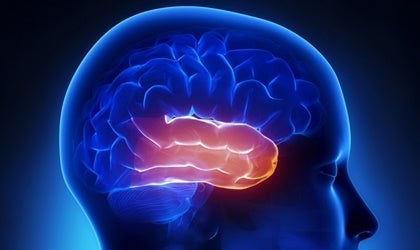
(Exploring Your Mind) An injury or change to the temporal lobe can lead to different types of deafness or even depression. Understanding the functions of this part of the brain can help us understand ourselves even better.
MRI Reveals Brain Damage in Obese Teens

(Science Daily) Obesity in young people has become a significant public health problem. In the U.S., the percentage of children and adolescents affected by obesity has more than tripled since the 1970s, according to the Centers for Disease Control and Prevention. Data from the World Health Organization indicates that the number of overweight or obese infants and young children ages five years or younger increased from 32 million globally in 1990 to 41 million in 2016.
Faith, Truth and Forgiveness: How Your Brain Processes Abstract Thoughts

(Neuroscience News) Researchers at Carnegie Mellon University have leveraged machine learning to interpret human brain scans, allowing the team to uncover the regions of the brain behind how abstract concepts, like justice, ethics and consciousness, form. The results of this study are available online in the October 29 issue of Cerebral Cortex.
Vaccine Warning: Vaccines Can Cause Permanent Brain Injury During Brain Development Years

(S.D. Wells) Americans are scared to death of infectious diseases (almost literally). Most people in this country believe that human babies are born with very weak immune systems, and that most humans would die as children without getting the entire CDC-recommended schedule of “childhood” vaccines.
How the Brain Decides to Punish or Not

(Neuroscience News) Research Fellow at the Institute of Cognitive Neuroscience, HSE University, has conducted meta-analysis of 17 articles to find out which areas of the brain are involved decision-making for rendering social punishment. It would appear that in case of both victims of violations as well as witnesses, punishment decisions activate the brain regions responsible for focusing one’s attention, processing information, and responding effectively to social interaction. The findings of the study were published in Scientific Reports.
How the Brain Detects the Rhythms of Speech

(Science Daily) Neuroscientists have discovered how the listening brain scans speech to break it down into syllables. The findings provide for the first time a neural basis for the fundamental atoms of language and insights into our perception of the rhythmic poetry of speech.
The Insular Cortex: Learning from Painful Experiences

(Exploring Your Mind) Corporal punishment used to be common as a way to “motivate” students to learn. The idea is that knowledge gained through pain can be more intense and long-lasting. So what does this process look like on a cerebral level?
MRI Study Associates Screen Time Exposure In Children To Lower Brain Development

(John Vibes) According to a new study published in the journal JAMA Pediatrics, too much screen time for young children could be linked to slower brain development. The study’s lead author Dr. John Hutton, a pediatrician and clinical researcher at Cincinnati Children’s Hospital, says that this is the first known study to examine how screen time affects the actual structure of a child’s growing brain.
Your Brain Doesn’t Stop Growing – Even in Your 90s

(Melissa Smith) Some experts believe that the brain stops producing new brain cells after childhood — but that’s not the case, according to a new study published in the journal Nature Medicine. This study suggests that the brain continues to grow even in your 90s.