• Skip to primary navigation
  • Skip to main content
  • Skip to primary sidebar
  • Skip to footer
  • Home
  • About
  • Donate
  • Start
    • Contact
    • We Need Your Support (Donate)
    • Newsletter Signup
      • Daily
      • Weekly
    • Into the Storm (Hosted by Justin Deschamps)
    • Follow Our Social Media
    • Best Telegram Channels & Groups
    • Discernment 101
    • Media Archive (Shows, Videos, Presentations)
    • Where’s The Hope
  • Browse
    • Editor’s Top Content (Start Here)
    • Best Categories
      • Consciousness
      • Conspiracy
      • Disclosure
      • Extraterrestrials
      • History
      • Health
      • NWO Deep State
      • Philosophy
      • Occult
      • Self Empowerment
      • Spirituality
    • By Author
      • Justin Deschamps
        • Articles
        • Into The Storm (on EdgeofWonder.TV)
        • Awarewolf Radio (Podcast)
      • Adam AstroYogi Sanchez
      • Amber Wheeler
      • Barbara H Whitfield RT and Charles L Whitfield MD
      • Chandra Loveguard
      • Conscious Optimist
      • Marko De Francis
      • Lance Schuttler
        • EMF Harmonized (Cell Phone, Wi-Fi, Radiation Protection
      • Ryan Delarme
      • Will Justice
  • Products
    • EMF Harmonized (Cell Phone, Wi-Fi, Radiation Protection
    • Earth Science & Energy
    • Free Energy
    • AI and Transhumanism
    • Space
    • Nikola Tesla
    • ET
      • Ancient Technology
      • Crop Circles
      • UFOs
    • Conspiracy
      • Anti NWO Deep State
      • Domestic Spying
      • Freemasonry
      • Law & Legal Corruption
      • Mass Mind Control
      • NWO Conspiracy
      • Police State and Censorship
      • Propaganda
      • Snowden Conspiracy
      • Social Engineering
    • Misc.
      • Council on Foreign Relations
      • Music Industry
      • Paranormal
      • Pedagate and Pedophilia
      • Q Anon
      • Secret Space Program
      • White Hat
  • Sign Up
  • Election Fraud
  • Partners
    • EMF Harmonized
    • Ascent Nutrition

Stillness in the Storm

An Agent for Consciousness Evolution

  • Our Story
  • Support Us
  • Contact
  •  Sunday, April 19, 2026
  • Store
  • Our Social
    • BitChute
    • CloutHub
    • Gab
    • Gab TV
    • Gettr
    • MeWe
      • MeWe Group
    • Minds
    • Rumble
    • SubscribeStar
    • Telegram
      • Best Telegram Channels and Groups
    • Twitter (Justin Duchamps)
    • YouTube

18 Spices Scientifically Proven to Prevent and Treat Cancer

Tuesday, February 21, 2017 By Justin Deschamps Leave a Comment

Spread the love


(John Summerly) Believe it or not, but everything you need to prevent or treat cancer is right inside your spice cabinet. More than just dried seeds, fruits, roots, barks or any other plant-based substances that add flavor to our foods, they also double as anti-cancer agents.More than 180 spice-derived compounds have been identified and scientifically explored for their health benefits. It is beyond the scope of a single article to deal with all herbs and spices that may influence the risk of cancer and tumor behavior, so we’ve highlighted 18 of the most powerful.

Related The Perfect High Vibrational Diet with 15 Easy Solutions — Incorporating Energy, Mindfulness and Holistic Practices in Diet and Health

Source – Wake Up World

by John Summerly, February 19th, 2017
Defeating a disease often labelled ‘incurable’ through conventional treatment typically happens through dietary strategies. A selection of spices can avert the multiplying of malignant cells in the body that gradually mature into insurmountable cancer cells. Spices like turmeric and saffron are inherent with medicinal properties that, when incorporated to our diet from an early stage strengthens our bodies against invasion of toxins, bacteria and viruses.
A conscious effort has been made in the scientific community to provide information about the amount of spices needed to bring about a response and thus their physiological relevance. Although the health attributes associated with spice use may arise from their antioxidant properties, their biological effects may arise from their ability to induce changes in a number of cellular processes, including those involved with drug metabolism, cell division, apoptosis, differentiation, and immuno-competence.
The complexity of understanding the biological response to spices first surfaces in the criteria used to distinguish what constitutes a culinary spice and how they differ from culinary herbs. These terms are often used interchangeably in the scientific and lay literature. The U.S. Food and Drug Administration (FDA) defines a spice as an “aromatic vegetable substance, in the whole, broken, or ground form,” whose significant function in food is “seasoning rather than nutrition” and from which “no portion of any volatile oil or other flavoring principle has been removed” (Food and Drug Administration 2007:205-208).
While this is a viable definition, it does not consider the biological consequences of consuming these items and how they differ from herbs. The U.S. National Arboretum offers an alternative definition and describes spices as “flavorings (often of tropical origin) that are dried and culinary herbs that are fresh or dried leaves from plants which can be used for flavoring purposes in food preparation” (United States National Arboretum 2002). We must remember that the quantity of an item consumed does not dictate its importance. Thus, to avoid the health significance in any definition would appear flawed.
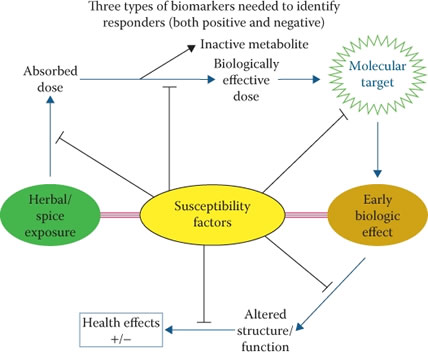
Three types of biomarkers — exposure, effect, and susceptibility — are needed to evaluate the effects of spices in cancer prevention and therapy (see figure below).
18 Spices Scientifically Proven To Prevent and Treat Cancer - Biomarkers
Additional information about the amounts of specific spices required to bring about a response (effect) and the interactions of spices with other constituents of the diet, microbes in the gastrointestinal tract, environmental exposures, and human genetics (susceptibility factors) will be needed to unravel the true benefits of adding spices to the diet.
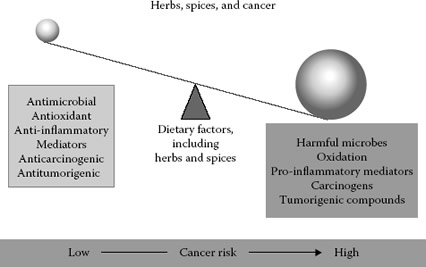
Spices may be a key to determining the balance between pro- and anti-cancer factors that regulate risk and tumor behavior. About 75% of households use dietary approaches to reduce their risk of diseases, including cancer. People between the ages of 36 and 55 are increasingly interested in adopting healthy eating behaviors and are gravitating toward ethnic cuisines based on perceived health benefits. Many of these ethnic foods are loaded with unique and flavorful spices; however, while dietary guidelines in several countries tend to support the incorporation of spices into diets, quantifiable recommendations for specific amounts have not yet been forthcoming.
Related Medicinal Plants And Their Uses And Benefits | The Benefits of Herbal Medicine
Multiple factors may influence the need for spices for reducing the risk of cancer or changing the biological behavior of cancerous cells.
18 Spices Scientifically Proven To Prevent and Treat Cancer - Factors
Between 1970 and 2005, the overall per capita consumption of spices in the United States doubled, increasing from about 1.6 to 3.3 pounds per year (United States Department of Agriculture Economic Research Service, 2007). As expected, the consumption of some spices increased far more than others; for example, garlic consumption increased more than sixfold.
The ability of spices to serve as inhibitors of carcinogen bio-activation, decrease free radical formation, suppress cell division and promote apoptosis in cancerous cells, suppress microbial growth, and regulate inflammation and immuno-competence will be discussed as plausible mechanisms by which selected spices may promote health and disease resistance. The low toxicity and wide acceptance of spices may make them particularly useful as a subtle personal dietary change that may decrease risk for several diseases.
Multiple cancer-related processes may account for the ability of spices to inhibit experimentally induced cancers. While these processes are likely critical for determining the risk of cancer and tumor behavior in humans, only limited clinical evidence exists that spices in physiological relevant exposures can alter one or more of these process. Future research should therefore focus on which process(es) is/are important for human health: DNA repair, inflammatory response, hormonal regulation, carcinogen metabolism, the cell cycle, apoptosis and differentiation.
Related Health, Like Everything Else is Holistic – Not Allopathic | Like any ecosystem, our bodies host trillions of bacterial cells that affect our everyday health

18 Powerful Spices Proven To Prevent and Treat Cancer
1. ALLSPICE
18 Spices Scientifically Proven To Prevent and Treat Cancer - 1 All Spice
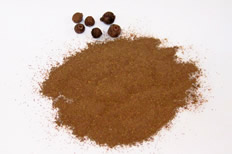
The term “allspice” was coined in the 1600s by the English, who thought the herb combined the flavors of cinnamon, nutmeg, and cloves. Allspice is also referred to as “Jamaica pepper,” “kurundu,” “myrtle pepper,” “pimenta,” and “newspice.” Ground allspice is not a mixture of spices as some still believe, but arises from the dried unripe berries of the tree Pimenta dioica. This tree is native to the Greater Antilles, southern Mexico, and Central America. Today, P. dioica is cultivated in many warm areas throughout the world. Allspice is also available commercially as an essential oil.
Allspice possesses antimicrobial, antioxidant, anti-inflammatory, analgesic, antipyretic, anticancer, and antitumorigenic properties (Rompelberg et al. 1996; Al-Rehaily et al. 2002; Kluth et al. 2007). It contains a multitude of potential bioactive agents that may contribute to health promotion, including flavonoids, phenolic acids, catechins, and several phenylpropanoids.
The anticancer properties of allspice may be in part due to its ability to influence cytochrome P450 (CYP) activity and thereby influence carcinogen bioactivation. Kluth et al. (2007) cultured human liver carcinoma cells and human colon adenocarcinoma cells and studied the ability of the spice extract to activate mechanisms related to detoxification enzymes.
Related The Sun Is A Full-spectrum Medicine (Heliotherapy: Cures Cancer and Improves Health) What They Won’t Tell You
2. BASIL
18 Spices Scientifically Proven To Prevent and Treat Cancer - 2 Basil
Basil (Ocimum basilicum) is a culinary herb prominently featured in Italian and Southeast Asian cuisines. While many varieties of basil exist, sweet basil is one of the most predominant and most frequently examined herbs for its health benefits. Basil is originally native to Iran, India, and other tropical regions of Asia, but now it is widely available throughout the world. Basil’s antioxidant, antimutagenic, antitumorigenic, antiviral, and antibacterial properties likely arise from a variety of components including linalool, 1,8-cineole, estragole, and eugenol (Muller et al. 1994; Chiang et al. 2005; Makri and Kintzios 2007).

There is evidence that basil can decrease induced carcinogenesis. Providing Swiss mice with a diet containing 150 or 300 mg/kg body weight of basil extract decreased DMBA-induced skin tumors (12.5% reduction and 18.75% reduction for lower and higher doses, respectively), and lowered the tumor burden per mouse. Compared to the average number of tumors per mouse in the controls, the tumor burden was approximately 2.4 times lower in the low-dose basil group and 4.6 times lower in the high-dose basil group (Dasgupta, Rao, and Yadava 2004).
The anticancer properties of basil may also relate to its ability to influence viral infections. Individuals with hepatitis B are recognized to be at increased risk for hepatocellular carcinoma (Fung, Lai, and Yuen 2009; Ishikawa 2010). Chiang et al. (2005) evaluated the antiviral activities of basil extract and selected basil constituents in a human skin basal cell carcinoma cell line against several viruses, including hepatitis B.
3. CARAWAY
18 Spices Scientifically Proven To Prevent and Treat Cancer - 3 Caraway
Caraway (Carum carvi), also known as “meridian fennel” or “Persian cumin,” is native to western Asia, Europe, and northern Africa. Recently, Kapoor et al. (2010) showed that caraway essential oil and oleoresins were progressively effectively with dose as antioxidants and more effective than commercial butylated hydroxyanisole and butylated hydroxytoluene.

Schwaireb (1993) examined dietary caraway oil for its effects on skin tumors induced by DMBA and croton oil in female mice. The number of carcinomas in those animals provided with caraway oil were significantly less than in the controls.
Caraway may also influence carcinogen activation by its ability to modify carcinogen bioactivation. Overall, changes in both phase I and II enzymes are consistent with the ability of caraway and its active constituent to lower chemically induced cancers.
4. CARDAMOM
18 Spices Scientifically Proven To Prevent and Treat Cancer - 4 Cardamom
Cardamom refers to herbs within the Elettaria (green) and Amomum(black) genera of the ginger family. Cardamom is a common ingredient used in Indian cooking and in various parts of Europe. As with many spices, cardamom has been demonstrated to have antioxidant properties. Kikuzaki, Kawai, and Nakatani (2001) examined extracts from black cardamom (Amomum subulatum) for their ability to scavenge radicals.

The ability of cardamom to inhibit chemical carcinogenesis was shown by Banerjee et al. (1994), whose observations suggest that intake of cardamom oil affects the enzymes associated with xenobiotic metabolism and may therefore have benefits as a deterrent to cancer.
Cardamom has also been demonstrated to decrease azoxymethane-induced colon carcinogenesis by virtue of its anti-inflammatory, antiproliferative, and proapoptotic activities.
Related Coherent Light (Biophoton) Can Heal Cancer and Other Diseases
5. CAYENNE PEPPER
18 Spices Scientifically Proven To Prevent and Treat Cancer - 5 Cayenne Pepper
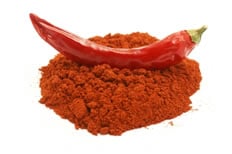
The cayenne pepper — also known as the Guinea spice, cow-horn pepper, aleva, bird pepper, or, especially in its powdered form, red pepper — is a hot chili pepper used to flavour dishes. It is red colored when ripened to maturity, but also eaten while still green. It is a cultivar of Capsicum annuum related to bell peppers, jalapenos, paprika and others.
Besides published evidence suggesting that cayenne pepper may aid weight loss, curb appetite, and lower blood pressure, the component that gives jalapeno peppers their heat may also kill cancer cells.
Initial experiments in cancer cells and mice show that capsaicin causes prostate cancer cells to undergo a kind of suicide. Researchers speculate that, in the future, pills containing capsaicin might be used as therapy to prevent prostate cancer’s return.
Capsaicin caused almost 80 percent of prostate cancer cells in the mice to die. In addition, prostate cancer tumors treated with capsaicin were about one-fifth the size of tumors in untreated mice.
“Capsaicin inhibits the growth of human prostate cancer cell in Petri dishes and mice,” said lead researcher Dr. H. Phillip Koeffler, director of hematology and oncology at Cedars-Sinai Medical Center and a professor of medicine at the University of California, Los Angeles.
The report appears in the March 15 2006 issue of Cancer Research.
6. CINNAMON
18 Spices Scientifically Proven To Prevent and Treat Cancer - 6 Cinnamon
Cinnamon is a spice obtained from the bark of an evergreen tree belonging to the Lauraceae family. Major constituents in cinnamon include cinnamaldehyde, eugenol, terpinene, α-pinene, carvacrol, linalool, safrole, benzyl benzoate, and coumarin.
It takes not more than a half teaspoon of cinnamon powder every day to keep cancer risk away. A natural food preservative, cinnamon is a source of iron and calcium. Useful in reducing tumour growth, it blocks the formation of new vessels in the human body. 
The ability of cinnamon extracts to suppress the in vitro growth of H. pylori, a recognized risk factor for gastric cancer, gastric mucosa-associated lymphoid tissue lymphoma, and pancreatic cancer, has stirred considerable interest in the potential use of this spice to suppress human cancers (Farinha and Gascoyne 2005; Eslick 2006).
Providing rats with cinnamon bark powder significantly increased several antioxidant-related enzymes in both liver and heart tissue, compared to controls (Dhuley 1999). These enzymes help maintain cellular integrity and protection against oxidative damage from free radicals.
7. CLOVE
18 Spices Scientifically Proven To Prevent and Treat Cancer - 7 Clove
Clove is derived from flower buds of the Eugenia caryophyllata tree. Several bioactive components are found in clove, including tannins, terpenoids, eugenol, and acetyleugenol. Cloves are native to Indonesia and are used in cuisines throughout the world. While no studies have been conducted in humans to date to evaluate use of cloves in cancer prevention, a few studies conducted in mice suggest its effectiveness, especially in modifying cellular detoxification processes.

Similar to allspice, clove contains high amounts of eugenol. However, this compound cannot serve to increase gastrointestinal promoter activity, suggesting other compounds in clove may account for its biological activity (Kluth et al. 2007). Overall, the findings to date suggest that tissues adapt to exposures to one or more constituents in cloves. In doing so, clove may improve the ability of selected tissues to handle foreign compounds that might lead to the initiation of carcinogenesis. Based on findings to date, additional clinical studies are warranted to determine the ability of clove to influence drug detoxification pathways.
Related Dr. Max Gerson’s Miracle Diet (Video)
8. CORIANDER
18 Spices Scientifically Proven To Prevent and Treat Cancer - 8 Coriander
Coriander (Coriandrum sativum) is an herb in the family Apiaceae and is native to southern Europe and northern Africa to southwestern Asia. Although all parts of the plant are edible, its fresh leaves and dried seeds are most frequently used in cooking. Coriander is a common ingredient in many foods throughout the world. One of its principal constituents is linalool.
Several animal studies provide evidence that coriander seeds can promote the hepatic antioxidant system. Coriander can also influence foreign compound metabolism. Feeding Swiss mice with 160-mg coriander seeds per gram diet resulted in (glutathione S-transferase)GST induction ranging from 20% to 37%, depending on the tissue examined. In another study, Banerjee et al. (1994) observed roughly a doubling in GST activity in Swiss albino mice that were provided with diets containing coriander oil.
9. CUMIN
18 Spices Scientifically Proven To Prevent and Treat Cancer - 9 Cumin
Cumin (Cuminum cyminum) is a flowering plant in the family Apiaceae and is native to the eastern Mediterranean region and India. Thymoquinone (TQ) is the most abundant component of black cumin seed oil. TQ has been reported to exhibit antioxidant, antimicrobial, anti-inflammatory, and chemopreventive properties (Allahghadri et al. 2010; Nader, el-Agamy, and Suddek 2010).
Thymoquinone that checks proliferation of cells responsible for prostate cancer. Considerable evidence also points to the ability of TQ to suppress tumor cell proliferation, including colorectal carcinoma, breast adenocarcinoma, osteosarcoma, ovarian carcinoma, myeloblastic leukemia, and pancreatic carcinoma (Gali-Muhtasib, Roessner, and Schneider-Stock 2006).
The multitude of effects caused by cumin serves as justification for its continued examination as a spice with widespread potential for health promotion.
10. DILL
18 Spices Scientifically Proven To Prevent and Treat Cancer - 10 Dill
Dill (Anethum graveolens) is a relatively short-lived perennial spice. Dill is an herb that in effect has two components that are dependent on the seasons. In the early spring, dill is used for its leaves and in the autumn for its seeds.
As with other spices, there is evidence that dill promotes drug detoxification mechanisms. Because dill helps maintain cellular oxidation-reduction balance and protects cells against free-radical species, the combination of increased antioxidant levels may be particularly helpful in detoxifying foreign compounds, including carcinogens (Zheng, Kenney, and Lam 1992).
11. FENNEL
18 Spices Scientifically Proven To Prevent and Treat Cancer - 11 Fennel
Fennel (Foeniculum vulgare) is a plant species in the genus Foeniculum(treated as the sole species in the genus by most botanists). It is a member of the family Apiaceae (formerly the Umbelliferae). It is a hardy, perennial, umbelliferous herb, with yellow flowers and feathery leaves. It is indigenous to the shores of the Mediterranean but has become widely naturalized in many parts of the world, especially on dry soils near the sea-coast and on riverbanks.
Fennel contains anethole, which can explain some of its medical effects: It, or its polymers, act as phytoestrogens. Armed with phyto-nutrients and antioxidants, cancer cells have nothing but to accept defeat when the spice is fennel. Anethole resists and restricts the adhesive and invasive activities of cancer cells. It suppresses the enzymatic regulated activities behind cancer cell multiplication.
12. GARLIC
18 Spices Scientifically Proven To Prevent and Treat Cancer - 12 Garlic
Garlic (Allium sativum) is a member of the onion family Alliaceae. Garlic has been used throughout history for both its culinary and medicinal properties. Garlic’s distinctive characteristics arise from sulfur, which constitutes almost 1% of its dry weight. Although garlic does not typically serve as a major source of essential nutrients, it may contribute to several dietary factors with potential health benefits, including the presence of oligosaccharides, arginine-rich proteins and, depending on soil and growing conditions, selenium and flavonoids.
Preclinical models provide rather compelling evidence that garlic and its associated components can lower the incidence of breast, colon, skin, uterine, esophagus, and lung cancers. uppression of nitrosamine formation continues to surface as one of the most likely mechanisms by which garlic retards cancer.
The ability of garlic to inhibit tumors due to different cancer-inducing agents and in different tissues indicates that a generalized cellular event is likely responsible for the change in tumor incidence and that the response is highly dependent on environmental or other types of biological insults. Because metabolic activation is required for many of these carcinogens, there is likelihood that either phase I or II enzymes are altered.
A breakdown of allicin appears to be necessary for achieving maximum tumor inhibition. Allyl sulfur compounds preferentially suppress neoplastic over non-neoplastic cells (Sakamoto, Lawson, and Milner 1997).
It is becoming increasingly clear that the response to allyl sulfurs relates to their ability to form free radicals rather than to serve as an antioxidant (Antosiewicz et al. 2008). Allyl sulfurs may bring about changes by influencing the genomic expression by affecting histone homeostasis.

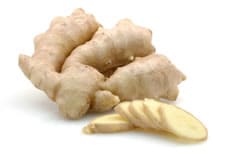
13. GINGER
18 Spices Scientifically Proven To Prevent and Treat Cancer - 13 Ginger
Ginger (Zingiber officinale) is a member of the Zingiberaceae family and is consumed widely not only as a spice but also as a medicinal agent.
Various animal models have been used to examine the role of ginger in cancer prevention. For example, Ihlaseh et al. (2006) exposed male Wistar rats to tumors resembling human low-grade papillary urothelial neoplasia. Rats fed with a basal diet supplemented with 1% ginger extract for 26 weeks had significantly fewer urothelial lesions compared to the controls or those fed with the diet with 0.5% ginger.
Ginger also appears to have antitumorigenic properties. Several cell lines have been examined for their sensitivity to ginger. For example, alcoholic extracts of ginger inhibited tumor cell growth for Dalton’s lymphocytic ascites tumor cells and human lymphocytes.
Overall, while the anticancer findings of ginger are intriguing and several processes may be associated with the observed responses, additional studies are needed to clarify the underlying mechanisms and to determine overall benefits to humans (Pan et al. 2008).
14. OREGANO
18 Spices Scientifically Proven To Prevent and Treat Cancer - 14 Oregano
Oregano scientifically named Origanum vulgare by Carolus Linnaeus, is a common species of Origanum, a genus of the mint family (Lamiaceae). It is native to warm-temperate western and southwestern Eurasia and the Mediterranean region.
Oregano is high in antioxidant activity, due to a high content of phenolic acids and flavonoids. In test-tube studies, it also has shown antimicrobial activity against strains of the food-borne pathogen Listeria monocytogenes.
Oregano confirms its worth as a potential agent against prostate cancer. Consisting of anti-microbial compounds, just one teaspoon of oregano has the power of two cups of red grapes! Phyto-chemical ‘Quercetin’ present in oregano restricts growth of malignant cells in the body and acts like a drug against cancer-centric diseases.
15. ROSEMARY
18 Spices Scientifically Proven To Prevent and Treat Cancer - 15 Rosemary
Rosemary (Rosmarinus officinalis) is a woody herb with fragrant needle-like leaves. Rosemary is native to the Mediterranean region and possesses a bitter, astringent taste and highly aromatic characteristics that complement a wide variety of foods. Rosemary is a member of the family Lamiaceae, and it contains a number of potentially biologically active compounds, including antioxidants such as carnosic acid and rosmarinic acid. Other bioactive compounds include camphor (up to 20% in dry rosemary leaves), caffeic acid, ursolic acid, betulinic acid, rosmaridiphenol, and rosmanol.
Due to its high antioxidant activity, crude and refined extracts of rosemary are now widely available commercially.While the data are difficult to interpret, when rosemary is added along with other herbs to a balsamic vinegar preparation used in soups and salads, it appears to provide protection again oxidative stress in humans (Dragan et al. 2007).
Considerable evidence also suggests that rosemary extracts, or its isolated components, can retard chemically induced cancers. For example, topical application of a rosemary extract has been reported to block the initiation and promotion phases of skin tumorigenesis (Huang et al. 1994).
Rosemary extracts and the active compounds carnosic acid and rosmarinic acid have been found to inhibit the proliferation of various human cancer cell lines, including human, small cell lung carcinoma, human prostate carcinoma, human liver carcinoma), human chronic myeloid leukemia, human breast adenocarcinoma, human prostate adenocarcinoma, and human breast adenocarcinoma; (Yesil-Celiktas et al. 2010).
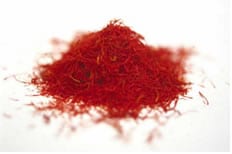
16. SAFFRON
18 Spices Scientifically Proven To Prevent and Treat Cancer - 16 Saffron
Saffron is a spice derived from the flower of the saffron crocus (Crocus sativus) plant native to Southwest Asia. It has historically been the world’s most expensive spice per unit weight. Saffron imparts a bitter taste and hay-like fragrance to food. Saffron likely contains more than 150 volatile and aroma-yielding compounds. A carotenoid, comprises >10% of dry saffron’s mass and is responsible for the rich golden-yellow hue created when saffron is added to food dishes. Picrocrocin, a bitter glucoside, is responsible for saffron’s flavor.
The natural carotenoid ‘Crocetin’ is the primary cancer-fighting element that saffron contains. It not only inhibits the progression of the disease but also decreases the size of the tumour by half, guaranteeing a complete goodbye to cancer. Though it is the most expensive spice in the world for it is derived from around 250,000 flower stigmas (saffron crocus) that make just about half a kilo, a few saffron threads come loaded with benefits you won’t regret paying for. 
Significant information points to the ability of saffron to inhibit cancer (Abdullaev 2003). Aqueous saffron preparations have been reported to inhibit chemically induced skin carcinogenesis (Das, Chakrabarty, and Das 2004). Both changes in carcinogen bioactivation and tumor proliferation appear to occur.
Saffron and crocus also have significant antitumorigenic properties. Similar to other spices, they appear to suppress cell growth in neoplastic cells to a greater extent than in normal cells (Aung et al. 2007). The ability of crocin to decrease cell viability occurs in a concentration- and time-dependent manner (Bakshi et al. 2009).
The effects of tumor suppression also have an impact on the longevity of the host. A significant increase in the life span of Dalton’s lymphoma-bearing animals was found in those provided with saffron.
17. THYME
18 Spices Scientifically Proven To Prevent and Treat Cancer - 17 Thyme
Thyme is another culinary and medicinal herb. Today, common usage refers to any or all members of the plant genus Thymus, also of the Lamiaceae family. Several active agents are reported, including thymol, carvacrol, apigenin, luteolin, tannins, terpinene, and other oils.
Kluth et al. (2007) examined the effects of thyme on enzyme induction in cultured human liver carcinoma cells and human colon adenocarcinoma cells. They observed a thyme extract to activate promoters via the electrophile responsive element, thus providing potential clues about the mechanism by which thymol and carvacrol may influence enzyme expression and prevent cancer.
Mounting evidence suggests that cancers are not an inevitable consequence of aging but are preventable diseases. The evidence here suggests that spices may be factors in one’s diet that may lower cancer risk and affect tumor behavior. Spices have been consumed for centuries for a variety of purposes, such as flavoring agents, colorants, and preservatives, Without question, evidence exists that multiple processes, including proliferation, apoptosis, angiogenesis, and immunocompetence, can be influenced by one or more spices.
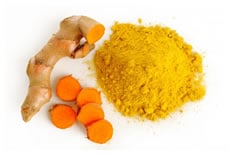
18. TURMERIC
18 Spices Scientifically Proven To Prevent and Treat Cancer - 18 Tumeric
Turmeric (Curcuma longa) is a rhizomatous herbaceous perennial plant of the ginger family, Zingiberaceae. Turmeric has been used in India for thousands of years and is a major part of Ayurvedic medicine. It was first used as a dye and then later for its medicinal properties.
Its active ingredient, curcumin, inhibits inflammatory reactions, has anti-diabetic effects, reduces cholesterol among other powerful health effects. A new study led by a research team at Ludwig-Maximilians-Universitat (LMU) in Munich now shows that it can also inhibit formation of metastases.
One of the most comprehensive summaries of a review of 700 turmeric studies to date was published by the respected ethnobotanist James A. Duke, Phd. He showed that turmeric appears to outperform many pharmaceuticals in its effects against several chronic, debilitating diseases, and does so with virtually no adverse side effects.
This is the king of spices when it comes to dealing with cancer diseases, besides it adding a zesty colour to our food on the platter. Turmeric contains the powerful polyphenol Curcumin that has been clinically proven to retard the growth of cancer cells causing prostrate cancer, melanoma, breast cancer, brain tumour, pancreatic cancer and leukemia amongst a host of others. Curcumin promotes ‘Apoptosis’- (programmed cell death/cell suicide) that safely eliminates cancer breeding cells without posing a threat to the development of other healthy cells. In cases of conventional radiotherapy and chemotherapy, the surrounding cells too become a target in addition to the cancer cells. Therefore, the side-effects are imminent.
Duke noted that in the handbook Phytochemicals: Mechanisms of Action, curcumin and/or turmeric were effective in animal models in prevention and/or treatment of colon cancer, mammary cancer, prostate cancer, murine hepato-carcinogenesis (liver cancer in rats), esophageal cancer, and oral cancer. 
Curcumin may be useful in the prevention of breast and prostate cancers — which are both linked to inflammation — and in reducing their metastatic potential. It could play a positive role in primary prevention — before a full-blown tumor arises — or help to avert formation of metastases. In this context the fact that the substance is well tolerated is very important, because one can safely recommend it to individuals who have an increased tumor risk.
Further resources: 
  • nlm.nih.gov 
  • care2.com 
  • preventdisease.com 
Previous articles by John Summerly:
  • Constantly Tired? Here are 12 Herbs to Increase Energy and Vitality 
  • Apple Cider Vinegar – One Of The Most Powerful Health Tonics In Your Kitchen 
  • Herbal Tea Has Rare Ability to Kill Cancer Cells Without Damaging Other Cells 
  • 20 Domestic Uses For Coca Cola… Proof That Coke Does Not Belong In The Human Body 
  • 36 Foods That Help Detox and Cleanse Your Entire Body 
  • South American Vine Treats Neurogenerative Disorders, Stronger Than Antidepressants 
About the author:
John Summerly is nutritionist, herbologist, and homeopathic practitioner. He is a leader in the natural health community and consults athletes, executives and most of all parents of children on the benefits of complementary therapies for health and prevention.
This article reproduced with permission from preventdisease.com

_________________________
Stillness in the Storm Editor’s note: Did you find a spelling error or grammar mistake? Do you think this article needs a correction or update? Or do you just have some feedback? Send us an email at [email protected]. Thank you for reading.

________

Source:


http://wakeup-world.com/2017/02/19/18-spices-scientifically-proven-to-prevent-and-treat-cancer/

Filed Under: Uncategorized Tagged With: cure cancer, disclosure, Health, Science, self education, self healing, wake up world

Notices and Disclaimers

We need $2000 per month to pay our costs. Help us one time or recurring. (DONATE HERE)

To sign up for RSS updates, paste this link (https://stillnessinthestorm.com/feed/) into the search field of your preferred RSS Reader or Service (such as Feedly or gReader).

Subscribe to Stillness in the Storm Newsletter

“It is the mark of an educated mind to be able to entertain a thought without accepting it.” – Aristotle

This website is supported by readers like you.

If you find our work of value, consider making a donation. 

Stillness in the Storm DISCLAIMER: All articles, videos, statements, claims, views and opinions that appear anywhere on this site, whether stated as theories or absolute facts, are always presented by Stillness in the Storm as unverified—and should be personally fact checked and discerned by you, the reader. Any opinions or statements herein presented are not necessarily promoted, endorsed, or agreed to by Stillness, those who work with Stillness, or those who read Stillness. Any belief or conclusion gleaned from content on this site is solely the responsibility of you the reader to substantiate, fact check, and no harm comes to you or those around you. And any actions taken by those who read material on this site is solely the responsibility of the acting party. You are encouraged to think carefully and do your own research. Nothing on this site is meant to be believed without question or personal appraisal.

Content Disclaimer: All content on this site marked with “source – [enter website name and url]” is not owned by Stillness in the Storm. All content on this site that is not originally written, created, or posted as original, is owned by the original content creators, who retain exclusive jurisdiction of all intellectual property rights. Any copyrighted material on this site was shared in good faith, under fair use or creative commons. Any request to remove copyrighted material will be honored, provided proof of ownership is rendered. Send takedown requests to [email protected].

What is our mission? Why do we post what we do?

Our mission here is to curate (share) articles and information that we feel is important for the evolution of consciousness. Most of that information is written or produced by other people and organizations, which means it does not represent our views or opinions as managing staff of Stillness in the Storm. Some of the content is written by one of our writers and is clearly marked accordingly. Just because we share a CNN story that speaks badly about the President doesn’t mean we’re promoting anti-POTUS views. We’re reporting on the fact as it was reported, and that this event is important for us to know so we can better contend with the challenges of gaining freedom and prosperity. Similarly, just because we share a pro/anti-[insert issue or topic] content, such as a pro-second amendment piece or an anti-military video doesn’t mean we endorse what is said. Again, information is shared on this site for the purpose of evolving consciousness. In our opinion, consciousness evolves through the process of accumulating knowledge of the truth and contemplating that knowledge to distill wisdom and improve life by discovering and incorporating holistic values. Thus, sharing information from many different sources, with many different perspectives is the best way to maximize evolution. What’s more, the mastery of mind and discernment doesn’t occur in a vacuum, it is much like the immune system, it needs regular exposure to new things to stay healthy and strong. If you have any questions as to our mission or methods please reach out to us at [email protected].

Reader Interactions

Leave a Reply Cancel reply

Your email address will not be published. Required fields are marked *

This site uses Akismet to reduce spam. Learn how your comment data is processed.

Primary Sidebar

Search Our Archives

FUNDRAISER!

Latest Videos

Guarding Against Bio Tech and EMF - Fix The World Project | Just In Stillness

From around the web

News “they” don’t want you to see

Newsletter

You can unsubscribe anytime. For more details, review our Privacy Policy.

Thank you!

You have successfully joined our subscriber list.

.

We Need Your Support

Support our work!

Weekly Newsletter Sign UP

Only want to see emails once a week? Sign up for the Weekly Newsletter here: SIGN UP. (Make sure you send an email to [email protected] to confirm the change or it won’t work).

Latest Videos

Footer

  • Menus
  • Internship Program
  • RSS
  • Social Media
  • Media
  • Privacy Policy

Copyright © 2026 · Privacy Policy · Log in · Built by

This website wouldn't be the same without the ethical web hosting provided by Modern Masters. Modern Masters ethically serves small businesses in metaphysical, paranormal, healing, spirituality, homesteading, acupuncture and other related fields. Get the perfect website for your sacred work at Modern Masters.