() Russian President Vladimir Putin on Friday intensified a crackdown on media outlets and individuals who fail to hew to the Kremlin line on Russia’s war in Ukraine, blocking Facebook and Twitter and signing into law a bill that criminalizes the intentional spreading of what Moscow deems to be “fake” reports.
Related Vigilante Group Anonymous Hacks Russian State TV With Banned Ukraine Footage
by , March 4th, 2022
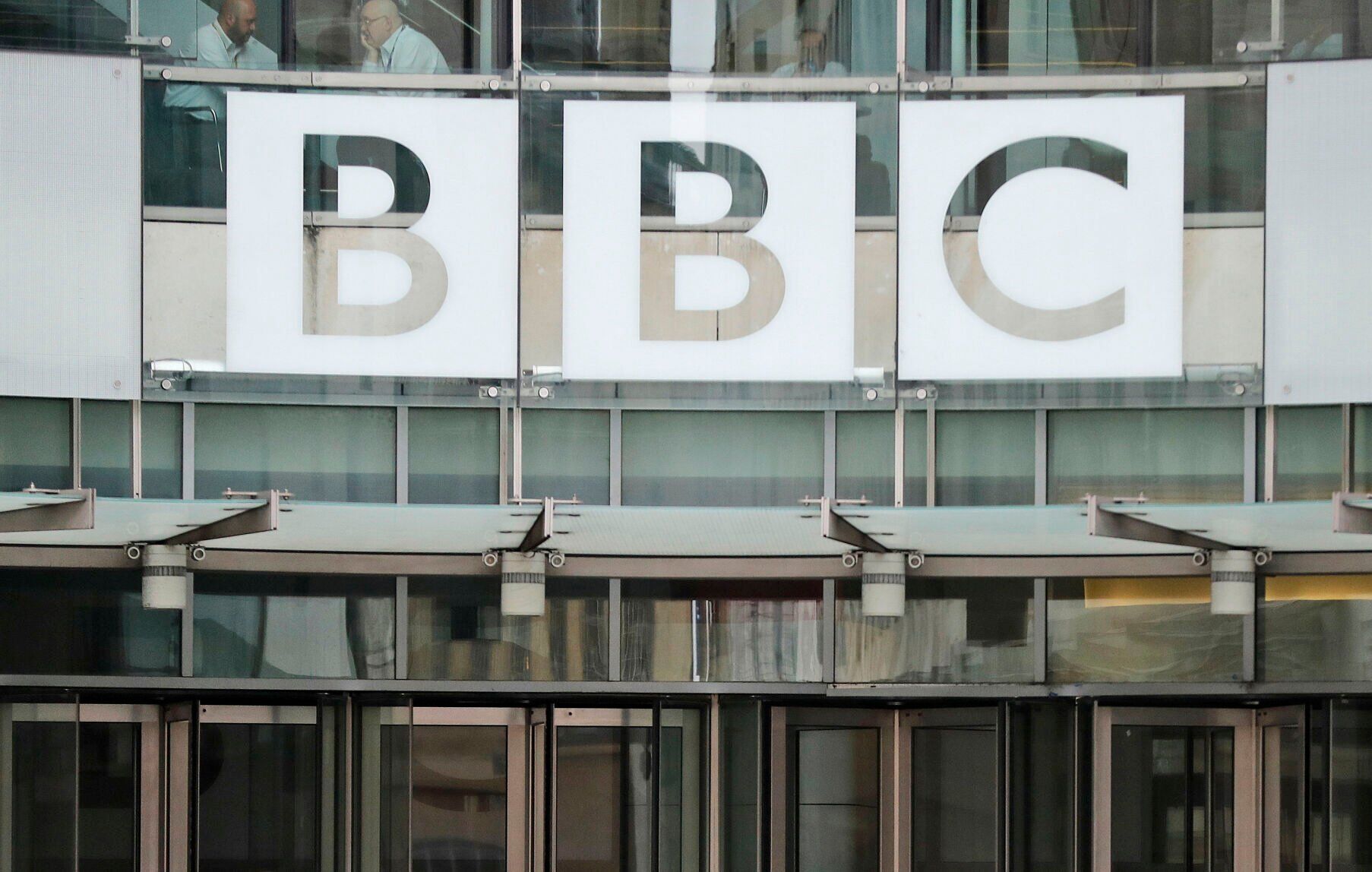
The moves against the social media giants follow blocks imposed on the BBC, the U.S. government-funded Voice of America and Radio Free Europe/Radio Liberty, German broadcaster Deutsche Welle and Latvia-based website Meduza. The government’s sweeping action against the foreign outlets that publish news in Russian seeks to establish even tighter controls over what information the domestic audience sees about the invasion of Ukraine.
The state communications watchdog Roskomnadzor said it cut access to Twitter and Facebook in line with a decision by the prosecutor general’s office. The watchdog has previously accused Twitter of failing to delete the content banned by Russian authorities and slowed down access to it.
Twitter said in a statement Friday afternoon that while the company is “aware of reports” that its platform is blocked in Russia, it has not been able to confirm whether this is the case.
The bill, quickly rubber-stamped by both houses of the Kremlin-controlled parliament and signed by Putin, imposes prison sentences of up to 15 years for those spreading information that goes against the Russian government’s narrative on the war.
The question regarding Russia is no longer “what we do to stop disinformation,” former U.S. ambassador to Russia Michael McFaul said on Friday. “The question has to be how do we promote information inside Russia — and I don’t have the answer.”
Multiple outlets said they would pause their work inside Russia to evaluate the situation. Among them, CNN and CBS News said they would stop broadcasting in Russia while Bloomberg and the BBC said they would temporarily suspend the work of their journalists there.
Russian authorities have repeatedly and falsely decried reports of Russian military setbacks or civilian deaths in Ukraine as “fake” news. State media outlets refer to Russia’s invasion of Ukraine as a “special military operation” rather than a war or an invasion.
Vyacheslav Volodin, the speaker of the lower house of parliament, said the measure “will force those who lied and made statements discrediting our armed forces to bear very grave punishment.”
“I want everyone to understand, and for society to understand, that we are doing this to protect our soldiers and officers, and to protect the truth,” he added.
The law envisages sentences of up to three years or fines for spreading what authorities deem to be false news about the military, but the maximum punishment rises to 15 years for cases deemed to have led to “severe consequences.”
In blocking Facebook, Roskomnadzor cited its alleged “discrimination” of the Russian media and state information resources. The agency said in a statement that the restrictions introduced by Facebook owner Meta on the Russian news channel RT and other state-controlled media violate Russian law.
“Obviously Putin is shutting these people down because he is afraid. He wouldn’t be shutting them down if everything was going peachy keen,” McFaul said during a call with reporters and experts hosted by Stanford’s Cyber Policy Center. “This is an indicator of his state of mind.”
Nick Clegg, Meta’s president of global affairs, said tweeted in response to Russia’s action that “millions of ordinary Russians will find themselves cut off from reliable information, deprived of their everyday ways of connecting with family and friends and silenced from speaking out.”
“We will continue to do everything we can to restore our services so they remain available to people to safely and securely express themselves and organize for action,” Clegg added.
The Russian media blocks on the five foreign media organizations are among the most influential and often critical foreign media publishing in Russian.
Roskomnadzor said those media had published “false information” on subjects including “the methods of carrying out combat activities (attacks on civilians, strikes on civil infrastructure), the numbers of losses of the Russian Federation Armed Forces. and victims among the civilian population.”
Please consider becoming a $10 a month donor. (Donate HERE)
Stillness in the Storm Editor: Why did we post this?
The news is important to all people because it is where we come to know new things about the world, which leads to the development of more life goals that lead to life wisdom. The news also serves as a social connection tool, as we tend to relate to those who know about and believe the things we do. With the power of an open truth-seeking mind in hand, the individual can grow wise and the collective can prosper.
– Justin
Not sure how to make sense of this? Want to learn how to discern like a pro? Read this essential guide to discernment, analysis of claims, and understanding the truth in a world of deception: 4 Key Steps of Discernment – Advanced Truth-Seeking Tools.
Stillness in the Storm Editor’s note: Did you find a spelling error or grammatical mistake? Send an email to [email protected], with the error and suggested correction, along with the headline and url. Do you think this article needs an update? Or do you just have some feedback? Send us an email at [email protected]. Thank you for reading.
Source:
Support our work! (Avoid Big Tech PayPal and Patreon)DIRECT DONATION
Leave a Reply