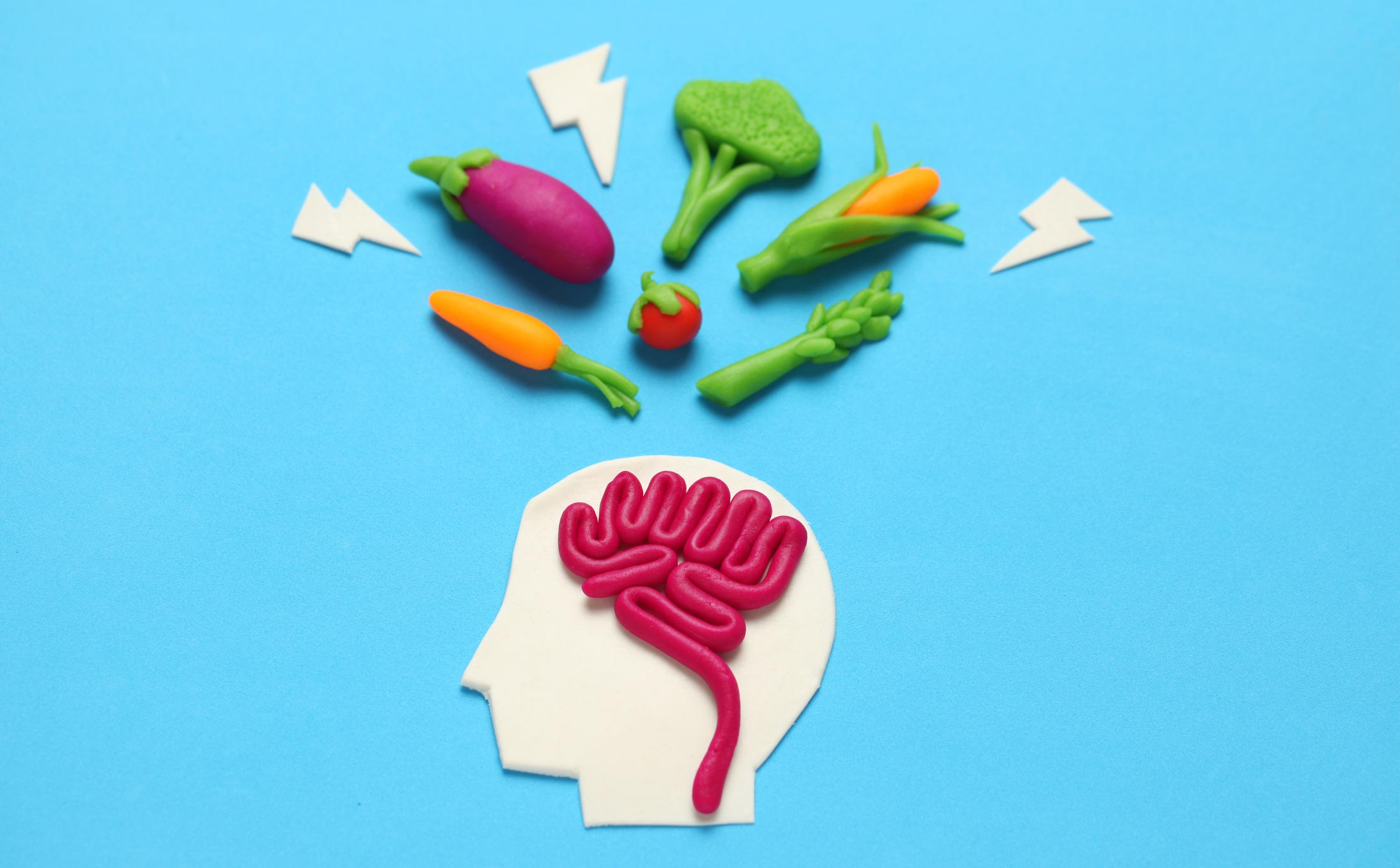
(Ocean Robbins) As we navigate the COVID-19 pandemic, many of us are also experiencing another health challenge: an assault on our mental health. Anxiety is high, and many people are cooped up at home and knocked off their normal routines. Plus, many of us face a loss of control, financial stress, increased social isolation, or even the specter of too much time with family members or roommates, who may be easier to get along with when we have more breathing room.
Related Media, Leftists Flip Out After Trump Says He’s Taking Hydroxychloroquine
by Ocean Robbins, May 8th, 2020
With so much out of your control, what can you do to boost your mood, so you can hang in there and emerge on the other side of this intact — and maybe even healthier than before? What can you do right now that can make a positive long-term difference?
One of the top strategies for boosting mental health is also one of the most often ignored: choosing foods that boost your mood. It turns out that nutrition and mental health are more closely connected than you might expect. A large number of epidemiological studies have suggested a relationship between diet and mental illness. Plus, a growing body of research shows an association between poor nutrition and common mental health disorders, such as depression and anxiety — identified and reported in adults. Mood, learning, and memory abilities also have a link with diet, both during early development and throughout adulthood.
Nutritional Psychiatry
In nutritional psychiatry, a relatively new medical sub-specialty, there’s a focus on dietary interventions and recommendations to prevent and treat common mental disorders.
Nutritional psychiatry emphasizes the link between nutrition and mental health. It’s typically used alongside behavioral and lifestyle interventions, talk therapy, and sometimes also medications, to make the most positive, sustainable impact.
How Nutrition Impacts Your Brain
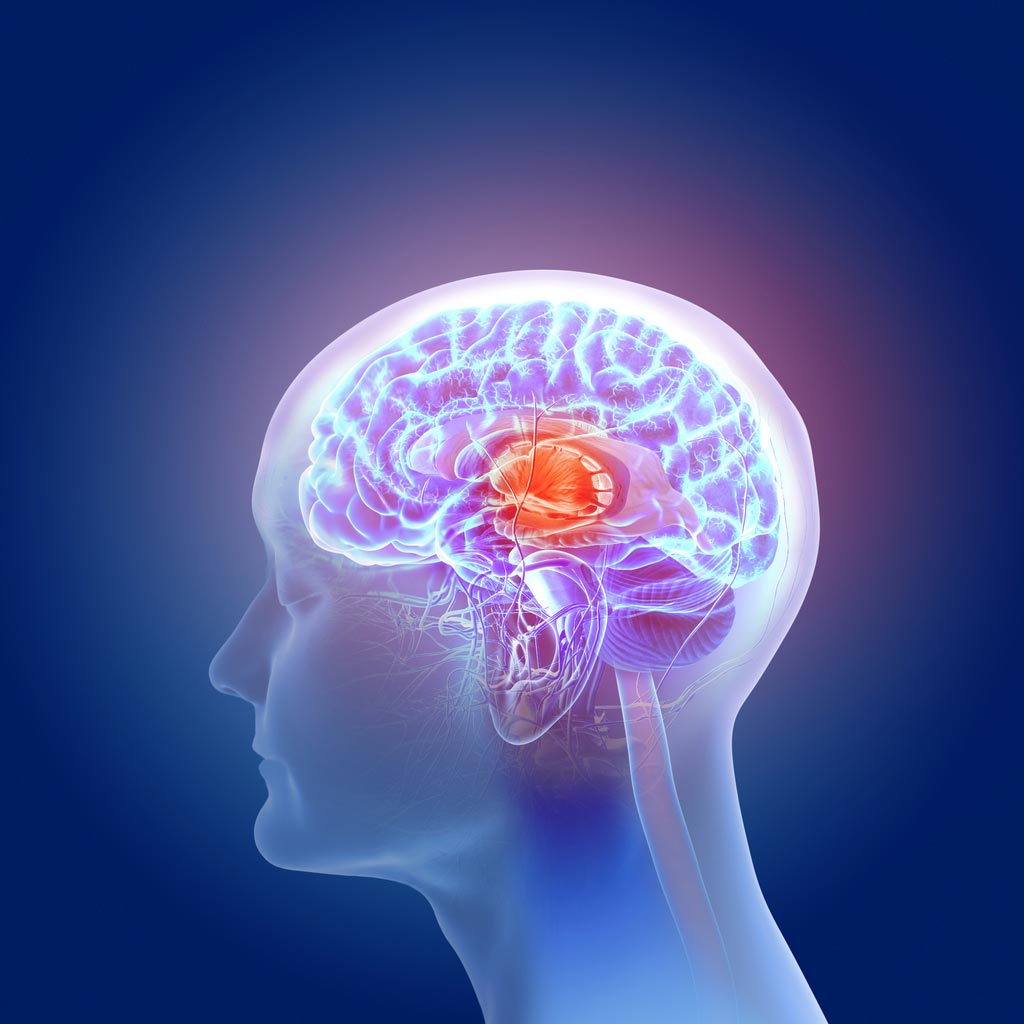
Your brain requires a constant supply of fuel to function optimally — actually, to function at all. That “fuel” comes from the foods you eat — and what’s in the food makes all the difference. What you eat directly affects the structure and function of your brain and, ultimately, your mood. When it comes to addressing mental health, it’s important to examine “your brain on food.” It turns out that the adage “you are what you eat” extends to your mental and emotional experience — not just your physical body.
Book Humans are Herbivores: A Scientific Case for Veganism
There is a demonstrated link between nutrition and mental health. Patients suffering from mental disorders often exhibit a severe deficiency of important vitamins, minerals, and omega-3 fatty acids.
Some of the most well-researched nutrients that are important for addressing mental health issues include the following:
B Vitamins
B vitamins, such as vitamin B6, vitamin B12, and vitamin B9 (folate), are especially important when it comes to anxiety and depression. These vitamins help produce and control brain chemicals and influence mood and other mental functions.
Vitamin D
Vitamin D plays a critical role in optimal brain development and is a key ingredient in the production of the neurotransmitter dopamine, which is associated with motivation, reward-seeking, and pleasure. Low levels of vitamin D have an association with a number of psychiatric conditions. And some research suggests that reversing vitamin D deficiency may help reduce symptoms of depression.
Iron
Iron is necessary for the nerves and brain. A severe iron deficiency in young children can cause irreversible cognitive damage that can lead to lower IQ and delays in development. Iron deficiency can cause and exacerbate many kinds of psychiatric symptoms. Sometimes iron deficiency will present as anxiety, depression, irritability, and even poor concentration and general restlessness. Iron deficiency has a much higher prevalence among children with ADHD, and the symptoms can improve with iron supplementation or consumption of iron-rich foods. Too much iron — especially heme iron from animal foods — can also be a problem. More on that here.
Chromium
There’s a well-established link between chromium deficiency and depression. This is largely because chromium can regulate unbalanced, key neurotransmitters in mental health disorders. Supplementation can have positive effects on depressive symptoms.
Lithium
Lithium is a natural trace element that has a well-known role in psychiatry, especially in the treatment of bipolar disorder, as well as depression, schizoaffective disorder, aggression, impulse control disorder, attention deficit disorders, eating disorders, and even certain subsets of alcoholism.
Selenium
Low intake of selenium is associated with depression. Interventional studies have shown that adequate selenium may improve mood and diminish anxiety, though some of the research is mixed.
Zinc
Low zinc levels often occur among individuals with depression. Additionally, intervention research has shown that zinc taken by mouth can improve the effectiveness of antidepressant therapy. Getting enough zinc, through diet or supplementation, is also critical for immune health.
Amino Acids
Amino acids are the building blocks of protein. Deficiencies in neurotransmitters, such as serotonin, dopamine, noradrenaline, and γ-aminobutyric acid (GABA), are often associated with depression. Researchers have found that supplementation with the appropriate amounts of the amino acids 5-hydroxytryptophan and l-tyrosine may be a safe and effective treatment for depression.
Nutrition and Mental Health: Top Foods to Enjoy
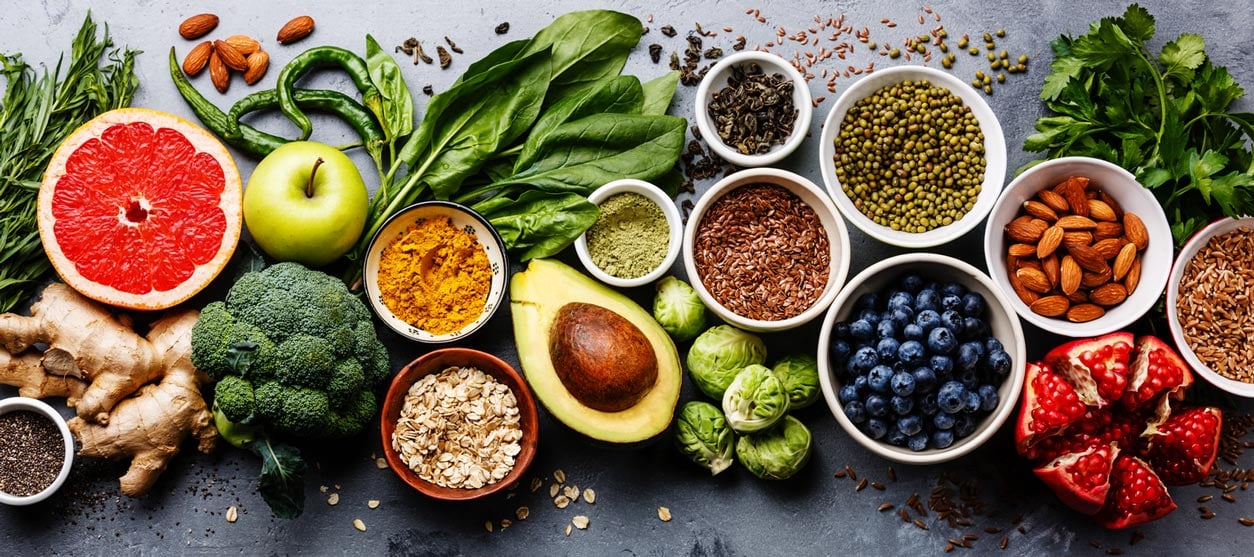
While supplementation can help, it’s generally preferable to get the nutrients you need from the food you eat every day. Making healthy food the foundation of your diet is a crucial mental health strategy, whether or not there’s a global health crisis. Below are some of the best foods you can incorporate into your diet for general brain health and cognition.
Nuts and Seeds
Nuts and seeds are full of B vitamins, omega-3 fatty acids, and minerals like selenium, zinc, copper, manganese, and magnesium that are good for boosting mood, energy production, calming anxiety, and protecting your brain from oxidative damage. Try adding walnuts or ground flaxseed to your oatmeal, sprinkling pumpkin and sunflower seeds onto a salad, mixing chia seeds into smoothies, or spreading some whole grain toast with cashew butter.
Whole Grains
Whole grains can help lower the risk of cardiovascular disease, cancer, type 2 diabetes, respiratory illness, and infectious disease. And there’s also evidence that they can be good for your mood. While most people think of wheat as the primary grain, there are many other gluten-free whole grains to consider, including quinoa, amaranth, oats, millet, teff, and buckwheat. Many of these can be cooked and eaten as breakfast porridge, part of a cold or warm grain salad, used as the bulk of homemade veggie burgers, added to a casserole, or as a side dish to just about anything.
Beans
Beans, such as kidney, black, great northern, navy, and garbanzo (chickpeas), are rich in folate (vitamin B9) and iron, which are important brain nutrients. Add beans to salads, pasta dishes, casseroles, or even on top of pizza.
Leafy Greens
Leafy greens are anti-inflammatory and an abundant source of folate, vitamins A, C, E, and K, as well as iron, calcium, and omega-3 fatty acids. They’re rich in antioxidants, which protect cells from damage, and fiber, which acts as an intestinal “broom” to sweep toxins from the body. Spinach, kale, and Swiss chard are great in salads, steamed or sauteed with minced garlic, or even added to smoothies.
Fermented Foods
Fermented foods, such as sauerkraut, tempeh, kimchi, kefir, miso, and kombucha, are full of probiotics that can improve gut health by altering bacteria which, in turn, may positively impact mental health.
Fruits and Vegetables
Colorful fruits and veggies are some of the tastiest and most versatile foods you can eat. A 2020 study found that people eating a diet rich in fruits and vegetables — at least five servings per day — were more optimistic, more confident in their own abilities, and less prone to depression and other forms of psychological distress than those who ate less produce. While raw produce appears to offer the most benefit, all fruits and veggies offer health benefits. Try to eat a variety of colors, like green, red, blue/purple, white, orange, and yellow produce on a regular basis.
Green Tea
Green tea is rich in compounds that appear to reduce anxiety, improve memory and attention, and boost brain function. Some of these compounds, such as caffeine, L-theanine, and epigallocatechin gallate (EGCG), have been studied for their positive effects on mood.
Dark Chocolate
Dark chocolate contains antioxidant-rich compounds called flavonoids, which may improve cognitive performance. This is especially true when compared to milk chocolate, which has fewer brain benefits due to the ability of milk proteins to inhibit flavonoid absorption.
Many people have reported improved mental health by switching to more of a whole foods, plant-powered diet. They often speak of experiencing fewer anxiety and panic attacks and enjoying more mental energy.
A 2017 study published in BMC Medicine assessed 166 people with depression, many on medication, and found that after 12 weeks of eating a Mediterranean diet (which is mainly plant-based), mental symptoms significantly improved. Furthermore, a 2016 study found that people who closely adhered to a Mediterranean diet were 50% less likely to develop depression than those who strayed from the diet.
Worst Foods for Mental Health
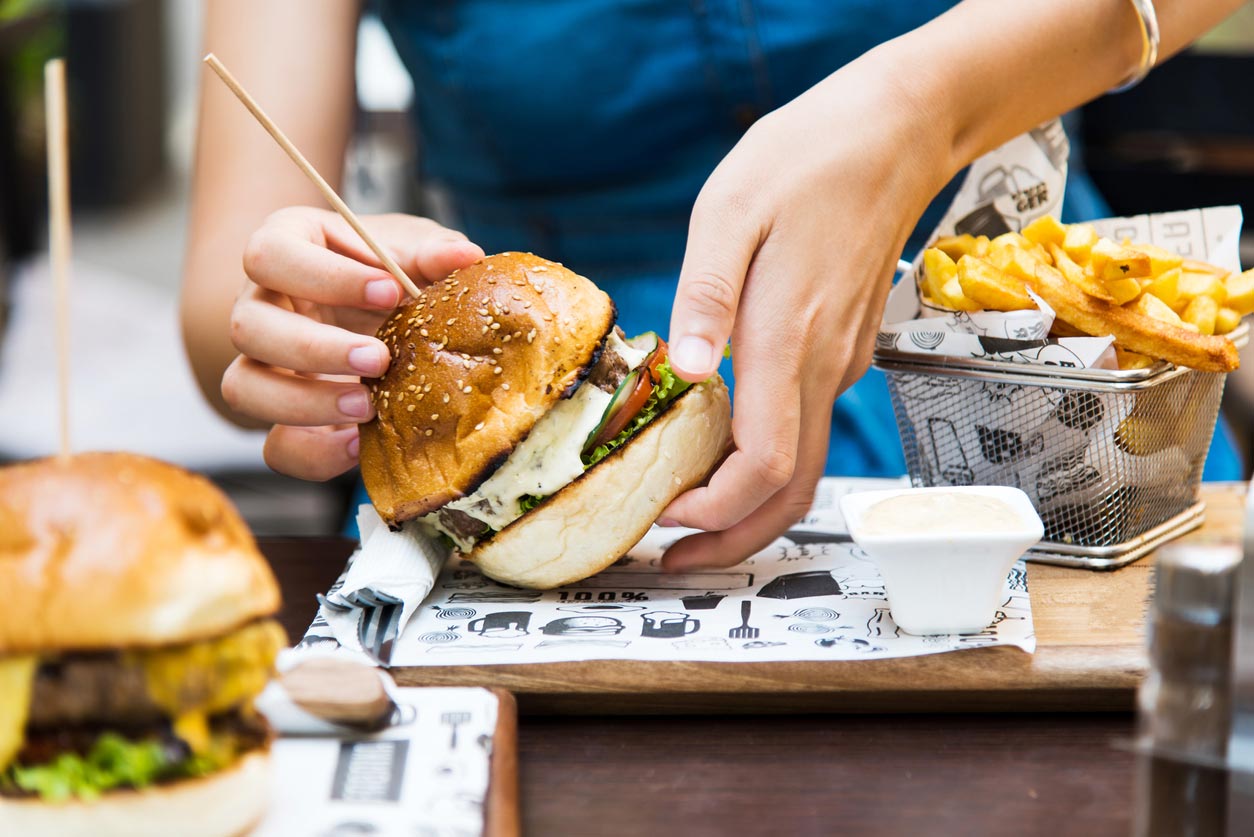
There are also foods that can worsen mental health and should, therefore, be minimized or avoided. Unfortunately, these are the types of foods that make up a substantial portion of the Western diet eaten around much of the world.
Some of the worst foods for mental health include:
- Refined sugar, such as that added to desserts, baked foods, packaged snacks, and sugar-sweetened beverages. Even though sugary foods can make us feel good in the moment, in the long run, they can increase the likelihood of developing depression.
- Alcohol, such as beer, wine, or hard liquor, is a known depressant, meaning that it slows the brain and impairs cognitive function, and alcohol dependence is associated with major depression.
- Simple carbohydrates, like white breads and pastas, donuts, and cookies, are associated with significantly increased risk of depression.
- Gluten, the primary group of proteins in wheat, can contribute to anxiety, depression, and worsened mood disorders, not only in people who have celiac disease, but also in those who are gluten intolerant.
- Fried foods, like French fries or fried chicken, are often found in fast food restaurants. People who eat fast food are 51% more likely to develop depression than those who don’t, according to a 2012 study published in Public Health Nutrition.
Food Insecurity and Mental Illness
I can’t end this article without mentioning that food insecurity — such as that now being experienced by millions of people who have lost their jobs and don’t have access to savings, safety nets, and fresh food — is itself a large contributor to mental health challenges. If you and your family are not experiencing food insecurity, there are several ways you can help those who are.
One is through encouraging and participating in the planting of more household and community gardens. In the early and mid-20th century, 20 million backyard food gardens, or “victory gardens,” were responsible for growing over 40% of all the vegetables eaten in the United States. If you’re interested in creating your own community victory garden, check out some of these resources to help you get started with backyard gardening:
Supporting food banks, church groups, and food distribution programs that share food with the hungry is another great way to get involved in fighting hunger. Feeding America is helping to feed tens of millions of Americans right now. Wholesome Wave is the leading national organization working to increase affordable access to fruits and vegetables for people who struggle with hunger.
Finally, getting familiar with programs that support food access in your community is a great way to help out. You might choose to be involved either as a potential food donor or as a referral source for people who may need these community services. Knowing what safety nets are in place for food security, and investing in making them stronger, can make all of us feel more at peace.
Mental Health Boosting Recipes
Are you ready for some good mood food? Give one – or all – of these Food Revolution Network recipes a try. Your tastebuds – and neurotransmitters – will thank you!
1. Chickpea Pumpkin Seed Burger
This nutrient-packed bean and seed burger checks just about all the boxes when it comes to mental health. Both pumpkin seeds and chickpeas provide a decent amount of selenium, zinc, and protein to help support brain health. Chia seeds are chock-full of fiber as well as omega-3 fatty acids. And oats provide fiber and prebiotics, which help to foster healthy bacteria in the gut — leading to a healthy mind. Not only is this burger superb for mental health, but it also tastes delicious and is perfect for spring barbecues!
2. Green Superhero Dressing
It can be a challenge for many of us to get plenty of greens throughout the day. Well, we have you covered with the hidden spinach in this Green Superhero Dressing that even kids will love! Spinach provides iron, which is a mineral that supports cognition, concentration, and overall mental health. Avocado makes this dressing creamy while providing healthy fats to promote normal function of the brain and nervous system. And miso not only gives this dressing a mouth-watering umami flavor, but it also provides probiotics to foster gut health and amino acids to support brain health. Enjoy this flavorful dressing on salads, pasta, grain bowls, and more!
3. Lemon Miso Grain and Vegetable Bowl
The base of this Lemon Miso Bowl includes whole grains packed with B vitamins, which are essential for mental health. Whole grains also have fiber, and some have prebiotics that help to foster healthy gut bacteria. Add the miso dressing to the bowl, and you have a perfect prebiotic and probiotic combination for a healthy gut! What’s lovely about grains bowls is that you can layer, layer, and layer some more! Add nuts or seeds for a zinc and protein boost and include a rainbow of vegetables for vitamins, minerals, and phytonutrients to support cognition. Make extra dressing and switch up the grains, protein, and vegetables, so you can have a variety of bowls all week long!
The Recipe for Mental Health
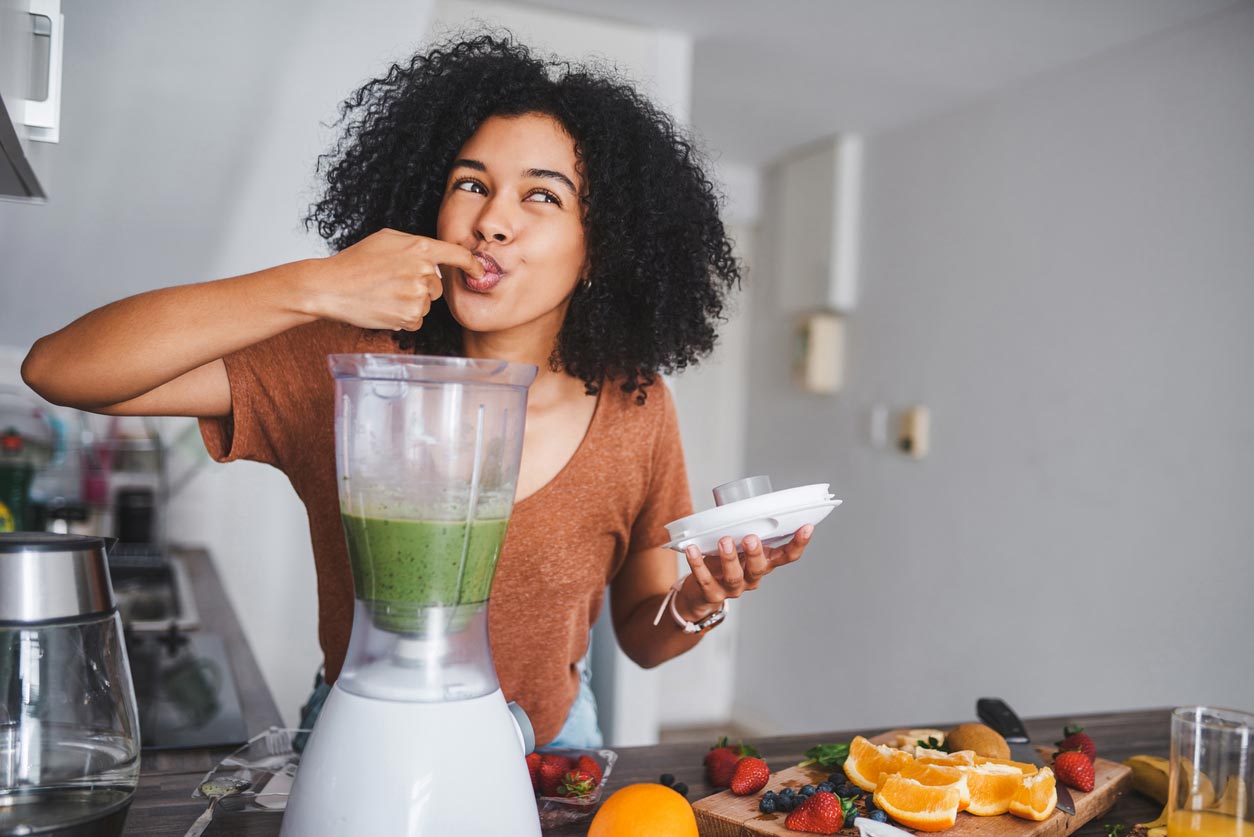
There is a growing body of evidence suggesting there’s a very strong connection between nutrition and mental health. As painful as the COVID-19 pandemic is, one possible “silver lining” that could emerge, at least for some of us, would be healthier food habits that we can sustain long after the pandemic is gone.
Feature image: iStock.com/Andrii Zastrozhnov
Stillness in the Storm Editor: Why did we post this?
Food is an essential part of human life. It provides energetic sustenance while also helping people regulate their emotions through gustatory action, leaning on primordial behavioral patterns active in the first few years of life. The preceding information discusses the importance of healthy food, either by highlighting healthier food choices or by alerting the public to the dangers of toxic food. If one can liberate themselves from primitive relationships with food, while also providing their body with the best nutrients possible, one can enjoy health liberty—the ability to feel safe and secure in the knowledge that your body is well taken care of.
– Justin
Not sure how to make sense of this? Want to learn how to discern like a pro? Read this essential guide to discernment, analysis of claims, and understanding the truth in a world of deception: 4 Key Steps of Discernment – Advanced Truth-Seeking Tools.
Stillness in the Storm Editor’s note: Did you find a spelling error or grammatical mistake? Send an email to [email protected], with the error and suggested correction, along with the headline and url. Do you think this article needs an update? Or do you just have some feedback? Send us an email at [email protected]. Thank you for reading.
Source:
https://foodrevolution.org/blog/nutrition-and-mental-health-connection/
Leave a Reply