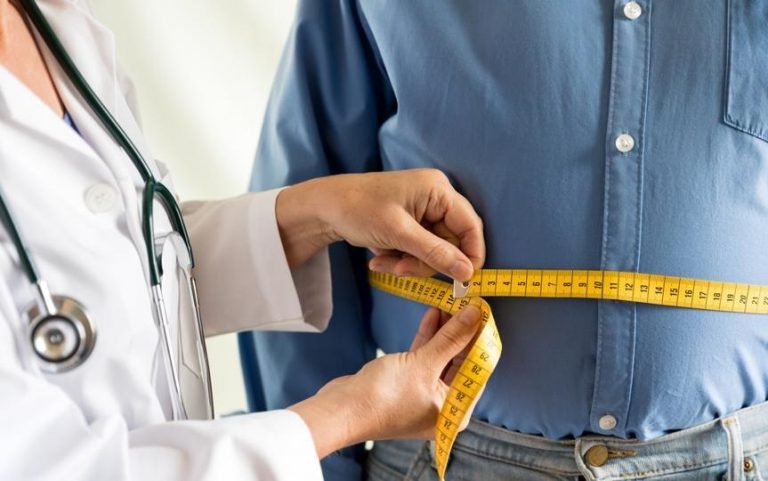
(Dr. Joseph Mercola) A growing body of research shows artificial sweeteners raise your risk of both obesity and Type 2 diabetes — perhaps even to a greater degree than sugar.
Related The Hidden Dangers of Addictive Food Stimulants
by Dr. Joseph Mercola, May 12th, 2018
If you’re still holding out hope that science will eventually prove artificial sweeteners to be beneficial, or at the very least harmless, you’re likely to be disappointed. Again and again, research shows no-calorie sweeteners such as aspartame and sucralose cause the same problems as excess sugar, and then some.
According to the latest statistics1 nearly 40 percent of American adults, over 18 percent of teens and nearly 14 percent of young children are now obese, not just overweight, and processed foods and sweetened beverages are clearly driving factors. Unfortunately, many make the mistake of thinking artificially sweetened products are a healthier option as it cuts down your calories, but nothing could be further from the truth.
The international trend of taxing sugary beverages to discourage sugar consumption has also had the unfortunate side effect of causing beverage makers to switch to artificial sweeteners rather than sugar and other calorie-rich sweeteners. However, when it comes to health, artificial sweeteners cause just as many health problems as sugar does.
Buy Book Sweet Poison: How the World’s Most Popular Artificial Sweetener Is Killing Us My Story

Artificial Sweeteners Again Linked to Obesity and Diabetes
Over the years, an ever-growing number of studies have shown artificial sweeteners raise your risk of both obesity and Type 2 diabetes — perhaps even to a greater degree than sugar does. Most recently, animal research2,3 presented at the annual Experimental Biology conference in San Diego again confirmed that artificial sweeteners raise your risk of obesity and diabetes.
The study, which explored how different sweeteners affect the way food is used and stored in the body, and how they affect vascular functioning, found both sugar and artificial sweeteners result in impairments, albeit through different pathways. As noted by the authors:
“This study tested the response of the vascular endothelium in vitro and the in vivo response of a diabetes susceptible … rat model to glucose, aspartame, and acesulfame potassium supplementation … Through this set of experiments we have identified unique signatures of alterations in lipid metabolism, among others, following artificial sweetener consumption.
Overall, results of this study suggests that exposure to high glucose and artificial sweetener administration lead to unique mechanisms of vascular impairment and homeostatic alterations that may be important during the onset and progression of diabetes and obesity.”
Sugar Versus Artificial Sweeteners — Different Mechanisms of Action, Similar Results
After being fed a diet high in either artificial sweeteners (aspartame or acesulfame potassium) or sugars (glucose or fructose) for three weeks, detrimental effects were seen in all groups. All had increased blood lipids (fats), but the artificial sweeteners also accumulated in the blood of the animals, which harmed the blood vessel lining to a greater degree. Of the two artificial sweeteners, acesulfame potassium appeared to be the worst.
The results of the study — which used unbiased high-throughput metabolomics, a technique that allows you to investigate how something affects cellular metabolism — indicate that artificial sweeteners alter how your body processes fat and produces energy at the cellular level. So, while operating on completely different chemical pathways, they produce the same kinds of health consequences as sugar.
As noted by lead author Brian Hoffmann, Ph.D., assistant professor in the department of biomedical engineering at the Marquette University and Medical College of Wisconsin,4 “In moderation, your body has the machinery to handle sugar; it is when the system is overloaded over a long period of time that this machinery breaks down.”
Buy Book The Gerson Therapy: The Proven Nutritional Program for Cancer and Other Illnesses

Artificial sweeteners, on the other hand, wear the machinery down. “Sweeteners kind of trick the body. And then when your body’s not getting the energy it needs — because it does need some sugar to function properly — it potentially finds that source elsewhere,” he says.5
One alternative sugar source is muscle, and indeed, evidence of protein break down was found in the animals’ blood. Essentially, the rats were burning muscle as a source of energy when given artificial sweeteners. Hoffman also notes that this research is different from previous attempts to conclusively tie artificial sweeteners to health problems:
“Most of these sweeteners were approved well before we had the technology to perform studies like my lab is doing. So they weren’t able to look as in-depth at some of the potential effects being caused. By knowing what biochemical changes these are causing through these large-scale studies, we can take an unbiased approach and see what’s changing to give us a better direction.
What I like to tell people is that most things in moderation are going to be fine … It’s when people start to chronically consume these [drinks] — say, a person drinks two, three, four… every day — that we should start to be concerned. Because you’re starting to introduce these biochemical changes and the body has no time to recover.”
Artificial Sweeteners Trick Your Body Into Storing Fat
Contrary to industry claims, research over the last 30 years have shown that artificial sweeteners stimulate appetite, increase cravings for carbs, and produce a variety of metabolic dysfunctions that promote fat storage and weight gain, often to the researchers’ great surprise. Below is a sampling of some of the studies published through the years.
|
Preventive Medicine 1986 6 This study examined nearly 78,700 women aged 50 to 69 for one year. Artificial sweetener usage increased with relative weight, and users were significantly more likely to gain weight compared to those who did not use artificial sweeteners, regardless of their initial weight. According to the researchers, the results “were not explicable by differences in food consumption patterns. The data do not support the hypothesis that long-term artificial sweetener use either helps weight loss or prevents weight gain.” |
|
Physiology and Behavior, 1988 7 In this study, they determined that no- or low-calorie sweeteners can produce significant changes in appetite. Of the three sweeteners tested, aspartame produced the most pronounced effects. |
|
Physiology and Behavior 1990 8 Here, they found that aspartame had a time-dependent effect on appetite, “producing a transient decrease followed by a sustained increase in hunger ratings.” |
|
Journal of the American Dietetic Association 1991 9 In a study of artificial sweeteners performed on college students, there was no evidence that artificial sweetener use was associated with a decrease in their overall sugar intake either. |
|
International Journal of Food Sciences and Nutrition 2003 10 This study, which looked at 3,111 children, found that diet soda, specifically, was associated with higher body mass index (BMI). |
|
International Journal of Obesity and Metabolic Disorders 2004 11 This Purdue University study found that rats fed artificially sweetened liquids ate more high-calorie food than rats fed high-caloric sweetened liquids. The researchers believe the experience of drinking artificially sweetened liquids disrupted the animals’ natural ability to compensate for the calories in the food. |
|
San Antonio Heart Study 2005 12 Data gathered from the San Antonio Heart Study, which went on for 25 years, showed drinking diet soft drinks increased the likelihood of serious weight gain far more so than regular soda.13 On average, for each diet soft drink the participants drank per day, they were 65 percent more likely to become overweight during the next seven to eight years, and 41 percent more likely to become obese. |
|
Journal of the American College of Nutrition 2005 14 In this two-year-long study, which involved 166 school children, increased diet soda consumption was associated with higher BMI at the end of the trial. |
|
The Journal of Pediatrics 2006 15 The National Heart, Lung, and Blood Institute Growth and Health Study followed 2,371 girls aged 9 to 19 for 10 years. Soda consumption in general, both regular and diet, was associated with increase in total daily energy intake. |
|
Yale Journal of Biology and Medicine 2010 16 This review offers a summary of epidemiological and experimental evidence concerning the effects of artificial sweeteners on weight, and explains those effects in light of the neurobiology of food reward. More than 11,650 children aged 9 to 14 were included in this study. Each daily serving of diet beverage was associated with a BMI increase of 0.16 kg/m2. It also shows the correlation between increased usage of artificial sweeteners in food and drinks, and the corresponding rise in obesity.  According to the authors:
|
|
Appetite 2012 17 Here, researchers showed that saccharin and aspartame cause greater weight gain than sugar, even when the total caloric intake remains similar. |
|
Trends in Endocrinology & Metabolism 2013 18 This report highlights the fact that diet soda drinkers suffer the same exact health problems as those who opt for regular soda, such as excessive weight gain, Type 2 diabetes, cardiovascular disease and stroke.19,20 The researchers speculate that frequent consumption of artificial sweeteners may induce metabolic derangements. |
|
The Journal of Physiology 2013 21,22 This study demonstrated that your body is not fooled by sweet taste without accompanying calories, which is yet another reason why artificial sweeteners promote obesity. When you eat something sweet, your brain releases dopamine, which activates your brain’s reward center. The appetite-regulating hormone leptin is also released, which eventually informs your brain that you are “full” once a certain amount of calories have been ingested. When you consume something that tastes sweet but doesn’t contain any calories, your brain’s pleasure pathway still gets activated by the sweet taste, but there’s nothing to deactivate it, since the calories never arrive. Artificial sweeteners basically trick your body into thinking that it’s going to receive calories, but when the calories fail to arrive, your body continues to signal that it needs more, which results in carb cravings. |
|
Nature 2014 23 This important study was able to clearly show causality, revealing there’s a direct cause and effect relationship between consuming artificial sweeteners and developing elevated blood sugar levels. People who consumed high amounts of artificial sweeteners were found to have higher levels of HbA1C — a long-term measure of blood sugar — compared to nonusers or occasional users of artificial sweeteners. Seven volunteers who did not use artificial sweeteners were then recruited, and asked to consume the equivalent of 10 to 12 single-dose packets of artificial sweeteners daily for one week. Four of the seven people developed “significant disturbances in their blood glucose,” according to the researchers. Some became prediabetic within just a few days. The reason for this dramatic shift was traced back to alterations in gut bacteria. Some bacteria were killed off, while others started proliferating. |
|
PLOS One 2014 24 This study, which was done on rats, using aspartame, also found an increased risk of glucose intolerance. Animals that consumed artificial sweeteners ended up with raised levels of propionate — short-chain fatty acids involved in sugar production. Consumption of artificial sweeteners shifted gut microbiota to produce propionate, which generated higher blood sugar levels. |
Other Ways Artificial Sweeteners Harm Your Health
Artificial sweeteners have also been linked to a number of other adverse effects. For example, the amino acids in aspartame attack your cells, even crossing the blood-brain barrier to attack your brain cells, creating toxic cellular overstimulation (excitotoxicity), and sucralose (sold under the brand name Splenda) has been linked to:
- Decreased red blood cells, a sign of anemia, at levels above 1,500 milligrams per kilo per day
- Increased male infertility by interfering with sperm production and vitality, as well as brain lesions at higher doses
- Kidney enlargement and calcification
- Significantly increased risk for miscarriage (in rabbits, spontaneous abortions affected nearly half the rabbit population given sucralose, compared to zero aborted pregnancies in the control group)
- Significantly increased death rate (a 23 percent death rate in rabbits, compared to a 6 percent in the control group)
Artificial Sweeteners Destroy Your Gut Microbiome, and Much More
An in-depth scientific review25 of sucralose published in the Journal of Toxicology and Environmental Health also reveals an extensive list of safety concerns, including toxicity, DNA damage and heightened carcinogenic potential when used in cooking. It turns out that when heated, sucralose releases chloropropanols, which belong to a class of toxins known as dioxins, known to cause cancer and endocrine disruption.
Importantly, this review also concluded that sucralose destroys gut bacteria. In fact, animal research26 published in 2008 found it could kill as much as 50 percent of your microbiome, and appeared to targeted beneficial microorganisms to a greater extent than pathogenic and more detrimental bacteria. This is really important, as any time you destroy healthy intestinal bacteria you open yourself up to unfriendly microorganisms that can cause health problems.
Studies have also found that sucralose alters glucose, insulin and glucagon-like peptide-1 levels and responses,27 thereby raising your risk for diabetes. Besides worsening insulin sensitivity and promoting weight gain, aspartame and other artificial sweeteners also promote other health problems associated with excessive sugar consumption, including:
- Cardiovascular disease and stroke.28,29,30
- Alzheimer’s disease. While poor diet is a major driver of Alzheimer’s in general, the key mechanism of harm here appears to be methanol toxicity, a problem associated with aspartame in particular. In a previous interview, toxicology expert Dr. Woodrow Monte (author of the book “While Science Sleeps: A Sweetener Kills”31) explains the links between aspartame and methanol toxicity and the formation of toxic formaldehyde.
Surprising Reason Processed Foods Promote Drug-Resistant Disease
In related news, researchers have also found an intriguing link between processed foods and drug-resistant disease. Here, a sugar called trehalose is a preferred fuel for two of the most problematic strains of clostridium difficile (C. diff), microbes that cause severe gut infection and can lead to death. Deaths associated with this infection increased fivefold between 1999 and 2007, in part due to C. diff strains having developed resistance against antibiotics.
Moreover, researchers found that more virulent strains of C. diff were outcompeting less harmful strains inside the human gut. To determine how and why, they tested more than 200 different sugars and amino acids to see whether these more virulent strains were somehow able to use some food sources more efficiently than others — and this is precisely what they found.32 As reported by The New York Times:33
“Trehalose occurs naturally in mushrooms, yeasts and shellfish, among other things. It has historically been expensive to use, but in the late 1990s a new manufacturing process made the sugar cheap. That was good news for companies that manufactured prepackaged foods, because trehalose works great for stabilizing processed foods, keeping them moist on the shelf and improving texture.
Since about 2001, we’ve added loads of it to everything from cookies to ground beef. What Dr. [Robert] Britton and his colleagues contend is that, in doing so, we’ve inadvertently cultivated the most toxic C. diff strains, driving what has become a scourge of hospitals. As evidence, he points to the timing of recent C. diff epidemics. The virulent strains existed before 2000, but they didn’t cause as many outbreaks.
Only after large quantities of trehalose entered the food supply did they become this deadly … Britton also found that mice infected with those virulent strains of C. diff that consumed the sugar fared worse than infected mice that were not fed the sugar … ‘What this research shows is that people should be considering the ecological impacts of food stuffs,’ Britton [says]. ‘Our gut bacteria are being bombarded with things that we never ate — or never ate in the concentrations we eat now.’”
For Optimal Health, Drink More Clean Water
I firmly believe ditching soda and other sweetened beverages is one of the most important steps you can take to improve your weight and health, and this includes artificially sweetened beverages as well, which may in fact be worse for your health than regular soda.
As you can see, the scientific evidence shows artificial sweeteners can stimulate your appetite, increase carb cravings, stimulate fat storage and promote weight gain just like regular soda. As noted above, diet soda is associated with a 50 percent increased risk of obesity while regular soda (at a rate of one can per day) is associated with a 60 percent increased risk.
In addition to that, aspartame is associated with a long list of other harmful effects, ranging from brain damage to pre-term delivery, while sucralose has been found to be particularly damaging to your intestines.34,35 Unfortunately, many are still in the dark about these health risks. Sugar also promotes unhealthy bacterial growth, and many are already deficient in healthy bacteria due to consuming too many highly-processed foods.
This is why I recommend eating fermented vegetables every day, or at the very least taking a high-quality probiotic. Remember, pure water is a zero-calorie drink. You cannot find a beverage that contains fewer calories. If you want some flavor, just squeeze a little bit of fresh lemon or lime into mineral water. In instances where your cooking, baking or beverage needs a little sweetener, be mindful of your choice. For more information, see “Sugar Substitutes — What’s Safe and What’s Not.”
- 1 JAMA March 23, 2018 doi:10.1001/jama.2018.3060
- 2 Experimental Biology Conference Publication # A322 603.20
- 3 US News April 23, 2018
- 4 Medical News Today April 23, 2018
- 5 Gizmodo April 22, 2018
- 6 Preventive Medicine 1986 Mar;15(2):195-202
- 7 Physiology & Behavior 1988; 43(5): 547-552
- 8 Physiology & Behavior March 1990; 47(3):555-9
- 9 J Am Diet Assoc. 1991 Jun;91(6):686-90
- 10 Int J Food Sci Nutr. 2003 Jul; 54(4):297-307
- 11 Int J Obes Relat Metab Disord. 2004 Jul;28(7):933-5
- 12 San Antonio Heart Study June 14, 2005
- 13 UT Health Center San Antonio Press Release, “New analysis suggests ‘diet soda paradox’ – less sugar, more weight”, June 14, 2005 · Volume: XXXVIII · I
- 14 J Am Coll Nutr. 2005 Apr; 24(2):93-8.
- 15 J Pediatr. 2006 Feb; 148(2):183-7
- 16 Yale Journal of Biology and Medicine 2010 June; 83(2): 101–108
- 17 Appetite January 1, 2012, Volume 60, Pages 203-207
- 18, 28 Trends in Endocrinology & Metabolism 2013 Sep;24(9):431-41
- 19, 29 CNN.com July 10, 2013
- 20, 30 Drugs.com July 10, 2013
- 21 The Journal of Physiology 2013 Nov 15;591(22):5727-44
- 22 Scientific American September 5, 2013
- 23 Nature October 2014; 514: 181-186
- 24 PLOS One October 14, 2014
- 25 Journal of Toxicology and Environmental Health, Part B: Critical Reviews, 16:7, 399-451
- 26 J Toxicol Environ Health A. 2008;71(21):1415-29
- 27 Diabetes Care. 2013 Sep;36(9):2530-5.
- 31 Whilesciencesleeps.com
- 32 Nature January 18, 2018; 553: 291-294
- 33 New York Times April 6, 2018
- 34 Journal of Toxicology and Environmental Health 2008;71(21):1415-29
- 35 GlobeNewsWire.com September 22, 2008
Recommended articles by Dr. Joseph Mercola:
- Aspartame: The Bitter Truth Behind This Toxic Sweetener
- Why Depression is NOT Caused by a Chemical Imbalance
- Can a Hug a Day Keep Infection Away?
- The Harmful Effects of Electromagnetic Fields Explained
- The Magic Healing Power of Mushrooms
- How Eating Real Food Combats Depression
- Ghost in the Machine: How Big Pharma Controls Our Perception of Drug Safety and Effectiveness
- 13 Mind-Body Techniques That Can Help Ease Pain and Depression
- Maternal Fluoride Exposure During Pregnancy Correlates to Lower IQ in Their Children
- Vitamin D Deficiency Linked to Dementia and Alzheimer’s Disease
- Baking Soda — An Inexpensive Treatment for Autoimmune Diseases Like Arthritis
About The Author
Born and raised in the inner city of Chicago, IL, Dr. Joseph Mercola is an osteopathic physician trained in both traditional and natural medicine. Board-certified in family medicine, Dr. Mercola served as the chairman of the family medicine department at St. Alexius Medical Center for five years, and in 2012 was granted fellowship status by the American College of Nutrition (ACN).
While in practice in the late 80s, Dr. Mercola realized the drugs he was prescribing to chronically ill patients were not working. By the early 90s, he began exploring the world of natural medicine, and soon changed the way he practiced medicine.
In 1997 Dr. Mercola founded Mercola.com, which is now routinely among the top 10 health sites on the internet. His passion is to transform the traditional medical paradigm in the United States. “The existing medical establishment is responsible for killing and permanently injuring millions of Americans… You want practical health solutions without the hype, and that’s what I offer.”
Visit Mercola.com for more information, or read Dr. Mercola’s full bio and resumé here.
Stillness in the Storm Editor’s note: Did you find a spelling error or grammar mistake? Send an email to [email protected], with the error and suggested correction, along with the headline and url. Do you think this article needs an update? Or do you just have some feedback? Send us an email at [email protected]. Thank you for reading.
Source:
https://wakeup-world.com/2018/05/12/confirmed-artificial-sweeteners-make-you-fat-and-sick/
My wife was a diabetes patient since 2010 she was using insulin humulin N and R with doses of 10 and 8 respectively in the mornings after meals. Her eyes was weak she feels pain in her legs and feet she was becoming and weaker and weaker. On the advice of the Doctor she started insulin but no fruitful results was achieved,if not for Total Cure Herbal Foundation i dont know what could ave happened,visit their website or email https://totalcureherbalfou5.w ixsite.com/herbal/contact
Totalcureherbalfoundation gmailcom this is the right herbal formula for diabetes