(Ocean Robbins) One day in the spring of 1831, 74 members of the British army’s 60th Rifle Corps began marching across a bridge spanning the Irwell River, near Manchester. Their commander was Lieutenant Percy Slingsby Fitzgerald, which I mention only because his name is so perfectly suited to the story that it seems like it was made up by a bad Victorian novelist.
Related Cut Down On Processed Food Intake With These Simple Steps
Source – Food Revolution Network
by Ocean Robbins, October 15th, 2021
Well-trained and disciplined, the soldiers progressed in synchronized lock-step: left, right, left, right. The bridge began to sway and bounce, which was apparently a pleasant experience, as eyewitnesses later reported that the men had begun whistling in time with the bridge’s oscillations. The whistling ceased abruptly when, about a minute later, the bridge collapsed, unceremoniously dumping the soldiers in the water.
The river was fortunately not deep enough to drown anyone, although 20 were injured, some with broken arms and legs. And Lieutenant Percy Slingsby Fitzgerald did not go down in history as a great military leader.
You wouldn’t think that such a small number of people could destroy what was, at the time, the very apex of bridge-building technology: the super-strong “suspension” bridge. But there was no arguing with what happened. So from that day on, armies around the world have trained their foot soldiers to “break step” when they reach a bridge.
We now know why the bridge collapsed. It wasn’t just the number of soldiers, but the fact that they acted in perfect synchrony that started the wobble that turned into a destructive feedback loop. In this case, the union of all those lefts and rights working together produced a force far greater than simply summing their individual forces.
A Phytonutrient to Remember
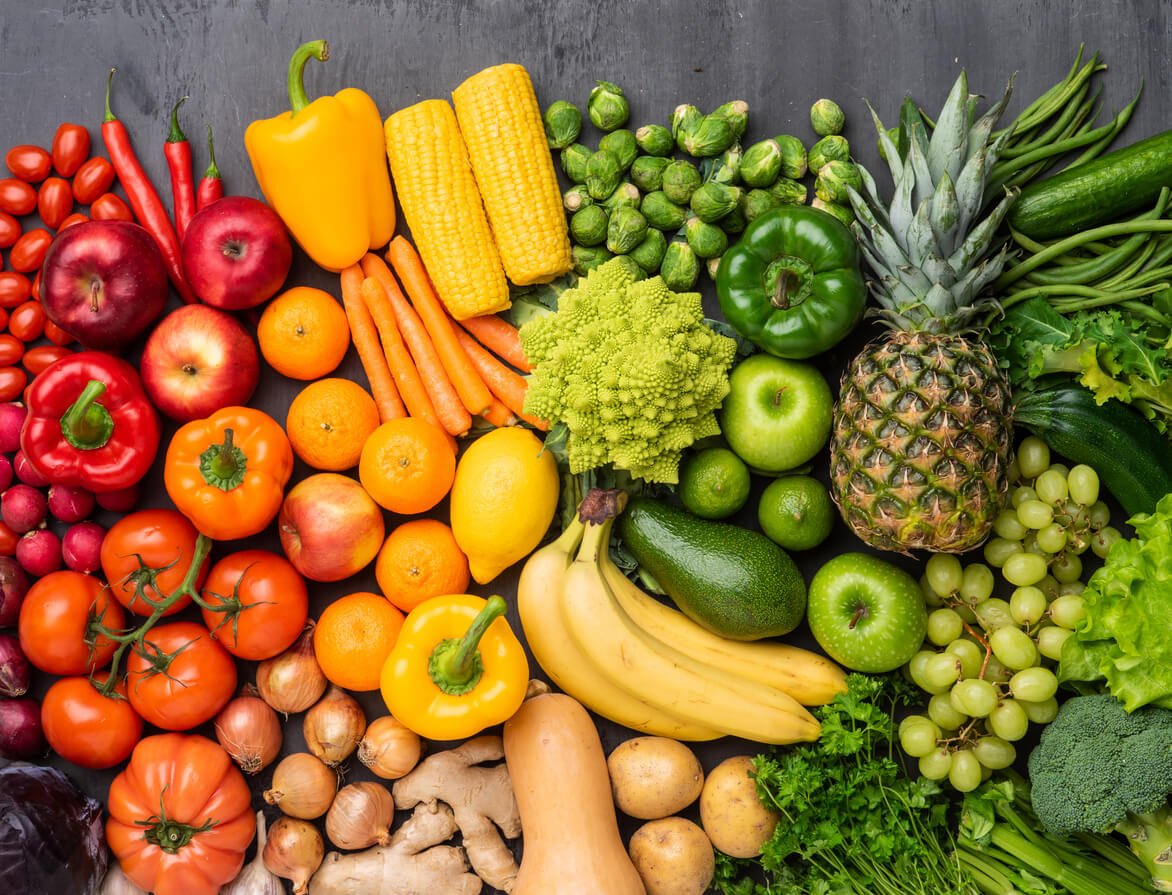
And that’s how it is with whole plant-based foods. We can try to identify and measure all the vitamins, minerals, and phytonutrients in a grape, or an apple, or a head of broccoli, but the full health effects of whole foods somehow far exceed what chemical assays predict. Something about all those nutrients working in harmony, like those 74 men, produce effects much greater when consumed in whole foods compared to simply synthesizing them into a pill.
And there’s no better nutritional example of this than one of the most powerful, ubiquitous, and important classes of phytonutrients: the flavonoid family.
“Flavonoid” may sound like a robotic chef (“Flavonoid, prepare vegetable soup, and please stop stepping on Roomba”), but it actually refers to certain nutrients in the polyphenol category. Flavonoids confer numerous health benefits — as we’ll see, they appear to be protective for everything from your cognition to your bones. If you enjoy eating a diet that includes a colorful array of plant foods, you’re in luck! You’ll find flavonoids in some of the healthiest (and most colorful) foods on the planet.
But what exactly are they, where can you find them, and how can they benefit you? Also, since they’re so good for you, does it make sense to take flavonoid supplements to ensure you’re getting enough?
What Are Flavonoids?
Flavonoids are a type of phytonutrient, a term used to describe plant chemicals that offer health benefits to the animals (including us) who eat them. They are members of the polyphenol category, which are bioactive compounds that, among other things, protect against oxidative stress and reduce inflammation.
They were discovered in 1938 by Hungarian scientist Albert Szent-Gyorgyi, who tried to jump on the alphabet nomenclature train by calling them “Vitamin P.” (He’d had a good run already, having won the 1937 Nobel Prize in chemistry for his work isolating vitamin C.)
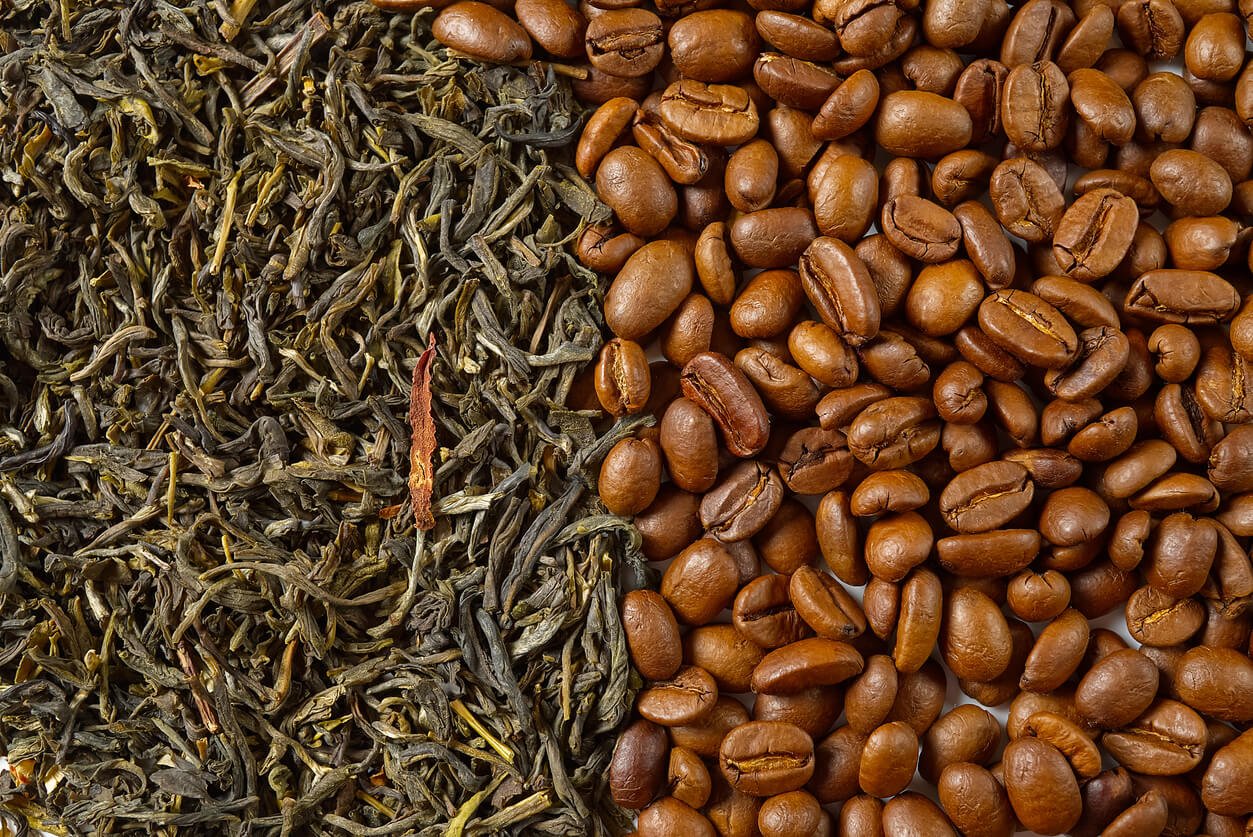
Flavonoids represent one of the most prevalent classes of compounds in fruits, vegetables, and plant-derived beverages like coffee and tea. While we generally only hear about a handful of them in articles or health-focused marketing for products that contain them, scientists have so far identified more than 6,000 flavonoids. Many of them are responsible for the attractive colors of flowers, fruits, and leaves.
While flavonoids are definitely a gift from the plant world to us, plants don’t produce them just to be nice to us. Their primary purpose is to offer plants innate protection against UV radiation that can damage them, pathogens that can make them sick, and herbivores that would otherwise eat them.
Types of Flavonoids & Where to Find Them
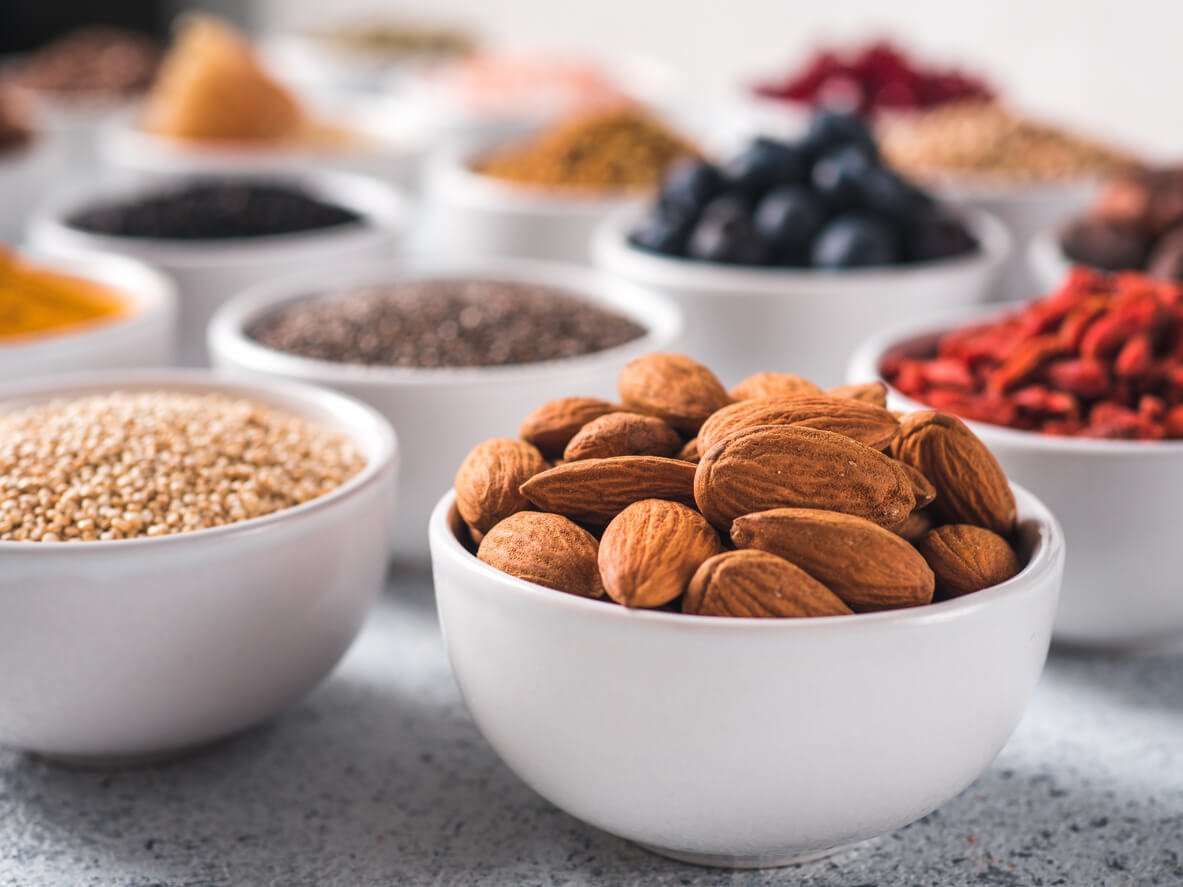
The main sources of flavonoids are a variety of plant-based foods, especially brightly colored fruits and vegetables. They’re also in herbs, spices, teas, chocolate, red wine, beans, whole grains, and nuts and seeds. If you eat a predominantly whole foods, plant-based diet, you’re pretty much guaranteed to be getting flavonoids on a regular basis.
Flavonoids fall into 12 major subclasses based on chemical structures, six of which are of dietary significance.
The six main types of flavonoids that you might find in your diet include:
1. Flavones
These flavonoids, which kind of sound like the name of a group of Motown backup singers, are widely present in the leaves, flowers, and fruits of plants as glucosides, a glucose derivative only found in plants. Examples of flavones include luteolin, apigenin, and tangeritin.
Among the major sources of flavones are celery, parsley, red peppers, chamomile, and mint, as well as the peels of citrus fruits, which contain tangeretin, nobiletin, and sinensetin (which are great words to know if you ever find yourself in a high stakes Scrabble game).
2. Flavonols
This is the largest and most studied subgroup of flavonoids in fruits and vegetables and includes compounds like kaempferol, quercetin, myricetin, and fisetin. Some of the richest sources of flavonols are kale, lettuce, tomatoes, apples, grapes, and berries. Additionally, alliums like onions, garlic, and scallions contain high amounts of quercetin. Tea and red wine (made, of course, from grapes) are also good sources.
3. Flavonones
These are found in all citrus fruits, like oranges, lemons, and grapefruits, as well as in their juices. Some of the most well-known examples of flavonones include hesperidin, naringenin, and eriodictyol.
4. Flavanols
Not to be confused with flavonols (couldn’t they have changed the name by more than one vowel?), flavanols include catechins and theaflavins. These are found abundantly in bananas, apples, blueberries, peaches, and pears. Catechins, in particular, are found in teas (particularly white, green, and oolong), cocoa-based products, grapes, berries, and apples — while theaflavins are primarily found in black teas.
5. Isoflavones
These are found in just a few types of plants, but exist in some microbes as well. Examples of isoflavones include daidzein, genistein, glycitein, biochanin A, and formononetin. They’re found in high amounts in legumes, especially soybeans.
6. Anthocyanidins
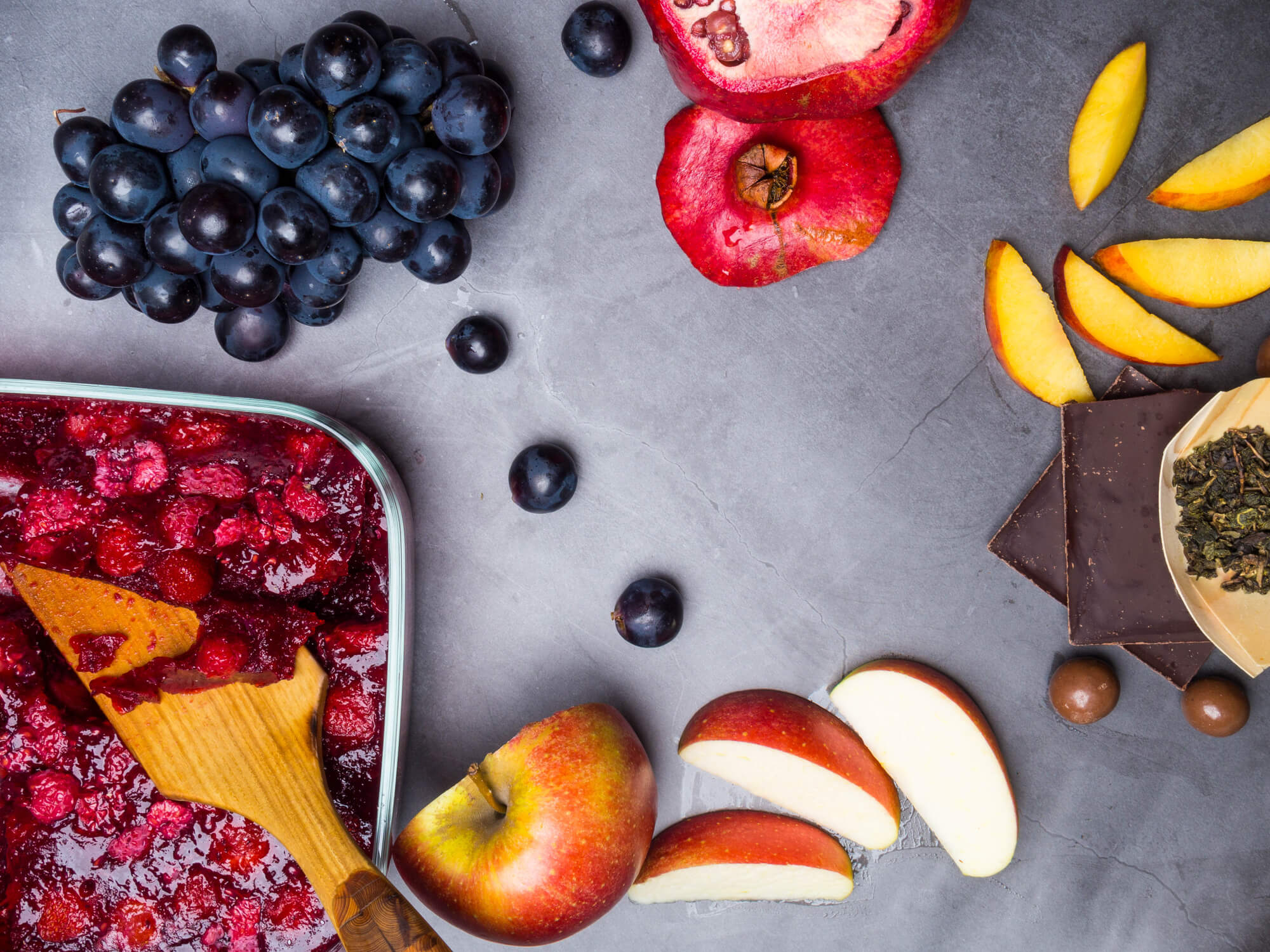
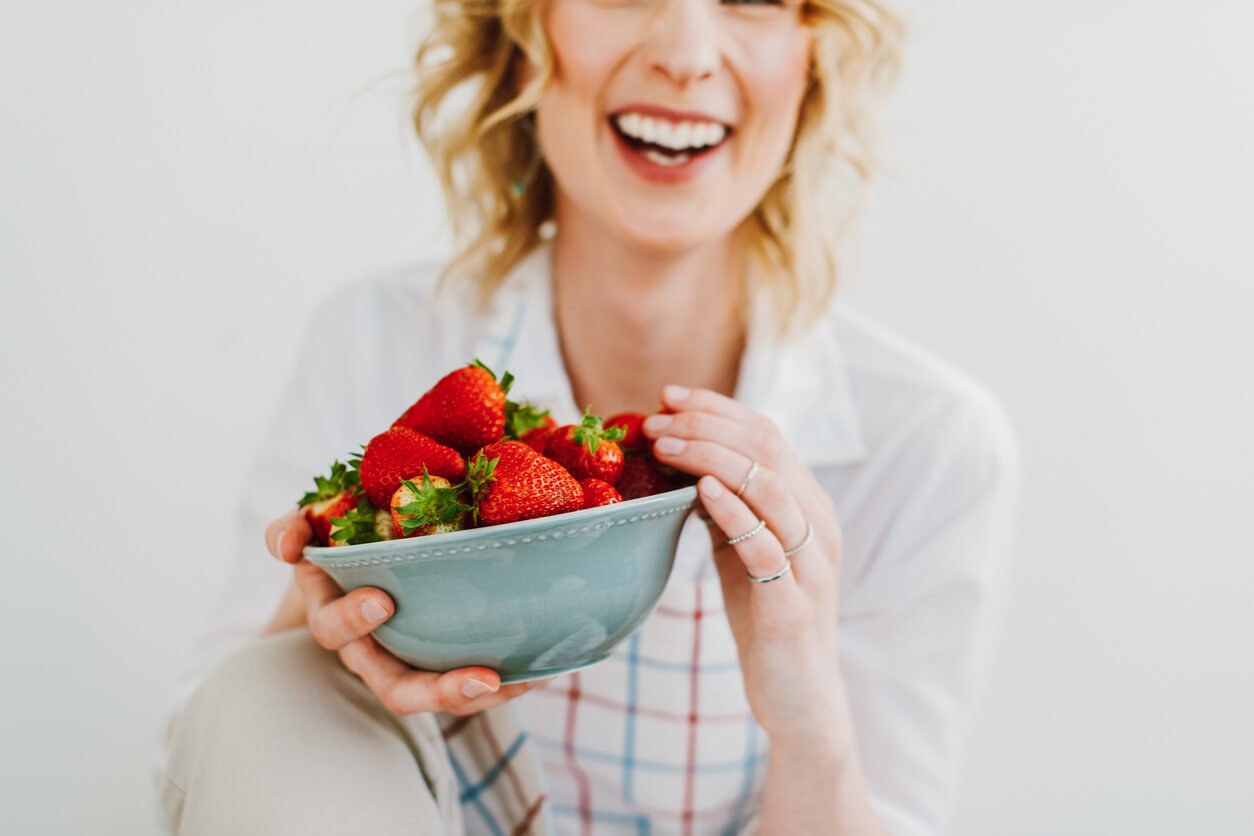
These are pigments responsible for colors in plants, flowers, and fruits — particularly ones that are red, blue, pink, and purple. The most common types of anthocyanidins include cyanidin, delphinidin, malvidin, pelargonidin, and peonidin (that’s a lot of dins — it must be pretty loud around those plants). You’re most likely to consume anthocyanidins (and anthocyanins, for that matter) in fruits like cranberries, black currants, grapes, raspberries, strawberries, blueberries, bilberries, and blackberries.
6 Health Benefits of Flavonoids
The wellness blogosphere resounds with chatter about how you should eat more flavonoids, but why exactly? Here are some of the most thoroughly researched benefits of including them in your diet.
1. They offer anti-inflammatory properties.
Flavonoids are champion inflammation-fighters. Inflammation is problematic because it’s an underlying factor in the development and worsening of many chronic diseases, including cardiovascular disease, cancer, type 2 diabetes, kidney and liver problems, and autoimmune and neurodegenerative disorders. In other words, inflammation is at the root of most of the things that kill us.
Some research suggests that flavonoids may be especially helpful in bringing down the inflammation that accompanies obesity, as they play an essential role in protecting against oxidative damage. Inflammation seen in obese individuals is often described as “meta-inflammation,” meaning an overall, systemic inflammation stemming from dysfunctioning fat tissue and excess nutrient intake that can be damaging to the overall health of the body.
Furthermore, flavonoids may help support normal autophagy, a process by which the body destroys and reabsorbs damaged, unhealthy cells that can make inflammation worse. Autophagy, which comes from the Greek words for “eats self,” — creates room for new, healthy cells to grow and thrive. Some research suggests that the flavonoid apigenin — found in large concentrations in parsley, celery, and chamomile — may have potential as a natural alternative therapy for chronic inflammatory conditions like cancer, type 2 diabetes, cardiovascular disease, and neurological disorders.
2. They may help protect your heart health.
Cardiovascular disease (CVD) is the leading cause of death worldwide (in humans, that is; muskrats, mosquitos, and marmosets probably have other things to worry about). Fortunately, flavonoids can aid in the prevention of CVD, thanks to their antioxidant and plaque-preventing characteristics. They may help lower unhealthy levels of blood fats, and prevent the oxidation of LDL “bad” cholesterol as well as the formation of dangerous blood clots.
In fact, one study suggests that consuming 100 mg per day of flavonoids may reduce the risk of coronary heart disease by nearly 10%. That’s an easy amount to get; for reference, one cup of blueberries delivers around 165 mg of flavonoids.
One flavonoid that appears to offer the most heart-protective activity is luteolin. Luteolin may help block oxidative stress that otherwise damages the heart, as well as help prevent the buildup of plaque in arteries that can lead to a heart attack or stroke.
You can find abundant luteolin in foods like broccoli, chamomile, peppermint, green peppers, parsley, dandelion, thyme, carrots, olive oil, celery, oregano, rosemary, and oranges.
3. They’re good for your brain.
Flavonoids may also positively affect the health of your brain. They appear to directly interact with what’s called the glyoxalase pathway, a cellular pathway with especially important functions in your brain. When it is impaired, it can severely threaten brain health, even triggering the progression of neurodegenerative diseases like Parkinson’s and Alzheimer’s, and speeding up the cognitive effects of aging.
How do flavonoids help your brain? Researchers say they help protect neurons from toxins, reduce brain inflammation, and even improve learning, memory, and cognitive function. They may also have neuroprotective benefits that may be specific to the seizure disorder epilepsy, which affects around one percent of the general population. Some studies have observed that flavonoids like rutin, quercetin, luteolin, and hesperidin bind the GABA receptors in the brain and subsequently offer anticonvulsant effects.
Improving Cognitive Function
In a 2020 study published in the journal Nature, researchers found that flavanols improved brain function and improved oxygenation levels in the brain in response to a stressful event. The study was kind of cool, so I’ll describe it in some detail.
Participants drank a cocoa-containing beverage, then breathed air with a carbon dioxide concentration 100 times higher than found in regular air, which reduced oxygen availability in their brain and body. Then, they completed a bunch of cognitive tests of increasing difficulty — all variants of the “Stroop test” in which you see a word like “red” typed in blue ink and have to name the color of the word rather than read it. It’s hard — you can test yourself here. And then imagine how hard it would be with a loopy, oxygen-deprived brain.
But remember that cocoa drink? On one occasion, it was quite low in flavanols — a negligible amount, really. On a second occasion, it was chock-full of flavanols. And the study was double-blinded, so neither the participants nor the researchers knew the concentration of each brew. It turned out that those who drank the high-flavanol beverage completed the Stroop tests at higher speed and accuracy.
Overall, the study confirmed that flavanols found in foods like cocoa help to protect against vascular diseases, likely by improving nitric oxide signaling and supporting endothelial health.
4. They may offer anticancer benefits.
Flavonoids may help work against cancers in a few ways. First, they have strong antioxidant capabilities, helping protect your cells from oxidative damage that can lead to cancerous mutations. They also play a role in inducing cancer cell death and suppressing the spread and invasiveness of unhealthy cells. In other words, while they act as antioxidants in your body’s healthy cells, flavonoids act as pro-oxidants in cancer cells.
5. They may help strengthen your bones.
Eating an array of flavonoids may also support your skeletal health. Research shows that flavonoids may help prevent osteoporosis, a degenerative bone disease characterized by the softening of bones that puts people at a much higher risk for fractures and breaks.
And a 2016 review published in the Journal of Investigative Medicine examined the effects of tea flavonoids on human and animal bone health. The authors found that even moderate intake of tea can be helpful for supporting bone strength, and recommend further research on the combination of flavonoids in conjunction with bone-promoting nutrients like calcium and vitamin D.
6. They may help support healthy blood sugar control.
Eating flavonoid-rich foods may also help lower your risk for developing type 2 diabetes, according to research out of the United Kingdom. Nutrition researchers at the University of East Anglia’s Norwich Medical School found that women who consumed a diet high in flavonoids had lower risk for inflammation and insulin resistance, which are precursors to diabetes.
The average daily intake of total flavonoids was 1.2 grams per day among the nearly 2,000 study participants, which primarily came from tea, followed by grapes, pears, wine, berries, oranges, and peppers. And women who ate anthocyanins and flavones, in particular, had the least insulin resistance and the lowest levels of inflammation.
Flavonoid Intake
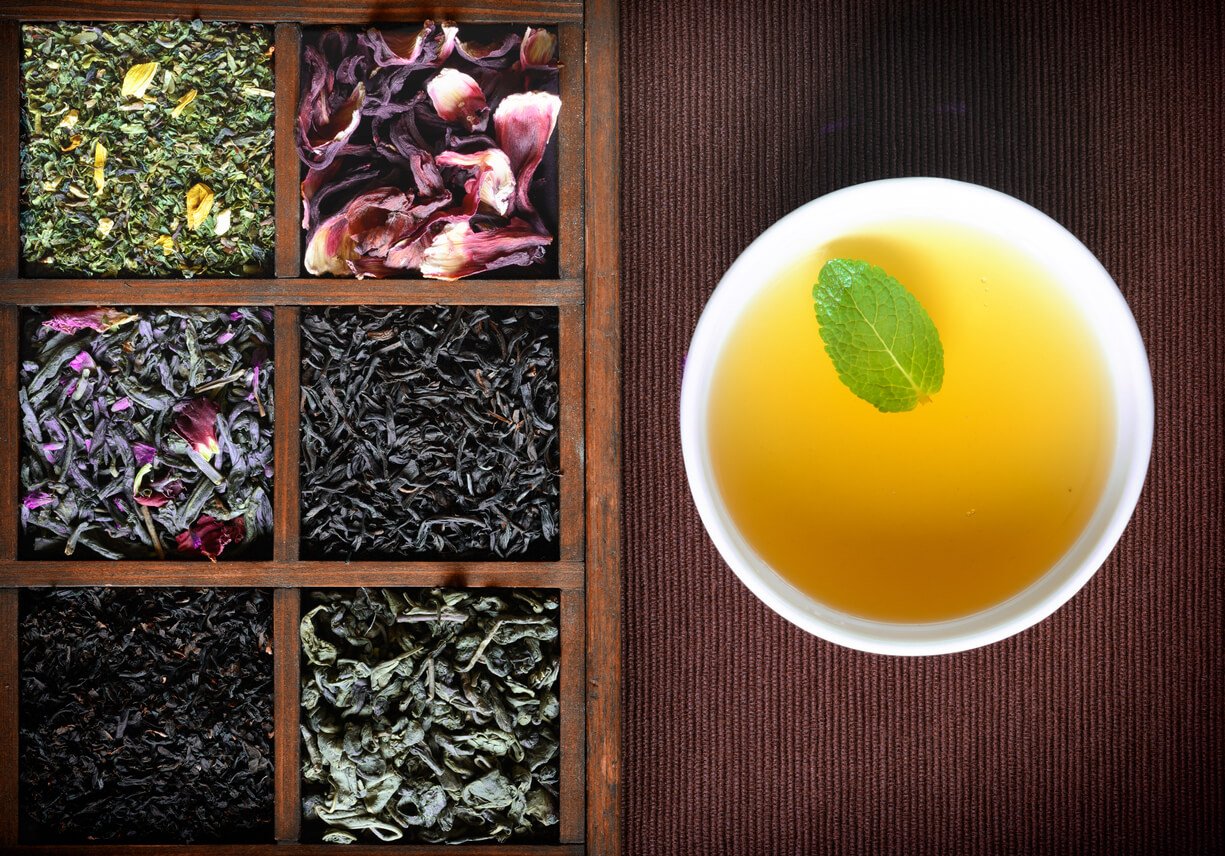
The estimated average flavonoid intake in the US varies from around 250 to 400 mg/day. But there’s no recommended daily intake (RDI) for flavonoids, so there’s no standard goal, and no easy way to assess amounts from nutrition fact labels. While they’re readily available in fruits and vegetables, the main place most Americans appear to get their flavonoids is — and this surprised me — tea. As you can see, even 400 mg/day is a far cry from the 1200 mg/day that the British researchers found protective against the onset of diabetes.
In Mexico and Brazil, the intake of total flavonoids is around 150 and 50 mg/day, respectively. In these countries, the main food source of total flavonoids is citrus juices, followed by fruit in Mexico and beans in Brazil. Data on flavonoid intake is limited in other countries.
Bioavailability of Flavonoids
The composition of your gut microbiota — or the community and balance of bacteria living in your digestive tract — can affect the metabolism and bioavailability of dietary flavonoids. Overall, the bioavailability of flavonoids can vary dramatically among different flavonoid classes.
For example, flavones’ absorption rate is not as good as some of the other types of flavonoids. But just because they’re not 100% bioavailable doesn’t mean they’re not still beneficial for your health. Your body is thought to only use what it needs and excrete the rest.
Other compounds can interfere with your body’s ability to absorb and use flavonoids. For instance, some studies have shown that adding dairy milk to tea may reduce the flavonoid’s natural antioxidant capacity. This is because the milk protein casein appears to bind with the antioxidants, rendering them 11-27% less powerful in some studies. Another study found that consuming dairy milk with blueberries reduced absorption of their polyphenols and blocked their antioxidant activity. A similar effect can occur when you add cow’s milk to coffee.
Additionally, certain carbohydrates may contribute to your small intestine’s ability to absorb flavonoids. One 2011 study using mice even found that the absorption of green tea catechins was significantly improved by the supplementation of steamed rice.
And food combining may even help with the absorption of flavonoids. For example, bromelain, a protein-digesting enzyme extracted from pineapples, increases the absorption of quercetin, as does vitamin C.
Are Flavonoid Supplements Worth Using?
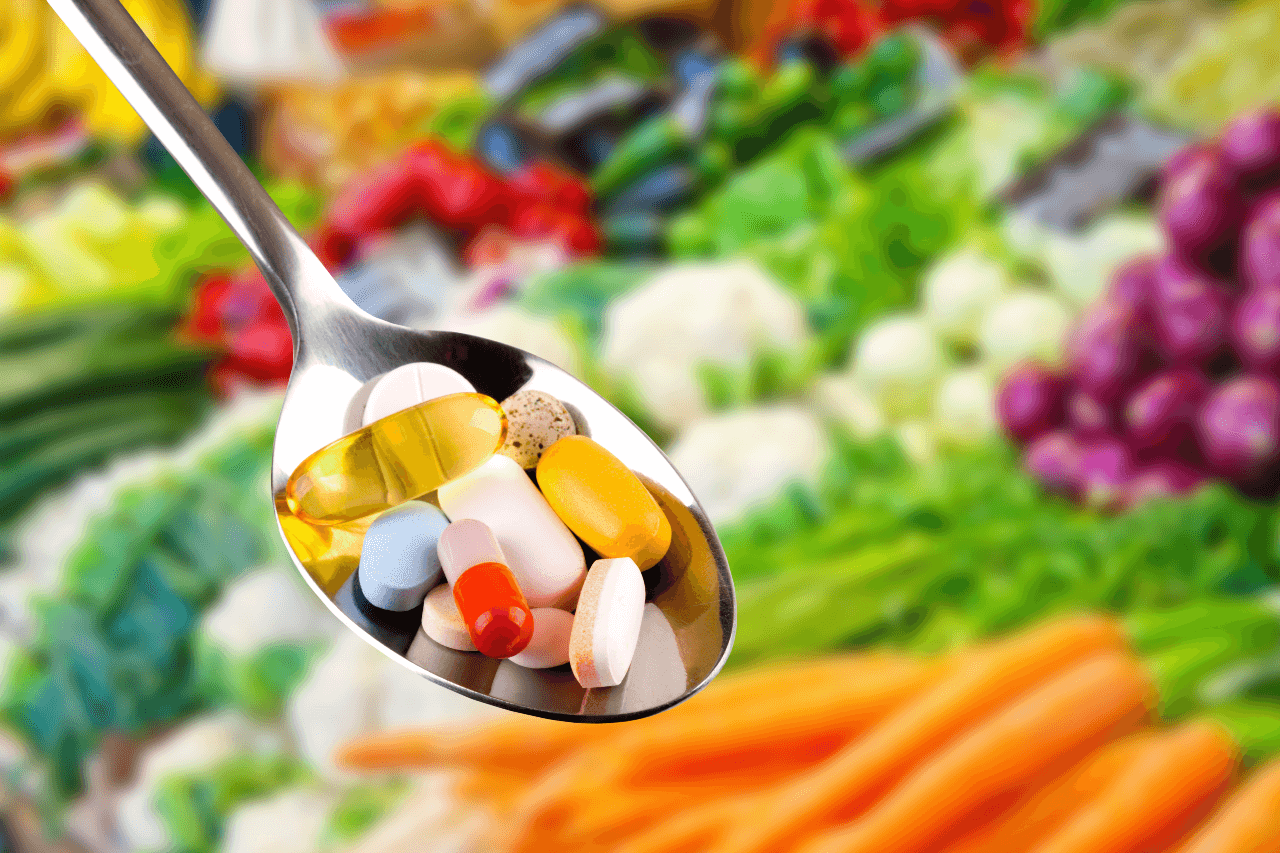
Like most nutrients, you can find flavonoids packaged in supplemental form as well as in whole foods. Supplemental products often contain more concentrated amounts of the compounds we’ve discussed, supposedly offering more bang for your buck. But do they?
People with certain health conditions may benefit from getting additional flavonoids via supplements. For instance, according to research reviews conducted by Kaiser Permanente, the flavonoid hydroxyethylrutoside (HR) may be helpful for people with chronic venous insufficiency, as it could strengthen their capillaries. And the flavonoid catechin may benefit people suffering from either acute or chronic hepatitis, a disease of liver inflammation.
As for how much of a flavonoid supplement you would need to take to be beneficial, it’s hard to say. Recommended amounts depend on the brand and the compound. But overall, there are no standardized dosages for flavonoid supplementation, and they can vary substantially. For instance, hesperidin supplements often range from 500 mg to 2 gram doses. And independent testing routinely shows that many supplements, including flavonoids, don’t contain what they say they do.
Adverse Effects Associated with Flavonoid Supplements
If you choose to take a flavonoid supplement, be sure to follow the instructions on the bottle, as with any supplement. Adverse effects may occur if you take them in excess of the amounts suggested.
For instance, taking high doses of 51.3 mg/kg body weight of quercetin has been associated with kidney toxicity, whereas doses between 3 mg/day-1,000 mg/day for up to three months have not shown adverse effects in research. Additionally, green tea extracts may cause gastrointestinal side effects among some people, such as nausea, vomiting, abdominal pain, and diarrhea, when taken in doses of six grams per day in three to six divided doses.
Additionally, flavonoid supplements may interact with prescription medications, increase the risk of toxicity from certain drugs or contribute to the risk of overdosing on certain compounds.
Whole Plant Foods Are Still the Best Sources
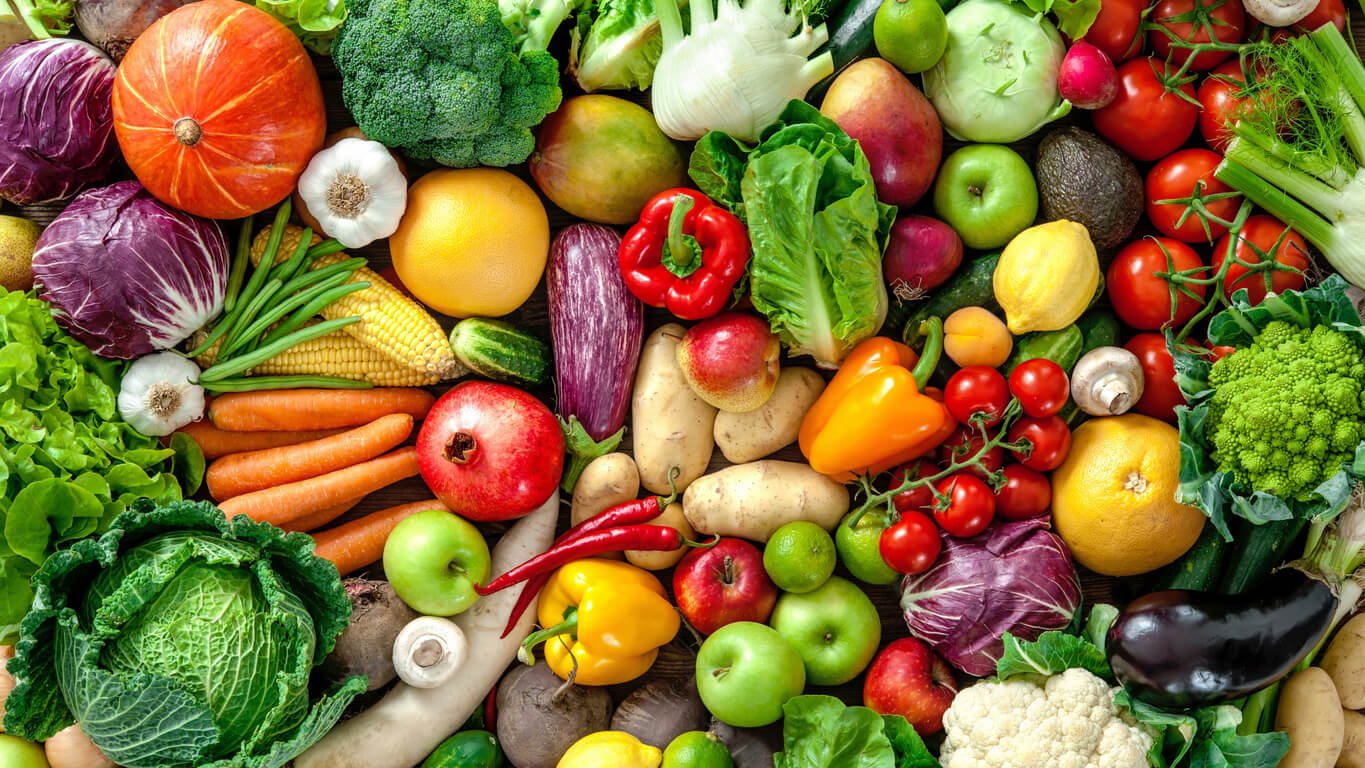
But before you go popping flavonoid pills, you might want to try eating more richly colored fruits and veggies first. Despite the marketing hype, flavonoid supplements are not necessary for most people in good health who eat a nutritious, balanced diet full of whole plant foods. High concentrations of catechins, for example, can be found in apricots, strawberries, red wine, and red grapes.
A 2011 review published in Advances in Nutrition looked at the effects of flavonoids in supplements versus foods, concluding that the multifaceted mixture of plant compounds just can’t be simulated by single-flavonoid supplementation.
Just like those 74 soldiers whose harmonized footsteps took down a bridge, all the nutrients in whole plant foods working together can provide a much greater force – in this case, a beneficial one — than when isolated in pills. So check out these yummy recipes that feature some of the best flavonoid sources on the planet.
Flavonoid-Rich Recipes
Looking to optimize health through flavonoids in plant-based foods? Choosing a variety of colors with each meal will help you achieve that goal. We created the Blueberry Chia Oat Crumble as a sweet treat, but it’s power-packed with so much nutrition that it can easily serve as a sustainable breakfast or respectable snack.
Flavonoid-rich Kale Pomegranate Salad can be enjoyed year-round, either as a refreshing and light salad in the summer or a festive and colorful salad during the winter. And Tofu Pad Thai is one for the eyes and the tastebuds with its variety of colors and flavors, respectively. Bonus that it’s also filled with flavonones, flavonols, and isoflavones!
1. Blueberry Chia Oat Crumble
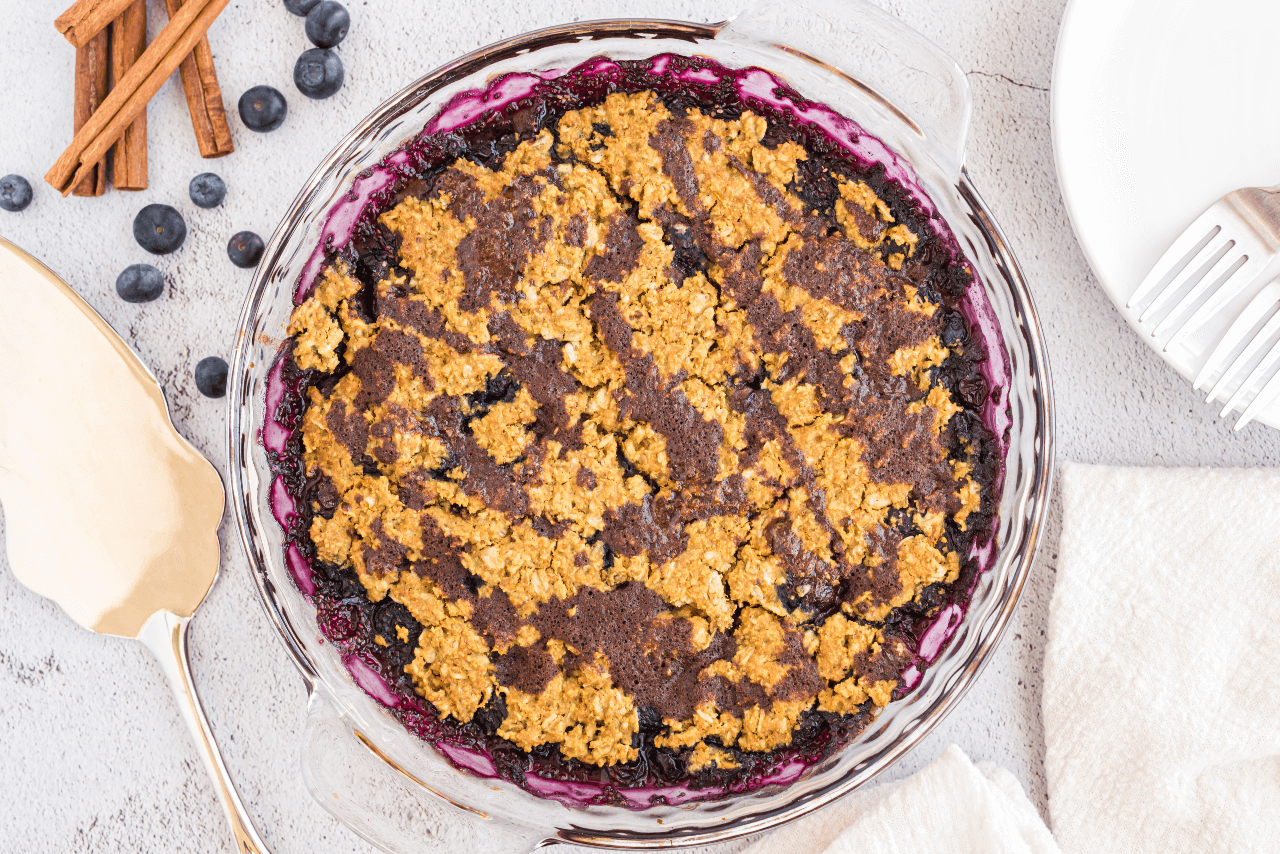
It’s no secret that blueberries are chock-full of antioxidants. Blueberries are certainly delicious on their own, but why not enjoy them in a fun, dessert-like crumble that’s also packed with flavonoid-rich lemon, omega-3-packed chia seeds, and fiber-filled oats? Since this “dessert” is good-for-you, it also works well as a healthy snack or breakfast!
2. Kale Pomegranate Salad
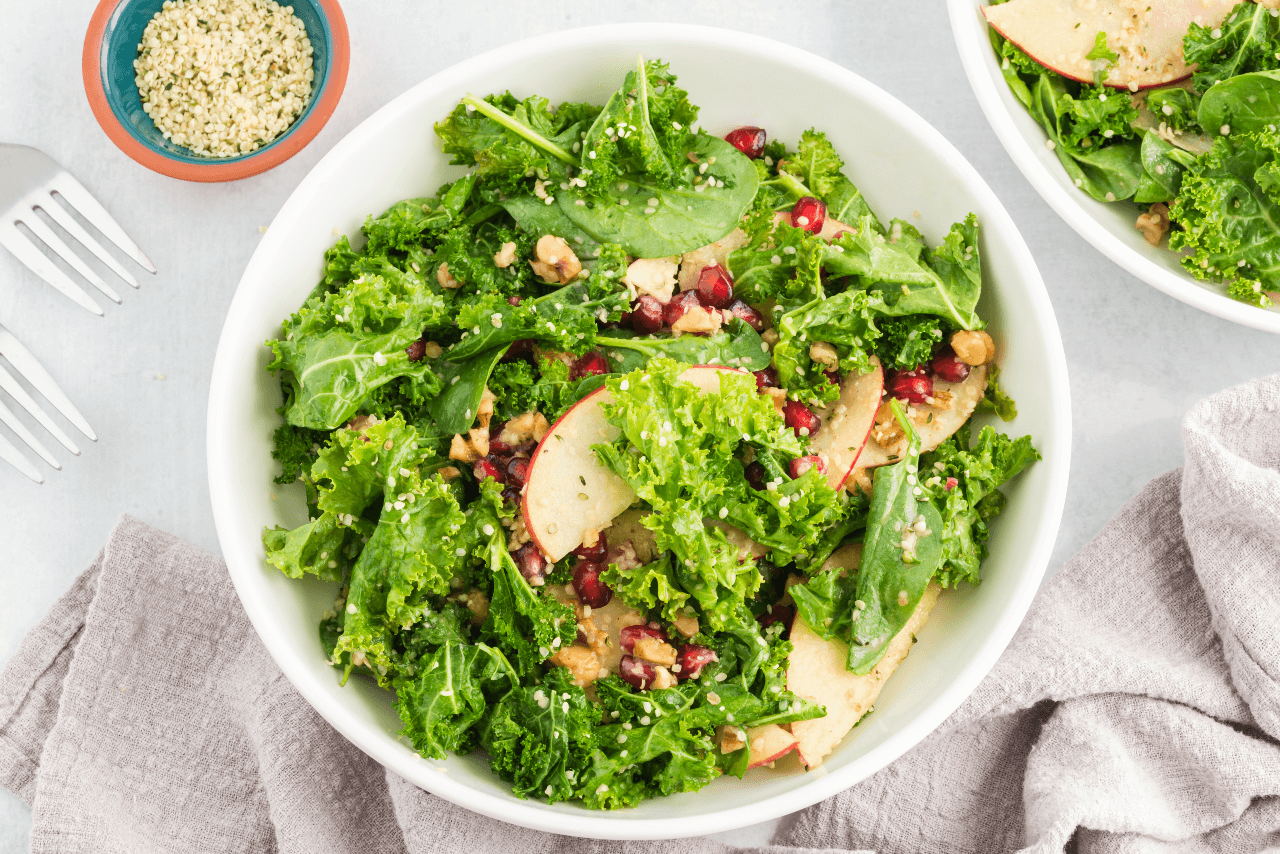
This recipe comes packed with three flavonoid-rich ingredients. Kale and apples contain flavonols, and pomegranate arils contain anthocyanins, making this a refreshing, anti-inflammatory, and plant-powered dish. Sweet and tart pomegranate arils complement the earthy kale and sweet apples nicely. This salad can be enjoyed year-round, from a refreshing meal on a summer evening to a colorful dish for a winter holiday party.
3. Tofu Pad Thai
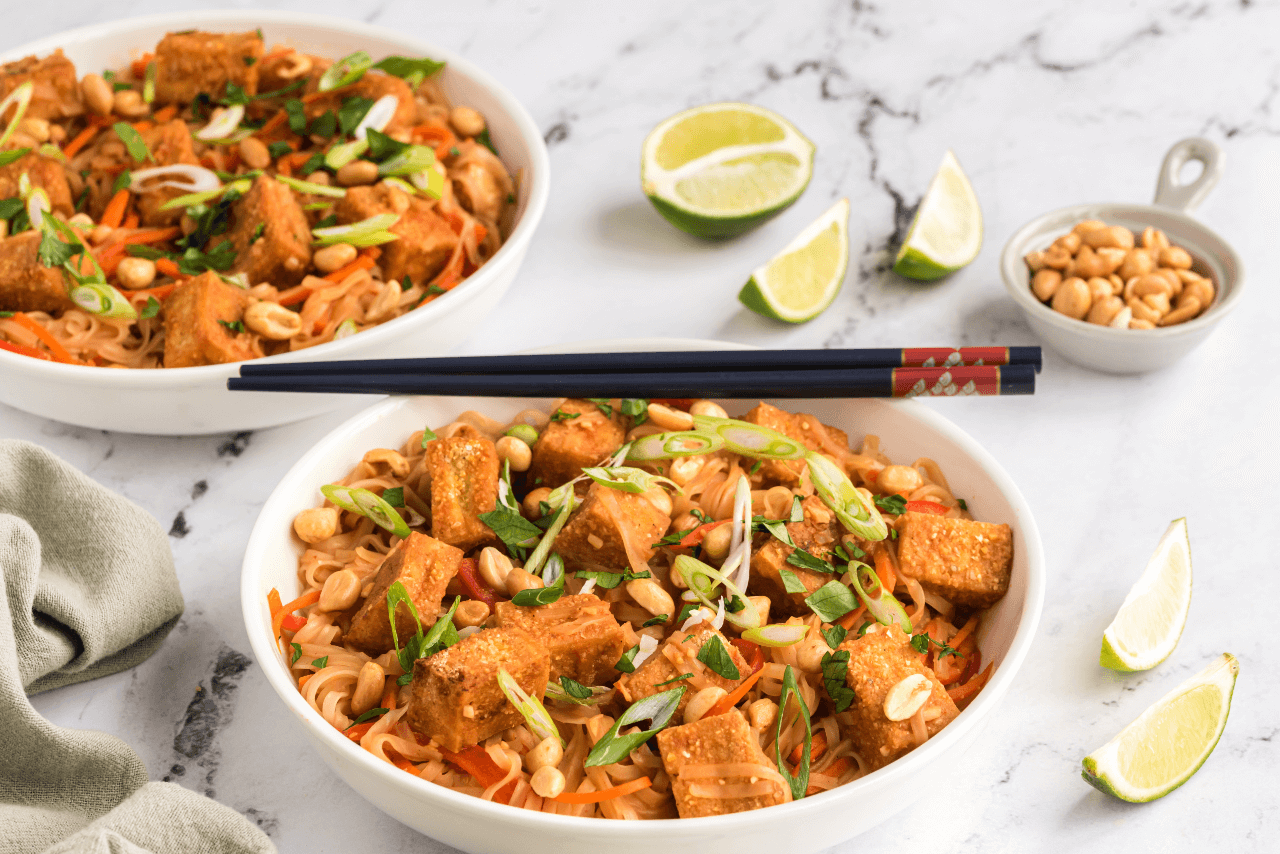
You may have heard the saying “eat the rainbow.” Not only does filling your plate with a variety of beautiful colors make the dish look really pretty, but it also ensures you’re getting a variety of flavonoids with every bite. This dish contains isoflavones in the tofu, flavonones in the lime, and flavonols in the garlic, onion, and red pepper. Add Tofu Pad Thai to your culinary library if you love recipes that optimize health, taste delicious, and present beautifully!
Get Flavonoids from Foods
Flavonoids are abundant in whole plant foods — ranging from colorful fruits and vegetables to tea, red wine, herbs, and legumes. They have a number of health benefits, and may help to protect you from cardiovascular disease, cancer, neurodegenerative diseases, and more through their antioxidant and anti-inflammatory activities. Although supplementation might be helpful for people with certain health conditions, for most people, it’s not necessary and may actually come with more risk than benefit. Eating a wide variety of foods high in flavonoids is the best way to reap their benefits.

Stillness in the Storm Editor: Why did we post this?
The news is important to all people because it is where we come to know new things about the world, which leads to the development of more life goals that lead to life wisdom. The news also serves as a social connection tool, as we tend to relate to those who know about and believe the things we do. With the power of an open truth-seeking mind in hand, the individual can grow wise and the collective can prosper.
– Justin
Not sure how to make sense of this? Want to learn how to discern like a pro? Read this essential guide to discernment, analysis of claims, and understanding the truth in a world of deception: 4 Key Steps of Discernment – Advanced Truth-Seeking Tools.
Stillness in the Storm Editor’s note: Did you find a spelling error or grammatical mistake? Send an email to [email protected], with the error and suggested correction, along with the headline and url. Do you think this article needs an update? Or do you just have some feedback? Send us an email at [email protected]. Thank you for reading.
Source:
https://foodrevolution.org/blog/what-are-flavonoids/
Support our work! (Avoid Big Tech PayPal and Patreon)DIRECT DONATION
Leave a Reply