
(Ocean Robins) For many people, chocolate is one of the special pleasures in life. It tastes delicious, it’s connected to many favorite holidays, and it can immediately lift your mood. But what are the health effects (positive and negative) of chocolate? And can you enjoy it without contributing to slave labor and environmental degradation on cacao plantations? In this article, we’ll share the research on chocolate’s surprising health benefits, and how you can partake ethically and healthfully.
Related Heavy Metals Found in 95% of Baby Food
by Ocean Robins, November 22nd, 2019
Few foods generate as much passion as chocolate. Perhaps it was inevitable with a plant given the scientific name of Theobroma (Greek for “food of the gods”) cacao.
These days we may still consider chocolate to be a heavenly substance, but we consume far more of it, in vastly different ways, than the ancient Mesoamericans who first harvested and prepared it. And this, of course, has health consequences.
Is chocolate bad for you? Should you limit your consumption, or try to get it out of your diet altogether? Or is it actually a health food?
And what about reports of child labor, slavery, extreme poverty, and environmental degradation related to the chocolate trade? Is it possible to obtain “guilt-free” chocolate? If so, how can you tell which chocolate products contribute to the welfare of chocolate farmers and their communities?
A Brief History of Chocolate
The Theobroma cacao tree is native to Central and South America. The Azteks believed that the seeds were gifts from Quetzalcoatl, god of wisdom. For several centuries in premodern Latin America, cacao beans were considered valuable enough to be used as currency. Both the Mayans and the Aztecs believed the cacao bean had magical properties, suitable for use in the most sacred rituals of birth, marriage, and death.
For much of its history, chocolate was served as a bitter drink, either heated or fermented into alcohol. When Columbus introduced cacao beans to European high society following his return from the Americas, it started a cacao craze that led to European colonization and enslavement of large areas of Mesoamerica and West Africa in the rush to grow and control cacao plantations.
The industrial revolution in 19th century Europe applied new methods to chocolate production. Alkalizing salts reduced bitterness. The “Dutch cocoa” process separated cocoa butter from the liquor and made it easier and cheaper to produce in large quantities. In the US, early 20th century inventors and entrepreneurs Milton Hershey and Franklin Mars turned chocolate from a local, artisanal product into a mass-produced industrial foodstuff. Hershey’s milk chocolate in particular, combined with epic amounts of sugar, was sweet enough to convert an entire nation into chocoholics.
These days, Americans consume about $18 billion worth of chocolate each year, for an average of just under 10 pounds per person. And keep in mind that’s just an average: some people abstain, so there are folks who eat way more than that!
There’s no question that chocolate can be delicious – but what about its effects on your health?
The Health Benefits of Chocolate

After everything you’ve read and heard, you may not believe it – but chocolate has gotten an unfair bad rap. People say it causes acne; that you should eat carob instead; that it’s junk food. But these accusations are not only undeserved and inaccurate, they falsely incriminate a delicious food that turns out to have profoundly important healing powers.
There is in fact a growing body of credible scientific evidence that chocolate contains a host of heart-healthy and mood-enhancing phytochemicals, with benefits to both body and mind.
The Guna people of the San Blas Islands, off the coast of Panama, have loved cocoa for thousands of years, and to this day, cocoa beverages remain central in their diet. An International Journal of Medical Science article reported that despite intense poverty, the Guna who keep drinking cocoa in their home islands enjoy much lower death rates from heart attacks, strokes, diabetes, and cancer than those who give up their beloved drink when they move to mainland cities and suburbs.
Chocolate is a Plentiful Source of Antioxidants
Now obviously, there’s a lot more going on here than just the difference between the two groups’ cocoa consumption. But the fact remains that drinking cocoa appears to be a habit on the positive side of the health ledger. How can we explain this? For one thing, chocolate is a plentiful source of antioxidants. These are substances that reduce the ongoing cellular and arterial damage caused by oxidative reactions.
You may have heard of a type of antioxidants called polyphenols. These are protective chemicals found in plant foods such as red wine and green tea. Chocolate, it turns out, is particularly rich in polyphenols. According to researchers at the University of Texas Southwestern Medical Center in Dallas, the same antioxidant properties found in red wine that protect against heart disease are also found in comparable quantities in chocolate.
How does chocolate help to prevent heart disease? The oxidation of LDL cholesterol is considered a major factor in the promotion of coronary disease. When this waxy substance oxidizes, it tends to stick to artery walls, increasing the risk of a heart attack or stroke. But chocolate to the rescue! The polyphenols in chocolate inhibit oxidation of LDL cholesterol.
And there’s more. One of the causes of atherosclerosis is blood platelets clumping together — a process called aggregation. The polyphenols in chocolate inhibit this clumping, reducing further the risks of atherosclerosis.
High blood pressure is a well known risk factor for heart disease. It is also one of the most common causes of kidney failure, and a significant contributor to many kinds of dementia and cognitive impairment. Studies have shown that consuming a small bar of dark chocolate daily can reduce blood pressure in people with mild hypertension.
Buy Book Blood Pressure: 40 Super-food that will naturally lower your blood pressure
Cocoa May be Associated with Improved Cardiovascular Health
Why are people with risk factors for heart disease sometimes told to take a baby aspirin every day? The reason is that aspirin thins the blood and reduces the likelihood of clots forming (clots play a key role in many heart attacks and strokes). Research performed at the department of nutrition at the University of California, Davis, found that chocolate thins the blood and performs the same anti-clotting activity as aspirin. “Our work supports the concept that the chronic consumption of cocoa may be associated with improved cardiovascular health,” said UC Davis researcher Carl Keen. Hmm – pop a baby aspirin or eat some chocolate; which would you choose?
How much chocolate would you have to eat to obtain these benefits? Less than you might think. According to a study published in the American Journal of Clinical Nutrition, adding only half an ounce of dark chocolate to an average American diet is enough to increase total antioxidant capacity 4 percent, and lessen oxidation of LDL cholesterol.
This isn’t just theory – it holds true in the real world. In a study of 1,000 heart attack survivors, published by Stockholm’s Karolinska Institutet in 2009, patients who ate dark chocolate several times per week cut their risk of dying from heart disease threefold compared to those who didn’t eat chocolate at all.
Chocolate, Mood, and Mental Health

Are chocolate’s benefits limited to the health of the body? Hardly. Chocolate has long been renowned for its remarkable effects on human mood, and we are now beginning to understand why.
Chocolate is the richest known source of a little-known substance called theobromine, a close chemical relative of caffeine. Theobromine, like caffeine, and also like the asthma drug theophylline, belongs to the chemical group known as xanthine alkaloids. Chocolate products contain small amounts of caffeine, but not nearly enough to explain the attractions, fascinations, addictions, and effects of chocolate. The mood enhancement produced by chocolate may be primarily due to theobromine.
Chocolate also contains other substances with mood elevating effects. One is phenethylamine, which triggers the release of pleasurable endorphins and potentates the action of dopamine, a neurochemical associated with sexual arousal and pleasure. Phenethylamine is released in the brain when people fall in love. The marketers who convinced us to give chocolate to our beloveds on Valentine’s Day knew what they were doing.
Another substance found in chocolate is anandamide (from the Sanskrit word “ananda,” which means peaceful bliss). A fatty substance that is naturally produced in the brain, anandamide has been isolated from chocolate by pharmacologists at the Neurosciences Institute in San Diego. It binds to the same receptor sites in the brain as cannabinoids like THC — the primary psychoactive constituent in marijuana — and produces feelings of elation and exhilaration. (If this becomes more widely known, will they make chocolate illegal?)
If that weren’t enough, chocolate also boosts brain levels of serotonin. Women typically have lower serotonin levels during PMS and menstruation, which may be one reason women typically experience stronger cravings for chocolate at these times in their cycles. People suffering from depression characteristically have lower serotonin levels, which explains why an entire class of antidepressant medications called selective serotonin uptake inhibitors (including Prozac, Paxil, and Zoloft) have been developed to raise brain levels of serotonin.
Buy Book The pH Miracle: Balance Your Diet, Reclaim Your Health
The Unhealthy Side of Chocolate

Why, then, has chocolate gotten such a bum reputation? Most commercial chocolate is paired with some unsavory characters. First and foremost, of course, is sugar. Now I’m sure you don’t need another lecture on the dangers of excess sugar consumption. But if you wanted to become obese and dramatically raise your odds of developing diabetes, heart disease, cancer, and Alzheimer’s disease, foods high in sugar (including high fructose corn syrup) are just the ticket. And some commercial chocolates contain more sugar than chocolate!
Does chocolate contribute to acne? The milk in milk chocolate has been shown to do so, but I’ve not seen any evidence incriminating dark chocolate.
And then there’s the concern about heavy metals.
Independent studies have found lead and cadmium in chocolate — and often in amounts above California’s Prop 65 levels. As You Sow is an organization that recently funded such testing to be done on over 120 chocolate products, finding that almost all of them contained some amount of these metals. This resulted in them sending legal notices to over 20 popular chocolate brands.
Why does this matter? Lead has known neurological and behavioral risks, while cadmium can cause serious damage to the kidneys, liver, bones, and reproductive system. No amount of lead is safe for kids — some of the biggest chocolate consumers around. Kids are also more susceptible than adults are to the effects of ingesting cadmium and other heavy metals, due to their smaller bodies and developing brains.
There is some good news. There are certain brands that had undetectable levels, such as Endangered Species and Trader Joe’s chocolate. And in 2018, As You Sow established a partnership with Hershey, Mars, Nestle, and Cargill to ensure that independent testing is being done on their chocolate products to determine sources of lead and cadmium as well as ways to reduce their risk to public health. As with most foods, most of us probably aren’t eating chocolate in the quantities we may need to experience adverse effects, but that doesn’t mean it’s not concerning. To be an advocate for lead and cadmium testing in chocolate, you can ask your favorite chocolate companies to address the issue and even donate to the As You Sow testing fund directly.
What About Stevia-Sweetened Chocolate?
Stevia comes from the leaves of the Stevia rebaudiana bush, native to South America. It contains no calories and is 200 times sweeter than sugar. A growing number of sports drink and soda companies add it to their products. And now some chocolate manufacturers, including Dante Confections and Lily’s, are adding it to theirs, as well. Is that a good thing?
Probably.
On the one hand, stevia is essentially natural (though the junk food industry is finding ways to process it) and it may even have disease-preventing potential. A 2017 study in the Journal of Medicinal Food suggests that it could help prevent metabolic syndrome and related conditions. Other studies tell us that it might help lower high blood pressure.
On the other hand, there is some ongoing research around naturally occurring compounds in stevia which some scientists fear could potentially cause cancers and genetic mutations. At this point we don’t have overwhelming cause for concern, but widespread use of stevia, especially in its more processed forms, is still a new phenomena. No doubt we’ll learn more in the years and decades to come.
The safest path is probably to train your taste buds to enjoy the taste of fine chocolate without a lot of added sweetness – and Stevia just might be the best bet. If you grew up on Hershey Krackel and Nestlé Crunch, this might take a while. But just like any sophisticated taste, you’ll get there with time and practice. In a few months, you might savor a square of fine dark chocolate, close your eyes, and proclaim, “A mildly astringent mouthfeel, with a hint of jasmine and a woody aftertaste.”
The Social Impact of Chocolate

OK, so high quality dark chocolate eaten in moderation might boost your health. But what about the health of the planet, and the welfare of people involved in the chocolate trade?
Cacao plantations take a long time to set up; a cacao tree doesn’t produce seeds until its third or fourth year, and can produce for up to 40 years. In West Africa, forests are being cut down to make room for more cacao plantations. This leads to cascading environmental catastrophes, including local effects like habitat loss, diversity loss, and desertification, as well as global effects on climate from the release of carbon into the atmosphere.
Also, cacao farming in West Africa relies heavily on dangerous petrochemicals which further degrade soil and water quality.
But the impact of modern cacao production doesn’t just impact the environment. It impacts people, too.
Remember how, when European colonizers set up cacao plantations in West Africa and Mesoamerica, they enslaved local populations to make their operations more cost-effective? Well, that never actually went away.
Most of the world’s chocolate comes from West Africa. Many of the farmers in this region are paid stunningly little for their harvest, and can’t afford to pay workers a living wage. The result is that labor conditions on West African cacao farms are notoriously deplorable, and child labor is still used widely.
Child Labor in Cocoa-Growing Regions
A 2015 US Labor Department concluded that more than two million children were engaged in dangerous labor in cocoa-growing regions of West Africa – often wielding machetes, handling neurotoxic pesticides, and laboring for long hours without any opportunity for education. And some of those children aren’t working for their parents – they’re enslaved.
The underlying issue in these countries is extreme poverty and wealth inequality. Sometimes the slavery is enforced by guns, and sometimes by starvation. But when farmers are being paid 70 cents per day to grow chocolate, they’re hard pressed to make ends meet and some will undertake desperate measures to try to survive.
Most West African cacao is purchased by huge companies like Hershey, Nestlé, Mars, and Cadbury. Caroline Chen, social justice manager for Green America, told me that Nestlé and Mars are at least trying to end slavery and extreme poverty in the chocolate trade. Hershey, on the other hand, doesn’t seem to be doing nearly as much. She told me that the company has been “greenwashing” the issue with empty PR promises, while continuing to rely on extreme cruelty and injustice to provide us with cheap and plentiful Kisses and Reese’s peanut butter cups.
Is it Possible to Make Real Change, Given Current Economics?
After all, chocolate company executives will argue that if they make their M&Ms and Kit Kat bars too expensive, people won’t buy them anymore.
Antonie Fountain, managing director of Voice of Organisations In Cocoa in Europe, did the math: A living wage in Ivory Coast is about $2 per day, while most cacao farmers receive only 70 cents per day. For every dollar you spend on a chocolate bar, only 3-6 cents ends up in the hands of the farmer. So tripling the wages paid to farmers would add only 6-12% to the cost we’d pay at the supermarket. This means that a 1.5 ounce Hershey bar would go up from 75 cents to 79 cents at the low end, and 83 cents at the high end.
Do you really think this price increase would tank sales of chocolate? We can look at the recent history of cigarette taxes to assess the likely drop in consumption – not much. Because of higher taxation rates, a pack of cigarettes in New York City costs $13, compared to under $5 in North Carolina. That’s a difference of about 288%. The difference in smoking rates: 17% in NC, and 11% in NYC. If such a huge tax can’t make a bigger dent in smoking rates, I seriously doubt that chocolate profits would be hurt by expecting companies to pay enough to keep their suppliers out of extreme poverty and slavery.
And let’s not forget the executive salaries paid by these companies. The CEO of Hershey received over $8 million last year. The Nestlé chief executive amassed $11 million in 2016. Mars, Inc, is a privately held company, so we have to guess how much its owners and leaders are raking in.
It seems that there’s a bit of room in the supply chain economics to produce chocolate that doesn’t rely on slavery and extreme poverty. Consumers can pay a little bit more. And maybe, if necessary, senior executives could make a bit less – at least until such time as the farmers who grow their chocolate can earn enough money to feed their own families.
What You Can Do
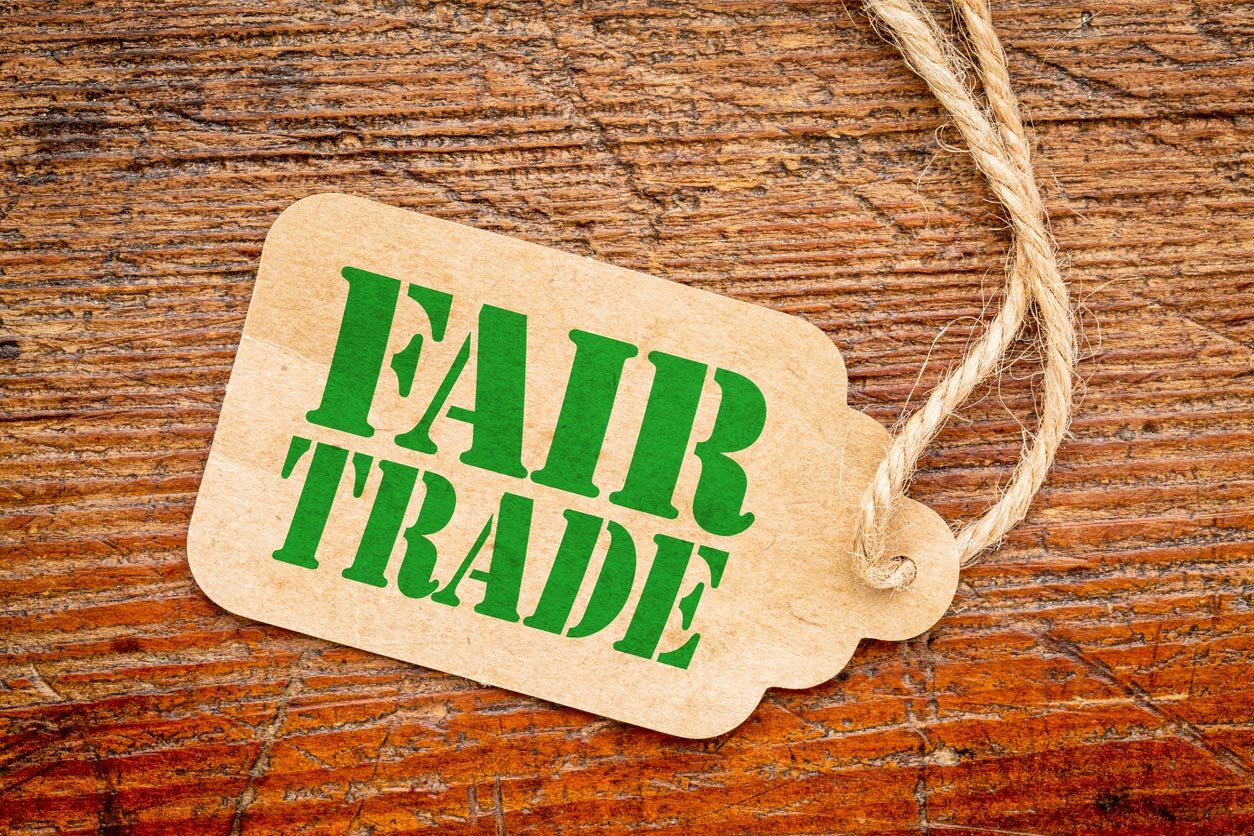
Want to eat chocolate that’s free from this kind of brutality? Step #1 is to only buy chocolate that is fair trade certified. This means that a third-party is monitoring and certifying that farmers were paid decently. While it could be better enforced and not all fair trade certification systems are foolproof, fair trade is a major step in the right direction.
Organic certification helps, too. The most egregious labor conditions are found in West Africa. Almost all the world’s organically grown chocolate comes from Central and South America, where conditions are less exploitative. So organically grown chocolate has the advantage of being grown without the use of synthetic pesticides or fertilizers, and it also generally comes from regions where the workers are treated better.
And if you want to keep applying pressure on chocolate companies to do the right thing, and to get there faster, here are some things you can do.
- Purchase chocolate products from companies who only use cocoa that has definitively not been produced with slave labor. These companies include Clif Bar, Cloud Nine, Dagoba Organic Chocolate, Denman Island Chocolate, Divine Chocolate, Equal Exchange, Gardners Candies, Green and Black’s, John & Kira’s, Kailua Candy Company, Koppers Chocolate, L.A. Burdick Chocolates, Montezuma’s Chocolates, Lily’s, NewLeaf Chocolates, Newman’s Own Organics, Omanhene Cocoa Bean Company, Rapunzel Pure Organics, Shaman Chocolates, Sweet Earth Chocolates, Taza Chocolate, The Endangered Species Chocolate Company, and Theo Chocolate.
- Find out the latest news, and how you can help, when you join the campaign led by the dedicated people at Green America. They’re on the forefront of the effort, and they can use your help. Find out more here.
- Tweet about this article and post it to your Facebook page. Tell your friends to read this article. Share your thoughts on the Hershey Facebook page. Tell them that the hundreds of thousands of kids in their supply chain should be in school, not being forced to wield dangerous machetes and agrochemicals in the fields. The time has arrived for Hershey and other chocolate companies to take responsibility for their actions and their supply chain.
Like fire, another famous “gift from the gods,” chocolate has the potential for great benefit and great harm. Grown ethically and sustainably, and consumed without dairy and without being too highly sweetened, chocolate can help us live healthier, happier lives. This is not only good news, but also a powerful message in the effort to reduce the harms of the international cacao trade. The world can enjoy chocolate without guilt, if we come together to demand and reward those who take planet and people into account, in addition to profit. I’ll drink (cocoa) to that!
Featured image: iStock.com/YelenaYemchuk
Stillness in the Storm Editor: Why did we post this?
Corruption is endemic to our world. Organizations that gain the trust of the people misuse that trust and are rarely brought to justice. The people have a valid right to know of the activities of its public servants so as to dethrone them once malfeasance or wrongdoing has been identified. The preceding article highlights corruption within public service institutions, revealing a breach of trust with respect to their lawful mandate to occupy said office. It is critically important for the evolution of society that individuals become aware of corruption, so as to unite together and declare grievances in an effort to correct the situation. When those grievances aren’t recognized by those in office, the people now have a valid right to remove the lawless individuals in these positions of power so as to restore law and order. All of this can only be possible individuals to gain awareness of the corruption at hand and begin the process of forming actions groups capable of issuing lawful rebukes. If done properly, the forces that oversee the realms of men will rally to support the people.
– Justin
Not sure how to make sense of this? Want to learn how to discern like a pro? Read this essential guide to discernment, analysis of claims, and understanding the truth in a world of deception: 4 Key Steps of Discernment – Advanced Truth-Seeking Tools.
Stillness in the Storm Editor’s note: Did you find a spelling error or grammatical mistake? Send an email to [email protected], with the error and suggested correction, along with the headline and url. Do you think this article needs an update? Or do you just have some feedback? Send us an email at [email protected]. Thank you for reading.
Source:
https://foodrevolution.org/blog/truth-about-chocolate/
Leave a Reply