• Skip to primary navigation
  • Skip to main content
  • Skip to primary sidebar
  • Skip to footer
  • Home
  • About
  • Donate
  • Start
    • Contact
    • We Need Your Support (Donate)
    • Newsletter Signup
      • Daily
      • Weekly
    • Into the Storm (Hosted by Justin Deschamps)
    • Follow Our Social Media
    • Best Telegram Channels & Groups
    • Discernment 101
    • Media Archive (Shows, Videos, Presentations)
    • Where’s The Hope
  • Browse
    • Editor’s Top Content (Start Here)
    • Best Categories
      • Consciousness
      • Conspiracy
      • Disclosure
      • Extraterrestrials
      • History
      • Health
      • NWO Deep State
      • Philosophy
      • Occult
      • Self Empowerment
      • Spirituality
    • By Author
      • Justin Deschamps
        • Articles
        • Into The Storm (on EdgeofWonder.TV)
        • Awarewolf Radio (Podcast)
      • Adam AstroYogi Sanchez
      • Amber Wheeler
      • Barbara H Whitfield RT and Charles L Whitfield MD
      • Chandra Loveguard
      • Conscious Optimist
      • Marko De Francis
      • Lance Schuttler
        • EMF Harmonized (Cell Phone, Wi-Fi, Radiation Protection
      • Ryan Delarme
      • Will Justice
  • Products
    • EMF Harmonized (Cell Phone, Wi-Fi, Radiation Protection
    • Earth Science & Energy
    • Free Energy
    • AI and Transhumanism
    • Space
    • Nikola Tesla
    • ET
      • Ancient Technology
      • Crop Circles
      • UFOs
    • Conspiracy
      • Anti NWO Deep State
      • Domestic Spying
      • Freemasonry
      • Law & Legal Corruption
      • Mass Mind Control
      • NWO Conspiracy
      • Police State and Censorship
      • Propaganda
      • Snowden Conspiracy
      • Social Engineering
    • Misc.
      • Council on Foreign Relations
      • Music Industry
      • Paranormal
      • Pedagate and Pedophilia
      • Q Anon
      • Secret Space Program
      • White Hat
  • Sign Up
  • Election Fraud
  • Partners
    • EMF Harmonized
    • Ascent Nutrition

Stillness in the Storm

An Agent for Consciousness Evolution

  • Our Story
  • Support Us
  • Contact
  •  Monday, February 2, 2026
  • Store
  • Our Social
    • BitChute
    • CloutHub
    • Gab
    • Gab TV
    • Gettr
    • MeWe
      • MeWe Group
    • Minds
    • Rumble
    • SubscribeStar
    • Telegram
      • Best Telegram Channels and Groups
    • Twitter (Justin Duchamps)
    • YouTube

The Hidden Dangers of Addictive Food Stimulants

Sunday, April 8, 2018 By Stillness in the Storm Leave a Comment

Spread the love

(Edward Morgan) Many different types of stimulants can be found in the foods and drinks we consume.  Some are natural ingredients that we’ve been consuming for millennia, such as caffeine,  now embedded into the cultures of many civilisations. Others are synthetic and a relatively recent addition to our diets.

Related Monsanto Trying to Hide GMO Foods Under the Term “Biofortified”

Source – Prepare for Change

by Edward Morgan, March 21st, 2018

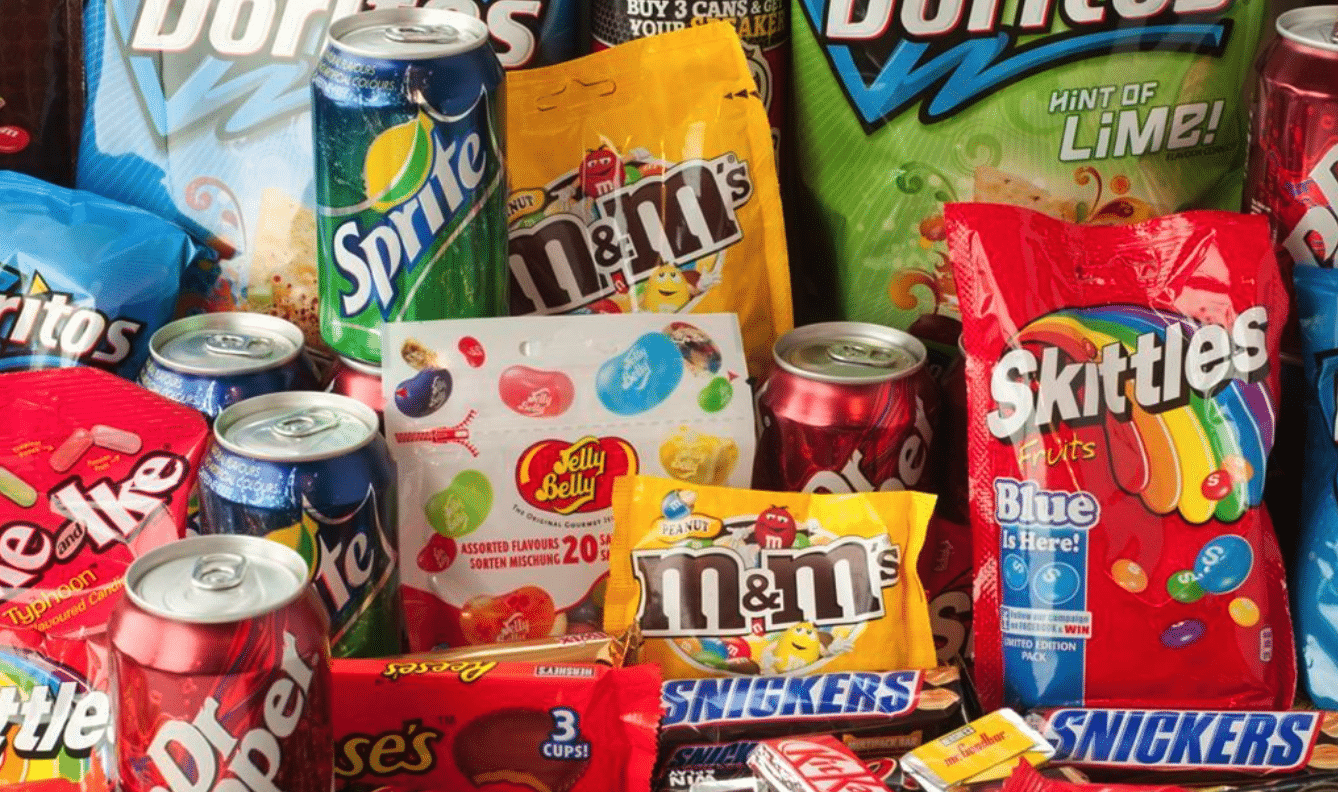
There is now growing cause for concern about the extent to which food and drink manufacturers are deliberately adding high quantities of stimulants to processed foods and drinks to bolster sales, often under the guise of ‘flavour enhancement’.

As this practice is now so widespread we can easily be exposed to excessive levels of these addictive stimulants through the consumption of a variety of processed foods and drinks.  While this has proved to be an effective tactic for the food industry to drive consumption of their products and ensuring we’re coming back for more (7), a growing number of experts have voiced concerns about the effects that these stimulants have on our health, suggesting plausible short and long-term health consequences that will be discussed in this article (9, 10).


What Are Food Stimulants & How Do We Become Addicted to Them?

Food stimulants are substances found in the food and drinks we consume that increase mental alertness, intensify or prolong physical activity, or even promote aggression (3).  These effects result from stimulants disrupting or modifying the communication that occurs among our neurons by specifically interfering with the dopamine neurotransmitter system (4).
Dopamine is a very important neurochemical, and is believed to have many roles in the nervous system including the control of movement, cognition, motivation, pleasure (particularly for repetitive actions), mood, and the sense of reward following certain activities (5).

When we consume a stimulant, we feel aroused. By hijacking our dopamine system, the stimulant provides us with pleasure and euphoria – which motivates us to consume the same stimulant again in order to experience a repeated feeling of reward (a process known as positive re-enforcement). The flip-side of this, known as negative re-enforcement, is that the abrupt discontinuation of addictive stimulants can result in cravings, which is essentially the feeling of wanting to avoid the discomfort that develops once the artificial high of the stimulant has gone (4). And so, through both of these processes, we are left wanting more.


Excitotoxins: Flavour Enhancers and Artificial Sweeteners

There are over 70 types of excitotoxins used in foods and drinks, with the most well-known including monosodium glutamate (MSG), saccharin (Sweet’N’Low®) and aspartame (Nutrasweet®, Equal®).  They are frequently added to processed and refined foods as flavour enhancers and artificial sweeteners, however their presence is often masked on food labels where they can appear as derivatives of the original stimulant.

Excitotoxins are an important group of addictive stimulants that not only lead to cravings, but also potentially result in damage of our brain cells through over-stimulation (10).
To date, only studies on animals have conclusively linked excitotoxin exposure to permanent neurological damage (10); however, a reasonable amount of scientific literature has voiced concern that excessive consumption of excitotoxins could potentially cause serious long-term health consequences such as Alzheimer’s disease, Huntington’s disease, Parkinson’s disease, Amyotrophic Lateral Sclerosis, and even early ageing (11).
Studies have also suggested that children are particularly more sensitive to excitotoxin exposure than adults, and excessive consumption during early childhood could potentially result in mild dyslexia, schizophrenia and cerebral palsy (10).

Although there isn’t currently a definitive answer about the harms of excitotoxins on humans, the considerable amount of legitimate concern about excessive consumption definitely warrants further robust research.

Summary: Excitotoxins

  • Excitotoxins are addictive stimulants routinely added to foods and drinks. MSG, saccharin and aspartame are three of the most commonly used excitotoxins.
  • Certain studies express concern that excessive consumption of excitotoxins can lead to neurological damage, and subsequent health issues such as Alzheimer’s, Huntington’s, Parkinson’s and Amyotrophic Lateral Sclerosis.  However, there have been no conclusive studies performed on humans.
  • Two simple tips to avoid consumption of excessive amounts of excitotoxins are to:
    • Avoid processed and refined foods and drinks;
    • Avoid food and drinks from fast-food chains;


Monosodium Glutamate

the truth behind additictive stimulants msg

Monosodium glutamate (MSG) was first added to foods in 1908, when a Japanese scientist, Ikeda Kikunae, managed to isolate an ingredient in sea kelp that could make bland, nutritious foods taste good (18). Since WWII, the amount of MSG that has been added to foods has doubled every decade (10).

Research in 1957 was the first to link MSG with health issues when two eye doctors noticed that it had destroyed all of the nerve cells in the retinas of their laboratory mice (19). Ten years later, a neuroscientist by the name of Dr John Olney discovered that a single dose of MSG killed the majority of cells in the hypothalamus (a specialised region of the brain) of mice (20).

Today, there is ongoing debate about how much MSG you need to consume in order for it to be considered harmful (34).  Evidence suggests that MSG is likely to be safe when consumed in moderate amounts; however, large doses (over 6 times the average daily intake) may cause short and long-term harm (34).
A condition exists called MSG symptom complex (Chinese restaurant syndrome), which causes people to experience symptoms such as headache, muscle tightness, numbness, tingling, weakness and flushing after consuming large quantities of MSG (one study suggested about 5 grams of MSG could trigger symptoms) (35).
MSG in high doses was also shown to trigger asthma attacks in susceptible individuals (36); however, these findings have not been able to be reproduced in similar studies.

Dr Blaylock argues in his book title ‘Excitotoxins: The Taste that Kills’ that MSG in high doses potentially increases the risk of chronic neurological issues such as Parkinson’s, Alzheimer’s and amytrophic lateral sclerosis through excitotoxicity (10).  More research is needed, however, in order to produce a definitive answer about the long-term health risks of MSG consumption.

Excitotoxins: Foods Containing Monosodium Glutamate (msg)

Popular foods that contain Monosodium Glutamate (msg) or Derivative Excitotoxins

Excitotoxin Name Free Glutamate (including its common salt form, Monosodium Glutamate)
Derivatives on Food Labels Glutamic Acid, Glutamate, Monopotassium Glutamate, Calcium Glutamte, Monoammonium Glutamate, Magnesium Glutamte, Natrium Glutamte, Yeast Extract, Hydrolyzed Protein, Calcium Caseinate, Sodium Caseinate, Yeast Food, Yeast Nutrient, Autolyzed, Gelatin, Textured Protein, Soy Protein Concentrate, Whey Protein Concentrate, Vetsin, Ajinomoto
Examples of Food Sources with Added MSG Packaged and processed foods such as potato chips, frozen dinners, gravies, salty flavoured snacks; foods from fast-food chains, particularly chicken nuggets and burgers; soybean products such as soy sauce, soy milk and miso paste

(13, 14, 15)

Summary: Monosodium Glutamate

  • MSG is one of the most commonly used excitotoxins added to food as a flavour enhancer.
  • Studies show that MSG symptom complex and asthma are potential short-term side effects of large doses of MSG.  Other studies suggest that excessive MSG consumption potentially results in long term excitotoxic-driven health issues such as Alzheimer’s, Parkinson’s and Amytrophic Lateral Sclerosis.  However, these findings are not yet conclusive.
  • More research is needed to determine safe consumption levels.  Many experts, however, recommend avoiding regular consumption of foods with high concentrations of MSG, particularly processed foods and foods from fast-food chains.


Artificial Sweeteners: Saccharin and Aspartame

sweet-n-low artificial sweetener

Saccharin is 300 times sweeter than sugar, and is used in many processed foods and drinks that are widely consumed, particularly diet soft drinks (21).  It was the first artificial sweetener to be discovered when it was accidentally found by a chemistry research assistant by the name of Constantine Fahlberg in 1879 (19).
In the 1960s, studies were performed which linked the use of saccharin in rats with bladder cancer; findings that prompted the USA’s Food and Drug Administration (FDA) to limit its use, and even try to ban it in 1981.  This resulted in an immediate uproar, however, because at that time, saccharin was the main artificial sweetener in use (19).

Aspartame is approximately 200 times sweeter than sugar (22), and was the second major artificial sweetener to be discovered, back in 1965.  It was approved for use as a table-top artificial sweetener in 1981 by the US FDA, with many countries following suit (19).

Today, aspartame is one of the most popular artificial sweeteners available.  It consists of aspartic acid and phenylalanine, which are both naturally occurring amino acids. Aspartic acid has known excitotoxic properties, while phenylalanine has been shown to potentially result in uncontrolled muscle movements, known as tardive dyskinesia (22).  For people with phenylketonuria (when you have too much phenylalanine in your blood), aspartame can be highly toxic (22).

Artificial sweeteners have been linked with numerous chronic health issues, such as weight gain (30), Type 2 Diabetes (31), and cardiovascular disease, including stroke (32, 33).  There is also evidence that suggests artificial sweeteners, including saccharin and aspartame, functionally change our gut microbiome (26, 27, 28, 29).

Foods containing sacharin aspartame

Popular foods & drinks that contain artificial sweeteners such as Sacharin or Aspartame


Excitotoxin Name Saccharin
Derivatives on Food Labels Benzoic Sulfimide, Sodium Cyclamate
Examples of Food Sources with Added Saccharin Chewing gum, tabletop sweeteners, processed foods and drinks such as canned fruit, baked goods, soft drinks

(16)

Excitotoxin Name Aspartame
Derivatives on Food Labels N-L-phenylalanine, 1-methyl ester
Examples of Food Sources with Added Aspartame Processed foods such as sugar-free ice-cream, iced tea, jams, jellies, ice-cream toppings, fruit spreads, sugar-free tomato sauce, sugar-free cookies, diet soft drinks, nutritional bars, instant cocoa mix, cereals, protein drinks, fat-free and sugar-free yoghurt, fruit juice, candy

(17)

Summary: Artificial Sweeteners

  • Artificial sweeteners, such as saccharin and aspartame, are excitotoxins commonly used to replace sugar.
  • Artificial sweeteners have been linked to a variety of chronic health issues, such as obesity, diabetes and stroke.
  • Artificial sweeteners have been shown to alter our gut microbiota, which has potential long-term health implications.
  • Many experts recommend avoiding foods with high concentrations of artificial sweeteners, such as ‘diet’ labelled processed and refined foods and drinks.


Other Commonly Used Excitotoxins

Casein: A naturally occurring protein found in cow’s milk and other dairy products, casein contains high concentrations of glutamate. Food manufacturers often add casein to certain processed foods such as margarine, tuna, chocolate, cereal bars, savoury chips and processed meats (23).

Cysteine: Used as an artificial flavouring, cysteine is a naturally occurring protein that is also industrially produced through the hydrolysis of human hair and poultry feathers. It is commonly found in most high-protein foods, but is also added to some processed and refined foods.  Cysteine consumed in moderate amounts has been shown to have numerous positive health benefits; however, excessive cysteine levels have been associated with Parkinson’s and Alzheimer’s disease (23, 24).

Sucralose (Splenda®): Sucralose is an artificial sweetener that is about 320 to 1,000 times sweeter than regular sugar. The potential health consequences of sucralose are less known compared with saccharin and aspartame; however, it has similar excitotoxic properties. Sucralose can be found in many processed foods and drinks that use artificial sweetening (24).


Source: http://www.thegoodgut.org/addictive-food-stimulants-why-you-crave-junk-food/

References

  1. Moodie, R., Stuckler, D., Monteiro, C., Sheron, N., Neal, B., Thamarangsi, T., … & Lancet NCD Action Group. (2013). Profits and pandemics: prevention of harmful effects of tobacco, alcohol, and ultra-processed food and drink industries. The Lancet, 381(9867), 670-679.
  2. The determinants of food choice.
    Available from:  http://www.eufic.org/en/healthy-living/article/the-determinants-of-food-choice
  3. Stimulants: Encyclopedia of Food and Culture.
    Available from:  http://www.encyclopedia.com/medicine/drugs/pharmacology/stimulant
  4. Center for Substance Abuse Treatment. (1999). Treatment for stimulant use disorders.
  5. Dopamine Neurotransmitter.
    Available from:  https://www.psychologistworld.com/biological/neurotransmitters/dopamine
  6. The History of Coffee.
    Available from: http://www.ncausa.org/About-Coffee/History-of-Coffee
  7. Top 7 Most Commonly Used Stimulants.
    Available from:  https://www.thebodyhealer.com/nutrition-and-healthy-living/dirty-dozen/stimulants/top-7-most-commonly-used-stimulants#7-prescription-stimulants
  8. Behavior Addiction.  Available from:  http://www.cornerstonesocal.com/addiction-articles/behaviors-can-become-additions.html
  9. Stimulants & Addictions. Available from:  https://www.thebodyhealer.com/nutrition-and-healthy-living/dirty-dozen/stimulants/stimulants-addictions
  10. Blaylock, R. L., & Weiner, T. (2011). Excitotoxins: The taste that kills. Findaway World LLC.
  11. Tadvi, N. A., Qureshi, S. A., Naveen Kumar, T., Shareef, S. M., Naidu, C. D. M., & Venkata Rao, Y. (2013). Excitotoxins: Their role in health and disease. International Journal of Medical Research & Health Sciences, 2(3), 648-659.
  12. Blaylock, R. L. (1999). Food additive excitotoxins and degenerative brain disorders. Medical Sentinel, 4(6), 212-215.
  13. Avoid Hidden MSG in the Health Food Isle.
    Available from: https://lifespa.com/sneaky-names-for-msg-check-your-labels/
  14. A List of Foods with MSG.  Available from: https://www.livestrong.com/article/411956-how-to-remove-monosodium-glutamate-from-body/
  15. http://www.foodauthority.nsw.gov.au/foodsafetyandyou/keeping-food-safe/other-topics/msg
  16. Sugar Substitutes.
    Available from: https://familydoctor.org/sugar-substitutes/
  17. Can you Avoid the Evils of Aspartame?
    Available from:  https://www.mindbodygreen.com/0-8075/can-you-avoid-the-evils-of-aspartame.html
  18. A brief history of MSG. Available from: deliciousliving.com/blog/brief-and-interesting-history-msg
  19. Lucas, D. R., & Newhouse, J. P. (1957). The toxic effect of sodium L-glutamate on the inner layers of the retina. AMA archives of ophthalmology, 58(2), 193-201.
  20. Olney, J. W. (1971). Glutamate-induced neuronal necrosis in the infant mouse hypothalamus: an electron microscopic study. Journal of Neuropathology & Experimental Neurology, 30(1), 75-90.
  21. Touyz, L. Z. (2011). Saccharin deemed “not hazardous” in United States and abroad. Current oncology, 18(5), 213.
  22. The Truth About Aspartame Side Effects.  Available from:  https://www.healthline.com/health/aspartame-side-effects#side-effects
  23. The 6 Most Dangerous Excitotoxins.  Available from:  https://www.globalhealingcenter.com/natural-health/6-dangerous-excitotoxins/#1
  24. Parsons RB1, Waring RH, Ramsden DB, Williams AC. In vitro effect of the cysteine metabolites homocysteic acid, homocysteine and cysteic acid upon human neuronal cell lines. Neurotoxicology. 1998 Aug-Oct;19(4-5):599-603.
  25. Glutamic Acid – It is Not MSG or Monosodium Glutamate.  Available from: https://www.edenfoods.com/articles/view.php?articles_id=207
  26. Suez, J., Korem, T., Zilberman-Schapira, G., Segal, E., & Elinav, E. (2015). Non-caloric artificial sweeteners and the microbiome: findings and challenges. Gut microbes, 6(2), 149-155.
  27. Bian, X., Chi, L., Gao, B., Tu, P., Ru, H., & Lu, K. (2017). The artificial sweetener acesulfame potassium affects the gut microbiome and body weight gain in CD-1 mice. PloS one, 12(6), e0178426.
  28. Abou-Donia, M. B., El-Masry, E. M., Abdel-Rahman, A. A., McLendon, R. E., & Schiffman, S. S. (2008). Splenda alters gut microflora and increases intestinal p-glycoprotein and cytochrome p-450 in male rats. Journal of Toxicology and Environmental Health, Part A, 71(21), 1415-1429.
  29. Palmnäs, M. S., Cowan, T. E., Bomhof, M. R., Su, J., Reimer, R. A., Vogel, H. J., … & Shearer, J. (2014). Low-dose aspartame consumption differentially affects gut microbiota-host metabolic interactions in the diet-induced obese rat. PloS one, 9(10), e109841.
  30. Fowler, S. P. (2016). Low-calorie sweetener use and energy balance: results from experimental studies in animals, and large-scale prospective studies in humans. Physiology & behavior, 164, 517-523.
  31. Sharma, A., Amarnath, S., Thulasimani, M., & Ramaswamy, S. (2016). Artificial sweeteners as a sugar substitute: Are they really safe?. Indian journal of pharmacology, 48(3), 237.
  32. Swithers, S. E. (2013). Artificial sweeteners produce the counterintuitive effect of inducing metabolic derangements. Trends in Endocrinology & Metabolism, 24(9), 431-441.
  33. Azad, M. B., Abou-Setta, A. M., Chauhan, B. F., Rabbani, R., Lys, J., Copstein, L., … & MacKay, D. S. (2017). Nonnutritive sweeteners and cardiometabolic health: a systematic review and meta-analysis of randomized controlled trials and prospective cohort studies. Canadian Medical Association Journal, 189(28), E929-E939.
  34. MSG (Monosodium Glutamate): Good or Bad?  Available from:  https://www.healthline.com/nutrition/msg-good-or-bad#section6
  35. Yang, W. H., Drouin, M. A., Herbert, M., Mao, Y., & Karsh, J. (1997). The monosodium glutamate symptom complex: assessment in a double-blind, placebo-controlled, randomized study. Journal of Allergy and Clinical Immunology, 99(6), 757-762.
  36. Allen, D. H., Delohery, J., & Baker, G. (1987). Monosodium L-glutamate-induced asthma. Journal of allergy and clinical immunology, 80(4), 530-537.

Stillness in the Storm Editor’s note: Did you find a spelling error or grammar mistake?  Send an email to [email protected], with the error and suggested correction, along with the headline and url. Do you think this article needs an update? Or do you just have some feedback? Send us an email at [email protected]. Thank you for reading.

Source:

https://prepareforchange.net/2018/03/21/the-hidden-dangers-of-addictive-food-stimulants/

Filed Under: Evergreen, Health, Uncategorized Tagged With: addiction, BRAIN, food, Health

Notices and Disclaimers

We need $2000 per month to pay our costs. Help us one time or recurring. (DONATE HERE)

To sign up for RSS updates, paste this link (https://stillnessinthestorm.com/feed/) into the search field of your preferred RSS Reader or Service (such as Feedly or gReader).

Subscribe to Stillness in the Storm Newsletter

“It is the mark of an educated mind to be able to entertain a thought without accepting it.” – Aristotle

This website is supported by readers like you.

If you find our work of value, consider making a donation. 

Stillness in the Storm DISCLAIMER: All articles, videos, statements, claims, views and opinions that appear anywhere on this site, whether stated as theories or absolute facts, are always presented by Stillness in the Storm as unverified—and should be personally fact checked and discerned by you, the reader. Any opinions or statements herein presented are not necessarily promoted, endorsed, or agreed to by Stillness, those who work with Stillness, or those who read Stillness. Any belief or conclusion gleaned from content on this site is solely the responsibility of you the reader to substantiate, fact check, and no harm comes to you or those around you. And any actions taken by those who read material on this site is solely the responsibility of the acting party. You are encouraged to think carefully and do your own research. Nothing on this site is meant to be believed without question or personal appraisal.

Content Disclaimer: All content on this site marked with “source – [enter website name and url]” is not owned by Stillness in the Storm. All content on this site that is not originally written, created, or posted as original, is owned by the original content creators, who retain exclusive jurisdiction of all intellectual property rights. Any copyrighted material on this site was shared in good faith, under fair use or creative commons. Any request to remove copyrighted material will be honored, provided proof of ownership is rendered. Send takedown requests to [email protected].

What is our mission? Why do we post what we do?

Our mission here is to curate (share) articles and information that we feel is important for the evolution of consciousness. Most of that information is written or produced by other people and organizations, which means it does not represent our views or opinions as managing staff of Stillness in the Storm. Some of the content is written by one of our writers and is clearly marked accordingly. Just because we share a CNN story that speaks badly about the President doesn’t mean we’re promoting anti-POTUS views. We’re reporting on the fact as it was reported, and that this event is important for us to know so we can better contend with the challenges of gaining freedom and prosperity. Similarly, just because we share a pro/anti-[insert issue or topic] content, such as a pro-second amendment piece or an anti-military video doesn’t mean we endorse what is said. Again, information is shared on this site for the purpose of evolving consciousness. In our opinion, consciousness evolves through the process of accumulating knowledge of the truth and contemplating that knowledge to distill wisdom and improve life by discovering and incorporating holistic values. Thus, sharing information from many different sources, with many different perspectives is the best way to maximize evolution. What’s more, the mastery of mind and discernment doesn’t occur in a vacuum, it is much like the immune system, it needs regular exposure to new things to stay healthy and strong. If you have any questions as to our mission or methods please reach out to us at [email protected].

Reader Interactions

Leave a Reply Cancel reply

Your email address will not be published. Required fields are marked *

This site uses Akismet to reduce spam. Learn how your comment data is processed.

Primary Sidebar

Search Our Archives

FUNDRAISER!

Latest Videos

Guarding Against Bio Tech and EMF - Fix The World Project | Just In Stillness

From around the web

News “they” don’t want you to see

Newsletter

You can unsubscribe anytime. For more details, review our Privacy Policy.

Thank you!

You have successfully joined our subscriber list.

.

We Need Your Support

Support our work!

Weekly Newsletter Sign UP

Only want to see emails once a week? Sign up for the Weekly Newsletter here: SIGN UP. (Make sure you send an email to [email protected] to confirm the change or it won’t work).

Latest Videos

Footer

  • Menus
  • Internship Program
  • RSS
  • Social Media
  • Media
  • Privacy Policy

Copyright © 2026 · Privacy Policy · Log in · Built by

This website wouldn't be the same without the ethical web hosting provided by Modern Masters. Modern Masters ethically serves small businesses in metaphysical, paranormal, healing, spirituality, homesteading, acupuncture and other related fields. Get the perfect website for your sacred work at Modern Masters.