(Ocean Robbins) In 1946, Liberty Films released (to much fanfare) a movie that cost over $2 million to make, and it went nowhere. It was so unpopular that it not only failed to turn a profit, it actually bankrupted the studio and ended the director’s career. In other words, yuck! Probably good riddance, and there’s no reason you should ever give this ill-fated film a second look if it somehow shows up on your TV or streaming service this holiday season.
Related Homemade Vegetable Powder Can Make Your Meals More Nutritious
by Ocean Robbins, December 3rd, 2021
Except…the name of that box office bomb was It’s a Wonderful Life, it starred Jimmy Stewart and Donna Reed, and it was directed by Frank Capra. It’s now one of the most popular and beloved films of all time.
Why was it so unsuccessful in its day? Apparently, the ultimate (spoiler alert) happy ending wasn’t enough to offset all the dark themes and scenes leading up to it. Audiences, exhausted by five years of war, wanted lighter fare. Given time and perspective, though, they grew to adore Stewart’s George Bailey, Reed’s Mary Hatch, and especially Henry Travers’ adorable aspiring angel Clarence.
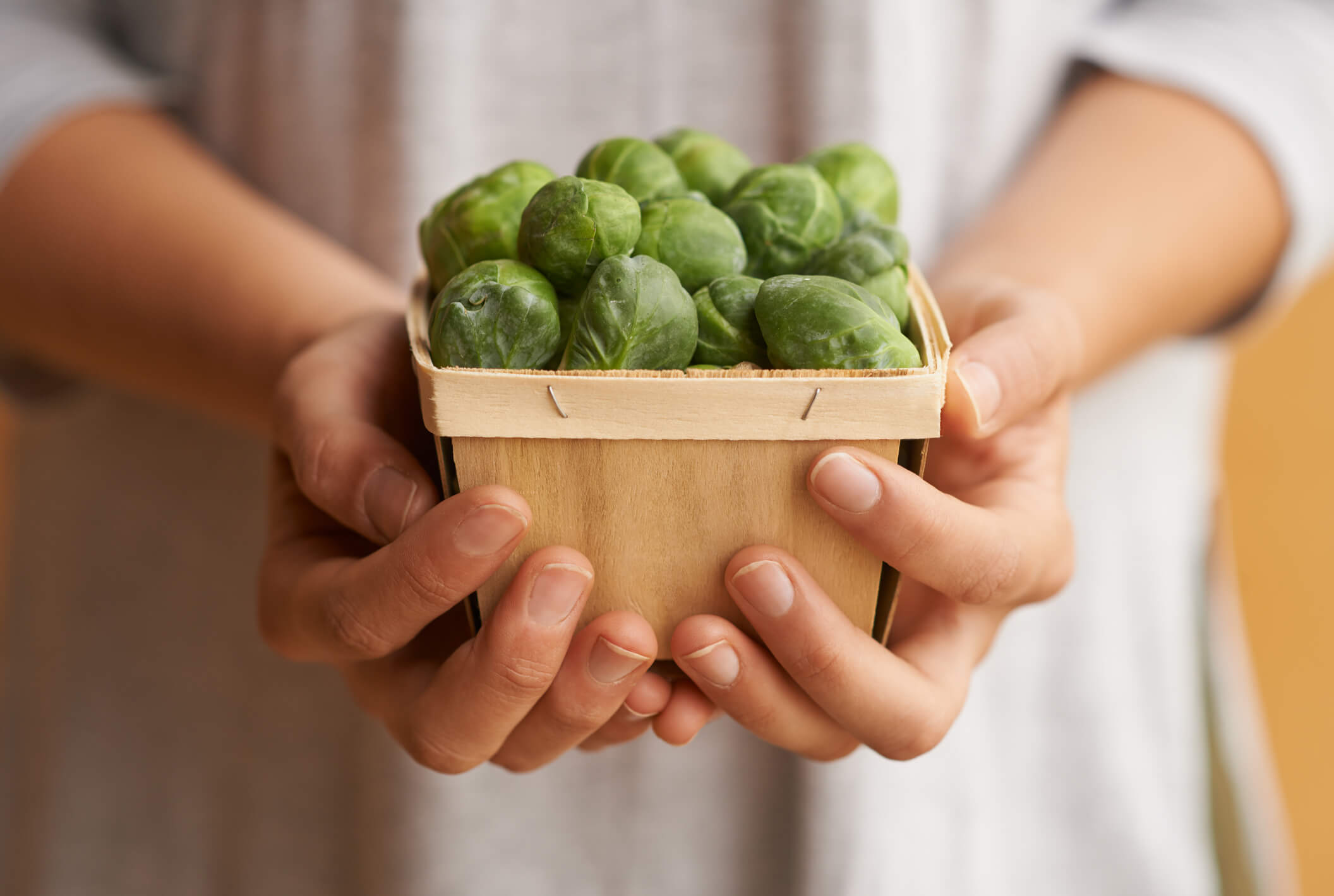
So, hear me out — if we can overcome our collective aversion to It’s a Wonderful Life, surely we can also become fans of something else that may not have appealed to us in earlier days: Brussels sprouts.
Brussels Sprouts Are Divisive
Let’s face it, Brussels sprouts are divisive little veggies. If you’ve tried them, you probably either love them or hate them already. If you’re new to Brussels sprouts, you may be hesitant because of the bad press you’ve run into. Their reputation may not have much to do with their flavor (let alone their nutritional properties), but may be mostly based on their strong odor when cooked, or possibly the fact that they’re often served as over-boiled mush.
But, like Capra’s classic tale of redemption, Brussels sprouts have made a big comeback. These days they’re lighting up the culinary world, with oodles of online recipes and demos showing us how to get them just right. For previous generations who grew up exposed to mushy, smelly Brussels sprouts, this particular redemption tale must seem particularly miraculous.
If you’re in the “don’t like them” or “haven’t really tried them” group, we hope to change your mind and help you become a raving fan! If you’re already a Brussels sprouts buff, we aim to load you up with persuasive info and delicious recipes to sway the naysayers in your life. In this article, we’ll look at the nutrition and health benefits Brussels sprouts have to offer, discuss a few potential downsides, and explore the many ways you can prepare and use them to create delicious meals.
Are Brussels Sprouts Really From Brussels?
Brussels sprouts don’t grow in the wild and aren’t native to the United States, so where did they come from?
Unlike french fries, Moscow Mules, and Spanish flu, Brussels sprouts did in fact originate somewhere in the vicinity of the region that bears their name. Brussels sprouts have been grown in Belgium since the 13th century, and, starting in the 16th century, spread from there to other countries in Europe. The French did the PR work, coining the name for the tiny cabbage-looking and -tasting veggies.
In addition to naming the vegetable, the French also introduced Brussels sprouts to Louisiana in 1800, from where they spread throughout the US.
Today, we know Brussels sprouts as spherical little green veggies — almost like miniature heads of cabbage — that grow in groups on a thick stalk. You can generally purchase them (still on the stalk, or removed and loose or in a bag) from many stores and farmers’ markets.
Interestingly, Brussels sprouts and other cruciferous veggies — including broccoli, cauliflower, cabbage, kale, bok choy, arugula, collards, watercress, radishes, kohlrabi, and mustard greens — are actually all the same species: Brassica Oleracea, of the mustard plant family. Botanists and growers have bred this primordial brassica into dozens of different varieties over hundreds of years. It’s the lateral leaf buds of this plant that became what we know as the Brussels sprouts cultivar.
Brussels Sprouts Nutrition
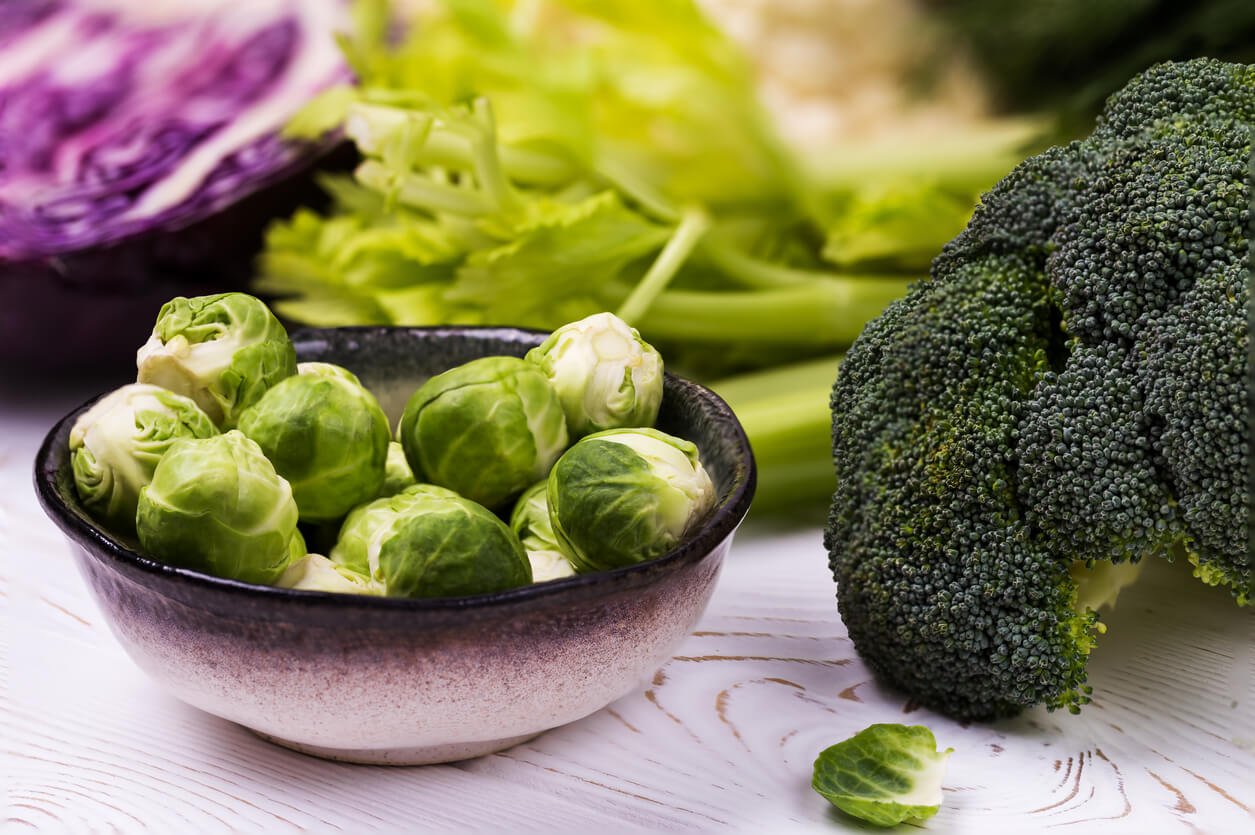
Brussels sprouts may be tiny, but they’re big on nutrition. These little veggies are high in potassium, vitamin C, vitamin B6, folate, vitamin A, and vitamin K1. They’re also a good source of iron, magnesium, phosphorus, and calcium. What’s more, in one cup of Brussels sprouts you’ll find only 38 calories, but a solid 3 grams of protein and 3.5 grams of fiber.
They also contain compounds called glucosinolates. These are potent precursors to the powerful antioxidant sulforaphane, which are in broccoli and other Brassica vegetables, too. Sulforaphane is an extraordinary nutrient with uniquely powerful anti-inflammatory, neuroprotective, anticancer, and antimicrobial properties.
Cruciferous vegetables, in general, are good sources of phenolic compounds, flavonoids, and carotenoids. These are all science-y terms for potent compounds found in plant foods, all of which offer a bunch of health benefits.
The way you cook your Brussels sprouts appears to influence how much of these nutrients you’ll actually get. Studies have found that boiling reduces the level of phenolic compounds and other antioxidants the most (yet another reason to reject the “boil until they’re the consistency of applesauce” technique you may have grown up with).
Benefits of Brussels Sprouts
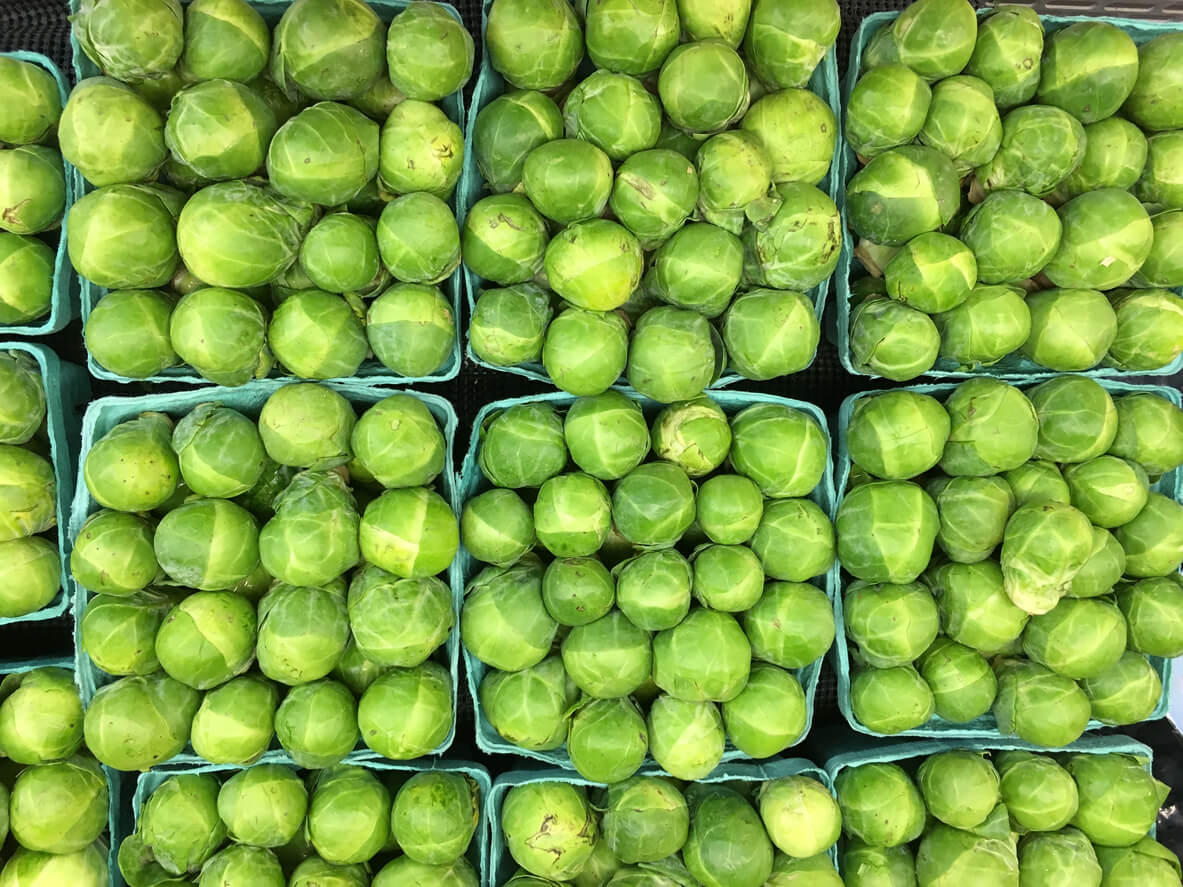
Many of the health benefits that Brussels sprouts have to offer are thanks to the powerful plant compounds they contain. Below are some of the health-related reasons that you may want to consider adding them to your diet.
1. They may help reduce your risk of heart disease.
Brussels sprouts are rich in fiber, a nutrient known to benefit your heart health by lowering high LDL cholesterol levels and preventing plaque build-up that can lead to a heart attack or stroke.
As members of the cruciferous vegetable family, they may also benefit your circulatory system. In fact, a diet high in cruciferous vegetables has been found to be inversely associated with the thickness of the carotid artery, which has to do with how much plaque build-up there is (and therefore with the risk of heart disease).
One 2021 study published in the British Journal of Nutrition provided a food frequency questionnaire to 684 older women in order to see if there was a relationship between cruciferous vegetable intake and calcification in the abdominal aorta (the end of the largest blood vessel that carries blood away from the heart).
After adjusting for other lifestyle, dietary, and heart disease risk factors, the researchers found that the women who had the highest intake (at least 44 grams per day) of cruciferous vegetables — including Brussels sprouts, cabbage, cauliflower, and broccoli — had a 46% lower risk of extensive calcification in the abdominal aorta. Remarkably, this positive association was not observed for total vegetable intake, strengthening the case for eating more cruciferous veggies in particular to improve heart health outcomes.
2. They may offer anticancer benefits.
Sulforaphane is known to have strong anticancer properties. While the mechanisms of action are still being researched, one hypothesis is that sulforaphane actually inhibits specific enzymes that are involved in activating cancer cells. Eating Brussels sprouts is a great way to get this compound into your body.
A 2002 study published in the journal Food and Chemical Toxicology looked at the effects of Brussels sprout juice on damaged DNA in human liver cells within a test tube setting. The authors found that Brussels sprout juice was highly protective against DNA damage and offered chemoprotective benefits. (Hollywood studio moguls reading this, here’s a pitch: Jeff Goldblum eats Brussels sprouts before getting into the teleportation machine with that fly and comes out totally unchanged. On second thought, maybe not.)
3. They may support healthy weight loss.
Research suggests that isothiocyanate compounds in Brussels sprouts target fat cells and could help reduce obesity. In a 2018 animal study, researchers found that when these compounds were fed to mice on a high-fat diet, they helped reduce body weight, accumulation of fat droplets in the liver, and fat cell size. (For reference, our view on the use of animals in medical research is here.)
In another animal study using high-fat-, high-sucrose-fed obese mice (in this case, ethically questionable animal testing meant feeding mice like many humans feed themselves), researchers examined the relationship between sulforaphane and leptin responsiveness. Leptin is a “hunger hormone” that tells us to reduce food intake and increase energy expenditure, preventing weight gain. In the study, the authors found that treatment with sulforaphane along with a leptin injection resulted in significant decreases in food intake and weight gain. Overall, they concluded that sulforaphane may help improve leptin responsiveness in diet-induced obesity.
4. They may help protect your brain.
The compounds in Brussels sprouts also appear to protect against central nervous system diseases by activating what’s called the “nuclear factor erythroid 2-related factor pathway” (you need a pretty sharp brain just to read that), which is involved in activating brain-protective enzymes. Furthermore, sulforaphane appears to act on other pathways that boost the longevity of brain cells and help prevent neurodegeneration.
Brussels sprouts contain compounds that help protect against oxidative stress-induced damage in the brain. Specifically, a connection exists between the accumulation of amyloid-beta in the brain and the progression of neurodegenerative disease processes like Alzheimer’s dementia. A 2013 study conducted on mice found that the antioxidant kaempferol — extracted from Brussels sprouts — helped to protect the brains of the mice against the buildup of amyloid beta toxicity.
5. They may have anti-inflammatory benefits.
It’s not surprising that with all of these other disease-fighting properties, Brussels sprouts may also offer benefits when it comes to inflammation in the body (which is often an underlying factor in many chronic diseases). For example, isothiocyanate from cruciferous vegetables can suppress the expression of inflammatory markers in mammals and can downregulate inflammation in test tube studies.
In a 2015 study published in the Journal of the Academy of Nutrition and Dietetics, researchers evaluated the association of vegetable intake with inflammatory and oxidative stress markers among 1,005 Chinese women. The authors found that a higher intake of cruciferous vegetables — including Brussels sprouts — was associated with lower circulating levels of inflammatory markers in the women’s blood.
Downsides of Eating Brussels Sprouts
While Brussels sprouts have a lot of good things to offer, there may also be a few downsides to consider if they’re new to you.
Gas
First of all, eating them may cause you to experience more gas than usual. The main reason for this is that Brussels sprouts contain raffinose, an indigestible oligosaccharide that can be a bit of a challenge for your digestive system if you’re not used to it. They’re also high in fiber, which, when combined with raffinose, can be a double whammy for people who may not be used to eating much of it. Still, these compounds have a beneficial effect on the bacteria in your gut, and raffinose is actually recommended to help prevent digestive cancers — so think of Brussels sprouts like weightlifting for your gut. Start light and slow, then build up as you get stronger.
Brussels sprouts are also high in organosulfur compounds. These are what give them that sulfurous smell, which sometimes translates to the smell of passed gas after eating them (as well as other cruciferous veggies). The best strategies here are to chew well, eat slowly, and hang out with other people who have just eaten the same thing for plausible deniability.
Drug Interactions
If you take blood-thinning medications it may be a good idea to speak with your doctor before adding Brussels sprouts to your diet, just to make sure there are no interactions to consider. For instance, one older study showed that eating 400 grams — or approximately 4 cups (which is a lot, by the way!) — of Brussels sprouts daily caused an interaction with the blood-thinning drug Warfarin, causing it to work less efficiently.
Goitrogens
People who have thyroid problems may want to cook Brussels sprouts and other cruciferous vegetables before eating them (rather than juicing them or otherwise consuming them raw). This is because they contain compounds called goitrogens that can interfere with iodine uptake and thyroid hormone production, and cooking cruciferous vegetables lessens those goitrogenic properties.
For most people who are getting enough iodine and selenium, this is unlikely to be a problem. To minimize your risk of having any problems with goitrogens in Brussels sprouts and other cruciferous vegetables, though, you can make sure they don’t monopolize your diet, eat them more often cooked than raw, and eat a variety of other healthy whole plant foods in addition to the brassicas.
Pesticides
The FDA’s most recent pesticide report indicates that 26 of the 31 samples of Brussels sprouts they tested had pesticide residues present. It’s not clear exactly which pesticides were used on them, but they were likely comparable to those used on cabbage (given their near-identical taxonomy). Conventionally grown cabbage is exposed to 11 commonly used pesticides including neurotoxins, carcinogens, suspected hormone disruptors, and reproductive toxins, as well as compounds that are toxic to honeybees. So, it’s ideal to buy organic whenever possible — or to grow your own. If you do purchase conventionally grown Brussels sprouts, be sure to wash them thoroughly to help remove unwanted residues.
Choosing & Storing Brussels Sprouts
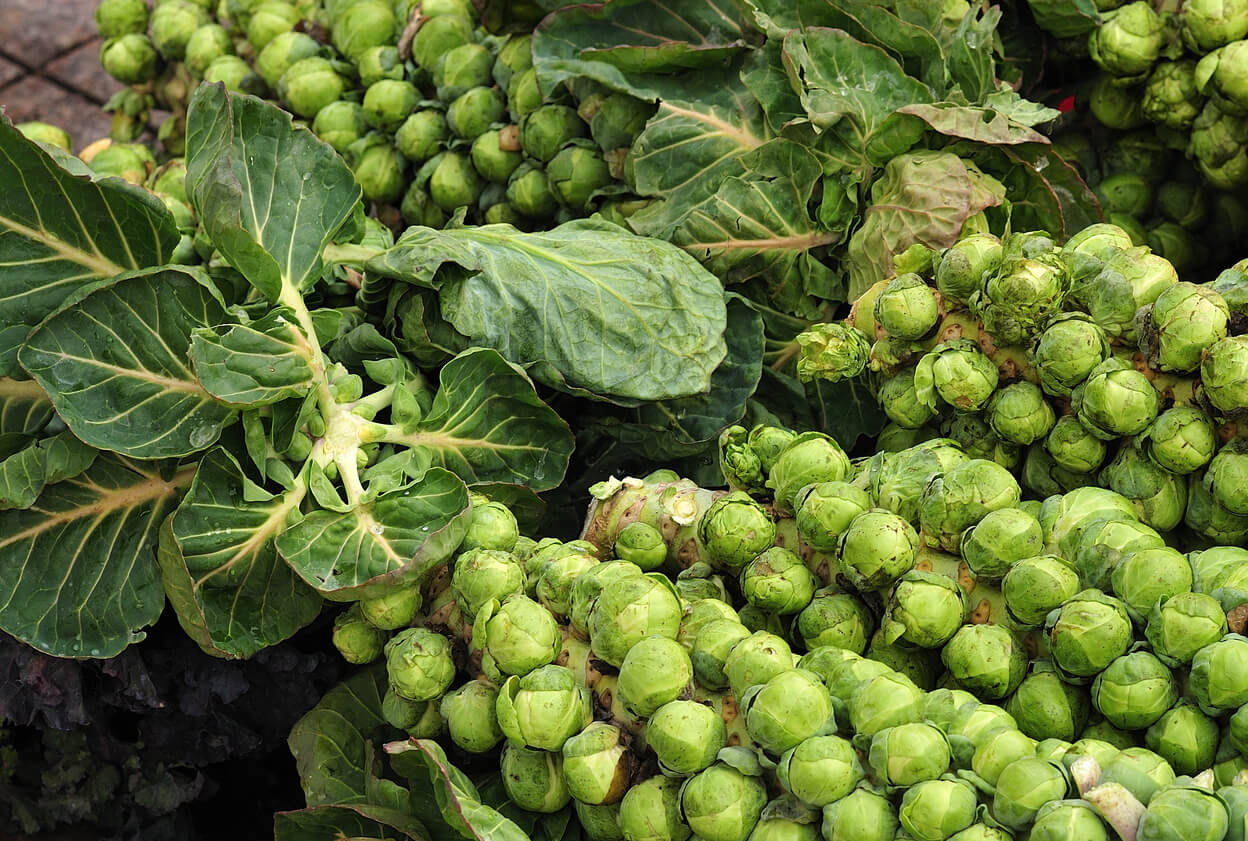
High-quality Brussels sprouts are about one inch (2.5 centimeters) in diameter or slightly larger. They are firm with green outer leaves and a white cut end. They can be found frozen year-round, and are usually available fresh and in season during the fall and winter months.
You’ll find fresh Brussels sprouts loose, in bags, or still attached to their stalks. Look for them in the produce or frozen section of your grocery store. You may also find them at farmers markets, in CSA (community-supported agriculture) shares, or at local U-pick farms if they’re grown in your area.
If you purchase them fresh, Brussels sprouts should be stored in the refrigerator to maintain their freshness for as long as possible. They’re sensitive to ethylene gas, which can make them degrade faster, so be sure not to store them near ethylene-producing foods like apples, bananas, and tomatoes. (Cinematic sequel: “Attack of the Ripening Tomatoes” — like the original, just less gory. Anyone?)
In the refrigerator, you can store Brussels sprouts for a week to 10 days. If they’re loose, it’s best to place them in a reusable produce bag and keep them in the crisper drawer. If you don’t plan to use your Brussels sprouts right away, though, you may want to opt for the kind that’s still on the stalk, as these tend to stay fresh for longer. Break off sprouts from the stalk when you’re ready to eat them.
Best Ways to Prepare Them
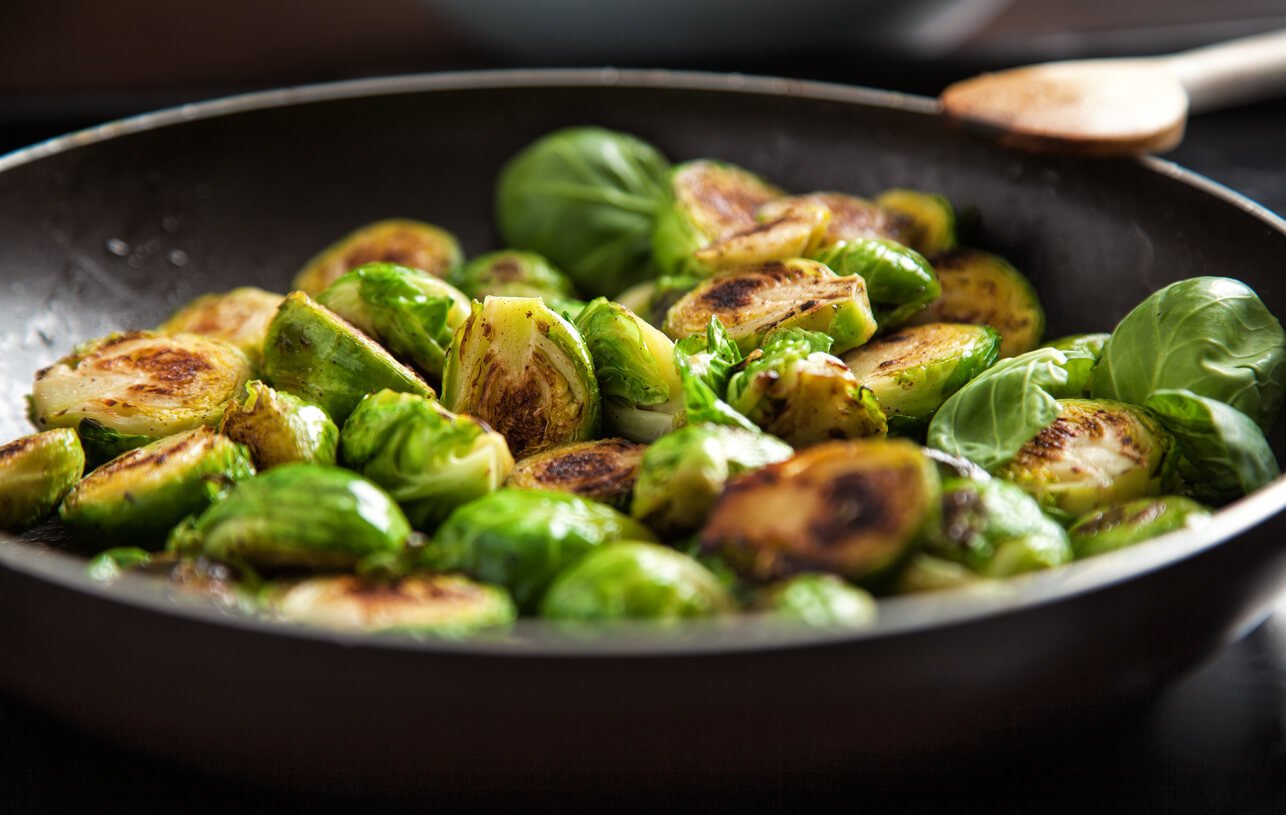
Like many cruciferous vegetables, Brussels sprouts can taste bitter to some people — but this is ultimately all about how you prepare them. The cooking method, seasoning, and foods you pair with them can make or break your Brussels sprouts experience.
Cooking Methods
Here are some of the most popular ways to cook Brussels sprouts, including tips for best results.
- Roasting: Cut your Brussels sprouts in half and spread them out on a baking sheet. Here, toss them with a liquid and a seasoning of your choice. This might be water, vinegar, soy sauce, lemon juice, or vegetable stock along with salt, pepper, and herbs or spices. Be sure they are spread evenly on the baking sheet so as not to overlap with one another. Then, roast them in the oven at 425°F for around 20–25 minutes. Check on them halfway through — by which I mean give them a gentle shuffle, as opposed to asking, “Comment allez-vous?” The outer leaves should be crispy and light brown, but not charred.
- Air-Frying: If you’re using an air fryer, space your Brussels sprouts out in the basket — by which I mean avoid overcrowding them, as opposed to playing meditative electronic music. Set the time and temperature, or choose a preset setting to cook them. A good place to start is 350°F for 15–18 minutes. Shake, toss, or flip your sprouts halfway through to cook them evenly and prevent sticking and burning. Once done, they should come out browned, crispy, and tender inside.
- Steamed: To steam Brussels sprouts without overcooking them, start by bringing an inch of water to a boil in the bottom of a pot you can fit a steamer basket into. Place your trimmed and cleaned sprouts in the basket, set over the boiling water, cover, and steam until tender to the bite (this should take about five minutes). Be sure not to leave them much longer so as not to make them mushy. You can test one with a fork; when you stab it and feel little resistance, take your sprouts off the heat and serve.
- Sauteed: Heat your skillet and add a small amount of liquid (like vegetable broth or water if you’re oil-free). Add your Brussels sprouts and cook, stirring often to prevent sticking and promote even heating.
What Foods and Flavors Go Well With Brussels Sprouts?
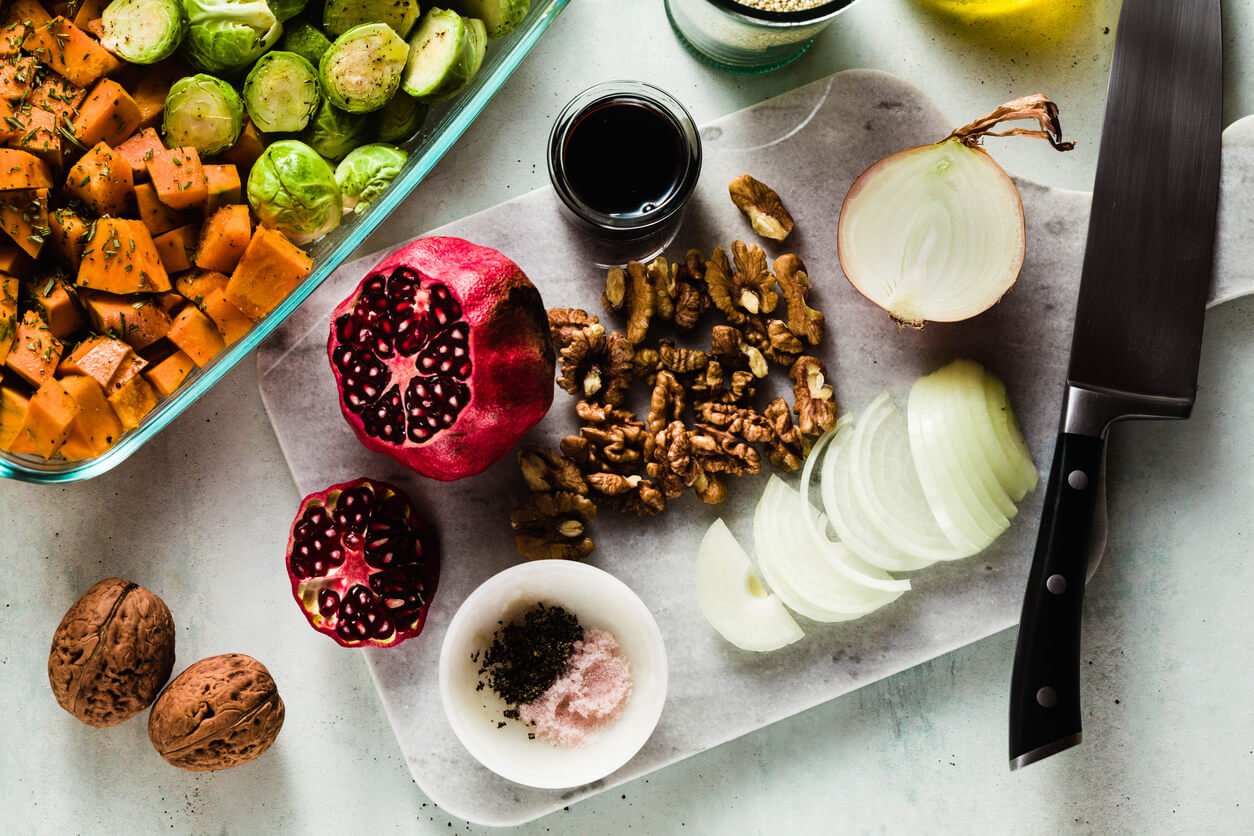
Brussels sprouts can have a sharp, bitter taste when raw or undercooked. Pair prepared sprouts with sweet, nutty, and smoky notes.
Some recommended pairings include:
- Herbs and spices: salt, pepper, paprika, thyme, parsley, red pepper flakes
- Other veggies: garlic, onions, sweet potatoes
- Fruits: pomegranate arils, dried cranberries, apples, pears
- Nuts and seeds: walnuts, pecans, pine nuts, sunflower seeds
- Liquids and sauces: balsamic or apple cider vinegar, lemon juice, soy sauce, veggie stock, tamari, maple syrup, date syrup, molasses, vegan aioli, tahini
While these combinations are a good starting place, you can experiment with these and other ingredients to find methods and recipes that you love.
Ways to Use Brussels Sprouts in Meals
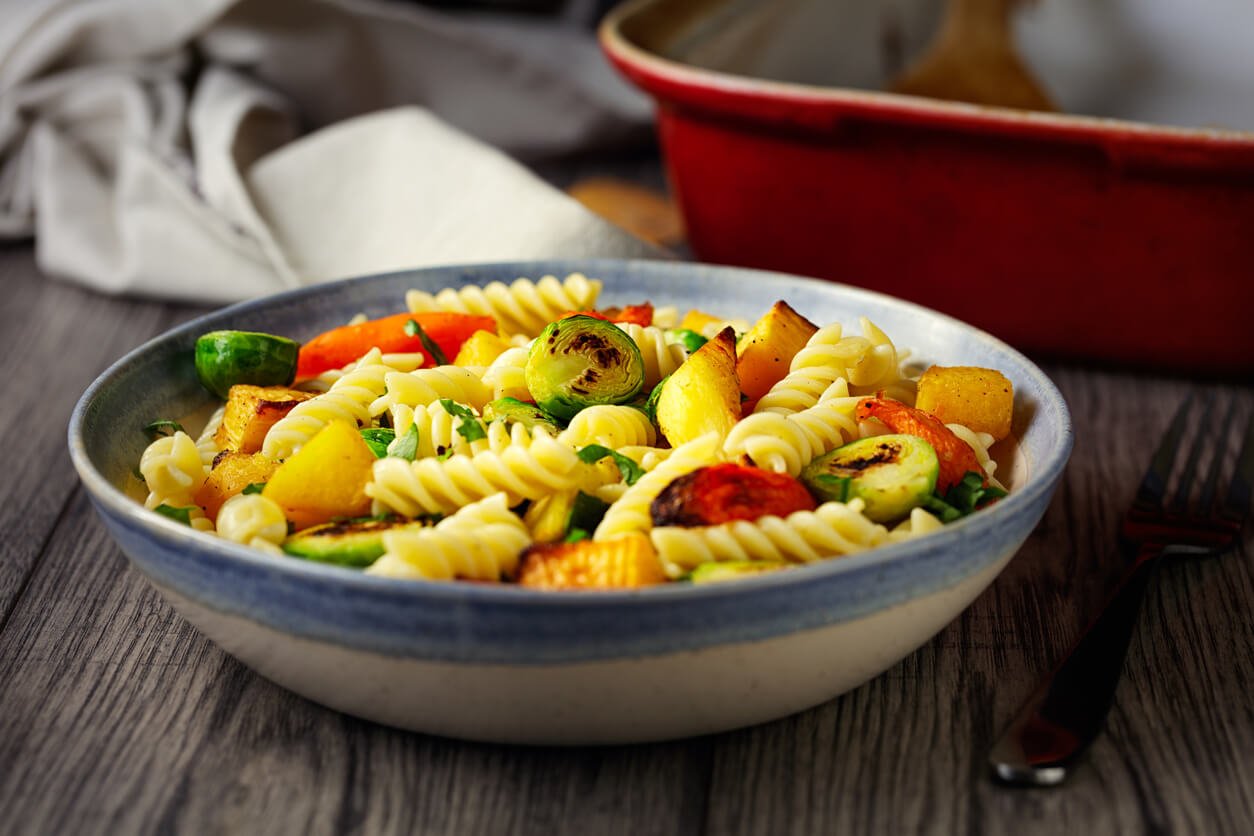
There are plenty of ways to enjoy Brussels sprouts that don’t have to involve making them smelly and mushy. Some of our team’s favorite ways to enjoy them include:
- Roasted, steamed, or sauteed as a side dish for just about anything.
- As an appetizer, served with a dipping sauce.
- Raw and shredded in a salad like you might use red cabbage.
- In a stir-fry with other veggies, tofu, and a savory sauce.
- In pasta dishes and casseroles for added texture and flavor.
- Shredded on top of pizza.
- In grain bowls.
- With a breakfast hash.
Brussels Sprouts Recipes
Are you ready to discover — or share — your love for Brussels sprouts? Consider trying and serving them in a variety of different ways. For example, sometimes changing the style of cut from sliced to shaved — basically, changing the texture — can influence how much you like them. Or, perhaps you don’t enjoy them raw. That doesn’t mean you (or your dinner guests) won’t love them roasted! The recipes below will give you a chance to experiment with flavors, textures, and preparation.
1. Roasted Brussels Sprouts and Sweet Potato Salad
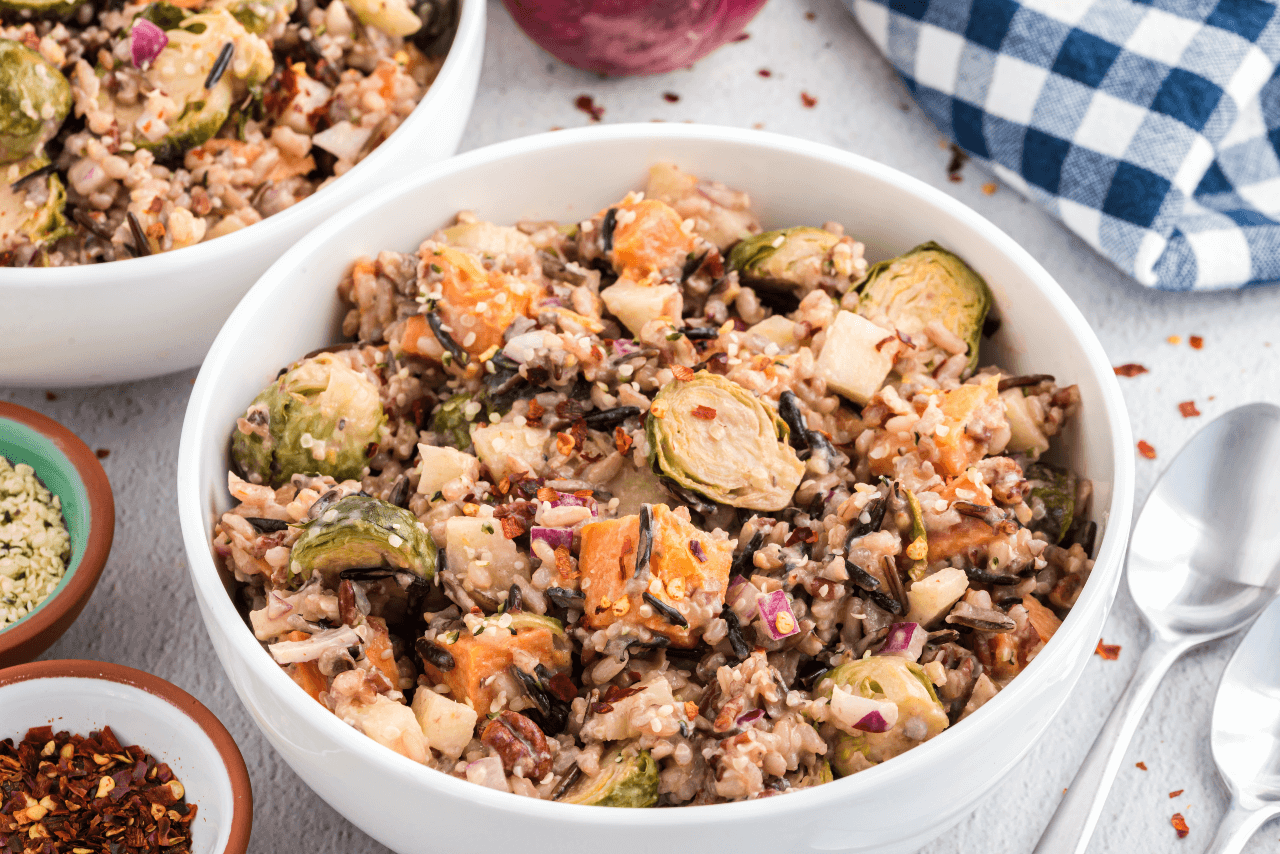
This salad features Brussels sprouts, pecans, red onion, and pear, meaning it’s full of flavor, texture, and nutrition. Roasting Brussels sprouts brings out a little sweetness and changes their texture from tough to tender. When you pair them with sweet potato, wild rice, and a creamy orange dressing, you end up with a decidedly delicious and satisfying salad!
2. Brussels Sprouts and Pear Slaw With Turmeric Tahini Dressing
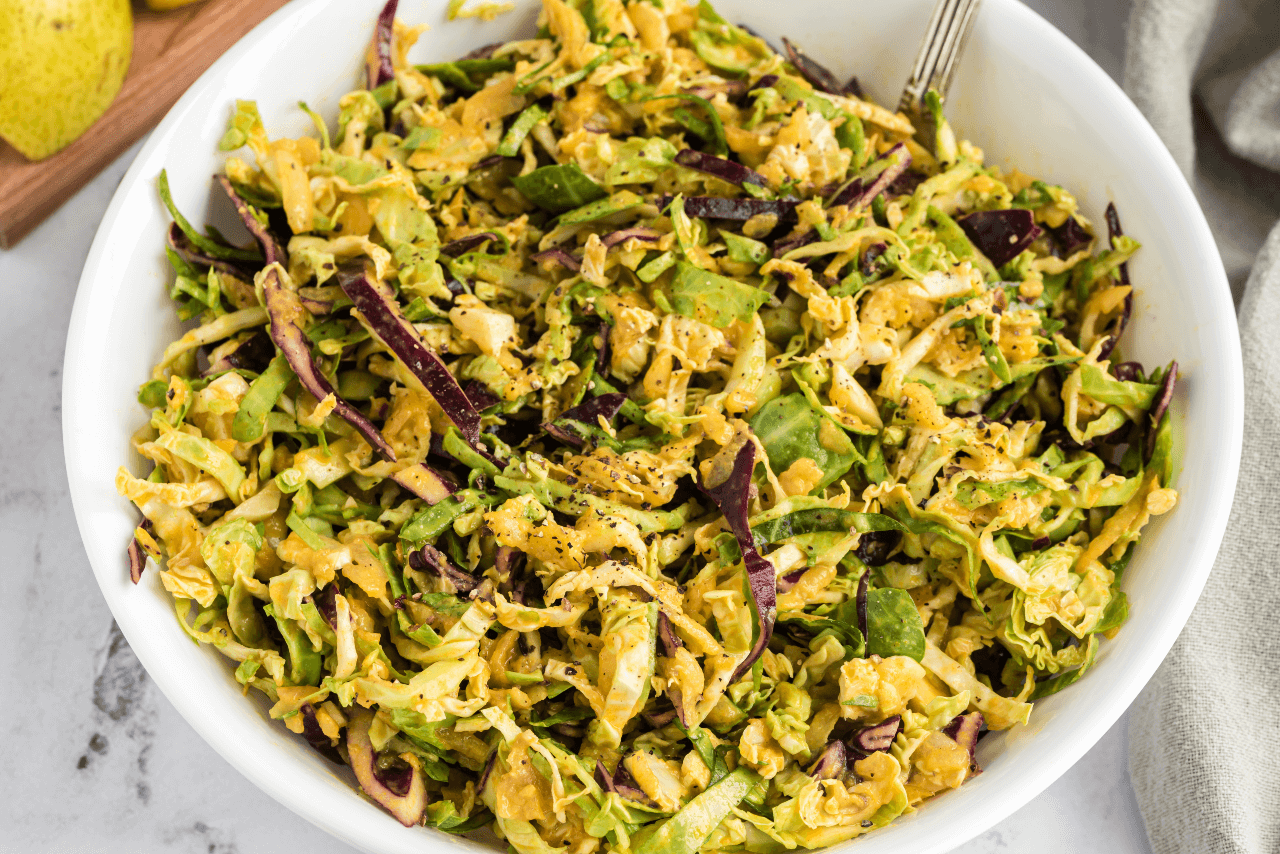
Brussels sprouts may not be everyone’s favorite, so we encourage you to try them in a variety of ways. Simply changing the way they’re cut or cooked can turn you from a loather to a lover. When Brussels sprouts are shaved into a slaw then combined with sweet pear, they’re especially delicious. Enjoy this slaw by itself, on top of a veggie burger, or in a grain bowl.
3. Boiled Brussels Sprouts With Spicy Mustard Dipping Sauce
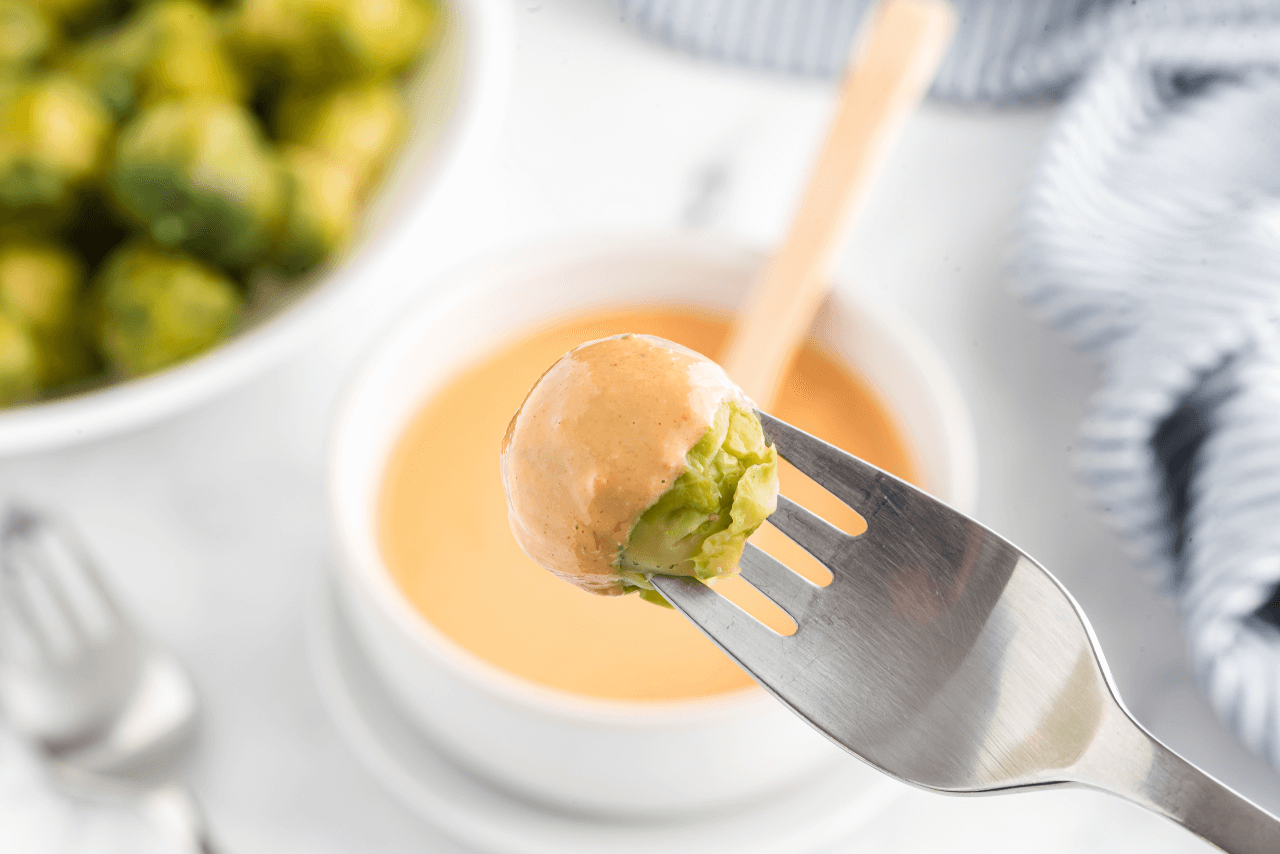
These Brussels sprouts act as the (nutritious) vehicle for the creamy, tempting sauce. If you don’t love raw Brussels sprouts because of their bitterness, boiling or steaming them can significantly reduce that intensity. Though you will lose some nutrients through the cooking process, it’s still worth a try. You might even find that this gives you your breakthrough Brussels sprouts experience.
Give Brussels Sprouts a Chance
Brussels sprouts are highly nutritious and have a lot of health benefits, especially because they’re an abundant source of the glucoraphanin that your body uses to make sulforaphane. A small subset of people may experience downsides like gas, but for the vast majority they can be a health-promoting part of a balanced diet. To get your Brussels sprouts tasting (and smelling) their best, try different cooking methods and experiment with seasonings, flavors, textures, and food pairings. After reading this article, we hope you’ll give Brussels sprouts another try if you weren’t a fan — and if you already were, please share your favorite way to make them below! Remember, every time you cook Brussels sprouts well, an angel gets a new apron.
Organic Lion’s Mane Mushroom, proven to grow new brain cells and synapses. Guard against Alzheimer’s, dementia, and mental decline. Save 10% and get free shipping with a subscription!“I can feel my mind getting sharper with Lion’s Mane. I put it in my coffee.”
Get your Lion’s Mane from Ascent Nutrition, one of the most pure and potent in the industry.

Stillness in the Storm Editor: Why did we post this?
The news is important to all people because it is where we come to know new things about the world, which leads to the development of more life goals that lead to life wisdom. The news also serves as a social connection tool, as we tend to relate to those who know about and believe the things we do. With the power of an open truth-seeking mind in hand, the individual can grow wise and the collective can prosper.
– Justin
Not sure how to make sense of this? Want to learn how to discern like a pro? Read this essential guide to discernment, analysis of claims, and understanding the truth in a world of deception: 4 Key Steps of Discernment – Advanced Truth-Seeking Tools.
Stillness in the Storm Editor’s note: Did you find a spelling error or grammatical mistake? Send an email to [email protected], with the error and suggested correction, along with the headline and url. Do you think this article needs an update? Or do you just have some feedback? Send us an email at [email protected]. Thank you for reading.
Source:
https://foodrevolution.org/blog/brussels-sprouts/
Support our work! (Avoid Big Tech PayPal and Patreon)DIRECT DONATION
The best way is to slice them thinly crosswise, this is so that the edges will brown and slightly caramelize as they soak up the hot butter (or bacon fat) as you pan fry them. Make sure the skillet is hot before you add them and don’t crowd the pan, or they won’t all get done that way. Are you drooling yet?
Whoops did I say crosswise I meant lengthwise (in the direction of stem to top). Sorry, dyslexics are teople poo LOL