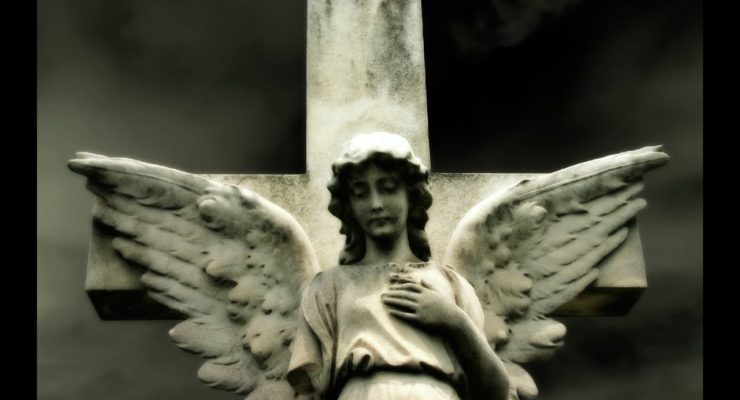
(Atlantean Gardens) Europe is the only region projected to see a decline in its total population between 2010 and 2050. Although Christians will continue to be the largest religious group in the region, Europe’s Christian population is expected to drop by about 100 million people, falling from 553 million in 2010 to 454 million in 2050.
atlantean gardens
Thracian Legacy and Ancient European History

(Robert Sepehr) In classical antiquity, Illyria was a region in the western part of the Balkan Peninsula inhabited by numerous tribes of people collectively known as the Illyrians. Besides them, this region was also settled, in various times, by some tribes of Celts, Goths and Thracians.
Legend and Mystery of the Holy Grail
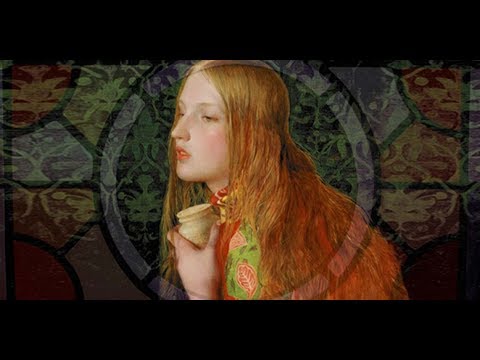
(Robert Sepehr) In medieval legend, the cup used by Jesus at the Last Supper, and in which Joseph of Arimathea received Christ’s blood at the Cross. Quests for it undertaken by medieval knights are described in versions of the Arthurian legends written from the early 13th century onward. Some researchers have concluded that the legendary Holy Grail is simultaneously the womb of Mary Magdalene and the sacred royal bloodline she gave birth to.
Ancient Nordic and Indo-European Symbols and Mythology
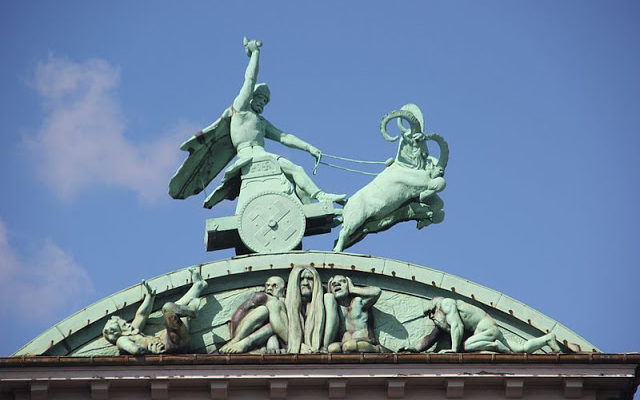
(Robert Sepehr) Thor is the Norse god of thunder, the sky, and agriculture. He is the son of Odin, and the defender of Asgard, realm of the gods, and Midgard, the human realm. He developed from the earlier Germanic god Donar and became the most popular deity of the Norse pantheon. The modern English and German words for the fifth day of the week – Thursday and Donnerstag – both allude to Thor/Donar (“Thor’s Day”/“Donar’s Day”).
Gods of Thunder
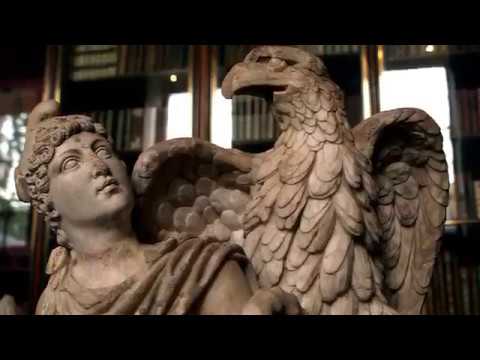
(Robert Sepehr) In Indo-European or Aryan cultures, the thunder god is frequently known as the chief, or King, of the Gods. Examples include Indra in Hinduism, Zeus in Greek mythology, Jupiter to the Romans, Perun in the ancient Slavic religion; Orko in Basque mythology. Thor, son of Odin, in Norse mythology. Marduk in Sumerian-Babylonian-Assyrian mythology. Hadad in Canaanite and Phoenician mythology.
Elemental Magic, Magnetism, and Astral Light

(Atlantean Gardens) Elemental magic is a paradigm through which one uses the will to affect reality, employing the archetypal forces of Nature: Water, Air, Earth, and Fire. A fairy is a type of mythical being or legendary creature in European folklore (particularly Celtic, Slavic, German, English, and French), a form of spirit, often described as metaphysical or supernatural.
Appalachian People, Culture, and History

(Atlantean Gardens) While the Appalachian Mountains stretch from parts of Canada to Alabama, the cultural region of Appalachia typically refers only to the central and southern portions ranging from the Blue Ridge Mountains of Virginia, south-westerly to the Great Smoky Mountains, and is called home by approximately 25 million people.
Goths, Barbarians, and the Fall of Rome
(Atlantean Gardens) The Goths were a Germanic people that played an important role in the fall of Rome through the long series of Gothic Wars and in the emergence of Medieval Europe. They dominated a vast area, which at its peak possibly extended all the way from the Danube to the Don, and from the Baltic Sea to the Black Sea.
Occult Forces: Mysteries of Freemasonry Unveiled
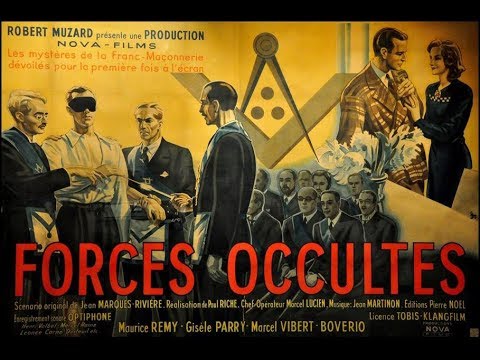
(Atlantean Gardens) Forces Occultes (Occult Forces – subtitled The mysteries of Freemasonry unveiled for the first time on the screen) is a French film of 1943, notable as the last film to be directed by ex-Freemason Paul Riche (the pseudonym of Jean Mamy). The film recounts the life of a young member of parliament who joins the Freemasons in order to relaunch his career. He thus learns of how the Freemasons are conspiring to encourage France into a war against Germany.
The Great Tartarian Empire
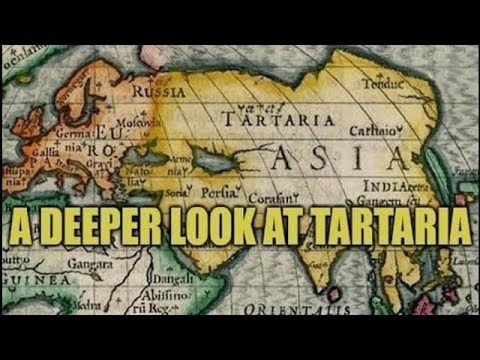
The Great Tartarian Empire
Moors, Shriners, Phoenicians and Freemasonry
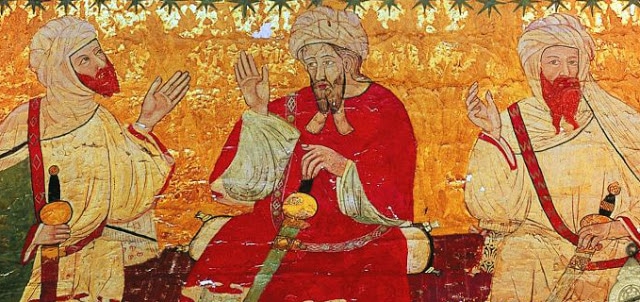
(Robert Sepehr) The people known as Moors today are an offshoot of the Berber people, a native population of north Africa, especially around the Atlas mountains. When Arabs conquered North Africa in the 7th and 8th centuries, one of the first people to convert were the white Berbers, who helped the Arabs in their spread of Islam, conquering the Iberian Peninsula, Southern France and Italy and the island of Sicily.
Divination, Synchronicity, and Gypsy Fortune Tellers

(Atlantean Gardens) The Roma people have historically been associated with fortune telling, common methods including palmistry, coffee or tea-leaf reading, crystal balls and tarot card reading among others. While the tarot was used by Romani people when telling fortunes, it was also used as a Jungian psychological apparatus capable of tapping into “absolute knowledge in the unconscious”. Cartomancy is fortune-telling or divination using a deck of cards.