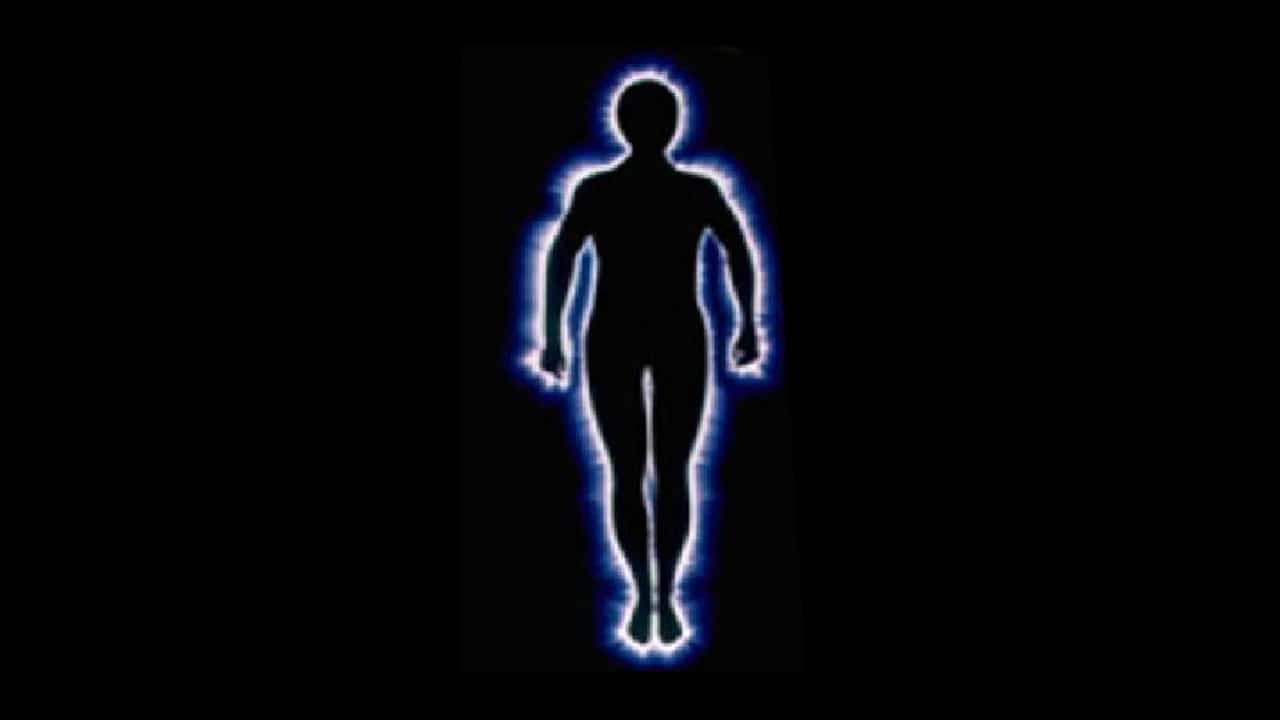
(Adam Goldberg) The question of what happens when we pass away has been one of the most compelling, common sense questions a human being could ask, for as long as we have existed from what we can tell. What is more important than what happens after we leave this life? Unfortunately an uncertainty about this seems to be something every single person has to go through.
by Adam Goldberg, November 27th, 2018
It feels like a common sense thing to have faith that something happens after this life: how would we exist now if we didn’t go somewhere when we leave this place? How could we even have peace on Earth without believing in some kind of existence after this one? Some people believe in reincarnation, some believe in a kind of heaven or even hell for people who harm others or go against some moral codes that certain people believe in, sometimes as part of a religious belief system.
Some people hold the bleak belief that when you pass away, your consciousness is fully gone forever, and you simply cease to exist.

(Image credit: spiritearthawakening)
So naturally scientists, whose job it is to quantify and tangibly measure things about our world and existence, are at work trying to figure out this grand mystery.
Buy Book Irreducible Mind: Toward a Psychology for the 21st Century
Researchers at New York’s Stony Brook University School of Medicine claim to have found solid evidence to suggest that for a short period of time after death, human brain activity still continues.

(Image credit: newyork.cbslocal)
Of course the heart stops beating, but they actually found that for a short period of time, the person who passed away will be aware of what is going on around them.
Sure enough, people who pass away can be fully aware of what’s going on, fully aware their life is over and that they are about to pass on to the other side.
Buy Book Journey of Souls: Case Studies of Life Between Lives
A deceased individual actually heard themselves being pronounced dead by medical staff, according to these scientists.
Most often the time of death is pronounced in a hospital setting like that at the moment when the heart ceases to beat. At that moment, blood stops circulating to the brain, and in almost an instant as far as they have known for years, the brain stem reflexes cease to function. Their gag reflex and pupil reflex is triggered: that’s an unsettling mental image.
The thinking part of the brain to state it simply, the cerebral cortex, also immediately slows down at this moment. Within a period of time usually between two to twenty seconds, the cerebral cortex activity flatlines. At this point, brainwaves can no longer be read through an electric monitor, and a chain reaction of cellular processes is underway, leading to the death of brain cells, and the person is closer to their fate.
Buy Book Life Before Life: Children’s Memories of Previous Lives
Now here’s where the new discovery comes into play: that process can actually sometimes take hours to complete. The thinking part of the brain can sometimes stay active for hours.
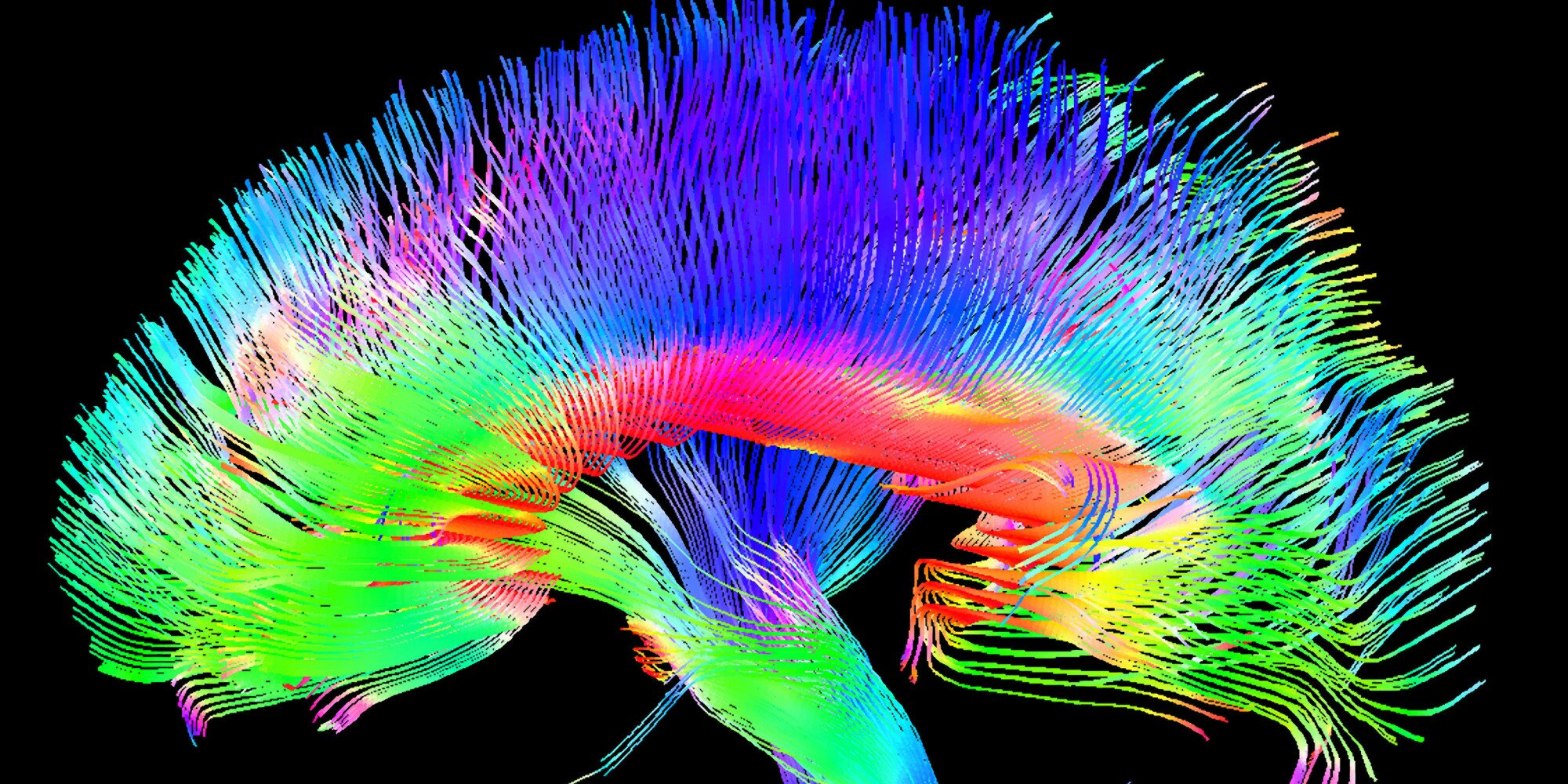
(Image credit: huffingtonpost)
An article called this understanding reached by scientists “grim,” but if you believe in an existence after this life, it doesn’t feel grim at all to know this.
To come to this understanding, the team analyzed cardiac arrest cases in both Europe and the United States.
Survivors of heart attacks noted they were fully aware of what was happening around them, as they were technically dead before being thankfully resuscitated. They even managed to perfectly recollect and describe things that happened after their hearts were no longer beating.
Buy Books Dolores Cannon’s Work: Reincarnation of ET Souls on Earth for a Divine Purpose
Leading the team of researchers, Dr. Sam Parnia said: “They’ll describe watching doctors and nurses working, they’ll describe having awareness of full conversations, of visual things that were going on, that would otherwise not be known to them.”
(Image credit: Sony Pictures Releasing)
He continued to explain the time a person is declared dead is all dependent on the moment their heart stops beating, which we know. So CPR is an attempt to restart the heart, and if that’s possible, the brain can start functioning again.
“The longer you’re doing CPR, those brain cell death pathways are still happening — they’re just happening at a slightly slower rate,” he continued.
They even explained that often, when a person has a near death experience, for more reason than one they may “return to life” more altruistic, humbled, and transformed in a positive way. “They become more altruistic, more engaged with helping others,”Parnia continued.
One positive thing that might come from this research is that resuscitation may be possible with less injury to the brain as the person’s heart is being restarted.
Not sure how to make sense of this? Want to learn how to discern like a pro? Read this essential guide to discernment, analysis of claims, and understanding the truth in a world of deception: 4 Key Steps of Discernment – Advanced Truth-Seeking Tools
Stillness in the Storm Editor’s note: Did you find a spelling error or grammar mistake? Send an email to [email protected], with the error and suggested correction, along with the headline and url. Do you think this article needs an update? Or do you just have some feedback? Send us an email at [email protected]. Thank you for reading.
Source:
Leave a Reply