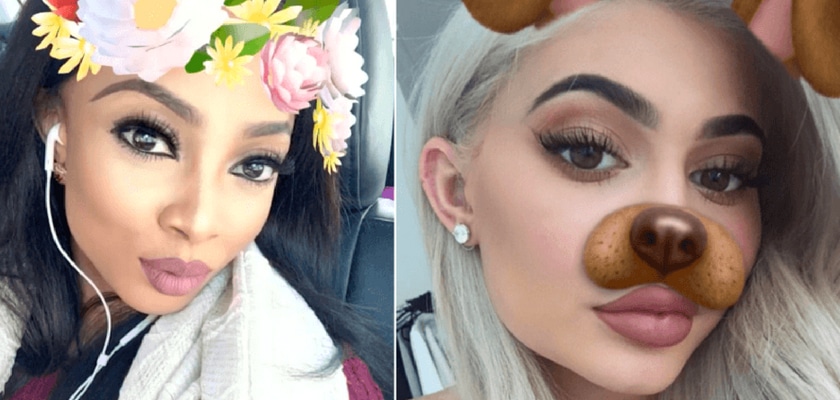
(The Antimedia) Plastic surgery has been popular in American and Western culture for decades, but the latest trend in industry reflects technology and social media’s influence on body image issues.
Related Why Smell is More Important Than You Think — Your Consciousness is Under Assault in the Modern Age
by Staff Writer, August 6th, 2018
According to a paper recently published in JAMA Facial Plastic Surgery by researchers from the Department of Dermatology at the Boston University School of Medicine, the fastest growing request in plastic surgeons’ offices is to look more like the images produced by Snapchat filters. Snapchat, a popular messaging app, offers filters that can smooth out the skin and nose, enlarge the eyes, and make the lips appear fuller. The authors of the paper, titled “Selfies—Living in the Era of Filtered Photographs,” say these filters “can take a toll on one’s self esteem, make one feel inadequate for not looking a certain way in the real world, and may even act as a trigger and lead to body dysmorphic disorder (BDD).”
BDD, which is classified on the obsessive-compulsive spectrum, is an “excessive preoccupation” with perceived flaws in physical appearance and is directly linked to insecurity and a lack of self-confidence. Recent research suggests that “those with a dysmorphic body image may seek out social media as a means of validating their attractiveness. Finally, those with a higher level of engagement on social media—including those actively trying to present a specific image of oneself or analyzing and commenting on others’ photos—may have a higher level of body dissatisfaction.”
Buy Book Glow Kids: How Screen Addiction Is Hijacking Our Kids – and How to Break the Trance
The connection between social media use, insecurity, and plastic surgery is also evident in individuals’ growing desire to appear more attractive in selfies, a pervasive element of social media activity. As the paper explains:
“Current data show that 55% of surgeons report seeing patients who request surgery to improve their appearance in selfies, up from 42% in 2015. The survey also noted an increase in the number of patients sharing their surgical process and results on social media.”
Though the JAMA paper lays out the growing trend, this is not the first time it has been recognized. According to one interview with a cosmetic surgeon published in the Independent in February, “People are increasingly going to see cosmetic doctors asking to look like filtered versions of themselves rather than celebrities.”
As Northwestern University professor of psychology Renee Engeln told the Huffington Post earlier this year:
“It’s not enough [to] have to compare yourself to these perfected images of models, but now you’ve got this daily comparison of your real self to this intentional or unintentional fake self that you present on social media. It’s just one more way to feel like your falling short every day.”
Buy Book Disconnect: The Truth About Cell Phone Radiation, What the Industry Is Doing to Hide It
Stillness in the Storm Editor’s note: Did you find a spelling error or grammar mistake? Send an email to [email protected], with the error and suggested correction, along with the headline and url. Do you think this article needs an update? Or do you just have some feedback? Send us an email at [email protected]. Thank you for reading.
Source:
https://theantimedia.com/plastic-surgery-snapchat-filters/
Leave a Reply