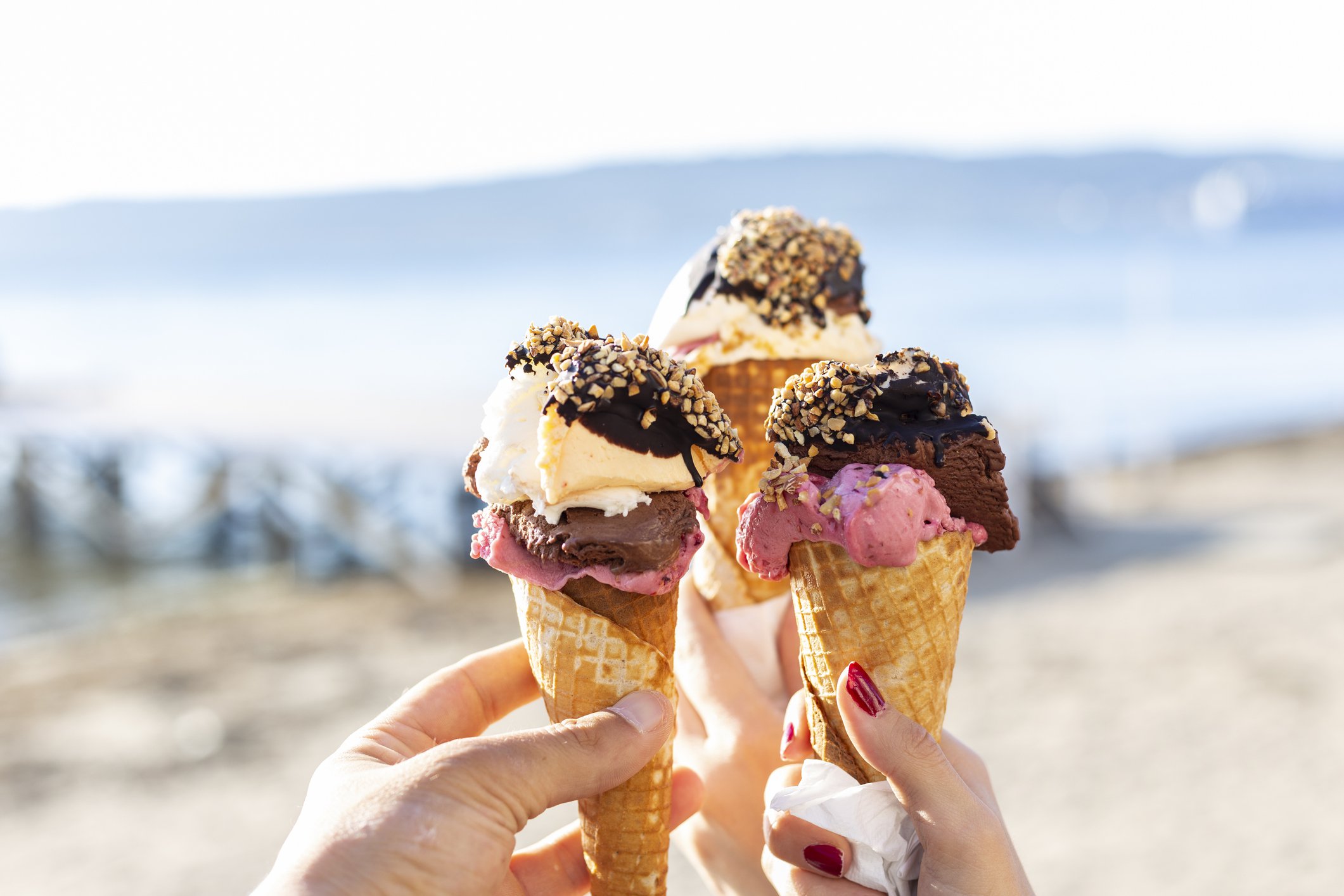
(Ocean Robbins) Ice cream isn’t exactly a health food, but are non-dairy ice creams any better for you? This article looks at the pros and cons of cows’ milk and vegan ice creams, answering the question of what the healthiest choice is when it comes to soft frozen desserts.
Related ‘Largest Undercover Dairy Investigation in History’ Uncovers Shocking Abuse at ‘Disneyland’ of Farms
by Ocean Robbins, August 2nd, 2019
“I scream, you scream…” — you know how it goes. Ice cream is one of the most beloved foods in the world. The average American consumes more than 23 pounds of ice cream per year. And with the plant-based movement in full swing, more and more consumers are opting for non-dairy ice creams.
You may know that my family is intimately familiar with ice cream. My grandfather, Irv Robbins, co-founded Baskin-Robbins. At the time, most folks seemed content with vanilla, chocolate, and strawberry — the classics. But he thought there should be more flavors — 31, in fact! And he brought smiles to a lot of faces.
Unfortunately, in case anyone on the planet missed the memo, ice cream is not a health food. It turns out that despite its delicious flavor, eating a lot of ice cream doesn’t do any favors for your long-term health.
Why Ice Cream Isn’t Healthy

My dad, John, was groomed from early childhood to one day join in the running of Baskin-Robbins. But when his uncle, Burt Baskin (my grandpa’s brother-in-law and business partner), was dying of heart disease, my dad decided he didn’t want to spend his life selling a product that might harm people’s health. So, he left the ice cream cone-shaped swimming pool in his backyard, and any access to the family wealth, to follow his own “rocky road.” Eventually, he became a best-selling author, inspiring many millions of people to eat more healthfully. In 2012, he co-founded, along with me, Food Revolution Network.
What about my Grandpa Irv?
Back in the 1980s, he had manufactured and sold more ice cream than any human being who had ever lived on this planet. And he was experiencing the health effects of eating the standard American diet (with a double scoop of ice cream) firsthand. He wound up overweight and suffering from the standard American diseases like type 2 diabetes and heart disease. Only after reading one of my dad’s books, Diet for a New America, did he turn his health around. He significantly reduced his meat and sugar consumption and even gave up ice cream. The result? He lost 30 pounds of excess fat, got off his blood pressure and diabetes medications (which he no longer needed), and lived for nearly two more healthy decades.
We’ve seen in our family, firsthand, that food matters. We’ve seen that changing our diets, at any stage of life, can make a big difference. So, why is conventional ice cream so bad for us?
I’m sure you don’t need another lecture on the health problems of sugar, but suffice it to say that ice cream has a lot of it. A single scoop can contain 25 grams of sugar. But leading health authorities recommend that women consume no more than 25 grams of added sugars, from all sources, per day. And most of the sugar in commercial ice cream comes in the form of high fructose corn syrup or genetically modified sugar beets.
And then there’s the “cream” part, which comes from saturated fat-loaded dairy. The more dairy you consume, the higher your risk of developing autoimmune diseases like multiple sclerosis, irritable bowel disorders, and skin and thyroid-related diseases.
Cow’s milk, used to make traditional ice cream, can increase levels of insulin-like growth factor (IGF-1), a hormone associated with heart disease, diabetes, and impaired cognitive function in the elderly. And dairy has been linked to cancer, too. In one 2008 prospective study, 43,000 adult men ages 45 to 74 years old were followed for a period of seven and a half years. The researchers found that those who ate the most dairy products had the highest risk of developing prostate cancer.
Ice cream manufacturers also frequently add artificial flavorings and dyes to make their product look and taste better. Some scientists caution that additives like Red 40 are linked to hyperactivity — and possibly ADD/ADHD and autism — in children.
Buy Book ADHD Does Not Exist: The Truth About Attention Deficit and Hyperactivity Disorder
Ice Cream and Your Brain
Given its negative health effects, why does the world eat so much ice cream? One reason is that dairy is literally addictive. Mild, opiate-like compounds called casomorphins can attach to the same receptors in your brain as addictive drugs. This causes your brain to release dopamine, a neurotransmitter responsible for giving the feeling of pleasure. Basically, the more you consume dairy, the more your brain craves it.
Casomorphins encourage baby calves to drink their mother’s milk and grow steadily. But unless you’re a baby cow wanting to bond with mama, then from an evolutionary perspective, milk has little to offer you today. Humans are, in fact, the only species that continues to consume milk past infancy. We’re also the only species that consumes the milk of another species.
By early childhood, most people lose the ability to produce lactase, the enzyme needed to digest lactose (the sugar in milk). This means that when many people eat dairy, their bodies don’t digest it well, and they experience some pretty unpleasant gastrointestinal side effects. This is called lactose intolerance, and 65% of the global human population has it. Is this some sort of fluke, or were most humans just not meant to keep eating dairy? Given the fact that almost two-thirds of humans are lactose intolerant, I’d lean towards the latter.
Are Non-Dairy Ice Creams Any Better?
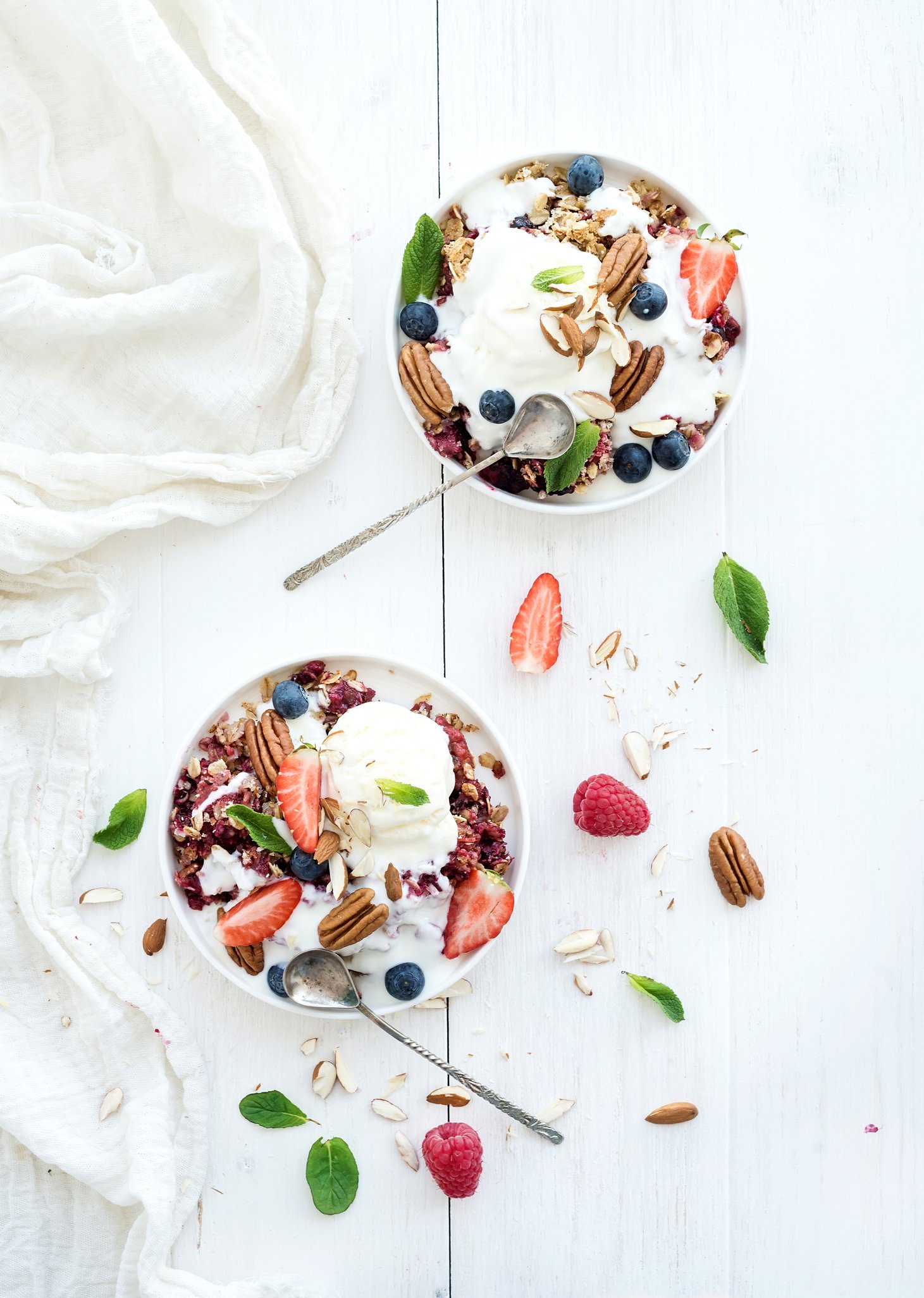
Walk down the frozen dessert aisle at the grocery store, and you’ll find shelves upon shelves of ice cream, in both dairy and non-dairy varieties. Vegan ice cream has expanded in recent years, but are these moo-free options any healthier than the cow’s milk-based original?
Well, yes and no. Some of the most popular non-dairy ice creams are cashew, almond, soy, rice, oat, and coconut milk-based. These are a nice reminder of how much the plant-based movement is growing, and they may be a fun, occasional treat. But most of them are still packed with added sugar.
In addition to sugar concerns, here are some things to be aware of when you’re strolling through the vegan ice cream section.
- Coconut milk ice cream contains a lot of saturated fat. In fact, coconut oil is nearly 90% saturated. Replacing saturated fat intake with unsaturated fats lowers your risk for heart disease. Is there a difference between animal-based and plant-based saturated fat, when it comes to impact on your health? Research is ongoing, and we need more information before determining that answer.
- Almond milk ice cream sounds nice and simple, but commercial almond milk often contains very few actual almonds. It’s mostly water that you’re paying for, though you wouldn’t know it from the price. A carton of almond milk only contains around 30 cents worth of almonds, though it can sell for $3.99. Most almond milk ice creams also contain a number of thickeners like guar gum and locust bean gum, flavorings, and of course, plenty of added sugar.
- Soy milk ice cream was one of the first non-dairy treats, and it remains a strong competitor. Though you should make sure that it’s organic soy to avoid any GMOs and pesticides, there are health benefits to consuming soy for most people. Still, consuming soy ice cream is not nearly as beneficial as eating whole soy foods, like tofu and tempeh.
- Cashew milk ice cream can be creamy and thick, but as with almond versions, there may or may not be many cashews. Be on the lookout for thickeners (a sure sign that they skimped on the nuts).
- Rice milk ice cream appeals to some people, but today’s rice has been shown to contain high levels of arsenic. The other problem with “rice cream” options is that rice is, like all grains, low in fat. In order to get that “creamy” texture, oil and thickeners are usually added.
- Oat milk ice cream, like versions made from rice and other grains, usually comes with added oils and thickeners. As a bonus concern, non-organically grown oats are often sprayed with glyphosate ( Roundup) as a desiccant, which is used to dry the crop out before harvest. If you want to avoid glyphosate, that’s a great reason to make sure you buy organically grown oats.
- Fruit-based sorbets and sherbets are great if they use real fruit. But sometimes, they use fruit juice from concentrate — or food dyes and “natural flavors” (a somewhat obscure term that could mean a number of things). And as if fruit isn’t sweet enough already, these commercial products often contain a bunch of added sugar.
What’s The Verdict?
Whatever your ice cream is made of, it’s pretty much guaranteed to be tasty. But when it comes down to the details, there are big differences between dairy and non-dairy ice cream. Here are some of the pros and cons of non-dairy ice cream.
- Pros: Non-dairy ice cream is better for the environment than traditional ice cream. The impact of industrialized animal agriculture — including most cows raised for dairy products — on the planet is enormous. Cows release a greenhouse gas called methane, which is more than 25 times as powerful at heating the atmosphere than carbon dioxide. Animal agriculture also uses a large amount of land, both for grazing cattle and growing crops to feed cows and other livestock.
When you choose non-dairy ice cream, you’re walking lighter on the earth, while saying no to the crueltyof factory farms. Non-dairy ice creams may also offer healthier ingredients than dairy. Additionally, some brands use organic ingredients and are Non-GMO Project certified, such as Coconut Bliss, NadaMoo!, and Almond Dream.
- Cons: Vegan ice cream is still highly processed, typically using refined oils like coconut, sunflower, and palm oil, the last of which is very often grown using methods extremely detrimental to the rainforests of the world. For example, So Delicious Oatmeal Cookie flavor, an oat milk ice cream, contains all three of these oils.
You’ll likely also find that many commercial non-dairy ice creams contain unwanted additives. For instance, “natural flavors,” cane sugar, tapioca syrup, brown sugar, locust bean gum, and guar gum. And lastly, vegan ice creams are not free from mix-ins like caramel, cookies, and brownies — each of which may have their own particular hazardous ingredients.
What about the versions that use agave nectar as a sweetener? It sounds nice, but I’m not a fan.
The Best Ice Cream Alternatives are Homemade
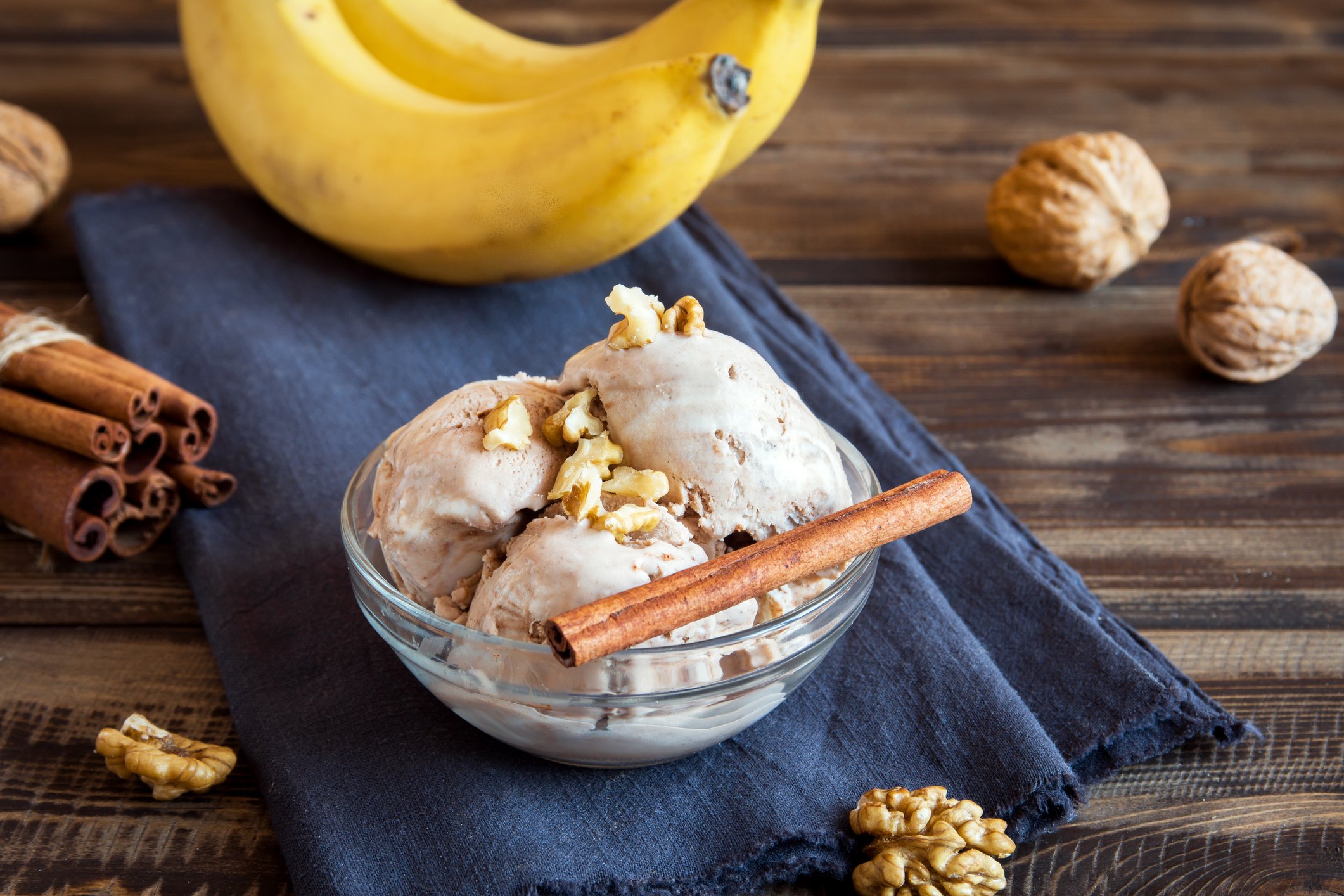
As with most foods, the healthiest way to enjoy ice cream is to make it at home. This way, you have total control over the ingredients. Sometimes this is called “N’ice cream,” and there are tons of recipes online and in plant-based cookbooks.
When making your own ice cream, avoid added sugars if possible. Fruit contains natural sugars that may contribute enough sweetness on their own. (Hello, frozen bananas!) Fruit is the healthiest natural sweetener you can find. When you make it yourself, you can also control the other main ingredients. For instance, you can use nuts, nut butters, and homemade nut milk made with cashews, almonds, or pistachios and filtered water.
Lastly, just because it’s homemade doesn’t mean that it has to be boring! You can add toppings like fresh fruits — such as blueberries, strawberries, or mangos — coconut flakes, dark chocolate, nuts, and seeds like chia, flax, or hemp.
Homemade ice cream can be as easy as mixing ingredients in a high-speed blender and eating it as soft serve. Or, you could take it one step further and pour the ice cream into a glass baking dish, then pop it in the freezer. You could also try out an ice cream maker like this one.
Buy Book Not Just a Pretty Face: The Ugly Side of the Beauty Industry
Homemade Ice Cream Recipes
Making your own ice cream can be really simple — plus, it’s SO tasty. Try some of these non-dairy ice cream recipes we love.
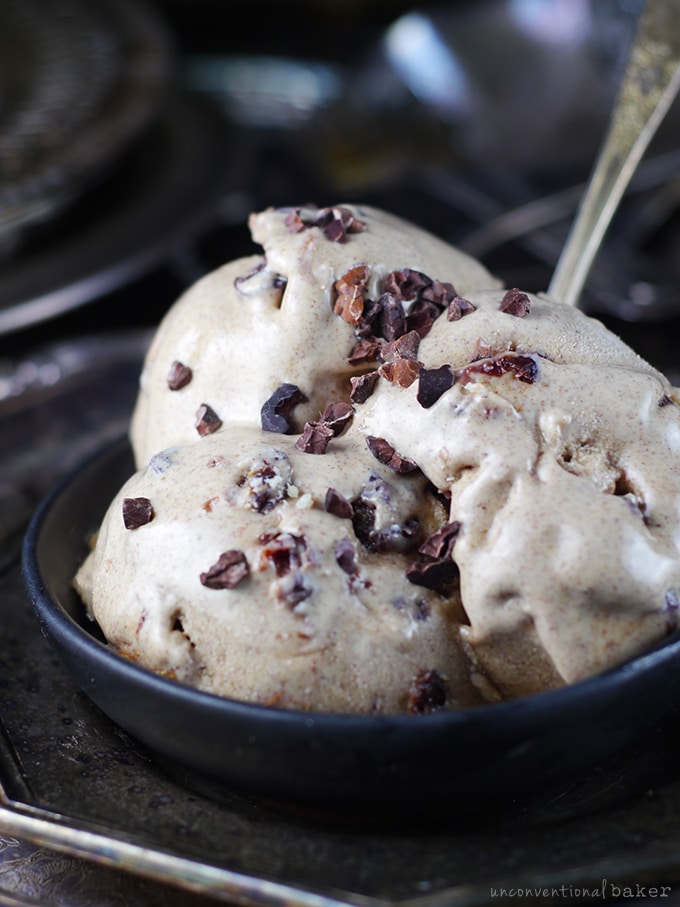
Creamy Almond Butter Ice Cream by Unconventional Baker
This recipe only calls for six simple ingredients and a high-speed blender to mix them together. You can then add a number of healthy mix-ins to adapt the final flavor to your liking.
One Ingredient Banana Ice Cream by thatcleanlife
It doesn’t get much easier than this. The only ingredient is bananas, which you puree and freeze. You can add optional ingredients to personalize the flavor, like non-dairy milk, nuts, peanut butter, or dark chocolate.
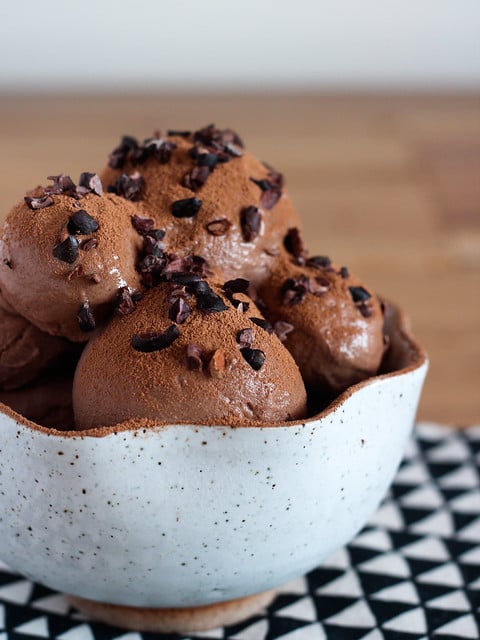
Raw Cacao Ice Cream by Oh Lady Cakes
If you like using cashews to thicken up soups or make your own sauces, this ice cream recipe takes it to the next level. To make this ice cream, you blend together raw cashews and Medjool dates with water, cinnamon, and cacao nibs.
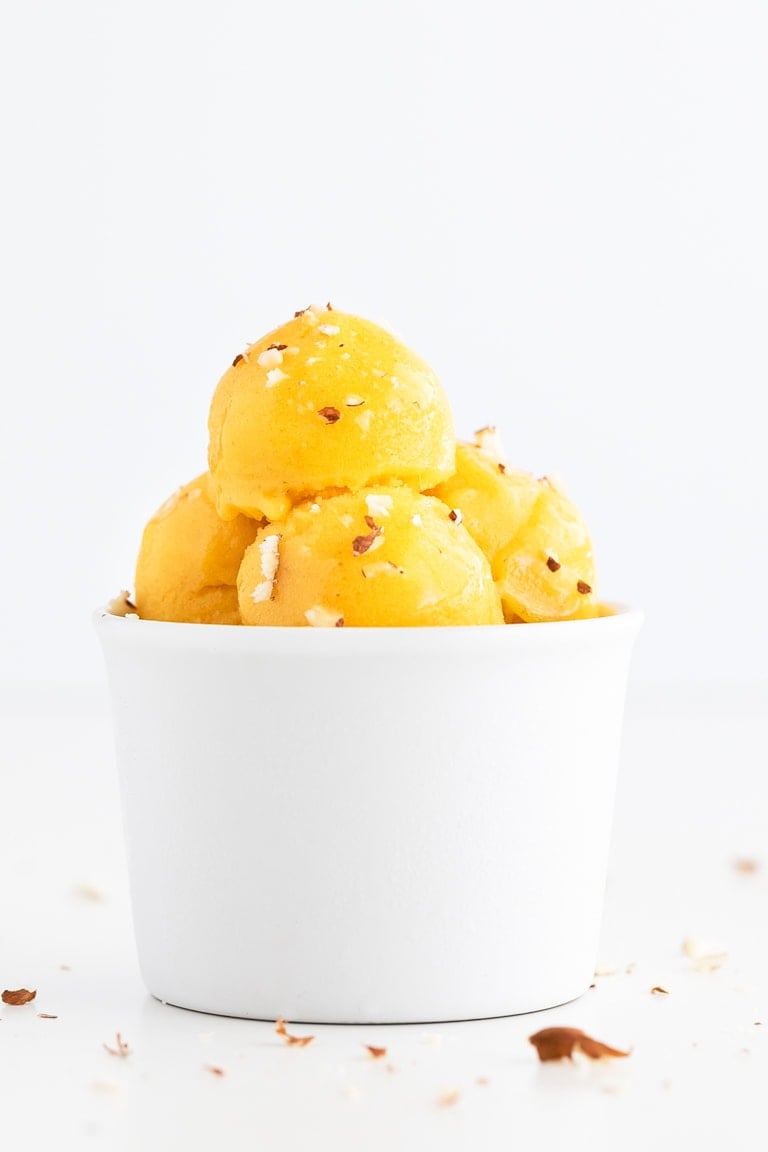
Mango Lemon Sorbet by Simple Vegan Blog
Although this recipe calls for frozen mango, you could use almost any frozen fruit as the base. Using water to thin, dates to sweeten, and lemon juice to add some tang, this recipe is healthy and refreshing for the whole family.
Buy Book Eat, Treat, and Beat Gout Naturally: Natural Gout Management Include 68 recipes
Peachy Keen “Ice Cream”
This is my family’s favorite go-to dessert when we want something fast, tasty, and nutritious. There are infinite variations. Most people enjoy this one in “soft serve” style, or you could eat it in a cone. You’ll want to start by freezing ripe bananas today so that you have them ready to make this dessert any time the urge strikes.
Ingredients:
- 2 large ripe bananas, peeled, sliced, and frozen
- ½-¾ cup non-dairy milk
- 1 seedless navel orange, peeled and chopped
- ½ cup frozen peach slices
- ¼ cup frozen mango slices
- 1 tsp vanilla extract
- ¼ cup raw walnuts or cashews (optional, but fabulous for giving a creamier texture)
Directions:
- Place all ingredients in a blender, and blend until pulverized. You should eat this ice cream immediately (refreezing will leave you with a solid icy block).
We All Scream For It

We all need fun and pleasure in our lives. And for many people, that’s what ice cream provides. But with a little creativity, you can enjoy sweet, cold, creamy deliciousness without compromising your health.
Note: A Tool For Making Your Own Non-Dairy Milk
Want to make your own non-dairy milk (as a base for ice cream, or for any other reason)? The Almond Cow is a plant-based milk maker that allows you to create milk from any nut, seed, or grain in minutes with easier cleanup and no nut milk bags required. The machine uses a cold blending process to protect the nutrients, so it doesn’t apply heat. You can check it out here. (Use the code FOODREVOLUTION for a special discount.)
Buy Book Healing Spices: How to Use 50 Everyday and Exotic Spices to Boost Health and Beat Disease
Stillness in the Storm Editor: Why did we post this?
Proper diet is an essential precept for maintaining one’s health. What constitutes a proper diet is the subject of much debate, for several reasons. Diet is not only the way humans intake caloric energy but it is also a method of regulating one’s mood as well as a social activity. These latter factors complicate matters because people aren’t just eating food for health and vitality. The preceding information provides some dietary options that are regarded as more health-promoting in contrast to the heavy meat diets of the Western world.
– Justin
Not sure how to make sense of this? Want to learn how to discern like a pro? Read this essential guide to discernment, analysis of claims, and understanding the truth in a world of deception: 4 Key Steps of Discernment – Advanced Truth-Seeking Tools.
Stillness in the Storm Editor’s note: Did you find a spelling error or grammar mistake? Send an email to [email protected], with the error and suggested correction, along with the headline and url. Do you think this article needs an update? Or do you just have some feedback? Send us an email at [email protected]. Thank you for reading.
Source:
https://foodrevolution.org/blog/non-dairy-ice-cream-healthy/
Leave a Reply