
(Ocean Robbins) In 1970, the unheralded Swedish band Festfolket (“Party People” in English) made their television debut on a strange variety show called “Five Minute Saloon.” The quartet — Agnetha Fältskog, Björn Ulvaeus, Benny Andersson, and Anni-Frid Lyngstad — sang a frankly cringe-worthy rendition of “California Here We Come” (you can watch it here) while decked out in ridiculous Western wear. The reviews were largely negative, for this performance and also for their stage show.
Science
Psychedelics Show Promise in Treating Mental Illness
(Neuroscience News) One in five U.S. adults will experience a mental illness in their lifetime, according to the National Alliance of Mental Health. But standard treatments can be slow to work and cause side effects.
Coffee and Tea Drinking May Be Associated With Reduced Rates of Stroke and Dementia
(Neuroscience News) Drinking coffee or tea may be associated with a lower risk of stroke and dementia, according to a study of healthy individuals aged 50-74 published in PLOS Medicine. Drinking coffee was also associated with a lower risk of post-stroke dementia.
As We Develop, the Brain Connects Lessons Learned Differently
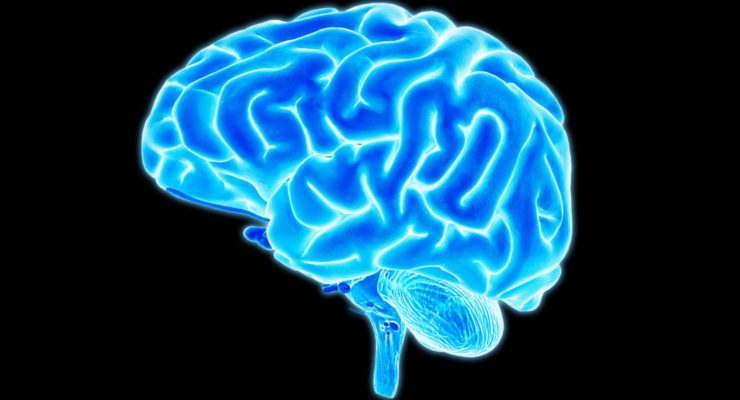
(Science Daily) A new study of brain activity patterns in people doing a memory task finds that the way we make inferences — finding hidden connections between different experiences — changes dramatically as we age. The study’s findings might one day lead to personalized learning strategies based on a person’s cognitive and brain development.
Ever Been Lost in the Grocery Store? Researchers Are Closer to Knowing Why It Happens

(Science Daily) Imagine you’re walking through a chain supermarket, headed for the dairy section.
All Of A Sudden The CDC Has Stopped Talking About Herd Immunity

(Mac Slavo) In case you haven’t noticed, the CDC no longer looks as concerned with herd immunity as it once did.
Brain Noise: What is It and How Does It Affect You?

(Exploring Your Mind) Your neurons talk to each other constantly. In fact, the electrical activity they generate forms a permanent and unpredictable ‘noise’ that neurologists are trying to understand.
Exploring Differences in Mitochondria of Memory Cells in the Brain
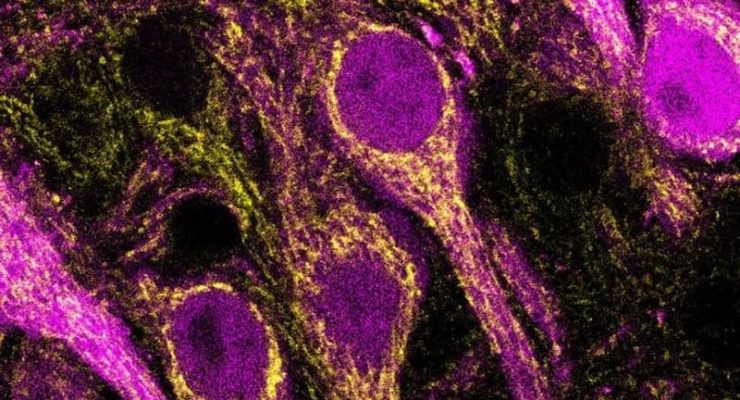
(Neuroscience News) As you strain to recollect the details, a pea-sized clump of neurons nestled in your hippocampus is working hard to connect the dots. This brain region, coined CA2, uniquely encodes social memories in mammals. Without it, mice can remember familiar inanimate objects – but not friends or foes they’d met before.
A Striking Difference Between Neurons of Humans and Other Mammals

(Neuroscience News) Neurons communicate with each other via electrical impulses, which are produced by ion channels that control the flow of ions such as potassium and sodium. In a surprising new finding, MIT neuroscientists have shown that human neurons have a much smaller number of these channels than expected, compared to the neurons of other mammals.
New Insights Into How the Infant Microbiome Impacts Early Childhood Behavior in Boys and Girls
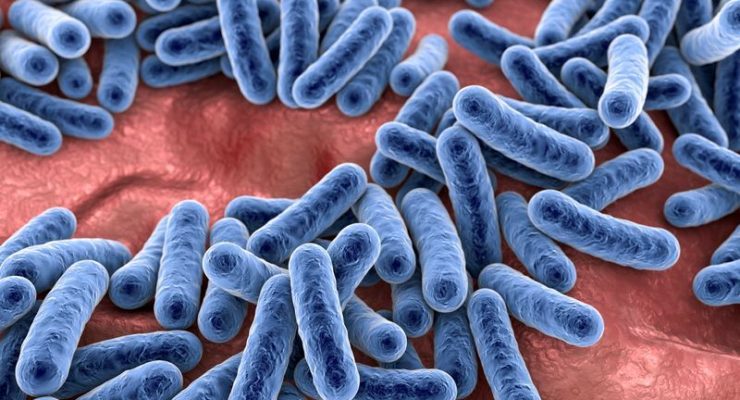
(Science Daily) A new Dartmouth-led study published in Pediatric Research has found a direct and sex-specific association between the composition of infant microbiome and early childhood behavioral health.
‘You Will Never Be Able To Coerce Me Into Being Vaccinated’: EU Politician Blasts COVID Jab Mandates

(Pierre Boralevi) A German MEP says that she’d rather go to jail than take a COVID jab.
Vaccinated People Just As Likely To Spread Delta Variant As Unvaccinated, Study Finds

(Mary Villareal) A peer-reviewed study published in the Lancet found that people vaccinated against the Wuhan coronavirus (COVID-19) are just as likely to spread the delta variant to others as those who have not been vaccinated.
The Mechanisms of Addiction

(Neuroscience News) A five-year, $2.59 million grant from the National Institutes of Health will allow a psychology professor at Binghamton University, State University of New York to study the mechanisms of addiction.
Brain Regeneration: Why it’s Real and How to Do It
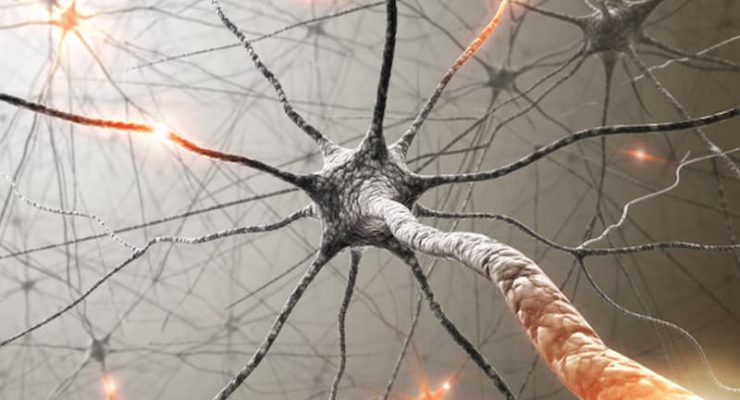
(Sayer Ji) It is a commonly held misconception that the brain is beyond repair. Even the medical establishment has asserted that once we kill brain cells, they are gone forever. The fact is, the brain can repair itself, and as science is now proving, there is real benefit to simple practices that can help keep our brains sharp and elastic throughout our lifetime.
NOT MAKING NEWS: Chapel Hill UNC and Duke Univ. Scientists Discover Antibody That Can Protect People From Getting COVID and Its Variants

(Patty McMurray) On the same day that Pfizer CEO Anthony Bourla accused people who “spread misinformation” about the COVID jab of being “criminals,” UNC-Chapel Hill and Duke University scientists have identified an antibody that can protect people from the CCP virus and all of its variants.