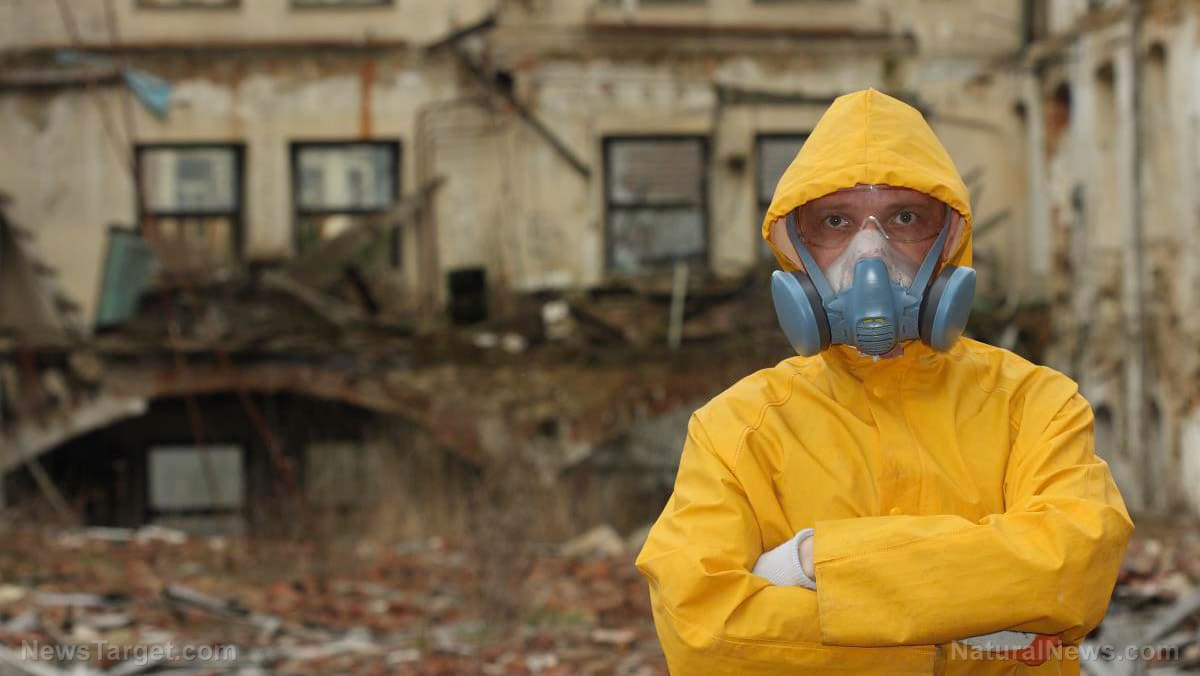
(Ralph Flores) It’s undeniable that a lot of people are exposed to various toxins at an alarmingly regular rate. In fact, a person doesn’t need to go out of his house to be exposed to toxins: The U.S. Environmental and Protection Agency (EPA) has identified at least 400 types of toxins called volatile organic compounds (VOCs) that are present in the home — with over 200 types of VOCs found in carpets alone.
Related How To Create A Toxin-Free Home
by Ralph Flores, September 29th, 2018
And that’s just inside the house.
In his video, Charles Kwang of Kwang Wellness talks about the most common types of toxins that a person is exposed to, as well as the ways that people are exposed to it. According to Kwang, a person’s exposure to toxins around him contribute to the onset of diseases and other health concerns. In particular, he defines toxins as harmful substances that people put in their body, including those that they put out which harm other people around them.
Watch the full episode from REAL.video here:
Living with – and breathing in – toxins
Unfortunately, most people are faced with the reality of being exposed to toxins. If a person smokes, for instance, he breathes in dangerous substances that come from a variety of sources. The tobacco leaves found inside the cigarette are riddled with pesticides and insecticides that were used while growing the plant, and the fire-safe material used to prevent cigarette fires is actually a flame retardant used in carpet glue. Of course, the effects of cigarette toxins don’t stop after a person breathes it all in. The smoke that a person exhales becomes a toxin for other people who are exposed to it, as they ingest it as second-hand smoke, which contains the same amount of harmful chemicals as those that smokers inhale.
Kwang also identifies air pollution as a significant source of toxins, especially for those in highly urbanized areas. In particular, these people are exposed to toxins coming from the exhaust systems of cars — which contain harmful ingredients such as carbon monoxide, sulfur dioxide, and soot. However, urbanized cities aren’t the only sources of toxins: Industrial and agricultural areas, including coal mines, oil refineries, power plants, and mines are full of chemical pollutants that pose a significant risk to human health.
The foods that people eat are also rife with toxins such as heavy metals, which comes from how its grown and stored.
In his video, he talks about some of the toxins that people are exposed to everyday:
- Heavy metals. These are metallic chemical elements that have a relatively high density and can be poisonous at relatively low concentrations. Some examples include mercury (Hg), arsenic (As), chromium (Cr), thallium (Tl), cadmium (Cd).
- Chemical exposure. For the most part, not all chemical exposures are harmful, but there are some chemicals that can make a person really sick, depending on the length and amount of exposure. These can come from the food that people eat, to even the chemicals that are around their house. (Related: 13 Ways to Uncover Cancer Causing Toxins In Your Home.)
- Bacteria. Bacterial toxins are one of the most common agents of food poisoning, accounting for over 90 percent of all cases. In particular, the mishandling and poor hygiene during preparation are one of the main causes of bacterial toxin contamination.
This video is part of a series on toxins and how a healthy diet and lifestyle changes and protect against it. Watch the full video, only at REAL.video.
Learn more about other toxins that can wreak havoc on our bodies at Toxins.news.
Not sure how to make sense of this? Want to learn how to discern like a pro? Read this essential guide to discernment, analysis of claims, and understanding the truth in a world of deception: 4 Key Steps of Discernment – Advanced Truth-Seeking Tools
Stillness in the Storm Editor’s note: Did you find a spelling error or grammar mistake? Send an email to [email protected], with the error and suggested correction, along with the headline and url. Do you think this article needs an update? Or do you just have some feedback? Send us an email at [email protected]. Thank you for reading.
Source:
https://www.naturalnews.com/2018-09-29-how-to-identify-toxins-around-us.html
Leave a Reply