
(Ocean Robbins) In August 1960, five British teenagers calling themselves the “Silver Beatles” landed themselves a gig in Germany. The youngest, George Harrison, had to lie about his age to receive a work visa. They were to play six days a week in Hamburg’s Indra club, typically finishing their seven-hour sets around three in the morning, for which they received about $50 a week. They were given free lodging backstage in a nearby movie theater, next to the toilets. Their first night, they played when the main act, a stripper, took her breaks.
Related Homemade Vegetable Powder Can Make Your Meals More Nutritious
by Ocean Robbins, December 17th, 2021
The crowds they played for were demanding, unforgiving, and occasionally violent. Hamburg being a raucous port city, and the Indra at the edge of the red light district, the band either pleased the rarely-sober crowd or got booed off the stage. John Lennon recalled, “I might have been born in Liverpool, but I grew up in Hamburg.”
After three years of what Paul McCartney would later call “800 hours in the rehearsal room,” what emerged was the Beatles, who would quickly become the world’s most beloved and successful band.
If you were trying to engineer the development of fantastic musicians, you probably wouldn’t put them in a squalid, dangerous, and loud environment where the chief arbiters of their talent were drunken sailors and those who provided them with, well, the things those sailors were looking for on their night on the town. Instead, you might get them a peaceful rehearsal studio, find them the best teachers, and let them learn rock and roll in a more insulated way. But the Beatles, like many superstars in many different walks of life, developed their talent and style in a crucible of challenge and adversity.
The Resiliency of Collard Greens
You know what else, besides rock bands, thrives on a bit of environmental adversity? Collard greens. Unlike most garden plants, which need coddling when the thermometer drops below freezing, collards love the cold. While their brassica cousins broccoli, cabbage, cauliflower, and mustard will die when the temperature dips below freezing, collard greens can hang on in five degrees Fahrenheit. In fact, the greens actually get sweeter and better tasting, as the plant responds to the cold by converting starches to sugars and renaturing some proteins — all of which make the leaves yummier to us.
Collard greens may not have the “it-girl” buzz of kale, but they’re just as nutritionally wonderful. Many cultures around the world revere them, from the southern United States to Ethiopia, Portugal, and Greece. But if you’re not aware of traditional collard dishes like caldo verde (Portuguese) or ye’abesha gomen (Ethiopian) — and if you aren’t acquainted with soul food — then collards may not be a leafy green you’ve come across often or even know what to do with.
So, what exactly are collard greens? What are their health benefits? Are there any concerns around eating collards? What’s the best way to prepare them? And how can you ensure you’re choosing, storing, and cooking them in a way that will keep them fresh, flavorful, and highly nutritious?
What Are Collard Greens?
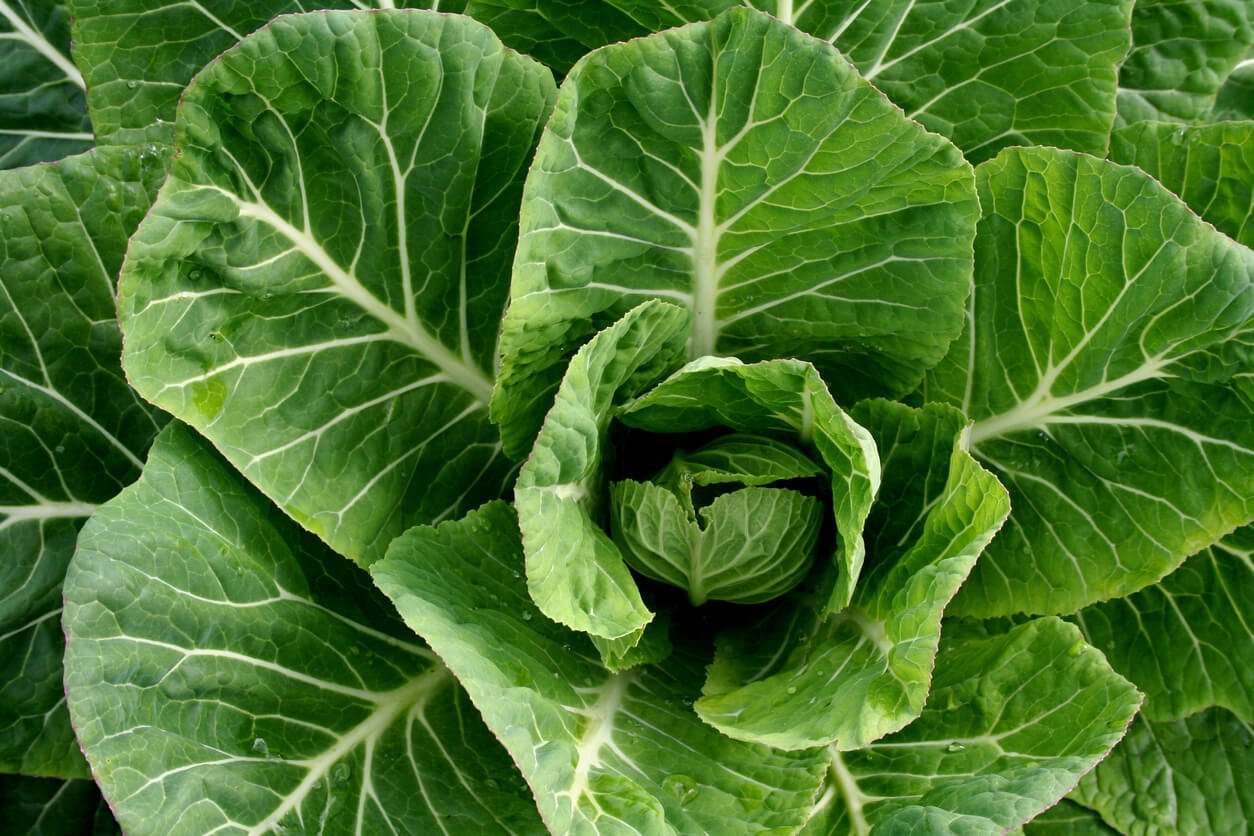
Collard greens, or collards, are a leafy green cruciferous vegetable, also known as Brassica oleracea, which is actually a family of plants that includes cabbage, Brussels sprouts, broccoli, and kale. Collard greens come in loose leaf or loose head varieties, rather than tight heads like you see on cabbages. Collards are similar to kale, nutritionally. And like kale, collards are definitely superstars in promoting health. They differ from kale mainly in their flavor and the shape of their leaves.
The flavor of collards can be slightly bitter and earthy. But they can also have a sweeter quality depending on the growing conditions they come from, how fresh they are, and time of harvest.
As for the origin of collard greens, they appear to have descended from wild cabbages found in Asia and the Mediterranean before recorded history. (Sadly, we don’t know what those wild cabbages got up to, but I bet they had a good time.) Eventually, collards spread through Europe and Africa. There’s evidence that the Greeks and Romans grew kale and collards in their domestic gardens over 2,000 years ago.
Collards also have a rich history in West Africa. Along with other foods brought over to the Americas during the horrendous Atlantic slave trade, West African women sometimes braided the seeds of collards and other crops into their hair and carried them to the Americas on ships packed with enslaved people. Over time, enslaved Africans gardened on plantation owners’ land to provide for their own sustenance. Crops like cabbage, collards, turnip greens, potatoes, and beans became among the healthiest staples of a people fighting, against enormous odds, for their survival. To this day, collards are an integral and healthy part of many Southern US soul food recipes.
Collard Greens Nutrition
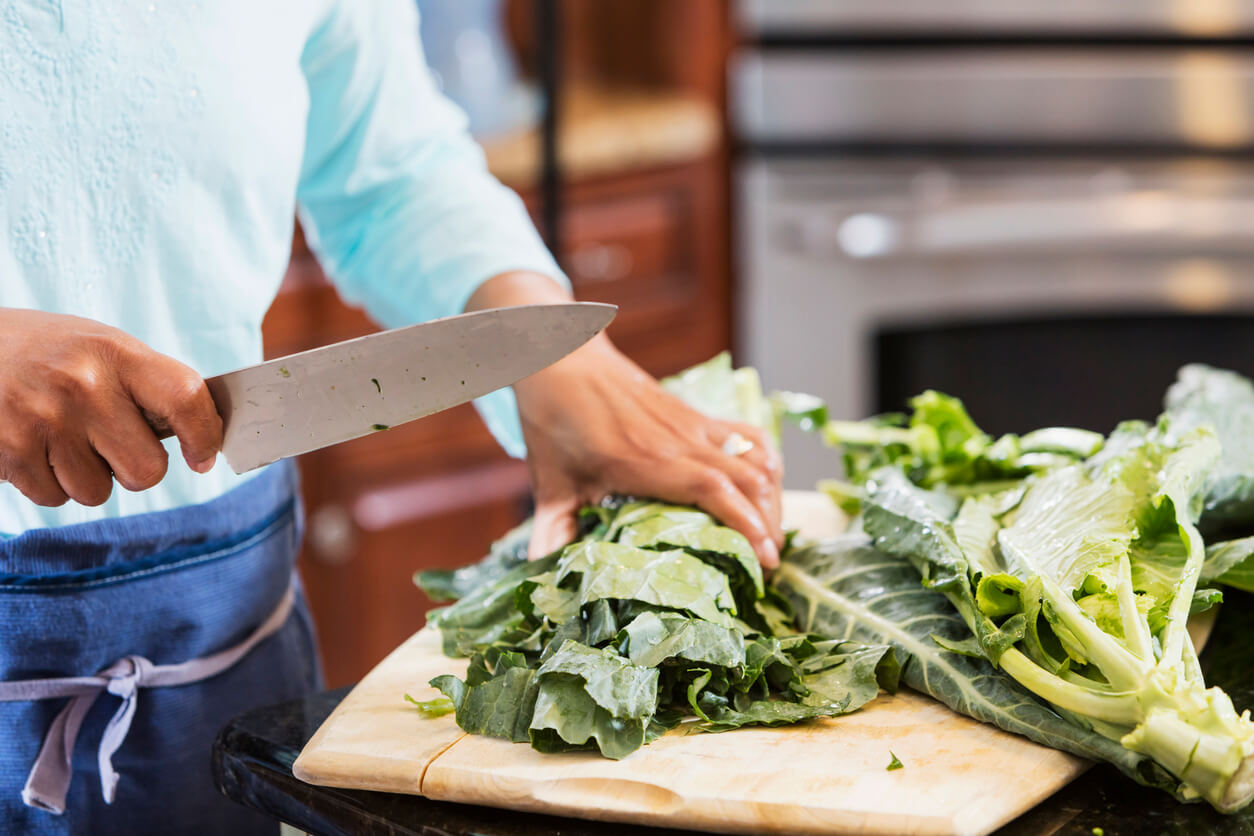
One of the biggest benefits of eating collard greens is that they contain loads of nutrients and powerful health-promoting compounds.
Whether you enjoy collards cooked or raw, you really can’t go wrong in terms of nutrition.
A one-cup serving of cooked collards has the following nutritional profile:
- Calories: 63
- Protein: 5 grams
- Fat: 1.5 grams
- Carbohydrates: 11 grams
- Fiber: 8 grams
- Calcium: 268 mg
- Iron: 2 mg
- Magnesium: 40 mg
- Phosphorus: 61 mg
- Potassium: 222 mg
- Folate: 30 mcg
- Vitamin A: 222 mcg
- Vitamin K1: 773 mcg
Overall, collards are a good source of vitamins A, C, K1, and folate, as well as fiber. Approximately 38% of their calories come from protein. And they’re also rich in minerals like magnesium, iron, and phosphorus. Collards are also a good source of lutein and zeaxanthin, two carotenoid compounds that give plants their color and provide antioxidants that are especially important for your eyes.
Additionally, collards are one of the best sources of dietary calcium, offering about 83—268 mg per cup (less for loosely packed raw leaves, and more for cooked). Collards, along with kale and other dark green veggies, actually provide more bioavailable calcium than milk and other dairy products.
Benefits of Collard Greens
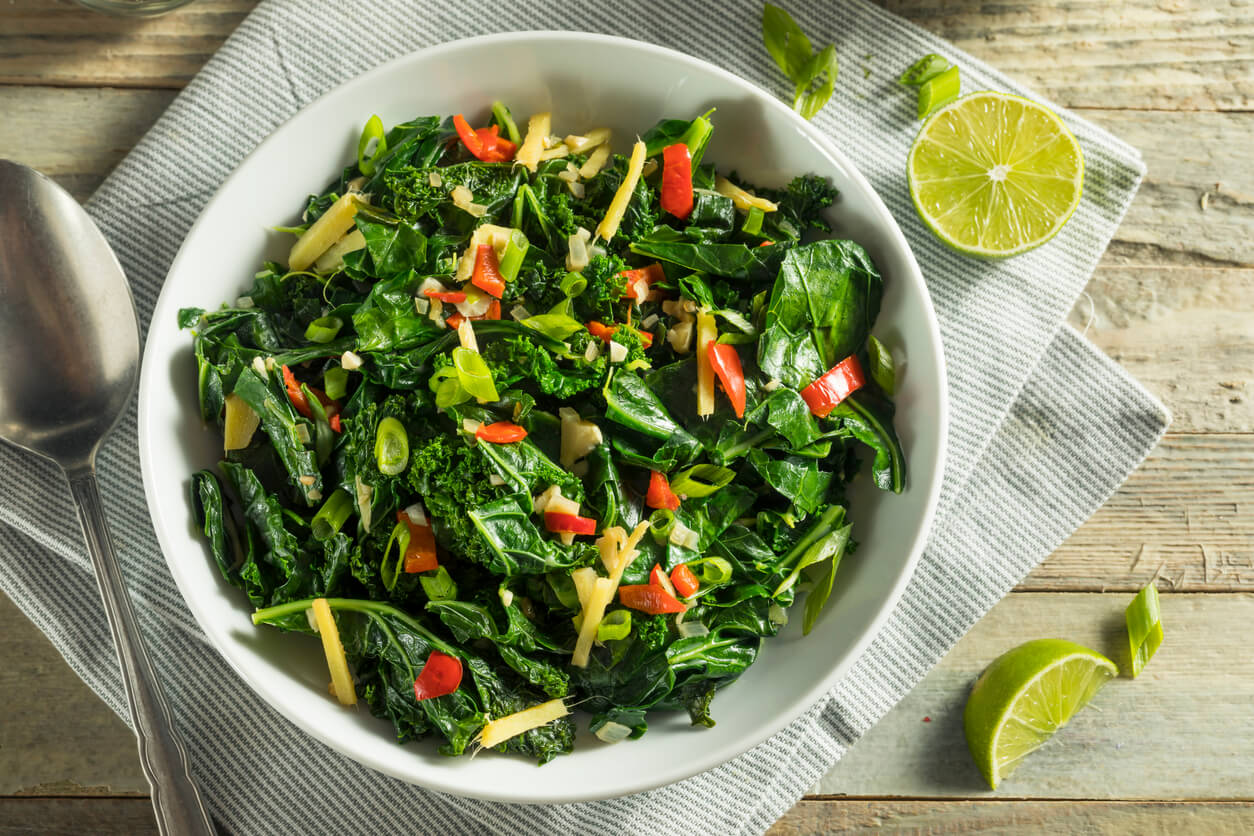
Collards fall in both the cruciferous vegetables category and the leafy greens category, both of which are incredibly good for you. Besides being packed with nutrients, collard greens (and other cruciferous vegetables) offer a number of other impressive benefits for your health.
Because of all that collards have to offer, they’re on Dr. Michael Greger’s Daily Dozen — a list of foods to prioritize on a daily basis for your health, based on all of the wonderful goodness they have to offer and the mounds of scientific evidence behind eating them — as part of the leafy greens category. Similarly, collards are front and center in Dr. Joel Fuhrman’s G-BOMBS list of foods to build an optimally healthy diet around.
In fact, collards are so beneficial that they are one of the few foods highly recommended by most vegan, Paleo, and keto advocates. (Cue the horns and snare drum intro to the Beatles’ “All You Need is Love.”)
What’s more, collards are an excellent source of sulforaphane, a sulfur-containing compound with tons of health-promoting activity that’s almost exclusively associated with cruciferous vegetables. It’s this compound that’s responsible for many of collard greens’ health benefits, as you’ll see below.
1. May have anticancer activity
Evidence shows that sulforaphane can potentially prevent DNA damage and the spread of cancer cells. It may also activate defenses against environmental pollutants and other pathogens that can threaten your health and promote abnormal growth of cells. More specifically, some exciting research suggests that sulforaphane-rich cruciferous vegetables can be used to help prevent and target certain cancers.
For example, one 2011 study published in the journal Nutrition and Cancer looked at the impact of eating vegetables, fruits, grains, and high-glycemic-index foods on the risk of developing aggressive prostate cancer. One of the conclusions the authors made was that eating cooked cruciferous greens (such as kale, broccoli, mustard greens, or collards) lowered that risk.
Another study, published in the journal Scientific Reports in 2015, examined the association between cruciferous vegetable intake before cancer diagnosis and the survival rate of lung cancer among adult Chinese women. The authors found that women who had consumed more cruciferous vegetables prior to their cancer diagnosis were more likely to be alive one and two years later.
2. May benefit autistic people
Recent research suggests that sulforaphane may be helpful for behavioral support among autistic people. For instance, a 2014 study among autistic young boys found that sulforaphane — in amounts found in two to three servings of cruciferous veggies per day — was effective in improving social interaction, verbal communication, and behavior within several weeks. Why was sulforaphane so helpful? The researchers hypothesized that it may be because it acts as a “detoxicant” in the body, and can be especially beneficial for the brain.
This positive association has also been observed in more recent studies. A 2020 randomized, double-blind, placebo-controlled clinical trial among 63 children aged 4–12 years old found that sulforaphane was effective and safe to use as an adjuvant therapy to risperidone, a common medication used with people on the autism spectrum to help decrease irritability and hyperactivity among kids.
3. May support brain health
Eating collard greens may also protect your brain against cognitive decline, thanks to the nutrients and active compounds they contain. Some of these include vitamin K, lutein, beta-carotene, nitrate, folate, kaempferol, and α-tocopherol.
One 2018 study of 960 older participants (58–99 years old), published in the journal Neurology, found that individuals who consumed at least one serving of leafy greens (one cup raw or half a cup cooked) per day were more likely to experience protective cognitive effects than those who consumed less. What’s even more impressive is that those who ate the most greens — at least 1.3 servings per day — experienced brain health effects equivalent to being 11 years younger. (Don’t worry: You can still feed collards to 10-year-olds — they won’t disappear.)
4. May have protective benefits for heart health
Eating collards also makes your heart happy, by helping keep some of the common risk factors for heart disease at bay.
In a 2016 meta-analysis of eight studies, researchers used food frequency questionnaires to evaluate fruit and vegetable intake and incidence of heart disease. Intake of green leafy vegetables ranged anywhere from “never or less than once per month” up to “six or more times per day”.
(An aside: Food frequency questionnaires are often unreliable, partly due to memory failures and partly because those who fill them out often lie to make their diets seem healthier than they actually are. So, hats off to the honest respondents who were willing to admit that greens never passed their lips.)
Overall, the researchers found that a higher, more regular intake of green leafy vegetables appeared to reduce the incidence of heart disease by almost 16%.
5. May support blood glucose control
Collard greens may have particular benefits for individuals who have diabetes or may otherwise be looking to improve their blood sugar control.
In a 2021 animal study, researchers found that an extract from collard greens was effective for reducing high blood sugar levels among rats with diabetes. (Our view on the use of animals in medical research is here.) This was attributed largely to the antioxidant and phytochemical content of collards. Actual whole collard greens are likely to do even better in helping humans manage blood glucose, since we know that fiber also helps to improve blood sugar management.
In a 2016 review of human studies published in the journal Primary Care Diabetes, researchers examined data from seven prospective cohort studies that involved 16,544 cases of Type 2 diabetes among 306,723 participants, with follow-up periods from 4.6–24 years. In other words, a lot of data over a lot of years. They found that eating cruciferous vegetables (like collards) offered a significant preventive benefit against type 2 diabetes.
Furthermore, collard green consumption may decrease the risk for diabetic retinopathy — a potential side effect of long-term type 2 diabetes that occurs when the blood vessels in the retinas of the eyes are damaged. That’s because these leafy greens contain high levels of lutein and zeaxanthin (which are carotenoids that protect your eyes, not characters from an upcoming Xena: Warrior Princess remake). In fact, lutein and zeaxanthin occur naturally in your eyes and help to absorb blue light and protect your vision from oxidative stress. So, getting a lot of these carotenoids in your diet is good for eye health in general, and may be even more important for people with diabetes.
Concerns Over Collard Greens
As with most foods, there are also a few potential downsides to collard greens that may affect some people.
Oxalates
Collard greens contain compounds called oxalates, which can interfere with the absorption of certain minerals like zinc, calcium, and iron. (In case you were wondering, which I’m pretty sure you weren’t, oxalates have nothing to do with oxen running late.)
However, collards are considered a low-oxalate leafy green, with around 10 mg of oxalates per cup, so there’s not as much of a concern here as there may be with spinach (which delivers over 500 mg per cup). Even then, greens and other oxalate-containing foods offer many benefits that, for most people, outweigh the potential downsides that come from oxalates. Basically, if you’re eating a wide variety of plant foods (and not just the ones that are higher in oxalates) the concern over oxalates is probably a moot point for you. Plus, oxalates are water-soluble, meaning that you can reduce their presence in these foods just by cooking with methods like steaming, boiling, and blanching.
What’s more, collards are actually a rich source of minerals like zinc, calcium, and iron, so they actually provide a lot of benefit to your body’s overall mineral balance.
Vitamin K1
Collards and other green vegetables are high in vitamin K1. For the vast majority of people, vitamin K1 provides many important health benefits. But vitamin K1 may be of concern to adults who are taking prescription blood-thinning medications called anticoagulants (the best-known example being warfarin, sold under the brand name Coumadin).
While these drugs thin the blood, the vitamin K1 in collards encourages blood to clot, working at cross purposes with the medication. In other words, eating more green vegetables while taking these types of medications could make them less effective.
Still, people who take these medications don’t necessarily need to stop eating all vitamin K1-containing greens. What’s most important in this case is that the overall intake of vitamin K1 is consistent. This enables your health care practitioner or dietitian to make adjustments (to diet and/or medication) if needed.
Pesticides
Collards, along with other leafy greens like kale and mustard greens, are listed as number three on the Environmental Working Group’s Dirty Dozen. This is a list of produce most often found to contain higher amounts of pesticide residues when grown conventionally. (Conventional, in this case, means that synthetic herbicides, insecticides, fungicides, and fertilizers may have been used along the way. When you think about it, it’s kind of weird that the term “conventional” means the opposite of healthy and natural. It’s like saying that someone who, after waking up, got rear-ended in traffic, lost their wallet, got sued, and then had a pigeon poop on them had a “conventional” day.)
Specifically, in the United States, conventionally grown collard greens have often been found to be contaminated with Dacthal, a dioxin-containing pesticide banned in Europe for concern over cancer risks. Potentially harmful effects of Dacthal exposure may also include immune and reproductive problems, liver damage, and birth defects.
The best way to avoid high amounts of harmful pesticides on your collard greens is to thoroughly wash them, and to buy certified organic greens whenever possible.
One More Downside: The Company They Keep
If you’re new to collard greens, don’t be fooled into thinking that any dish that contains them is going to be health-promoting. Many traditional cuisines include collards in recipes in which the greens contribute a tiny percentage of the overall calories, with the rest coming from animal products.
For example, many collard green recipes from the American south and the Caribbean include animal products and byproducts like bacon, ham, and butter. Originally, this was done out of necessity. Lard, bacon, ham, and other animal products were provided as part of weekly food rations given to enslaved people — which also included foods like cornmeal, molasses, peas, greens, and flour — and added flavor to otherwise bland food.
Writing for the blog Black Foodie, Vanessa Hayford tells us: “During the Transatlantic Slave Trade, enslaved African people were given meager food rations that were low in quality… With these rations, enslaved people preserved African food traditions and adapted traditional recipes with the resources available. Over time, these recipes and techniques have become the soul food dishes we are familiar with today. This food genre… was born out of struggle and survival.”
Given this history, it may be difficult for some people to imagine eating collards without animal products.
Yet, it can be done — and deliciously, to boot. Many Black vegan chefs are taking soul food dishes and making them more mouthwatering than ever (as well as vastly more health-promoting) without animal products. For instance, this recipe for Citrus Collard Greens with Raisins Redux from Bryant Terry (via Soul Food Junkies) — using raisins, garlic, and orange juice — is fantastic. So is this veganized Hoppin’ John recipe from Sweet Potato Soul.
How to Grow Collard Greens
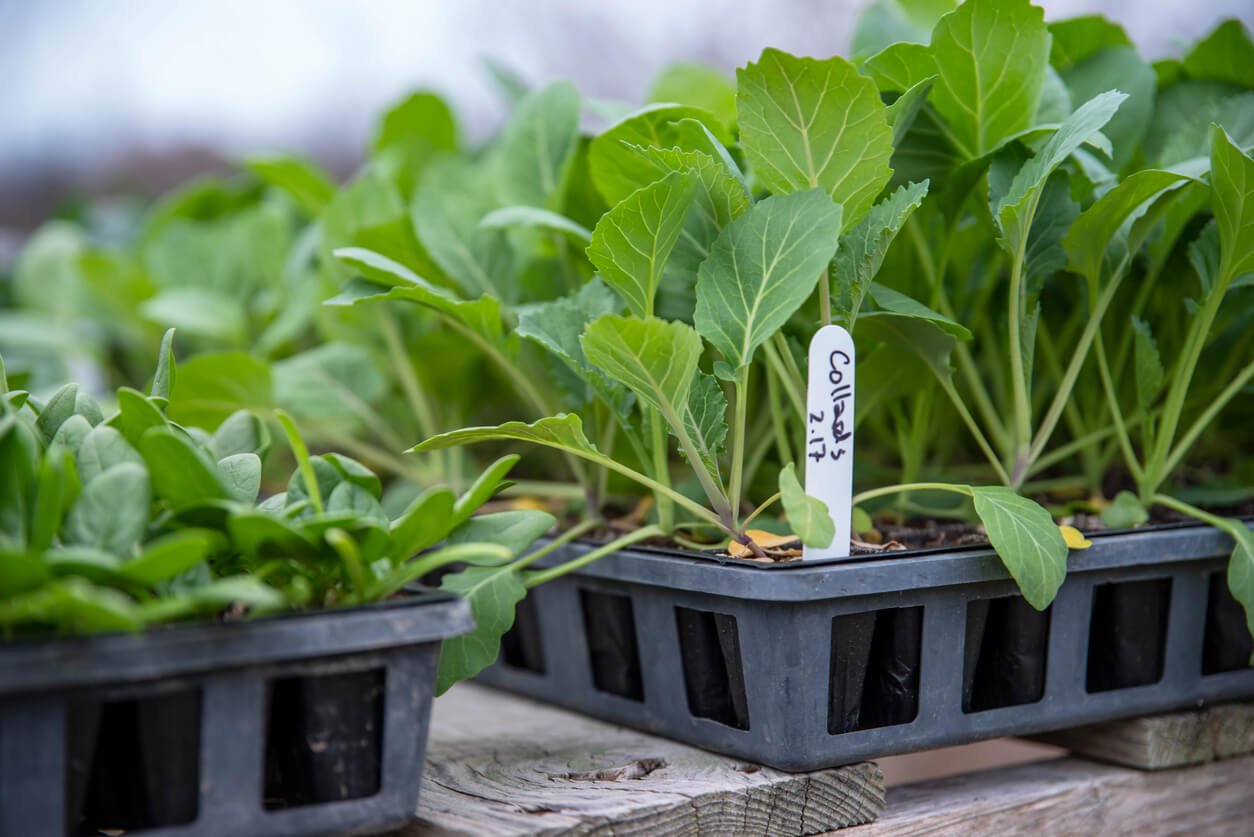
If you’re interested in growing your own collards, plant them in early spring for early summer harvest, or in late summer or early fall for a late fall (or even, in some climates, winter) harvest. They do best in zones 8 and higher, and their leaves will be sweeter the closer you get to winter. They actually get sweetest after a few light frosts, so if you forget to grab them sooner, they’ll still be delicious.
Most varieties of collards are ready to harvest within 55–75 days of planting them. The best approach for a summer harvest is to start collard seeds outdoors about two weeks before your last spring frost date. Alternatively, you can get a headstart by sowing seeds indoors four to six weeks earlier, then planting the seedlings around your last frost date.
Collard greens prefer to grow in full sun but will tolerate some shade. If you live in a shady area, that could have some benefit, because shade may slow bolting (which is what happens in warmer climates when plants go to seed in an attempt to produce the next generation ahead of potentially threatening temperatures).
Regardless, keep your collard plants well-watered and harvest them regularly to encourage them to produce new leaves. A good rule of thumb is to give your collard plants around one to one a half inches of water every week.
If you’re feeling a little adventurous, you might also give tree collards a try. Tree collards are a highly productive perennial plant that produces delicious blue-green or purple leaves all year. They can grow up to six feet tall, and typically live three to five years. Tree collards thrive in moderate climates. If you get hot summers, plant them in partial shade. Tree collards are especially sweet during the cooler months of the year, and they are hardy down to 20° Fahrenheit. (For more on how to grow tree collards, see this article.)
How to Choose & Store Collards
Even if you haven’t regularly enjoyed collards or other leafy greens before, rest assured that they’re easy to add to your routine. (That’s why it’s so sad that Paul McCartney didn’t use the following lyrics in the song “Yesterday”: Collard greens / Easy to add to all your routines / They go great with hot sauce and with beans / Oh I believe in collard greens .) You can get collards from most grocery stores and natural food stores, farmers’ markets, and co-ops.
Once you’re there, look for collard bunches with nice green leaves, no blemishes, and no wilting. The leaves should be less than 10 inches long and dark green in color for the best taste (they’ll be less likely to taste tough and stringy).
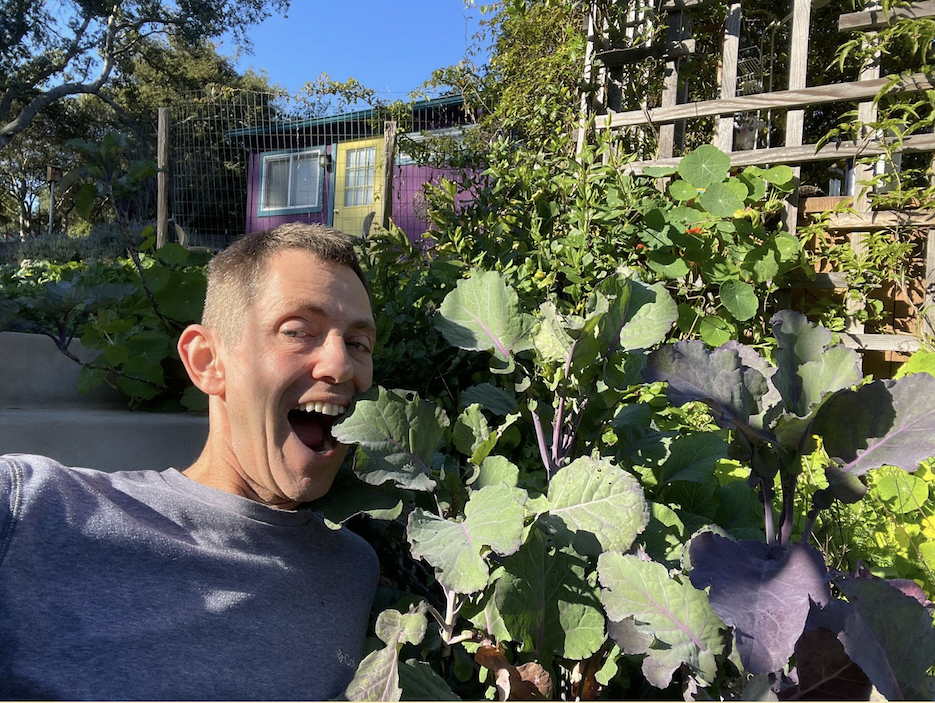
If you’ve grown your own collards at home, harvest the leaves from the lowest point on the stem first and work your way up the stalk over time. It’s also a good idea to pick leaves from the outside of the plant and work inward for the best flavor and texture.
When you buy or harvest your collards, store them in the refrigerator, unwashed, and rinse and dry them just before using. This helps to preserve their shelf life and prevent mold. Most collards and other leafy greens also keep best in the fridge’s crisper drawer. You can keep them wrapped in produce bags or store them in an airtight container, where they’ll stay fresh for around five days.
How to Use Collards
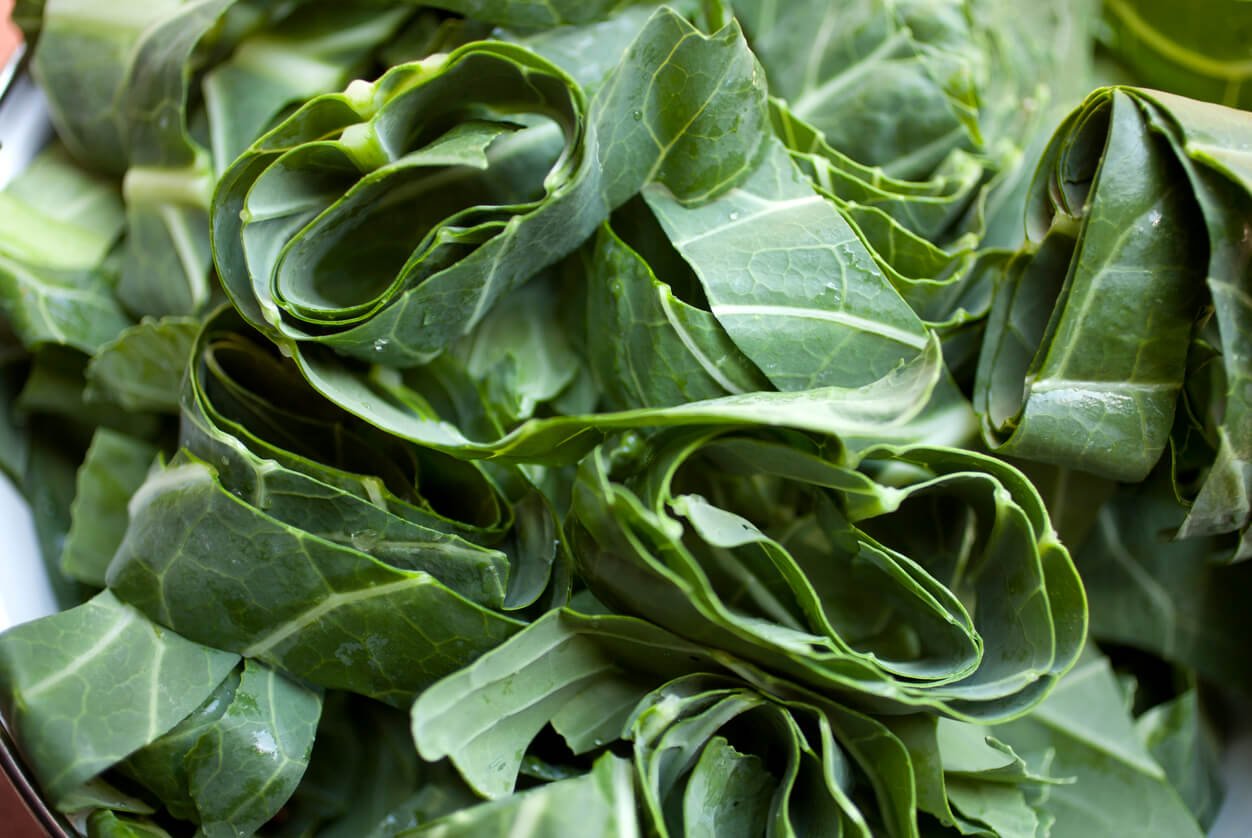
You can use collard greens in a number of ways. Traditionally, they’re boiled, often for upwards of 10 hours — but if you prefer them cooked, steaming is another possible method that preserves more of their nutrients and still gives you time to do other things with your life than tend a cauldron of boiling greens. Collards are often stir-fried, too.
Other ways to prepare collards include chopping them into salads and adding them to pasta dishes. Like kale, raw collard greens can be sliced and massaged with a little avocado or olive oil to soften them before eating. (They love it when you massage their little spines, I suspect.) They also make a great wrap material if you want to use them to roll sandwiches, in place of flour tortillas.
In the southern United States as well as in Portuguese cooking, collards are often boiled with ham hock or other animal parts to get a smoky flavor. You can mimic that smokiness without animal products by using various combinations of aromatic and flavorful spices. For instance, pairing your greens with liquid smoke, paprika, a vegan bacon substitute, or a smoked or black salt will do the trick.
Collards also go well with acidic ingredients like lemon juice, vinegar, and hot sauce, or umami foods like miso and mushrooms.
Delectable Collard Recipes
Trying to sneak some leafy greens into your diet? Go straight to the Collard Walnut Pesto recipe. Or, perhaps you’re looking for a healthy way to enjoy smoky collard greens without the addition of meat. Slow Cooker Collards with Rainbow Veggies are to-die-for (without actually killing anyone). Finally, if you want to optimize your meals by adding leafy greens any chance you get, try these Lentil Quinoa Collard Wraps. The crunchy, earthy wrap complements the creamy lentil filling perfectly. Our goal with these three recipes is to share the diversity and deliciousness of collards. We hope you enjoy them as much as we do!
1. Slow Cooker Collards with Rainbow Veggies
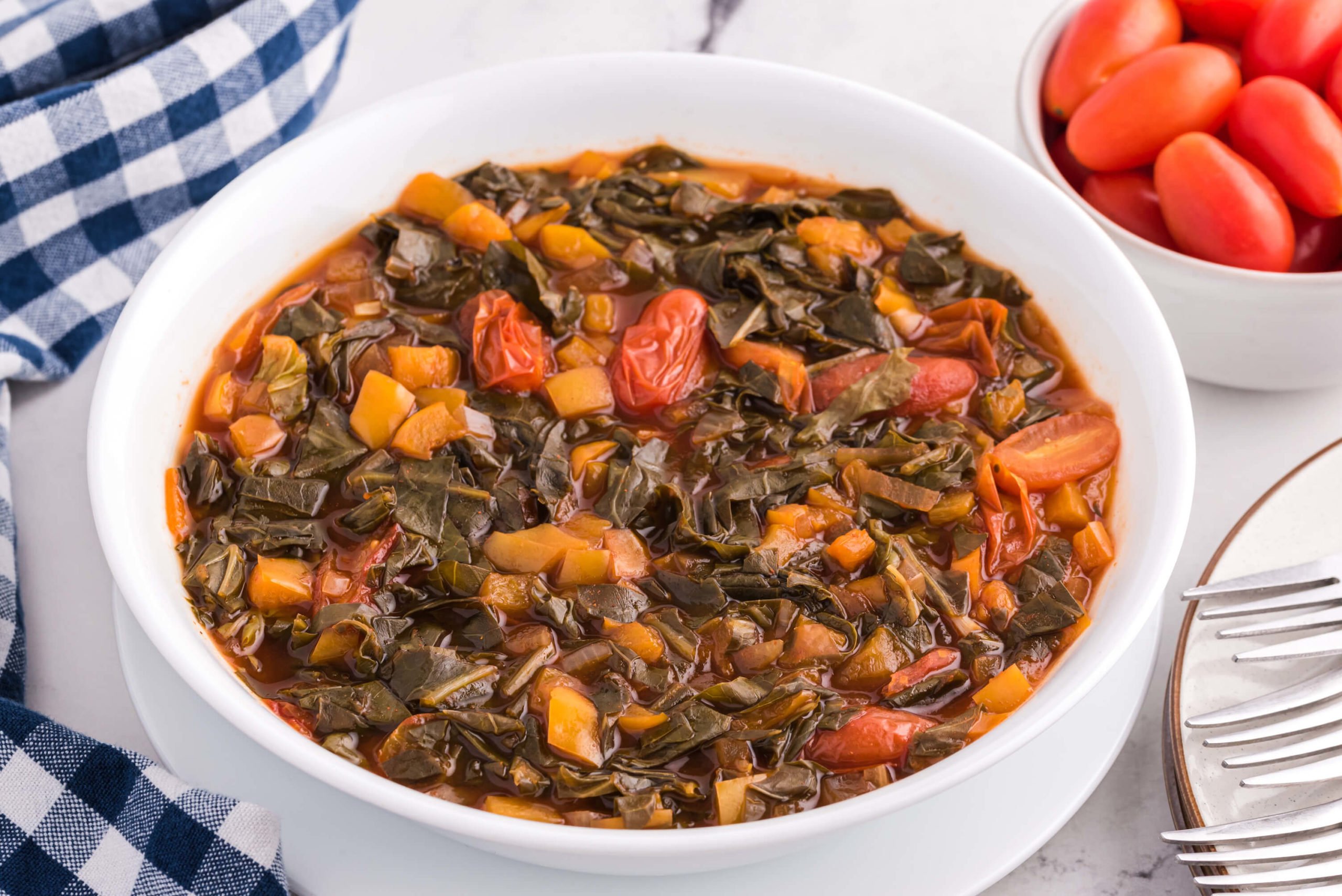
Perhaps you’ve never been a fan of collard greens, or maybe you’ve tried them and decided they just weren’t your thing. We have one special request for you — please don’t banish them from your life forever until you’ve tried this recipe. With a little bit of smokiness, a whole lot of flavor, and a bunch of nutrition, this dish will leave you asking for more and wondering why on earth collards haven’t been a staple in your diet (until now)!
2. Collard Walnut Pesto
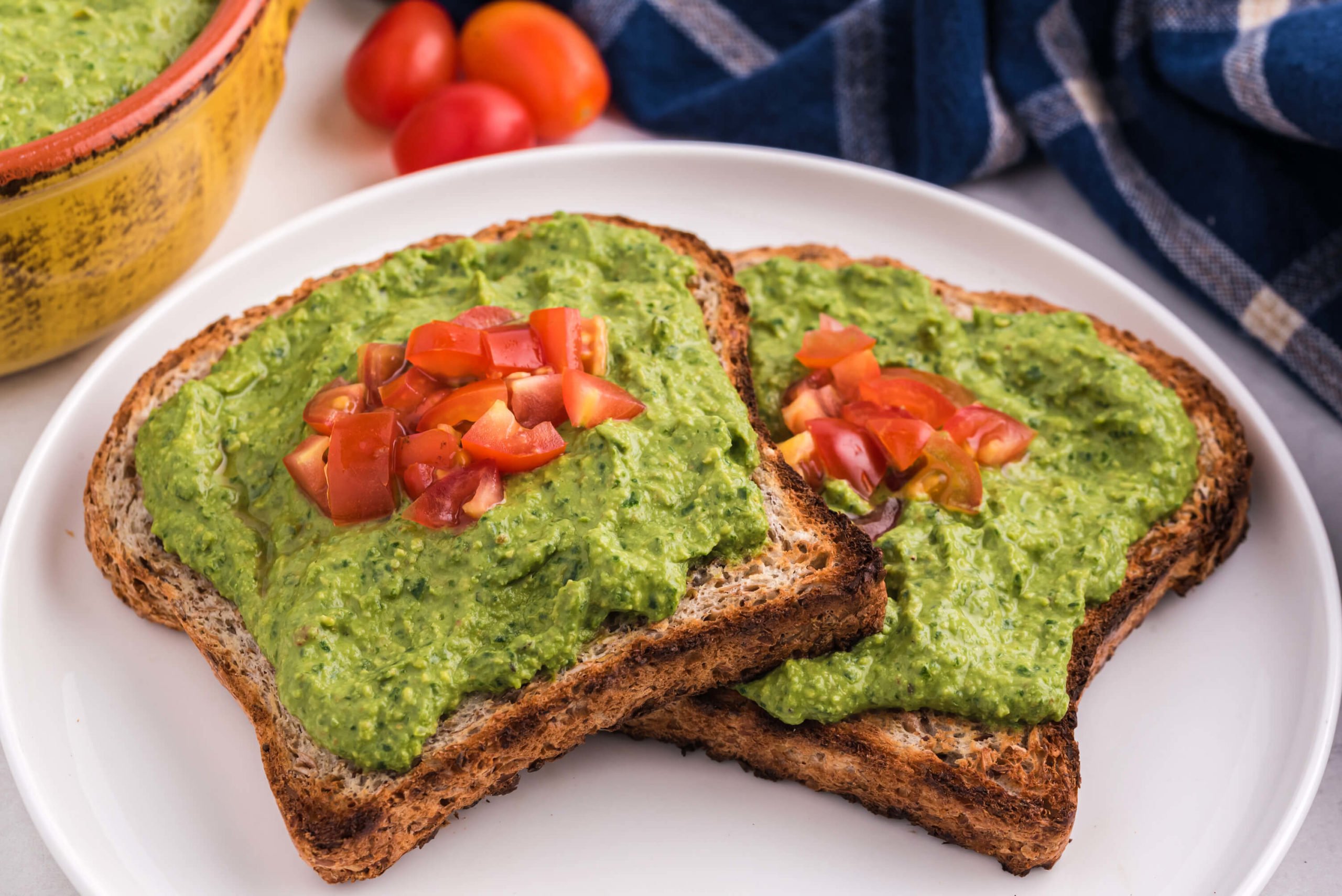
A sneaky way to add leafy greens to your plate is by blending them into all sorts of dishes, from smoothies to soups to dips. You would never guess that collard greens are part of this pesto, giving it its pretty color. Collards contain calcium, folate, and fiber. Using this spread on top of avocado toast, in sandwiches, and as a pasta sauce is nourishing and delicious!
3. Lentil Quinoa Collard Wraps
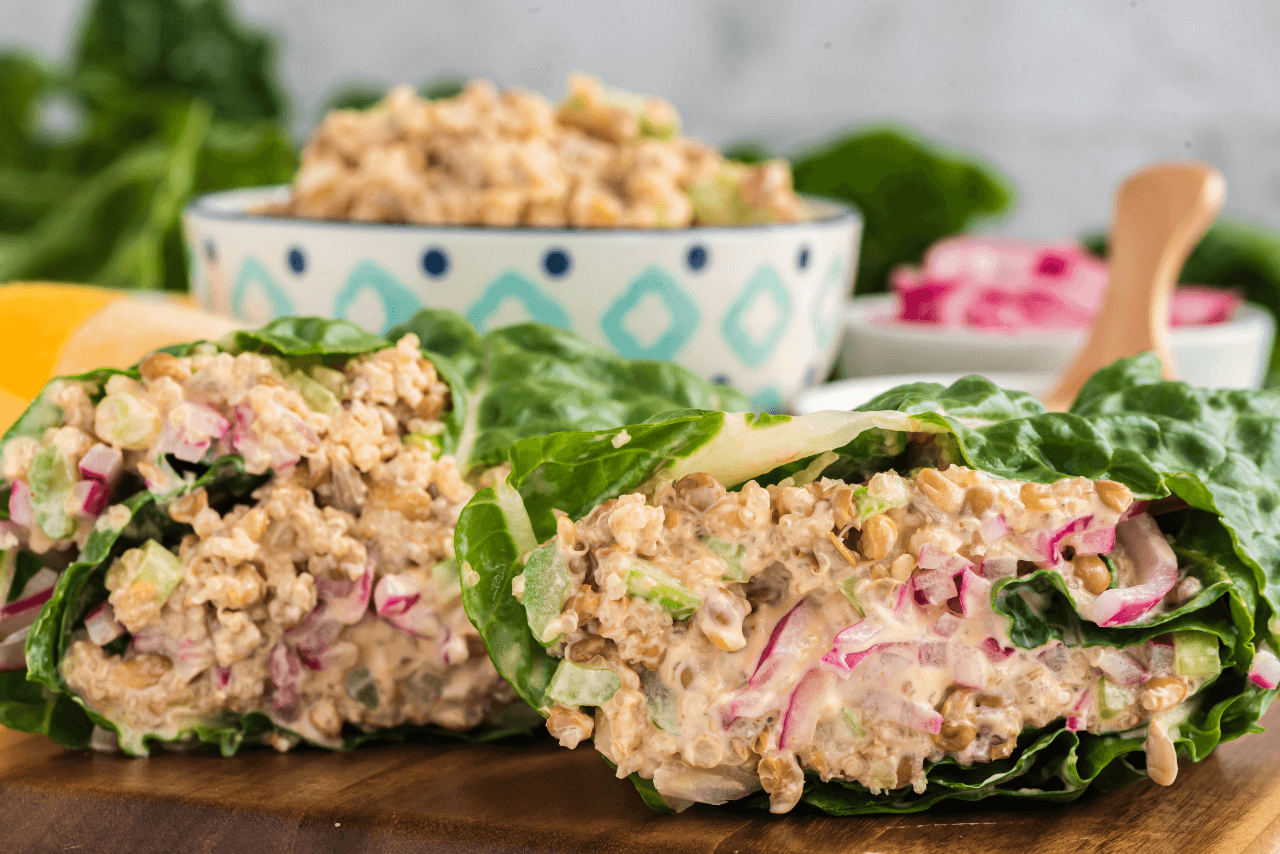
Collard greens make The. Best. Wraps on the planet. These nourishing wraps have all the elements — lots of crunch from the crisp collard greens, a bit of creaminess from the tofu-based mayo (crisp and creamy pair so well), and plenty of fun flavor from this combination of whole, fresh foods, pickled onions, and sunflower seeds. Enjoy them for lunch, dinner, or a snack!
Give Collard Greens a Try
Collard greens hold their own among their leafy green brethren, being highly nutritious and packed full of disease-fighting power — especially from the cruciferous superpowered antioxidant sulforaphane. Although there may be a few concerns about eating collards and other cruciferous veggies, you can mitigate any risk by washing them thoroughly, buying organic when possible, cooking them, and eating a variety of different veggies. Whether you grow collards yourself or buy them from a market or store, you can enjoy them in many delicious, plant-based ways.

Stillness in the Storm Editor: Why did we post this?
The news is important to all people because it is where we come to know new things about the world, which leads to the development of more life goals that lead to life wisdom. The news also serves as a social connection tool, as we tend to relate to those who know about and believe the things we do. With the power of an open truth-seeking mind in hand, the individual can grow wise and the collective can prosper.
– Justin
Not sure how to make sense of this? Want to learn how to discern like a pro? Read this essential guide to discernment, analysis of claims, and understanding the truth in a world of deception: 4 Key Steps of Discernment – Advanced Truth-Seeking Tools.
Stillness in the Storm Editor’s note: Did you find a spelling error or grammatical mistake? Send an email to [email protected], with the error and suggested correction, along with the headline and url. Do you think this article needs an update? Or do you just have some feedback? Send us an email at [email protected]. Thank you for reading.
Source:
https://foodrevolution.org/blog/what-are-collard-greens/
Support our work! (Avoid Big Tech PayPal and Patreon)DIRECT DONATION
Leave a Reply