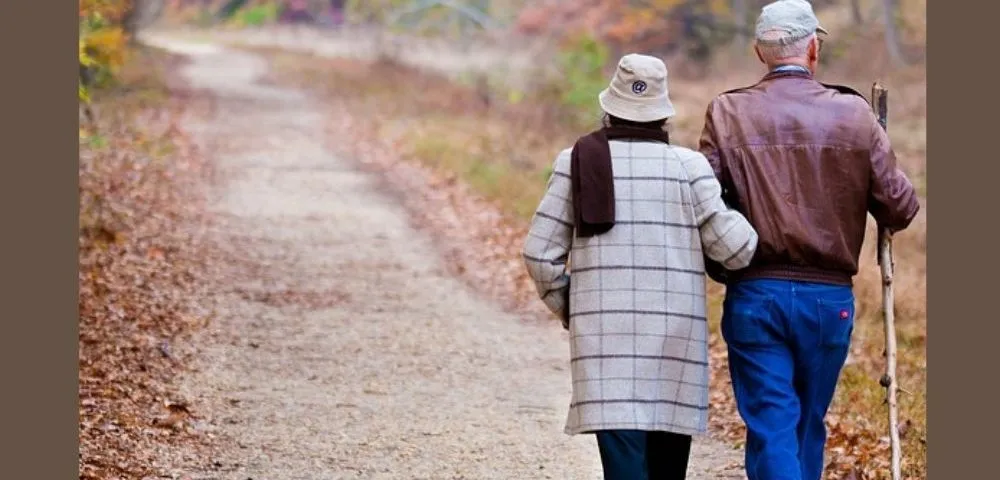
(Bernie Carr) After posting about preparedness tips for seniors, I received a reader question regarding bugging out for seniors in an emergency and they don’t have anyone to assist them. There are many considerations that would go into a decision about bugging out. I also enlisted some help from a couple of Facebook groups – thanks to everyone who responded for the helpful advice; you know who you are.
Related How to Store Rice for a Long Time
by Bernie Carr, March 10th, 2022
Reasons for bugging out
Generally speaking, it would be more convenient and much less of a hassle to shelter in place in the event of an emergency. I would rather stay where my emergency supplies are located than have to evacuate. However, there are certain circumstances that may require you to bug out even if you don’t want to. In the aftermath of Hurricane Harvey, many seniors living in a nearby community moved into our apartment complex as their home got flooded.
- You are in the direct path of a natural disaster such as a hurricane and an evacuation is ordered
- Flooding after a disaster
- A wildfire is approaching your area
- Immediate evacuation due to a chemical hazard
As we recently experienced, a pandemic that is spreading may also cause people to have to leave an area. As the quote below indicates, it doesn’t have to be a disaster you need to be prepared for. It could also be having to go to the emergency room or hospital due to a sudden illness.
I’m also old. I keep a “get out bag” – just a few things necessary in case of fire or similar, and an overnight or 2 in case of emergency visit to the ER/hospital. Just happened I forgot my hearing aid and it was a real disaster. Dr’s. & nurses don’t like getting close yell in my ear. Home all is better.
Source: K.R.
Mobility
A big factor in being able to bug out is a person’s mobility. Many seniors have no issues with mobility and should be able to leave unassisted. However, there are also many who have conditions that make it difficult to bug out.
This is pretty tricky. I’m 60 and prep for my mom as well, who is 83 and disabled. We keep the cane and walker by the door, but honestly evacuating with her would be tricky. I do keep all my BOB stuff in the car, all the time, since there’s no way she could walk under any circumstances. If I were better I’d have come up with a battery solution for her cpap machine, but I haven’t. Basically we will shelter in place barring wildfire, major earthquake, etc.
Source: K.M.
What to pack in your bug out bag
Important… If on medication try to stock up a little just in case. Hopefully you connect with someone in your area that can help.
Source G.D.
Pack a small backpack with a few necessities that you may need for at least 36 hours:
- Drinking water in a refillable bottle
- Prescription medication and vitamins that you normally use. Check your kit from time to time to monitor expiration dates.
- First aid kit, including reading glasses or contact lens supplies
- Toiletries with your personal care items
- Healthy snacks
- Clothing and shoes: underwear, shirt, pants, socks, jacket; comfortable shoes
- Cash in small bills and change so you can make purchases such as gas and food along the way
You should also have your grab and go binder of important documents such as:
- birth certificates
- passports
- marriage certificate
- social security cards
- vaccination records
- vehicle ownership record/ “pink slip”
- credit card statements and other bills
- printout of address book
- insurance policies
- checking and saving account statement
- retirement account statements
- apartment lease
To save on weight, you can also store these documents in a flash drive.
I got a golf club cart. No way I could use a back pack after shoulder surgery. It hurts after 10 minutes. Old age is rough!
Source: KB
Keep your backpack light, so it’s not difficult to carry. Store it in a space that is easy to get to (such as a hall closet nearest to your home’s exit) so you can grab it in a hurry.
Transportation
I’m over 50 and I’ve got bad knees. I have a lot of bug out stuff, but there’s no way I could carry it on my back for extended distances. I keep this deer hunting cart in the back of my truck. It can pull up to 500 lb. I’d much rather pull it behind me than carry my stuff on my back.
Source: M.C.
I always recommend keeping your vehicle’s gas tank at least half full, and in good working order.
To make sure you can communicate with family or friends while you’re on the road, keep your phone fully charged and have a backup portable charger/battery pack like this one or this one.
Keep a car survival kit for emergencies, and backup devices that you or a family member requires such as cane, hearing aids, extra oxygen tank.
Destination
Have a destination in mind ahead of time, plus a couple of backups, of places you can reach in the event of an evacuation or disaster. A few options:
- Family or friends who live in another city that won’t be affected by the impending disaster
- Hotel in the next town. Call ahead to find out about wheelchair accessible rooms if that is a concern.
- Emergency shelter in your city.
Plan your travel route in advance. You’ll want to leave sooner than later to avoid bumper to bumper traffic that may cause you to spend hours on the road.
Arrangements need to be made ahead of time so make plans before a disaster hits. If you have pets, you’ll need to make sure your bug-out location can accept them. Some shelters do not allow pets, this is why you need to find these details in advance.
Resources and Assistance
Some states offer emergency assistance to people with special needs or disabilities who may need to evacuate from their homes.
Texas has a 211 program that folks that are disabled can register with that may need some assistance if they need to leave their home. If they require special medical treatments and you just have to leave your home….make arrangements with a facility you can drive to in a day and make sure they can get your updated records. (such as dialysis).
Source: L.M.
Here are some resources for people with disabilities and their caregivers:
CDC Emergency Preparedness Tools and Resources
FEMA and Red Cross Preparing for Disaster for People with Disabilities and Other Special Needs
CDC Disaster Planning Tips for Older Adults and Their Families
There is no one size fits all plan when it comes to making a disaster plan. Hopefully, the above tips and resources have given you a starting point for emergency planning in the event you need to evacuate in a disaster.

About The Author
Bernie Carr
Bernie Carr is the founder of Apartment Prepper. She has written several books including the best-selling Prepper’s Pocket Guide, Jake and Miller’s Big Adventure, The Penny-Pinching Prepper and How to Prepare for Most Emergencies on a $50 a Month Budget. Bernie’s latest e-book, FRUGAL DIY has just been released on Amazon. Her work appears in sites such as the Allstate Blog and Clark.com, as well as print magazines such as Backwoods Survival Guide and Prepper Survival Guide. She has been featured in national publications such as Fox Business and Popular Mechanics. Learn more about Bernie here.
Stillness in the Storm Editor: Why did we post this?
The news is important to all people because it is where we come to know new things about the world, which leads to the development of more life goals that lead to life wisdom. The news also serves as a social connection tool, as we tend to relate to those who know about and believe the things we do. With the power of an open truth-seeking mind in hand, the individual can grow wise and the collective can prosper.
– Justin
Not sure how to make sense of this? Want to learn how to discern like a pro? Read this essential guide to discernment, analysis of claims, and understanding the truth in a world of deception: 4 Key Steps of Discernment – Advanced Truth-Seeking Tools.
Stillness in the Storm Editor’s note: Did you find a spelling error or grammatical mistake? Send an email to [email protected], with the error and suggested correction, along with the headline and url. Do you think this article needs an update? Or do you just have some feedback? Send us an email at [email protected]. Thank you for reading.
Source:
https://apartmentprepper.com/bugging-out-tips-for-seniors/
Support our work! (Avoid Big Tech PayPal and Patreon)DIRECT DONATION
Leave a Reply