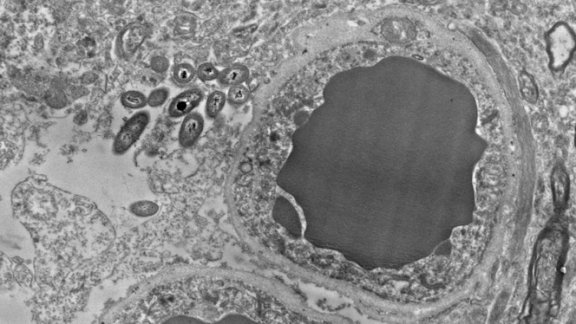
(Exploring your Mind) Bacteria have been discovered in the brain, but there is no explanation of how they got there, nor is it known if they’re beneficial or harmful. It’s even suspected that they can influence mood and personality.
Related Psychobiotics: Bacteria For Your Brain?
by Staff Writer, March 20th, 2019
During the last annual meeting of the Society for Neuroscience at the University of Alabama at Birmingham, researchers presented a report that showed how some gut bacteria lives in different regions of the brain, which seems to be the brain microbiome.
This discovery is both fascinating and intimidating. There’s still no explanation as to how the bacteria reached the brain, or whether they’re beneficial or harmful. Experts even believe that they can influence mood and perhaps personality.
Buy Book Earthing: The Most Important Health Discovery Ever!
What is the gut microbiome?
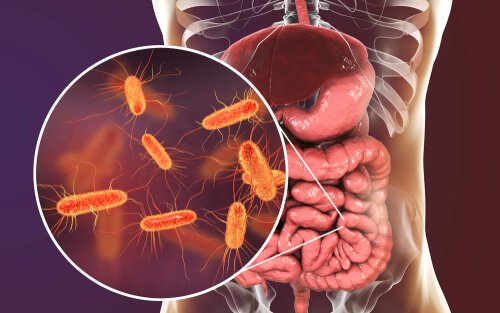
The gut microbiome is the set of microorganisms that live in your intestines. There are approximately one hundred trillion different species of bacteria. In turn, these are made up of more than three million genes. Out of all of them, human beings only share one-third. The rest are exclusive to each person. Thus, the gut microbiome is an important part of each person’s identity.
Some of its most important functions are immune system regulation, nutrient absorption, and the control of external pathogens. Any alteration in the gut microbiota can cause autoimmune diseases, allergies, or infections. In fact, scientists have also linked it to Alzheimer’s and Parkinson’s.
On the other hand, imbalances in this gut flora generate endotoxins, high oxidation levels, and the accumulation of abdominal fat. In addition, chronic inflammation causes cardiovascular problems and diabetes.
Although there’s a widespread fear of microbes and bacteria, the truth is that you can’t live without them. Despite being unaware of it, you have billions of living beings coexisting inside your body.
The brain microbiome
Scientists have started asking themselves how these bacteria get to the brain, since it’s protected by the blood-brain barrier.
The blood-brain barrier is a protective system against the entry of foreign substances. It allows the passage of water, soluble molecules in lipids, and some gases. It also allows the selective passage of amino acids and other molecules. But the bacteria found in the brain are, for the most part, from the gut.
They’re glial cells that support neurons and astrocytes and prevent the entry of neurotoxins and other substances in the brain. These harmful substances, when they manage to penetrate the barrier in some way, often produce inflammations with very negative and even deadly consequences. But the funny thing is that astrocytes seem to be the favorite place for these gut bacteria to live in the brain.
Researchers have stated that the bacteria could go through the intestinal nerves, the blood-brain barrier, or the nose. However, the real cause is still unknown. There’s still a lot to investigate about this possible brain microbiome.
The investigation
Dr. Rosalinda Roberts and her team from the Psychiatry and Behavioral Neurobiology department at the University of Alabama at Birmingham are responsible for this finding. They studied the brains of 34 people. Half of them were healthy subjects and the other half suffered from schizophrenia. Furthermore, they carried out a parallel study with mice, to rule out that the bacteria appeared only post-mortem or if there could be any error due to contamination.
In both studies, scientists observed the presences of bacteria in human and mice brains in non-infectious or traumatic situations. In fact, they found them in several areas of the brain. Mainly in the substantia nigra, the hippocampus, and the prefrontal cortex, and very little in the striate. In addition, none of the brains they examined showed inflammation.
These results have left the door open to speculation and new research on the brain microbiome. For now, the possibility that these microbes are related to behavior, mood, and some neurological diseases is being considered.
Stillness in the Storm Editor: Why did we post this?
Psychology is the study of the nature of mind. Philosophy is the use of that mind in life. Both are critically important to gain an understanding of as they are aspects of the self. All you do and experience will pass through these gateways of being. The preceding information provides an overview of this self-knowledge, offering points to consider that people often don’t take the time to contemplate. With the choice to gain self-awareness, one can begin to see how their being works. With the wisdom of self-awareness, one has the tools to master their being and life in general, bringing order to chaos through navigating the challenges with the capacity for right action.
– Justin
Not sure how to make sense of this? Want to learn how to discern like a pro? Read this essential guide to discernment, analysis of claims, and understanding the truth in a world of deception: 4 Key Steps of Discernment – Advanced Truth-Seeking Tools.
Stillness in the Storm Editor’s note: Did you find a spelling error or grammar mistake? Send an email to [email protected], with the error and suggested correction, along with the headline and url. Do you think this article needs an update? Or do you just have some feedback? Send us an email at [email protected]. Thank you for reading.
Source:
https://exploringyourmind.com/brain-microbiome-gut-bacteria-human-brain/
Leave a Reply