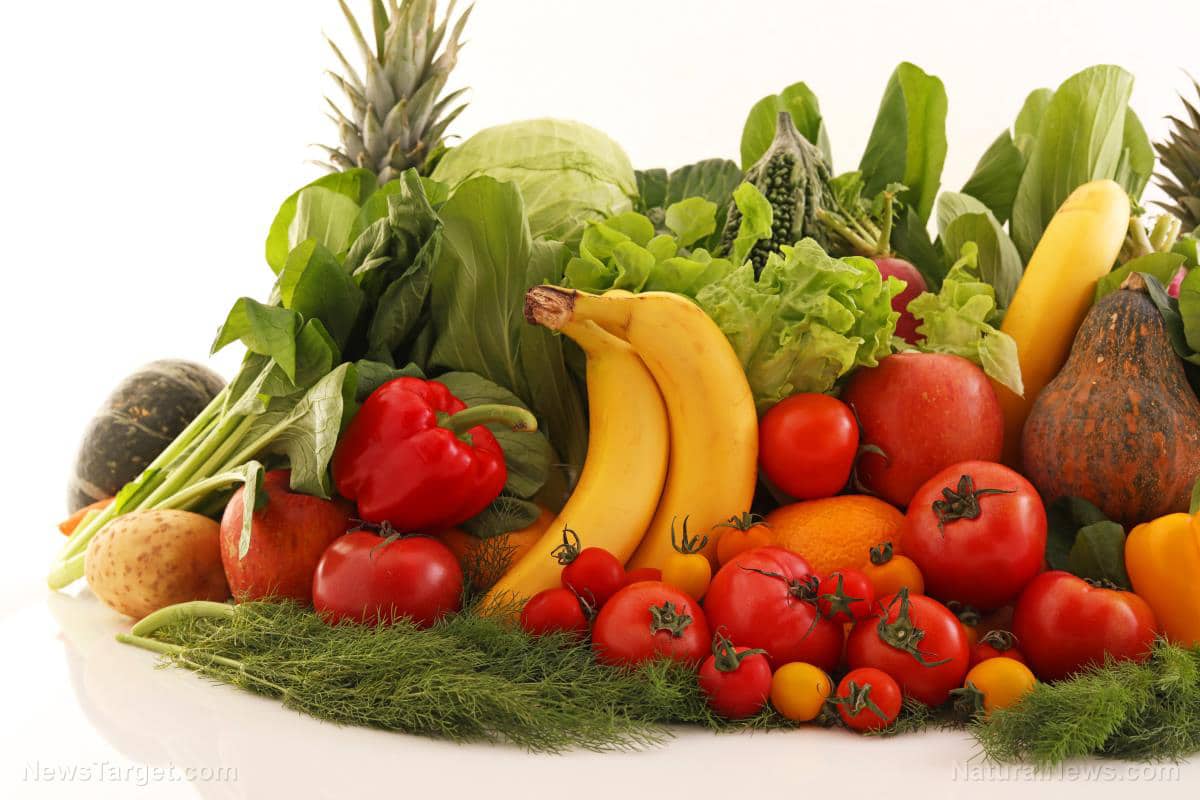
(Ellaine Castillo) Countless evidence proves the importance of eating fruits and vegetables. Unfortunately, many of these studies fail to consider the effects of various food processing techniques like cooking and canning on their nutritional content and benefits. Recently, a team of researchers from the University of Otago in New Zealand has found that the consumption of raw fruits and vegetables leads to better mental health outcomes compared to their processed counterparts.
by Ellaine Castillo, January 22nd, 2019
Fruits and vegetables are important sources of micronutrients that are necessary for maintaining physical and mental health. These include vitamins, minerals, and antioxidants that protect against oxidative stress, a major contributor to neurodegenerative diseases, chronic inflammatory disease, atherosclerosis, cancer, and depression. Previous studies have shown that fruit and vegetable intake lowers the risk of chronic stress, negative mood, and mental disorders such as depression. Moreover, eating these foods leads to better mental states, which manifests in happiness, positive mood, life satisfaction, and socio-emotional flourishing. This association between mental health and fruit and vegetable intake was observed to be dose-dependent.
There have been studies that claimed that cooking and canning reduces the content and bioavailability of nutrients in fruits and vegetables. This was especially true for water-soluble nutrients like vitamins C and B, which are known for their antioxidant properties and pivotal role in mental health, respectively. However, there have also been some studies claiming that food processing enhances the bioavailability and activity of antioxidants. Due to these conflicting results, it still hasn’t been established whether eating fruits and vegetables raw is better for mental health than processing them first.
In this study, which was published in the journal Frontiers in Psychology, the researchers conducted an online cross-sectional study to determine how raw and processed foods affect mental health. The survey assessed the typical consumption of raw vs processed fruits and vegetables of participants between the ages of 18 to 25 years old. People within this age group were selected since they generally have a high risk of developing mental illness and have the lowest fruit and vegetable intake. Questions in the survey also evaluated mental health based on questions regarding depressive symptoms, anxiety, mood, life satisfaction, and flourishing.
Buy Book 100 Organic Skincare Recipes: Make Your Own Fresh and Fabulous Organic Beauty Products
The researchers received 422 responses from people who had differences in factors like socio-economic status, body mass index, sleep, physical activity, smoking, and alcohol use. Upon controlling these factors to prevent them from affecting the results, the team found that raw fruit and vegetable intake reduced depressive symptoms and improved mood, life satisfaction, and flourishing. Moreover, the consumption of fruits and vegetables did not lead to the same improvements. The researchers attributed these results to potential changes in nutritional content caused by the different processing techniques used. (Related: Are your nutrient levels normal? An imbalance could be damaging your mental health.)
Best foods for mental health
In this study, the researchers also considered the effects of individual food items on mental health. They found that when pumpkin, mixed frozen vegetables, potatoes, sweet potatoes, broccoli, and eggplant were processed, they still caused significant improvements in mood. Meanwhile, the top 10 raw foods that led to better mental health outcomes include the following:
- Carrots
- Bananas
- Apples
- Dark leafy greens
- Grapefruit
- Lettuce
- Citrus fruits
- Berries
- Cucumber
- Kiwifruit
“In terms of application, our results suggest that policies, promotions, and interventions that are designed to increase raw fruit and vegetable consumption may provide an accessible adjuvant approach to improving mental health in the young adult population, who remain vulnerable to developing mental disorders,” concluded the authors of the study.
Stillness in the Storm Editor: Why did we post this?
The Deep State has weaponized healthcare in the sense that most people never learn the true methods of maintaining their health. The preceding article dispels this false reality that an individual cannot be healthy without the mainstream medical establishment. It offers information that the reader can use to make better choices, which are ultimately the primary contributors to an individual’s health estate. With health autonomy in hand, neuroticism decreases due to not fearing for the communication of diseases, resulting in the liberation of consciousness-energy that can be used to positively contribute to making the world a better place.
– Justin
Not sure how to make sense of this? Want to learn how to discern like a pro? Read this essential guide to discernment, analysis of claims, and understanding the truth in a world of deception: 4 Key Steps of Discernment – Advanced Truth-Seeking Tools.
Stillness in the Storm Editor’s note: Did you find a spelling error or grammar mistake? Send an email to [email protected], with the error and suggested correction, along with the headline and url. Do you think this article needs an update? Or do you just have some feedback? Send us an email at [email protected]. Thank you for reading.
Source:
Leave a Reply