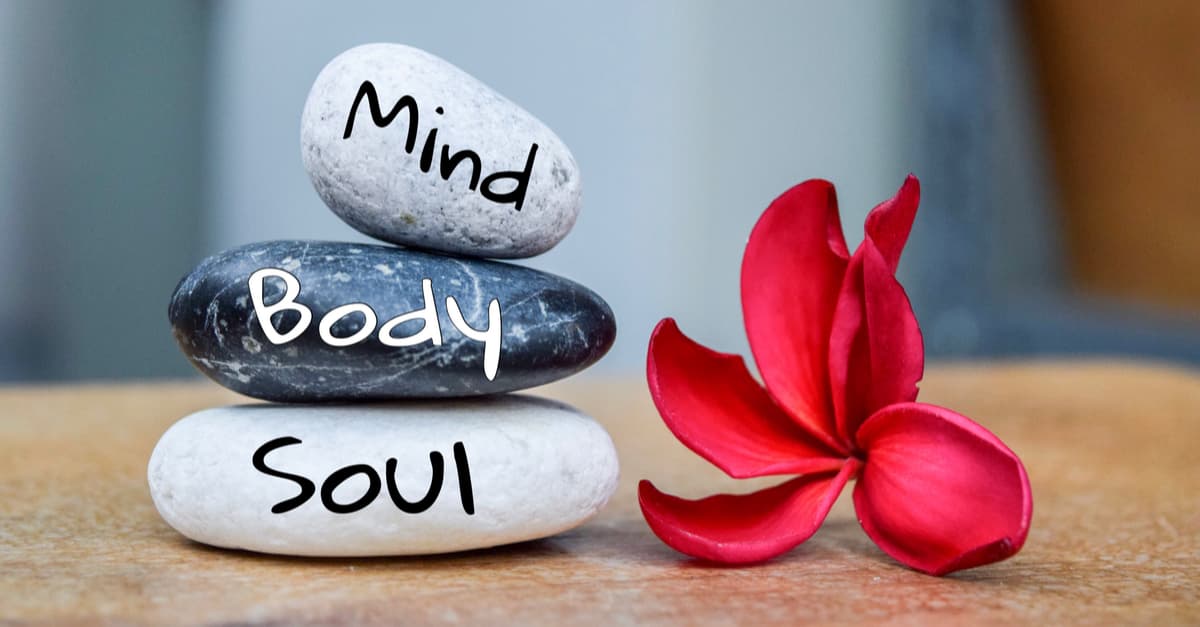
Since becoming conscious of the self, humans have been aware of the different states in which our body, mind, and spirit can exist. These states seem connected, and the equilibrium of physical, mental and social well-being is what we call health. According to the definition provided by the World Health Organization (WHO), health is not merely the absence of disease or infirmity, but it is a functional state that depends on several areas of life and whose requirements to be maintained will vary from person to person.
In other words, a state of well-being cannot be simply reduced to corporeal balance. Although it is extremely important to exercise and have adequate nutrition, it happens frequently that emotional imbalances, conflicting relationships, large amounts of stress, developing in unpleasant environments and lack of personal motivation, can deteriorate body wellness as much as pathogens, bad nutrition, and sedentary lifestyle would. This is why mental care is equally important.
Further, many professionals posit that mental well-being cannot be achieved unless it’s supported by a solid spiritual life. External circumstances may not always be changed, but internal ones are solely subject to one’s choices and personal views.
The Secret of Good Health
 Good nutrition, according to the FAO, is the first defense against disease. Food is also the source of the energy fueling every activity. Nutrition is the most important agent for good health. Food can work as prevention of diseases and as medicine, as well.
Adequate nutrition varies depending on age, lifestyle, and current state of the body.
However, a good diet is ideally made up of lots of vegetables, fruits, less sugar and flour, healthy fats, little or no alcohol, and adequate amounts of water.
Diet is so crucial that a good one can battle insomnia, diminish the symptoms of mental illnesses, and slow the development of chronic diseases.
Good Sleep allows energy to recover. Although there’s a common belief that adults need much less sleep than kids, the reality is that most adults need from 7 to 9 hours of good sleep, to maintain well-being. A good night’s sleep needs a regular schedule, and one should avoid white light from cellphones and computers.
Exercise gives the body the power to heal itself. It allows the energy to flow, to be used to add movement skills and improve capacities. Exercise is ideally both aerobic and non-aerobic. Aerobic exercise maintains the cardiovascular and respiratory system fit and non-aerobic exercise such as stretching, prevents degenerative conditions of the hips, neck, and spine.
 Stress management, if it is good, can prevent the body from suffering from many conditions, such as skin problems, headaches, heart problems, muscle tears, mental problems, menstrual disorders, gastritis, among others.
Healthy relationships aid in maintaining a good mental state, for they bring support, focus for the mind, and help lower stress levels.
Sunlight makes the body synthesize nitric oxide, a chemical that keeps blood vessels soft and flexible; vitamin D, which allows calcium to be absorbed, and serotonin, which helps us to feel motivated and full of energy.
Lifespan and Health Throughout History

We might believe that humans today are privileged. Modern medicine and living conditions should improve general health, in comparison with that of our ancestors, and that should increase life expectancy.
In fact, the average person in the 1960’s (when the United Nations began keeping global data) would live up to an average of 52 years, whereas today we can expect to live up to 80.
But, has it always been this way? Has health and lifespan increased with time? The answer could be ‘no’. Some records suggest that the lifespan of men born in Ancient Greek was 72 years (not so far from today’s). Other studies suggest the opposite, that the average age was 30-40 years.
It is important to consider the conditions in which humans have lived throughout history. Women were more likely to die, because childbirth was very dangerous. Not all men lived under the same conditions. The noble classes generally lived much better than the rest of the population, and their information was more likely to be written down. There were also eventual mass deaths during wars and epidemics. Taking these factors into account we can conclude lifespan has changed dramatically throughout history.
It is hard to imagine today’s life expectancy without modern medicine and infrastructure, but there are critical differences. Most causes of fatal diseases (excessive sugar uptake, sedentary lifestyle) didn’t exist among our distant ancestors, and that was enough to keep their health (which should be a lesson for us).
Health Promotion
Well-being has always been sought, and differing historic periods held differing philosophies as to health. Today, there’s more of a consensus regarding how to maintain or improve health. Still, cultures vary in what is held as crucial for well-being.
Many cultures in South America seek the prosperity of body, mind, and soul through contact with nature. They use certain plants and animals to prepare concoctions to apply them in the skin, to burn them to clean the spirit, or to drink them to remove impurity and return to communion with nature, which is the desirable and healthy state.
On the other hand, Eastern Cultures seek balance and wellness via preventative measures such as alternative medicine, acupuncture, medicinal plants, and chi gong, among others.
With the development of technology, science has had a chance to provide us with many compounds to treat diseases, to understand how the human body works and how diseases develop. This has given medicine and us a standardized basis to know how to take care of our bodies. Sadly, this has left behind the spiritual and mental component of a completed, balanced, happy life.
There are more and more people who are refusing to believe in any activity or compound developed by science, which is a shame, for many natural compounds that have helped humans to treat their diseases for centuries and which have fewer side effects, could be rejected and tagged as useless just for not coming from a laboratory.
Owen Shroyer Exposes TRUE Conspiracies About COVID Clot Shots

WHO Report on Mental Health Does a Two-Step Around its Own Culpability
Experts Warn Oxford “million women” Cell Phone Cancer Study is “fatally flawed”

The Emergence of Neo-Fascism in Public Health
CDC EXPOSED! Government Body Used False Data To Approve The COVID Jab For Children

On Gun Control and Mental Health, Who Decides Who’s Crazy?

Abortions On The Rise For The First Time In 30 Years, Births On The Decline

40-Year-Old British Columbia Man Diagnosed with Guillain-Barré Syndrome Is Awarded Compensation for Vaccine Injury (VIDEO)

Nine Eating Habits to Keep Aging at Bay

Healthy Young People Now Dying en Masse Across Australia, and the Corporate Media Still Won’t Dare Mention Vaccines

STUDY: Pfizer’s COVID-19 Vaccine DOES Lower Men’s Sperm Count.

Vax 2.0, Here We Go: Moderna Announces “Human Trials” of New Hybrid Flu-Covid Vaccine Are Officially Underway – Future “Triple-Threat” Vaccine “in the Works”

CDC Insists ‘Severe Reactions’ to COVID Vaccines Are Rare, But New Survey Proves That Is an Absolute Lie

Cut-And-Come-Again Gardening Will Boost Your Production

Yale Epidemiologist Soothes Monkeypox Concerns As WHO Reports Over 2,000 Cases in Latest Outbreak
Fauci Refuses To ‘Stop Funding Chinese’ Research With US Tax Dollars


TWO New Studies Show Link Between Incurable, Degenerative Brain Disease and the Experimental Covid-19 Vaccine

The 10 Best Emergency Water Filters

The WHO Cancels Public Comment on Proposed Pandemic Treaty
Scientists Discover Covid Vaccine’s ‘Trojan Horse’ Delivery May Lead to Serious Neurological Disorder
Vitamin A Benefits, Side Effects, & Best Sources
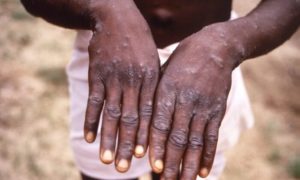
CDC Backtracks on Non-Airborne Monkeypox Mask Guidance After Criticism

Here We Go Again: Biden’s CDC Recommends Masks For Monkeypox
Miracle Drug Shows 100% Remission for All Cancer Patients in Drug Trial

Mask Mandates Caused MORE COVID Deaths, Study Alleges.

Resveratrol’s Antiaging, Brain-Boosting Potential

