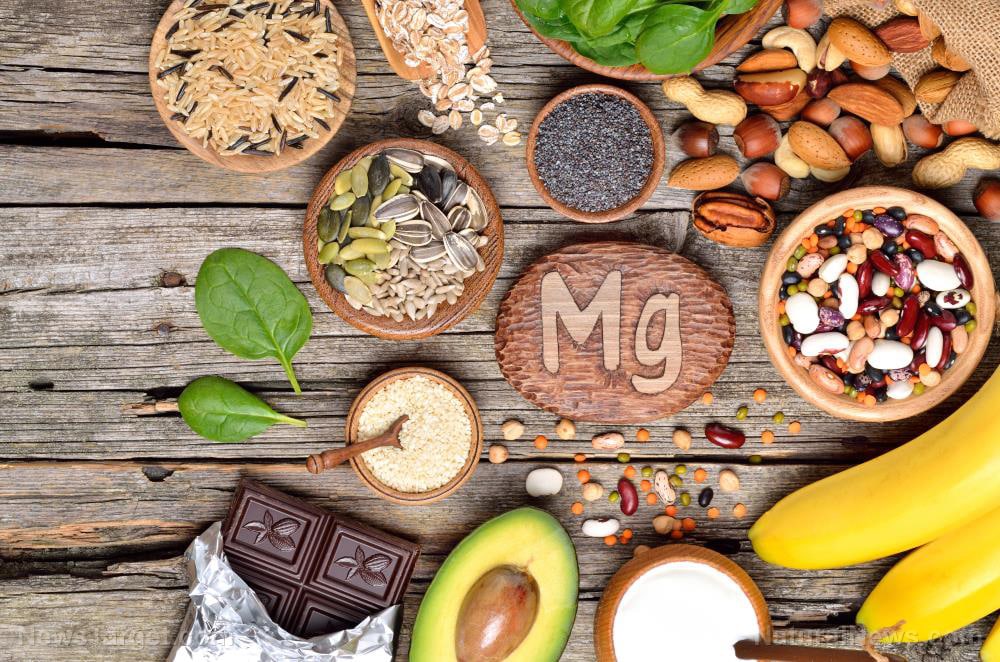
(Isabelle Z.) Living with depression is so challenging that many people are drawn to the idea of a “quick fix” in the form of antidepressants. Although their efficacy is questionable at best, there are two other big reasons that many patients ultimately decide against taking them: they’re expensive and have a host of dangerous side effects. However, studies are increasingly pointing to a worthy natural alternative in the form of magnesium.
Related Your Sense of Self and Depression – What’s the Connection?
by Isabelle Z., August 13th, 2019
The idea that a readily available mineral found in many foods could help make some real progress in treating depression is great news for the 350 million people around the world believed to be suffering from the problem.
Modern antidepressants carry some of the side effects that you might see in other popular drugs, such as nausea, insomnia, weight gain, fatigue, constipation, and sexual problems. However, one is an absolute deal breaker: suicidal ideation (and, for some people, completion). You would think that antidepressants would have the opposite effect, but the sad truth is that the threat is so real that many of them carry a black box warning letting patients know about it.
While we’ve seen quite a few promising natural alternatives in recent years, magnesium is emerging as one of the best. Several studies have shown its antidepressant effects, and a recent placebo-controlled clinical study provided some of the strongest evidence yet that it can make a big difference.
The study involved 126 men and women whose mean age was 52. All had been diagnosed with mild to moderate depression and were experiencing symptoms at the time of the study. Some of the patients were given 248 milligrams of elemental magnesium a day across a period of six weeks. Their depression symptoms were assessed biweekly.
The researchers discovered that those who had taken the magnesium chloride supplement noted a clinically significant net improvement in their depression and anxiety scores. The popular Patient Health Questonnaire-9 (PHQ-9) was used to find their depression scores. Those taking magnesium saw their scores improve by 6 points; conventional antidepressants are considered effective when this score improves by just 5 points.
Buy Book The Mindful Way Through Depression: Freeing Yourself from Chronic Unhappiness (Book & CD)
In addition, the patients’ average adherence to magnesium supplements was 83 percent – far higher than that of conventional antidepressants – and 61 percent of the participants said they’d use the supplement again in the future.
These results held true in men and women alike regardless of their age, baseline magnesium levels and depression severity, and use of other antidepressant treatments. The effects were visible in as few as two weeks, prompting the researchers to conclude that it’s effective and works quickly.
Best of all, the magnesium was well-tolerated in the study, which means patients won’t need to be monitored closely for toxicity like they would with pharmaceutical antidepressants.
Buy Book How Do We Know?: An Introduction to Epistemology (The Philosophy of Discernment)
How to consume more magnesium
The study indicates that those suffering from severe depression might find relief from magnesium supplements. However, it’s also possible to get this mineral from food sources. In fact, when you consume healthy, natural foods like those that contain magnesium, you can improve your overall health, which is also known to impact depression.
Leafy, dark green vegetables are often rich in magnesium, so consider upping your intake of foods like kale, spinach, Swiss chard and collard greens. This is a healthy and low-calorie way to ensure you’re getting more of this important mineral.
Pumpkin seeds, almonds, Brazil nuts, and cashews are other great sources of magnesium that work well as snacks. Tuna and salmon are great main course choices for those looking to enhance their intake of not only magnesium but also omega-3 fatty acids, which have also been linked to improvements in depression. Antioxidant-rich dark chocolate, highly portable bananas, and heart-healthy avocados are other good options.
Once again, nature has come through for humanity with an effective solution for a common health problem. Magnesium-rich foods and supplements could prove to be a very useful tool in helping people beat depression quickly without the risks of antidepressants.
Stillness in the Storm Editor: Why did we post this?
Health is an important human value. Almost everyone, regardless of political affiliation, national origin, or religious association, values being healthy, free of disease and able to pursue their dreams and values. The preceding information discuses health in some capacity, either by alerting the public to poor health choices or suggesting better ways of living for optimum health. With health freedom in hand, which is a primary survival need of all living creatures, the individual can be liberated from fear of personal suffering. This leads to the capacity for holistic thinking, playfulness, and inspired living—activating our capacity to thrive.
– Justin
Not sure how to make sense of this? Want to learn how to discern like a pro? Read this essential guide to discernment, analysis of claims, and understanding the truth in a world of deception: 4 Key Steps of Discernment – Advanced Truth-Seeking Tools.
Stillness in the Storm Editor’s note: Did you find a spelling error or grammar mistake? Send an email to [email protected], with the error and suggested correction, along with the headline and url. Do you think this article needs an update? Or do you just have some feedback? Send us an email at [email protected]. Thank you for reading.
Source:
Leave a Reply