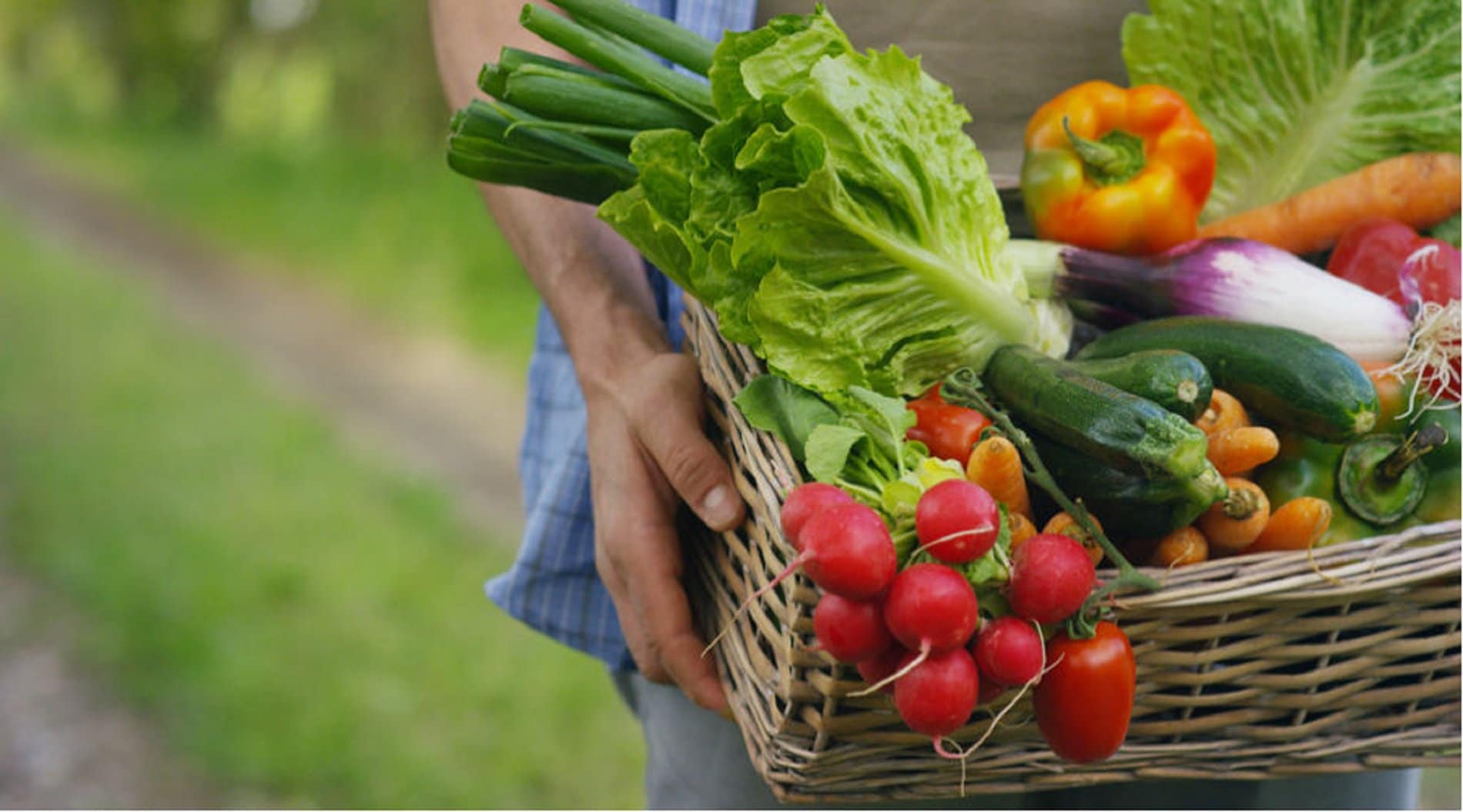
(Helen Lyle) Organic food standards are still met but small farms don’t face the level of paperwork and expense that the USDA requires. Consumers are assured of quality products.
Related The Hidden Dangers of Addictive Food Stimulants
by Helen Lyle, November 26th, 2018
When consumers look for environmentally friendly living options, organic food is often a top priority. In the United States, only those farms which have been certified by the US Department of Agriculture’s National Organic Program may use the organic label.
Small farms finding it difficult to get and maintain organic certification may opt for Certified Naturally Grown membership, which requires them to maintain USDA standards, but involves less paperwork and overhead costs. Consumers buying Certified Naturally Grown products are able to support small sustainable businesses and be assured of the quality of the food they purchase.
USDA Organic Certification Favors Larger Farming Operations
A look at the requirements for receiving organic farming certification from the USDA makes it clear why many small organic food businesses are not certified. The level of ongoing record keeping alone is difficult for them to maintain. Fees and assessments add to the difficulty of getting and maintaining organic business status.
Why Many Small Organic Farms Are Using the Certified Naturally Grown Option
The organic food movement was begun at the local level. Farmers opted to stop using pesticides and chemical fertilizers, becoming some of the earliest green businesses. Many of these same sustainable businesses are now finding it difficult to comply with the fees and paperwork required by the USDA.
Certified Naturally Grown, a Participatory Guarantee System, is a grassroots alternative that remains true to the environmental and human health principles the early organic farmers lived by. Many of the small farms that went organic 28 years ago are now members of CNG.
The Participatory Guarantee System is used to develop organic farming standards in many countries under the guidance of the International Federation of Organic Agriculture Movements (IFOAM).
CNG farmers are asked to donate annually but they determine the level of that donation. Farmers must also conduct at least one certification inspection of another Certified Naturally Grown farm and their own farms must be inspected at least once every 16 months. Basic records that a small sustainable business would be likely to keep are also required.
The core of Certified Naturally Grown is the cooperation between small organic farm owners. Members of this partially [sic] all-volunteer organization help each other improve their organic farming techniques and share resources, unlike USDA inspectors who are forbidden to give advice to farms seeking organic certification.
Stillness in the Storm Editor’s note: We received an email from someone who works in this organization stating they in fact have 5 paid staff members.
Buy Book The Science of the Aura: An Introduction to the Study of the Human Aura
What the Certified Naturally Grown Label Means to the Consumer
For the US consumer, the CNG label offers another source of quality organic products. CNG farms adhere to the USDA Organic Standards and are regularly inspected. This means that if a product is locally grown and Certified Naturally Grown it is likely healthier, and more environmentally sustainable, than organic foods from large producers who ship all over the country.
The Takeaway
It’s great to see these efforts come about, because these days, it’s getting really hard to trust government food administrations. They’ve been overseeing everything for years, and to think that they have their hands in the organic movement is worrisome. It because you question whether or not if some stuff out there that’s labelled organic, but you just have to do your research, support movements like the one discussed in this article, or grow your own food.
Buy Book Eighteen Natural Ways to Beat a Headache
About The Author
Not sure how to make sense of this? Want to learn how to discern like a pro? Read this essential guide to discernment, analysis of claims, and understanding the truth in a world of deception: 4 Key Steps of Discernment – Advanced Truth-Seeking Tools
Stillness in the Storm Editor’s note: Did you find a spelling error or grammar mistake? Send an email to [email protected], with the error and suggested correction, along with the headline and url. Do you think this article needs an update? Or do you just have some feedback? Send us an email at [email protected]. Thank you for reading.
Source:
Leave a Reply