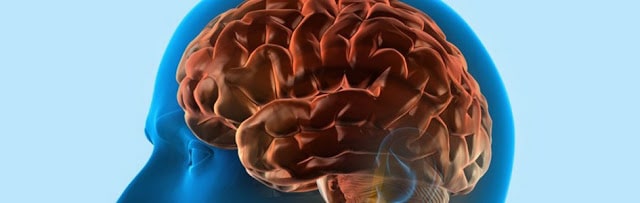
(Dr. Joseph Mercola) Do you know what causes depression? Many people would respond that it’s due to a chemical imbalance in the brain. This chemical imbalance theory has been widely promoted by drug companies and psychiatrists alike, to the extent that it’s accepted as fact. The glaring problem is that the chemical imbalance theory is just that — a theory — and worse still, it’s a theory that has been largely discredited.
Related New Study Reveals Mushrooms Cure Depression by Doing the Exact Opposite of Anti-Depressants
Source – Waking Times
by Dr. Joseph Mercola, January 26th, 2018
The theory was first proposed by scientists in the 1960s after it appeared certain antidepressant drugs worked by altering brain chemicals, but it was stated that “the findings are inconclusive.”1 Yet, the theory was proposed at a time when treating mental illness via psychoanalysis was falling out of favor while viewing it as tied to a physical or biological mechanism was in vogue.
The idea quickly spread, becoming the medical dogma for depression, despite concrete evidence proving its worth. “The fact that practicing physicians and leaders of science bought that idea, to me, is so disturbing,” Steve Hyman, director of the Stanley Center for Psychiatric Research at the Broad Institute of MIT and Harvard, told Quartz.2 The news outlet continued:
“It’s not hard to see why the theory caught on: It suited psychiatrists’ newfound attempt to create a system of mental health that mirrored diagnostic models used in other fields of medicine. The focus on a clear biological cause for depression gave practicing physicians an easily understandable theory to tell patients about how their disease was being treated.”3
Prozac, Zoloft Bring Chemical Imbalance Theory for Depression to the Mainstream
The release of the antidepressant Prozac (fluoxetine) in the late 1980s was a game changer for depression treatment in that the drug’s maker, Eli Lilly, heavily promoted the chemical balance theory as a marketing gimmick to sell the drug. With fewer side effects than some of the earlier antidepressants, Prozac became a blockbuster drug and the poster child for the selective serotonin reuptake inhibitor (SSRI) class of antidepressants, which target the neurotransmitter serotonin.
“There was, of course, no demonstrable evidence showing that depressed patients had any imbalance, but Lilly ran with it,” Psychology Today noted. “Before long, psychiatrists and psychiatric patients alike came to identify with the idea that mental disorders are caused by chemical imbalances in the brain.”4
Zoloft (sertraline), another SSRI, was another major player in spreading and perpetuating the chemical balance theory, with their television ads going so far as to say, “While the causes are unknown, depression may be related to an imbalance of natural chemicals between nerve cells in the brain. Prescription Zoloft works to correct this imbalance.”5
It’s important to note that in the time since Prozac flooded the market, depression still remains poorly treated, despite a plethora of new antidepressant options to choose from. SSRIs work by preventing the reuptake (movement back into the nerve endings) of the neurotransmitter serotonin.
This makes more serotonin available for use in your brain, which is thought to improve your mood since low serotonin levels are said to lead to depression. Yet, as written in the Handbook of Experimental Pharmacology, it’s a largely disproven theory:6
“Antidepressants are supposed to work by fixing a chemical imbalance, specifically, a lack of serotonin in the brain. Indeed their supposed effectiveness is the primary evidence for the chemical imbalance theory. But analyses of the published data and the unpublished data that were hidden by the drug companies reveal that most (if not all) of the benefits are due to the placebo effect.
“Some antidepressants increase serotonin levels, some decrease it, and some have no effect at all on serotonin … The serotonin theory is as close to any theory in the history of science to have been proved wrong.”
Harvard: Depression ‘More Complex’ Than a Brain Chemical Imbalance
It’s quite possible that people who are depressed may have an imbalance of certain chemicals in their brain. But to speculate that that imbalance is the cause of their symptoms is overly simplistic. For instance, it’s known that psychological stress can cause biological changes in the brain, including a reduction in the size of the hippocampus, which is used for learning and memory.7 In turn, it’s known that some people with depression have a smaller-than-average hippocampus.8
“Evidence of biological changes correlating with environmental stressors is vastly different from evidence that mental illnesses are ‘caused’ by biological deficits,” scientists wrote in a 2008 report on the chemical imbalance theory,9 and this is an important point. Even Harvard Medical School acknowledges that while brain chemicals may play a role in your mood, it is not accurate to suggest that one being too high or too low is at the root of depression. They state:10
“Research suggests that depression doesn’t spring from simply having too much or too little of certain brain chemicals. Rather, there are many possible causes of depression, including faulty mood regulation by the brain, genetic vulnerability, stressful life events, medications, and medical problems.”
“It’s believed that several of these forces interact to bring on depression … There are millions, even billions, of chemical reactions that make up the dynamic system that is responsible for your mood, perceptions, and how you experience life.”
One theory posits, for instance, that stress could be a major contributor to depression because it suppresses the production of new neurons in the hippocampus. In order to feel better, people with depression may need to increase neurogenesis (the generation of new neurons), which takes weeks.
This would explain why many people who take antidepressants don’t notice any improvement for several weeks.11 If the action was really on neurotransmitters, the patient should feel better right away when levels increase. Instead, triggering the growth of neurons could be the secret, which is a process that can be triggered naturally via exercise.
Believing Depression Is Caused by Chemical Imbalance Worsens Outcomes
Aside from the serious implications of prescribing drugs under a false premise, the chemical balance theory is also dangerous in that it takes away ownership from the patient. If a person feels a chemical imbalance in their brain is to blame for their depression, they may believe taking medications is the only option to feel better. According to Todd Kashdan, professor of psychology at George Mason University in Virginia, upon “buying into a biomedical explanation for their depression:”12
“They become pessimistic that recovery is possible. They become less confident that they can manage and regulate negative moods that arise (and they always do). The notion that depression is their brain’s fault does not lessen the stigma or self-blame one bit.”
“And they no longer believe that psychotherapy is a credible or useful strategy for treating their depression and instead, are ready to be dispensed a pill cure. Essentially, they become less flexible in their options for treating depression and less confident that they will escape its clutches.”
Indeed, a 2014 study published in Behavior Research and Therapy revealed just that — attributing depressive symptoms to a chemical imbalance made people more pessimistic about their prognosis and led them to believe that drugs would be more effective than psychotherapy.13 At the same time, they still felt the same amount of self-blame. It’s important to note that feeling depressed is not anyone’s fault, nor should they feel blamed for or ashamed of their feelings.
However, pinning its cause on a chemical imbalance is likely to worsen outcomes rather than improve them. It’s a vicious cycle as well, because the chemical imbalance theory makes people assume that medications are the best course of treatment. But here again, research has shown that people with depression who are treated with medication have poorer long-term outcomes compared to those who are not.14
Antidepressants Work No Better Than Placebo
Nearly 7 percent of U.S adults suffered from a depressive episode in the past year15 while, worldwide, 350 million people suffer from depression, making it a leading cause of disability.16 Despite this, only about one-third of Americans with depression get treated,17 which puts the remaining two-thirds left untreated at increased risk of suicide and with a lower quality of life.
That said, the antidepressant drugs that are supposed to work by fixing a chemical imbalance in the brain are largely ineffective, which means that even when some people attempt to get treatment, they’re left suffering. Studies have repeatedly shown antidepressants work no better than placebo for mild to moderate depression.18
Irving Kirsch, associate director of the Program in Placebo Studies at Harvard Medical School, has conducted meta-analyses of antidepressants in comparison to placebo and has concluded that there’s virtually no difference in their effectiveness, noting, “The difference is so small, it’s not of any clinical importance.”19 What is different, however, is the potential for side effects, which is far greater among antidepressants than placebos.
For instance, antidepressant users have an increased risk of developing Type 2 diabetes,20 even after adjusting for other risk factors, like body mass index (BMI).21 Antidepressant use has also been linked to thicker arteries, which could contribute to the risk of heart disease and stroke.
The results of a study of 513 twin veterans, presented at the American College of Cardiology meeting in New Orleans in 2011, found that antidepressant use resulted in greater carotid intima-media thickness (the lining of the main arteries in your neck that feed blood to your brain).22
This was true both for SSRIs and antidepressants that affect other brain chemicals. Further, the use of antidepressants is also associated with an increased risk of heart attack, specifically for users of tricyclic antidepressants, who have a 36 percent increased risk of heart attack.23
Meanwhile, the drugs are also linked to dementia, with researchers noting “treatment with SSRIs, MAOIs, heterocyclic antidepressants, and other antidepressants was associated with an increased risk of dementia,” and as the dose increased, so too did the risk.24
The drugs are also known to deplete various nutrients from your body, including coenzyme Q10 and vitamin B12 — in the case of tricyclic antidepressants — which are needed for proper mitochondrial function. SSRIs may deplete iodine and folate,25 and you’re even more likely to relapse if you’re treated with antidepressants than if you’re treated via other methods, including placebo or exercise.26,27Given the lack of effectiveness and the risks involved, Kirsch and colleagues concluded:28
“When different treatments are equally effective, choice should be based on risk and harm, and of all of these treatments, antidepressant drugs are the riskiest and most harmful. If they are to be used at all, it should be as a last resort, when depression is extremely severe and all other treatment alternatives have been tried and failed.”
Alternative Treatments for Depression
If the chemical imbalance theory is false, the case for choosing antidepressants as a first-line treatment for depression is incredibly weak. Fortunately, there are many alternatives to drugs for treating depression, including nutritional interventions, light therapy, exercise and more. If you’re struggling with depression, you needn’t suffer in silence. Seek help, from a counselor, a holistic psychiatrist or another natural health practitioner to start the journey toward healing.
That said, if you are feeling desperate or have any thoughts of suicide, please call the National Suicide Prevention Lifeline, a toll-free number: 1-800-273-TALK (8255), call 911, or simply go to your nearest hospital emergency department. You cannot make long-term plans for lifestyle changes when you are in the middle of a crisis.
If you’re in a place where you feel you can begin to make positive changes, here are some of the top alternative treatments for depression to consider:
- Exercise. Those who didn’t exercise were 44 percent more likely to become depressed compared to those who did so for at least one to two hours a week.29
- Light therapy. Light therapy alone and placebo were both more effective than Prozac for the treatment of moderate to severe depression in an eight-week-long study.30
- Omega-3 fats, which have been shown to lead to improvements in major depressive disorder.31 Make sure you’re getting enough omega-3s in your diet, either from wild Alaskan salmon, sardines, herring, mackerel and anchovies, or a high-quality animal-based omega-3 supplement.
- Optimize your vitamin D levels, another factor linked to depression32
- Magnesium. Magnesium supplements led to improvements in mild-to-moderate depression in adults, with beneficial effects occurring within two weeks of treatment.33
- B vitamins. Low levels of B vitamins are common in patients with depression, while vitamin B supplements have been shown to improve symptoms.34
- Mindfulness meditation35 and the Emotional Freedom Techniques (EFT). In a study of 30 moderately to severely depressed college students, the depressed students were given four 90-minute EFT sessions. Students who received EFT showed significantly less depression than the control group when evaluated three weeks later.36
- Cognitive behavioral therapy, which works as well as antidepressants and may reduce your risk of relapse even after it’s stopped.37
Limit sugar. Men consuming more than 67 grams of sugar per day were 23 percent more likely to develop anxiety or depression over the course of five years than those whose sugar consumption was less than 40 grams per day.38
_________________________
Stillness in the Storm Editor’s note: Did you find a spelling error or grammar mistake? Do you think this article needs a correction or update? Or do you just have some feedback? Send us an email at [email protected] with the error, headline and url. Thank you for reading.
Leave a Reply