
(Ocean Robbins) Sometime in the late 18th century, in an English home on Christmas Eve, a small boy has left the dinner table, taking the dessert with him. Instead of a fork or spoon, he sticks his hand into the dish, extracts the best part, and pops it into his mouth. His family would be well within their rights, I think, to chastise the lad for his ill manners. But before they can do so, he preemptively praises himself, “What a good boy am I!”
Related 5 Healthy Berry Recipes & How to Use Berries
Source – Food Revolution Network
by Ocean Robbins, June 1st, 2022
I’m referring, of course, to the Mother Goose rhyme “Little Jack Horner.” Apparently composed as a subtle reproach of political opportunists, the ditty did grammatical duty as well. Due to its popularity, “Little Jack Horner” turned the noun “plum” into an adjective.
For the past couple of centuries, “plum” has meant, in addition to a fruit in the prunus family, “very good and worth having” or “the best and choicest part” (as in, a plum position).
So here’s my question — if being plum or plummy (as the British say) is so darn good, then why are plums less popular than so many other kinds of fruit? Is it the fact that dried plums are called prunes, and many people associate prune juice with underactive bowels?
Whatever the reason, in this article, I’m going to try to redress this historical imbalance. I’ll do my best to convince you that plums are just as desirable as plum jobs, and at least as good for you. We’ll look at some potential downsides to plum consumption. And I’ll share a bunch of ways to enjoy them that have nothing to do with helping you poop better.
What Are Plums?
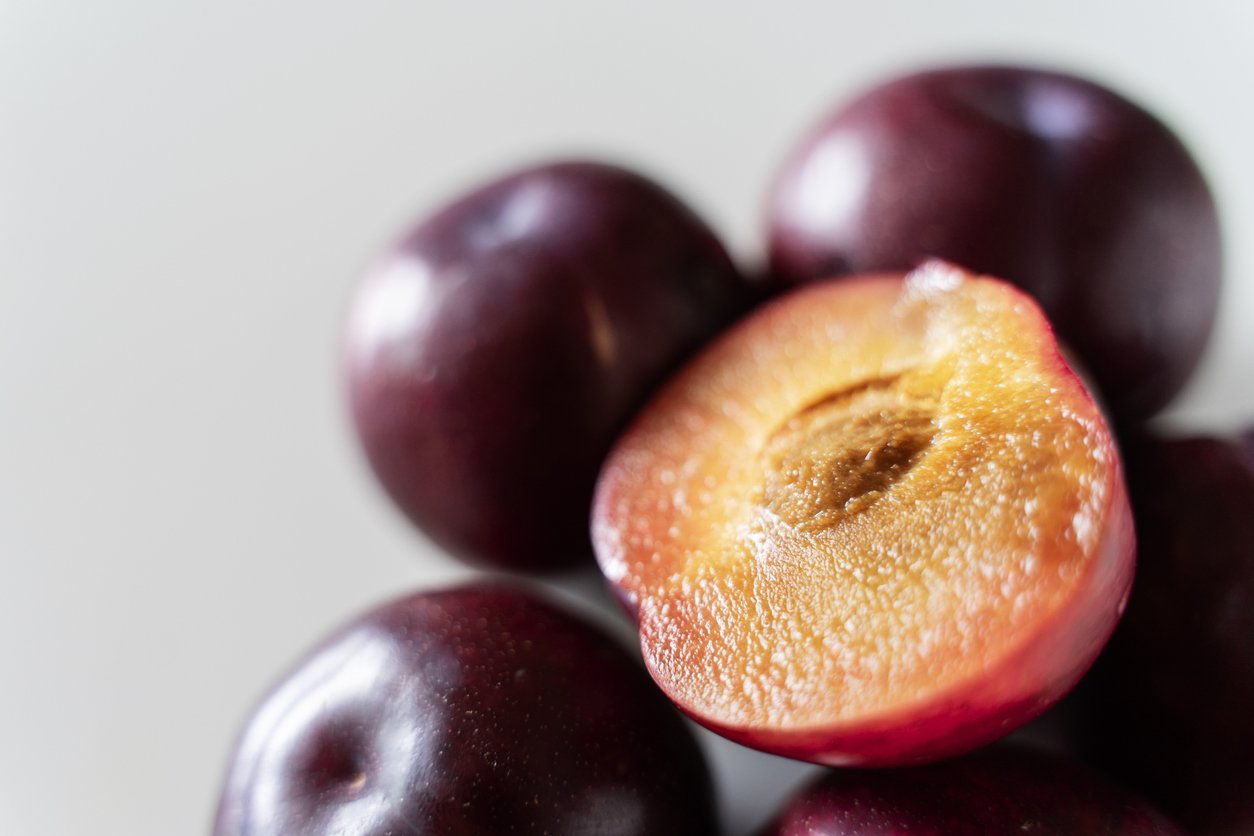
Plums are members of the rose family (Rosaceae) in the subgenus Prunus. Like their fruit buddies the apricots, cherries, and peaches, plums are known as stone fruit because their single pit is hard, like a stone. Technically, plums are drupes, which is a word I think I shall never tire of typing or saying.
Merriam-Webster’s definition of “drupe” is “a one-seeded indehiscent fruit having a hard bony endocarp, a fleshy mesocarp, and a thin exocarp that is flexible (as in the cherry) or dry and almost leathery (as in the almond).” Now that’s a definition that makes you work! (To save you a bit of time, “indehiscent” means “not opening upon maturity.”)
Other drupes include mangoes, dates, and olives. But just like plum has another meaning, I feel like “drupe” should have one too. Like it would be fun to be able to say, “I am such a drupe.” I’m not sure what it should mean, though. Any ideas?
Are Plums and Prunes the Same Thing?
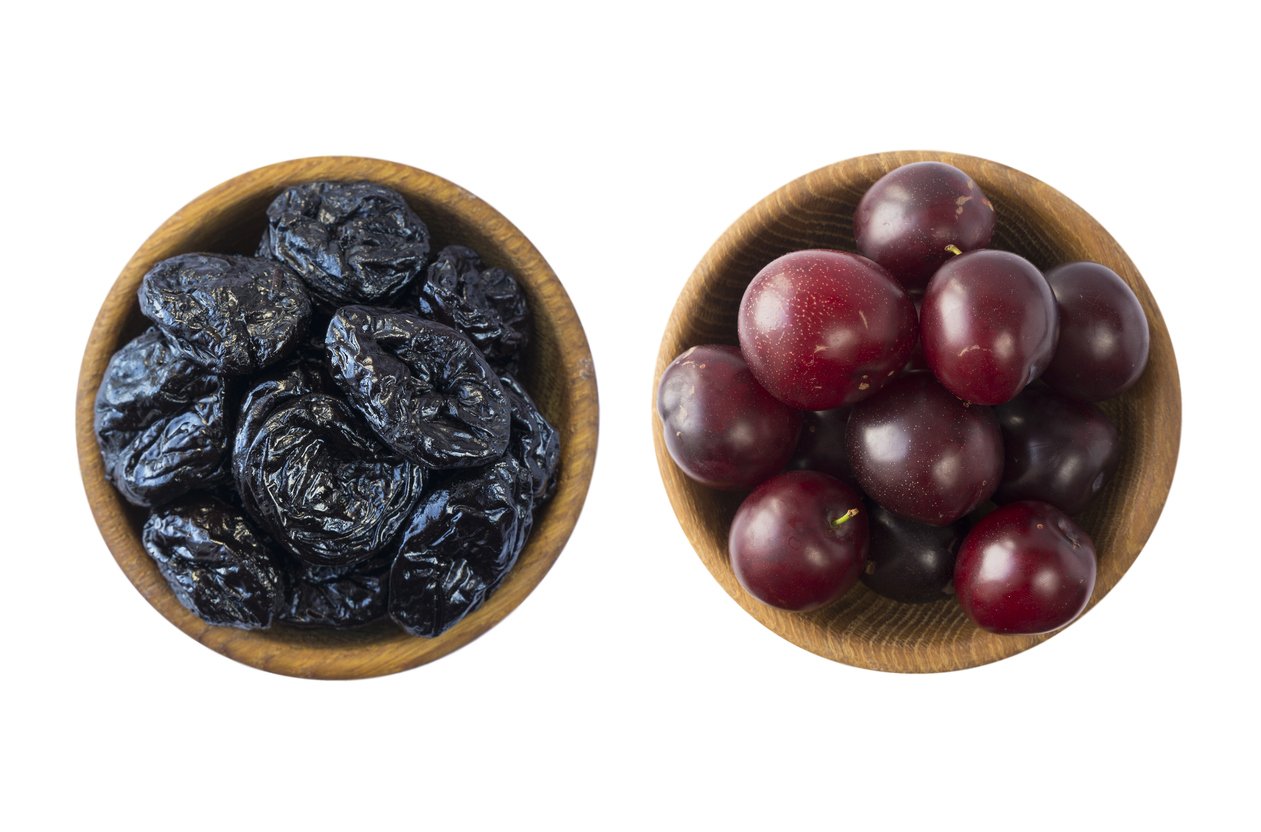
The words “plum” and “prune” are sometimes used interchangeably, but the reality is a little more complicated. All prunes are dried plums (a specific type called prune plums), but not all types of plums typically become prunes.
Prune plums are a kind of plum grown specifically to become prunes. These plums are sweeter than regular plums but don’t have as robust a flavor. Drying and cooking prune plums bring out their sweetness.
The California Prune Board decided sometime in the last millennium that prunes had a negative connotation among the public (possibly because so many older people drank prune juice for regularity, and younger people weren’t exactly drawn to a food that reminded them of their grandparents’ digestive challenges), and pressured the US Food and Drug Administration to change the name of prunes to “dried plums.”
The change became official in 2000 but never took hold among those coveted Gen Xers and Millennials, and today the California prune industry again proudly refers to its product as prunes.
Types of Plums
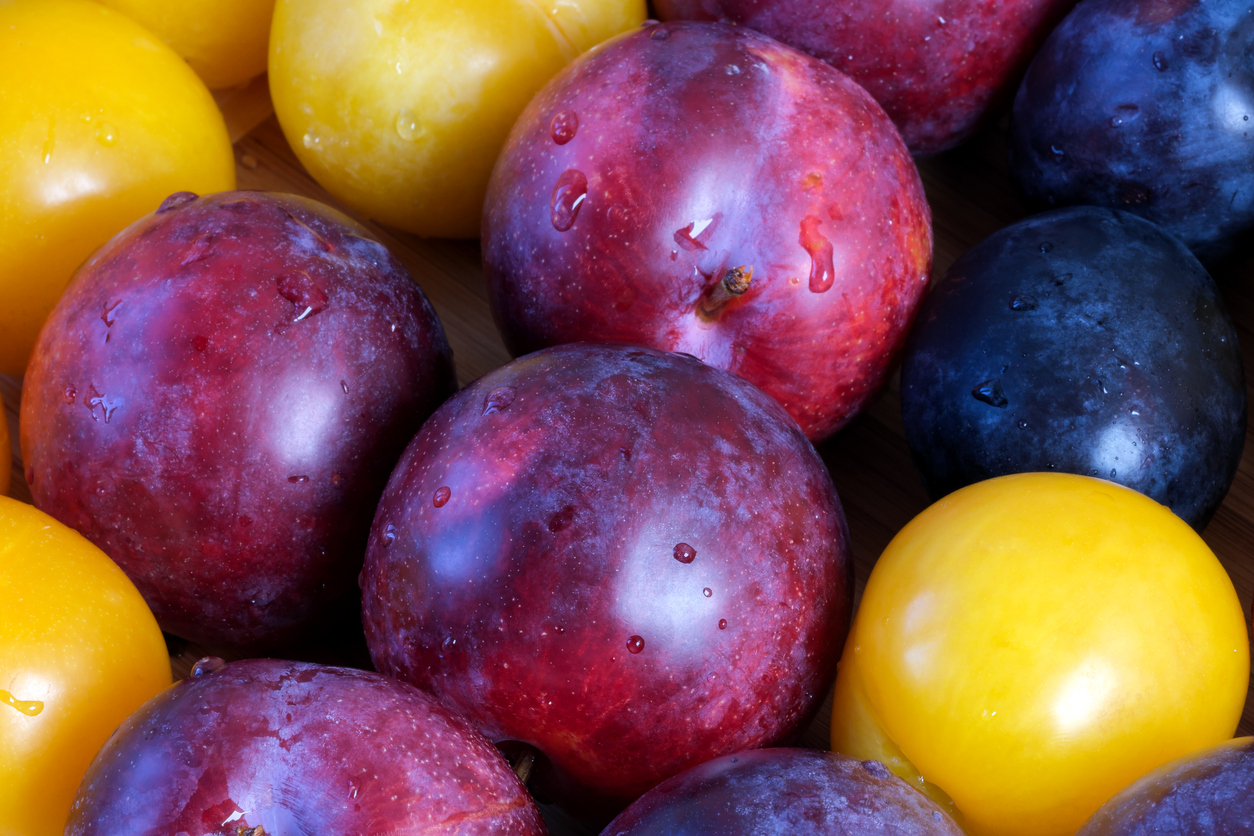
Plums come in many varieties of size and color, including those with yellow, green, red, blue, black, and purple skin, and flesh that can range in hue from yellow to red and everything in between.
You’ll likely find two main types of plums in stores and nurseries in the US: European and Japanese. European plums are slightly smaller than Japanese plums, and some of the varieties in this category are the prune plums. Japanese plums are the ones most commonly found in the produce section of your supermarket or grocery store. Fun fact — over 800 different varieties of Japanese plums exist, which speaks to how well they respond to crossbreeding and hybridization.
There’s a third category, American plums, that consists of roughly 30 species native to the east coast of the US. Some of these include the wild American, Empress, and beach plum. You won’t find these in stores, as the trees tend to produce sparsely.
Plum trees play well with other fruits, as evidenced by the existence of pluots, which are a hybrid of plums and apricots, and pluerries, which are the offspring of plums and cherries.
Freestone or Clingstone Plums
And here’s another distinction — plums are considered either freestone or clingstone, which are just what they sound like. With a freestone plum, the pit is easy to pull away from the flesh, while the pit of a clingstone plum clings to its flesh and is harder to remove.
Those prune plums, which are of Italian or French plum lineage, are small and freestone, making them easier to process into prunes or prune juice. Smaller, firmer, and more egg-shaped than other varieties, they’re good for snacking. Regular plums, on the other hand (or on the other tree), are typically larger and rounder.
How a Plum Becomes a Prune
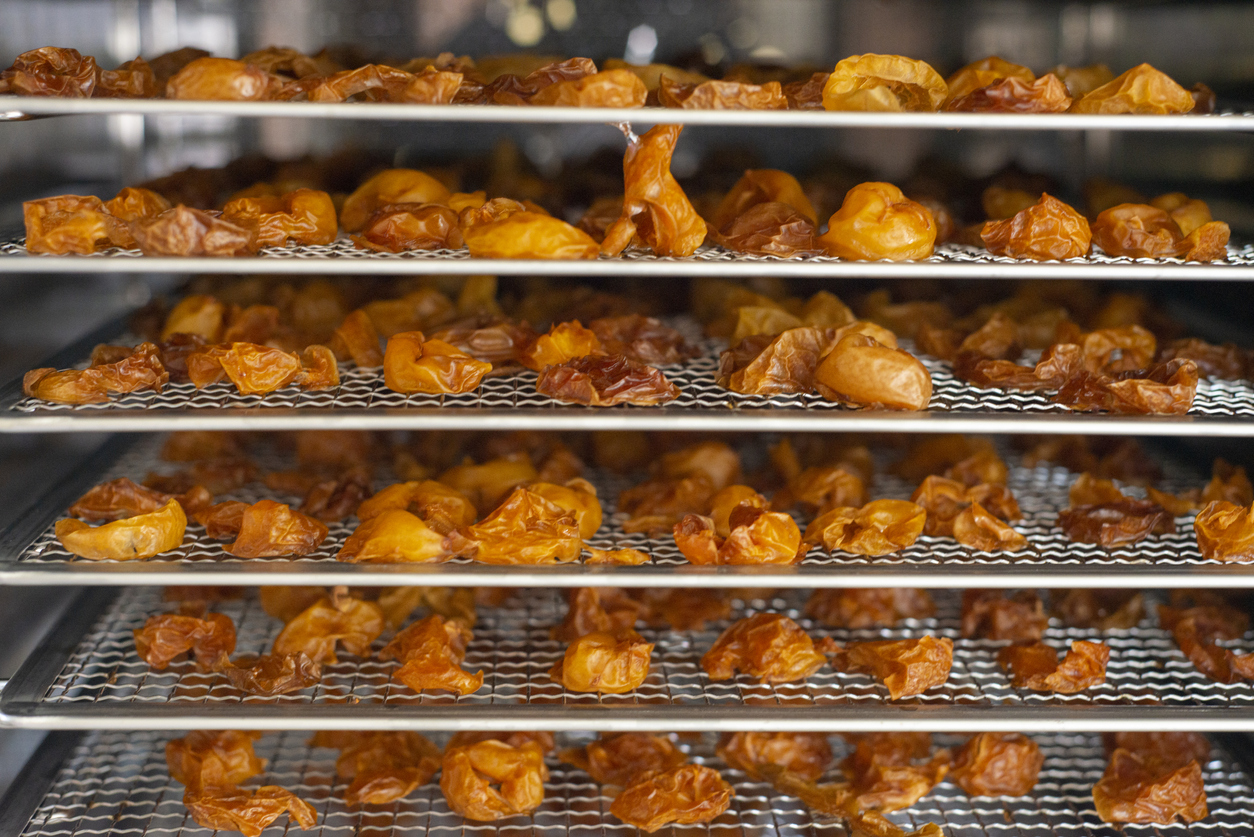
A plum becomes a prune by dehydrating plums. After picking, the plums are washed, placed on wooden trays, and dried (usually in a factory). Once they reach an optimal level of dehydration, they’re kept in cold storage until it’s time to pack them. Then they’re rehydrated (which is why prunes are sticky instead of brittle), sterilized, and packed.
Plum Nutrition Facts
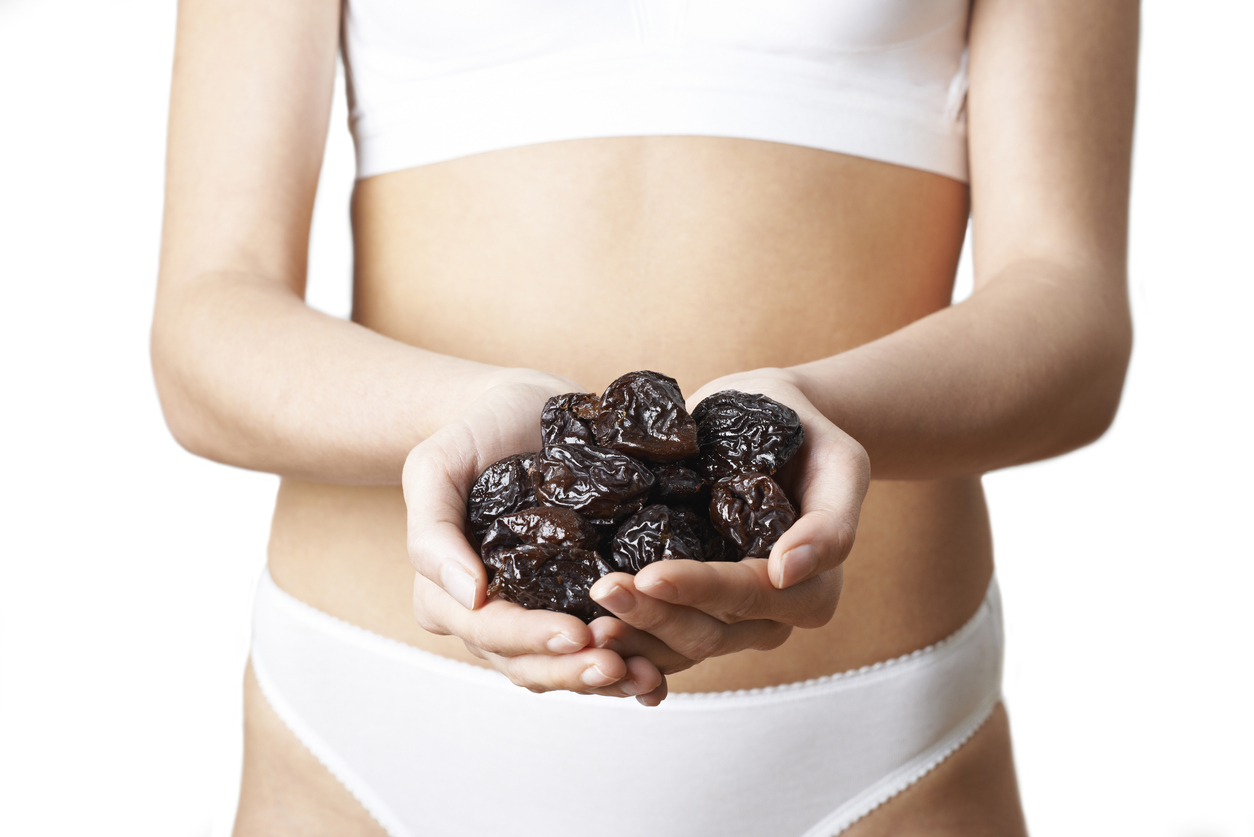
Plums and prunes pack a nutritional punch. They’re both good sources of potassium, as well as antioxidants like beta-carotene (a form of vitamin A), lutein, zeaxanthin, vitamin K, and vitamin C.
Because prunes contain less water per unit weight (one of the things that happens when you get dehydrated!), there are a few nutritional differences. Prunes are higher in fiber and contain more sugar than fresh plums. And prunes have higher concentrations of minerals like iron, calcium, and magnesium.
Health Benefits of Plums and Prunes
Compared to many other plant foods, plums haven’t gotten a lot of research love. And most of the studies on plum consumption and human health have used prunes rather than fresh plums, presumably because they’re easier to get year-round and also because using a single brand of prune reduces experimental variability. Those are valid reasons, but they also mean we know less about the health effects of fresh plums than we might wish we did. However, it seems likely that prunes confer many of the same benefits as plums, with some added water.
Plums and Prunes for Constipation and Gut Health
No surprise here — after all, prunes are pretty much the poster children for bowel regularity. A 2019 British study gave prunes and water to 120 healthy adults who weren’t getting much fiber, as evidenced by their pooping frequency of less than one bowel movement per day (and some as infrequently as three times per week). After four weeks, the prune eaters were pooping significantly more, both in weight and frequency. There were no negative side effects, except (and whether this is a negative depends on your point of view) more flatulence after eating prunes.
Other trials confirm prunes’ ability to get things moving. In several head-to-head matchups, prunes outperformed psyllium powder, a popular bulking-agent laxative, in increasing stool frequency and improving stool consistency.
So what does this mean for you, if you want to deploy prunes for digestive regularity? If you’re mildly constipated, half a cup of prune juice can help you poop. If your constipation is more severe, you may want to drink a full eight-ounce cup daily. Alternatively, you can eat 100 grams of prunes (about 6–8 pieces). Regular consumption at a regular time can help keep you (wait for it…) regular.
Plums and Prunes Benefit Bone Health
Prunes have been shown to reduce inflammation and prevent and even reverse bone loss. One 2022 study found that three months of eating 50 or 100 grams of prunes per day helped older men with osteoporosis improve biomarkers of bone metabolism, which the researchers took to mean that the prunes “may positively affect bone turnover.” Another study published in the same year found a modest positive effect after the men ate 100 grams of prunes per day for an entire year.
A 2017 study documented similar effects in postmenopausal women. Consuming 100 grams of prunes per day for a year gave the women a higher bone mineral density than the control group.
Plums and Prunes and Heart Health
Prunes have also been studied for their ability to lower high cholesterol. A 2017 placebo-controlled study out of Taiwan found that consumption of prune juice lowered total and LDL (harmful) cholesterol in people with slightly elevated cholesterol levels. The researchers theorized a link between improved blood lipids and changes in the gut microbiomes of the participants. (In case you’re curious about how to make placebo prune juice that fools people into thinking they’re drinking actual prune juice, I’m sorry to say that I haven’t been able to dig up the details. But I join you in your curiosity!)
In 2021, researchers from California found that 50–100 grams of prunes per day improved several biomarkers related to heart health, including lower total cholesterol, oxidative stress, and inflammatory markers. Interestingly, some of the biggest improvements came in the group consuming 50 grams per day, suggesting that the “prune effect” may not increase with the dose.
Juice from the Queen Garnet variety of Japanese plum was also found to reduce blood pressure in people of many different ages.
Anticancer Effects of Prunes and Plums
Plums may also help fight certain cancers. While the vast majority of studies on this topic have been in vitro (in test tubes rather than actual people), there’s reason for hope. Plum extract has been shown to reduce the ability of cancer cells to survive, grow, and proliferate in colon, breast, and liver cancers.
A study using rats found that the rats who got 5% of their calories from prunes had fewer precancerous lesions, which the researchers attributed to positive changes in the rodents’ gut microbiomes. (Our view on the use of animals in medical research is here.)
Risks/Downsides to Eating Plums and Prunes
While plums and prunes are generally downright plummy, there are some potential risks and downsides to their consumption, both for you and the environment.
Side Effects of Eating Prunes
In terms of health, the most common concern is gastrointestinal. We’ve seen that prunes can have a significant laxative effect. If you consume too much too soon, you may end up with excess gas and even diarrhea. So start slow, and stick to the serving sizes recommended above.
Prunes also contain a sugar alcohol called sorbitol, which can cause GI symptoms in certain people. Consuming 20 grams or more of sorbitol per day can cause diarrhea, and there are about 15 grams of sorbitol in a serving of prunes and 6 grams in a serving of prune juice.
Acrylamide in Prunes
Another issue is the fact that prunes contain a compound called acrylamide, which can form when an amino acid called asparagine comes in contact with certain sugars during the heating or cooking process. Acrylamide consumption has been linked to cancer development.
Acrylamide forms in prunes and prune juice when the fruit is heated, or cooked for processing into juice. If you’re concerned about exposure, it’s best to eat fresh plums or whole prunes instead of prune juice. But prunes and prune juice have significantly less acrylamide content than commonly eaten foods like french fries or cooked meat. For example, prune juice may contain 160–200 parts per billion (ppb) of acrylamide compared to 940+ ppb of acrylamide in restaurant french fries.
Ultimately, you’ll reduce your exposure to acrylamides the most by avoiding fried foods and burnt foods, and limiting your intake of saturated fats and added sugars.
Plum Allergy
Plums and prunes can trigger allergies in some people, although this is relatively rare. A particular protein found in plums, lipid transfer protein (LPT), can trigger allergic reactions because of its structural similarity to proteins in other plant foods, such as cherries, peaches, apples, and even corn. Sensitivity to LPTs is rising around the world, although it’s unclear why.
Also, people with latex allergies are sometimes allergic to plums as well.
Plum Pesticide Issues
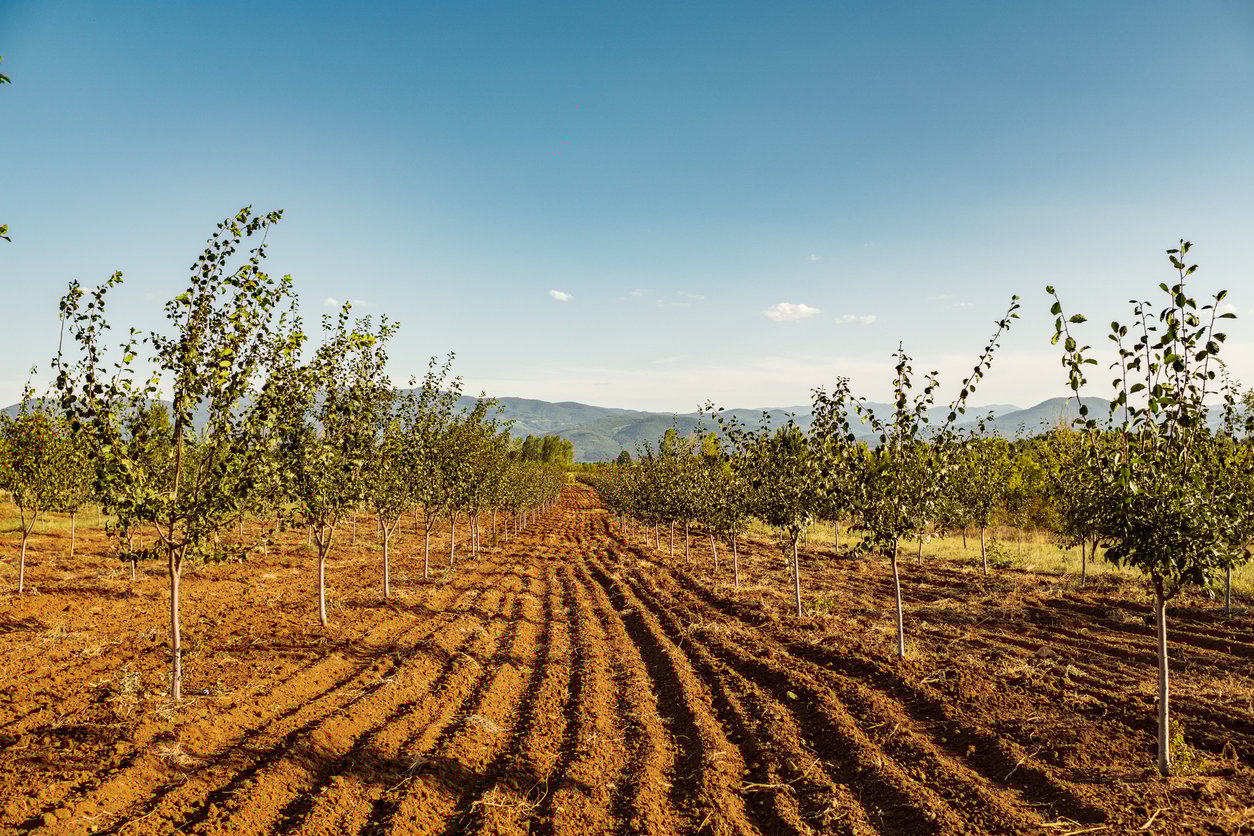
According to the Environmental Working Group, plums fall in the middle in terms of pesticide contamination — neither in the Clean 15 nor the Dirty Dozen. Conventionally grown plums may contain up to 44 different pesticides, including some that are known carcinogens and endocrine disruptors. For this reason, you may want to purchase organically grown plums whenever possible.
Prunes contain far fewer different pesticides (only 12, according to the USDA Pesticide Data Program). In fact, conventional prunes had less pesticide residue than even organic raisins, according to the USDA. Part of the reason for this success is the prune industry’s adoption of Integrated Pest Management (IPM) methods to minimize pest damage.
How to Choose and Store Plums
Plums are awesome when ripe, and not so great before or after. The best plums are fully colored, somewhat firm, have no damage to the inside, and are very sweet, flavorful, and juicy. To find ripe plums, look for ones that are soft and give somewhat when pressed. If they’re very soft and squishy, then the plums are probably overripe.
Your nose can also help. A ripe plum should smell sweet and fruity, while an unripe plum will have little to no smell.
If your plums aren’t completely ripe when you buy them, store them on the counter at room temperature until they ripen. Then you can refrigerate them for up to four days or so.
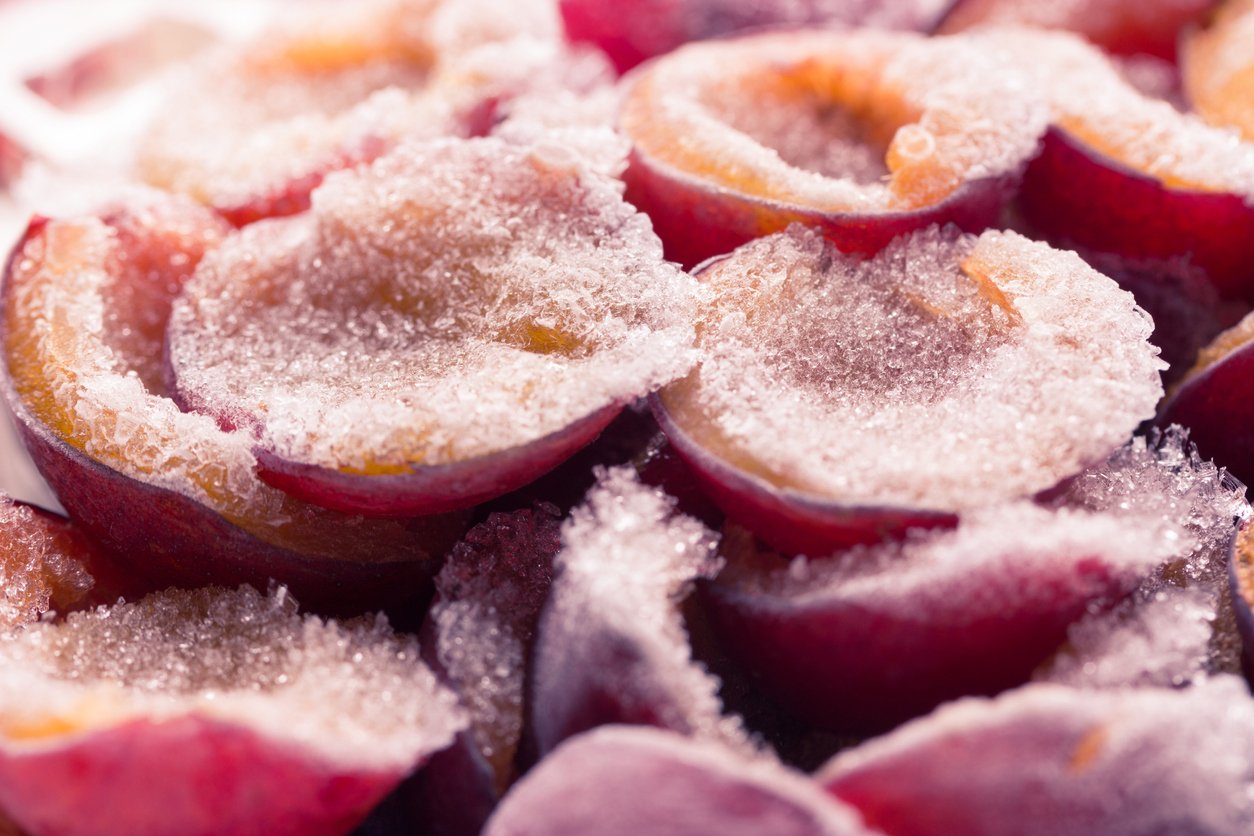
Ripe plums also freeze well for later use in cooking and baking. You can freeze plums sliced or whole, as long as you remove the pit first. And you can peel the skin or leave it on. Because they’re a moist fruit, plums will freeze together in a big unwieldy lump if you just toss the fresh plums directly into a freezer bag. Instead, freeze them on a tray lined with wax or parchment paper, leaving space between individual fruits, and then bag them once frozen. Plums willl keep for a good six months in the freezer.
You can also can plums (typing that makes me wonder — if ads can feature dancing raisins, can plums do the cancan?).
If you’ve ever found yourself in the Japanese condiments section of a grocery store, you may be familiar with umeboshi plums or plum paste. It’s a very intensely flavored ingredient, with salty, sour, and sweet notes. You can make your own umeboshi if you can find a supply of ume plums and red shiso leaves.
The lowest-tech way of preserving plums is to dehydrate them. You can use a dehydrator, the sun, or an oven. Get some ripe freestone plums with intact skins, and follow the instructions for how to dehydrate plums here.
How to Use Plums and Prunes
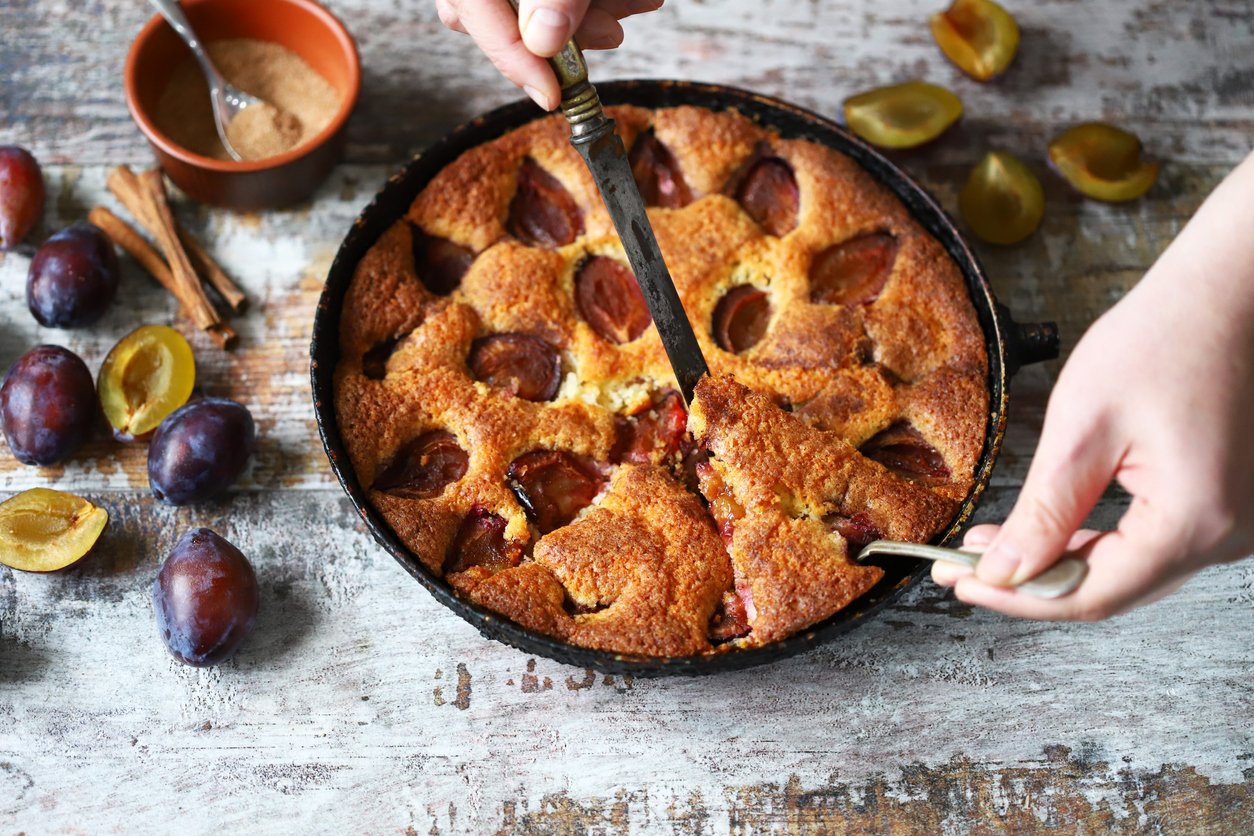
Fresh plums have lots of yummy (and plummy) uses, including the following:
- Warm desserts like crisps, crumbles, and cobblers
- Nice cream and popsicles
- Smoothies and smoothie bowls
- Jams and chutneys
- Dressings and sauces
- Chopped into salsas, to add sweetness
You can eat prunes as is, from the box or bag, or you can get fancy and try some of the California Prune Board’s pairing recommendations: squash, ginger, or walnuts.
Prunes also serve well:
- In trail mix and granola
- As a topping for oatmeal or porridge
- As a salad topping
- In banana bread or muffins
- As a small snack (perhaps around dinner time if you’d like to stimulate a bowel movement the next morning)
Plum and Prune Recipes
Now that we’ve gotten clear about the differences (and similarities!) between plums and prunes, are you feeling inspired to try a few delicious ways to enjoy them?
Buckwheat Banana Prune Muffins are our ode to the classic, if underappreciated, bran muffin (also known to help alleviate constipation), but this delicious recipe has even more beneficial fiber and wholesome nutrients to help keep you regular.
If you still can’t see plums as anything other than their dried counterpart, the Plum Cobbler is sure to be a hit for the whole family. They may not even realize it’s made from plums once they take a bite of this ooey-gooey deliciousness.
For the true culinary enthusiast, the Slower Cooker Plum Sauce is an absolute treat, and, in our opinion, a must on savory dishes that need a hint of sweetness!
We look forward to learning about your experiences with plums and prunes. Be sure to comment and let us know what you think!
1. Buckwheat Banana Prune Muffins
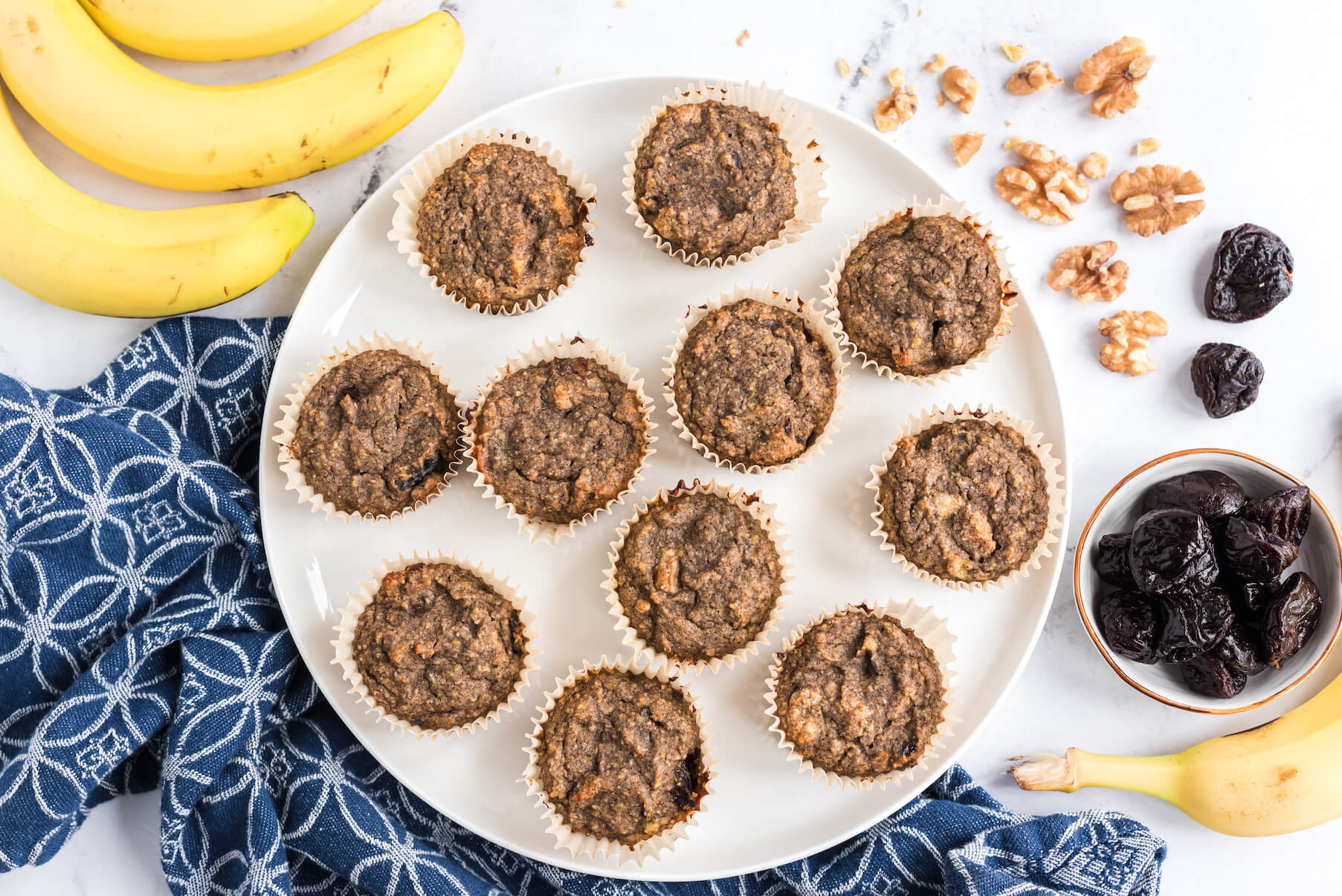
Buckwheat Banana Prune Muffins are our version of a muffin that keeps you going in more ways than one. These breakfast beauties are packed with beneficial fiber, potassium, and beta-carotene to keep you energized and feeling full! Thanks to the prunes, they can help keep your gut happy, too!
2. Plum Cobbler
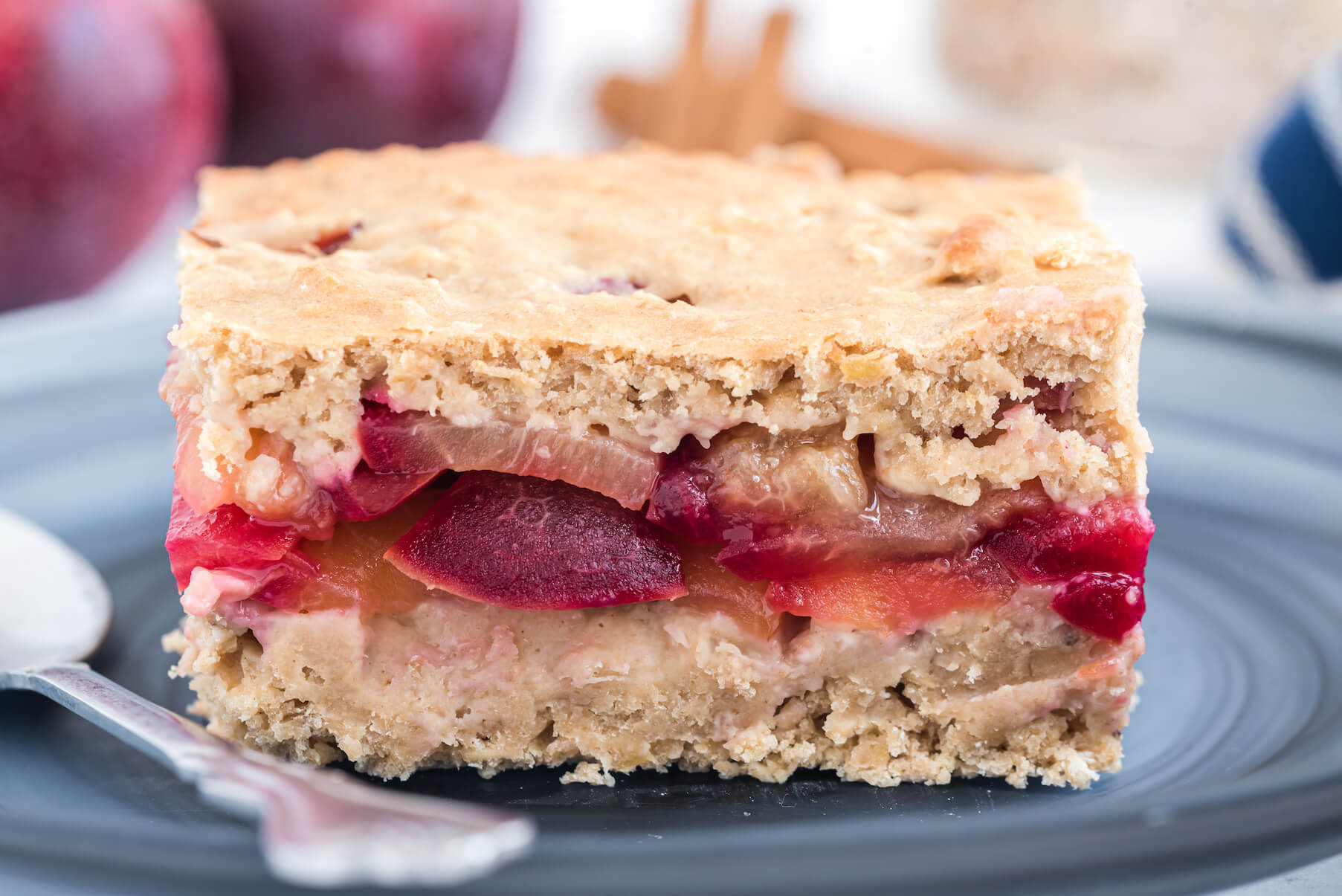
If you’re on the fence about opting for plums as a fruit base for a warm dessert, we think this recipe might make you hop right off into a plum tree orchard! When combined with maple syrup (or date paste) and baked in the oven, the plums transform into a nectarous, ooey-gooey delight. Topped with oat crumble, this yummy treat will have you falling in love with plums just like that!
3. Slow Cooker Plum Sauce
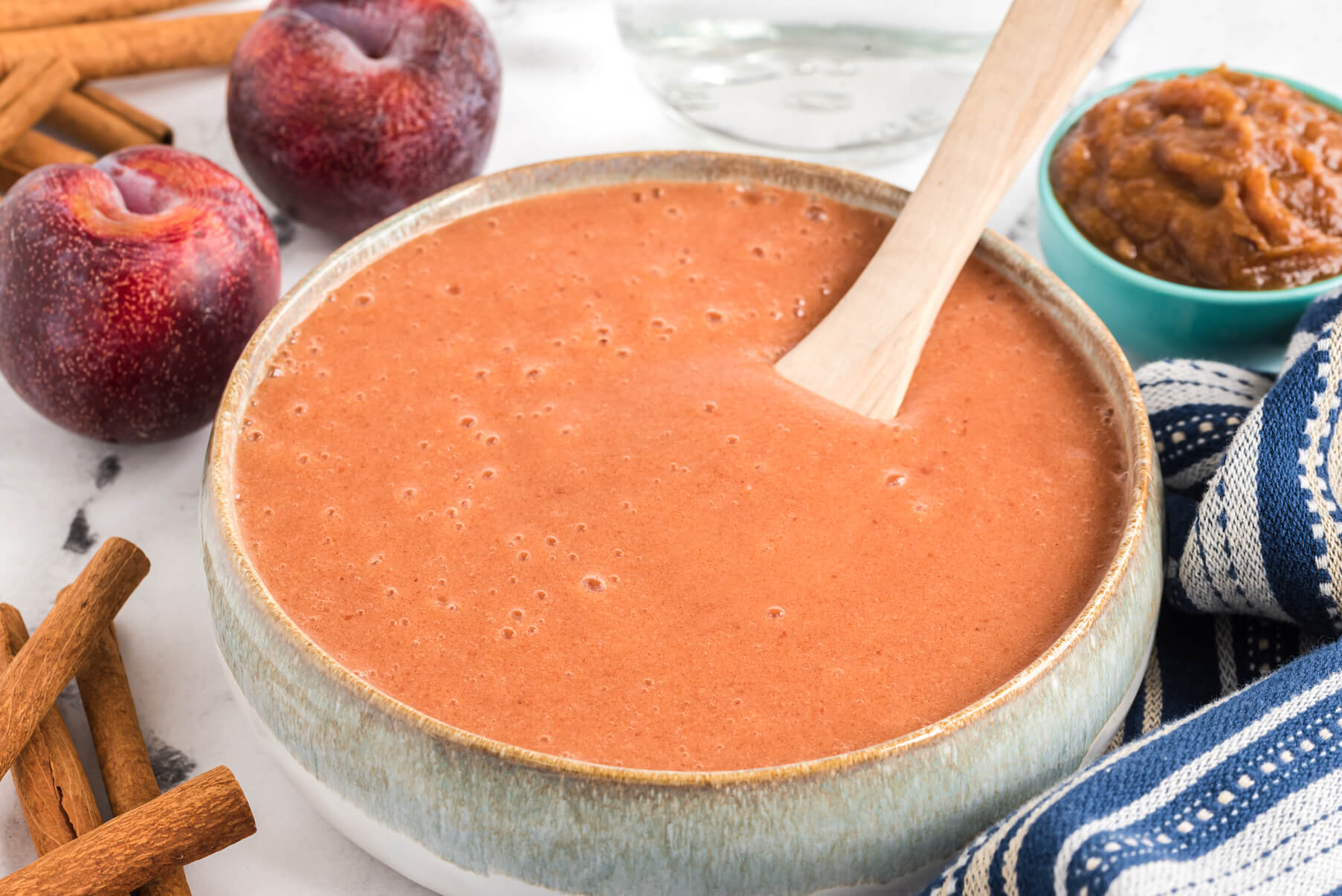
This may be a new favorite addition to your condiment collection. Think of this delectable delight as the more wholesome (and delicious) version of your favorite sweet and tangy sauce. Plums offer a unique flavor that pairs well with many savory dishes. Use it as a finishing sauce for tofu, tempeh, or sautéed mushrooms, or add it as a base for any veggie stir-fry creation. Since plums are excellent for your digestive system, we think your gut will be excited about this addition, too!
Enjoy Plums and Prunes!
Plums and prunes are nutritious fruits that provide valuable nutrients, including antioxidants. As long as you’re not allergic, they can both be part of a healthy diet (and your at least five-a-day recommended fruit and vegetable intake). Especially if you suffer from constipation, slowly adding up to 100 grams of prunes or 1 cup of prune juice per day may improve your health (as well as your outlook on life!). Because they’re such a gastrointestinal powerhouse, don’t overdo your consumption of plums or prunes — enjoy these wonderful fruits in moderation. And choose organic and local whenever possible.
[the_ad_group id=”25840″]
About The Author
Stillness in the Storm Editor: Why did we post this?
The news is important to all people because it is where we come to know new things about the world, which leads to the development of more life goals that lead to life wisdom. The news also serves as a social connection tool, as we tend to relate to those who know about and believe the things we do. With the power of an open truth-seeking mind in hand, the individual can grow wise and the collective can prosper.
– Justin
Not sure how to make sense of this? Want to learn how to discern like a pro? Read this essential guide to discernment, analysis of claims, and understanding the truth in a world of deception: 4 Key Steps of Discernment – Advanced Truth-Seeking Tools.
Stillness in the Storm Editor’s note: Did you find a spelling error or grammatical mistake? Send an email to [email protected], with the error and suggested correction, along with the headline and url. Do you think this article needs an update? Or do you just have some feedback? Send us an email at [email protected]. Thank you for reading.
Source:
https://foodrevolution.org/blog/are-plums-and-prunes-good-for-you/
[the_ad id=”121669″]
Leave a Reply