
(Ocean Robbins) Malted Milk, a powder consisting of dried malted barley, wheat flour, and evaporated whole milk powder, was invented in the 1870s by James Horlick, a London chemist who immigrated to Racine, Wisconsin, in search of opportunity. He saw the product as a nutritional supplement for babies, but it soon became a popular beverage for children and adults as well. More flavorful than plain milk, it was also marketed as a tonic — drinking it purportedly would not only help you sleep at night but would confer strength and vitality as well.
Related 5 Healthy Berry Recipes & How to Use Berries
Source – The Food Revolution Network
by Ocean Robbins, May 23rd, 2022
Malt or soda shops sprang up across the US in the early 1900s as drug stores sought to capture the lunch patronage of nearby workers. Their signature drinks were malted milk, and, on hot days, the “malt” — a mixture of malted milk powder and ice cream.
But there was a problem. When it came into contact with the cold ice cream, the malt tended to clump, creating a yucky paste in the drink. Soda shop attendants had to stir long and vigorously to produce appetizing malts.
Enter a Polish immigrant, Stephen Poplawski, who in 1922 attached small rotating blades to a motor and placed them inside a glass container. He called his machine a mixer “having an agitating element mounted in a base and adapted to be drivingly connected with the agitator in the cup when the cup was placed in a recess in the top of the base.” Luckily, the marketers intervened and named the device a “blendor.”
The blender allowed the malted drinks to not only achieve a uniform consistency but also to froth in ways that customers found delightful. And so the milkshake was born.
Further innovations made the blender appropriate for home use (including safer blades and a tight-fitting lid), and brands such as Hamilton Beach and Waring sold the appliances to a mass market.
So far, we might conclude that the blender didn’t do much for public health, insofar as it encouraged people to consume far more milk and ice cream than they might have otherwise. But there are two notable bright spots in the blender’s contribution to public health.
First, it gave people something nice to drink that wasn’t alcoholic. While Prohibition, which ran from 1920 to 1933, made the consumption of recreational alcohol illegal, it was still possible to get rip-roaring drunk as long as one was willing to patronize a mob-run speakeasy. Soda shops, with their delicious milkshakes, were viewed by temperance activists as allies in the fight against alcoholism.
And most importantly, blenders made possible one of the most delicious, nutritious, and popular delivery systems for plant-based goodness — the smoothie.
All Hail the Smoothie
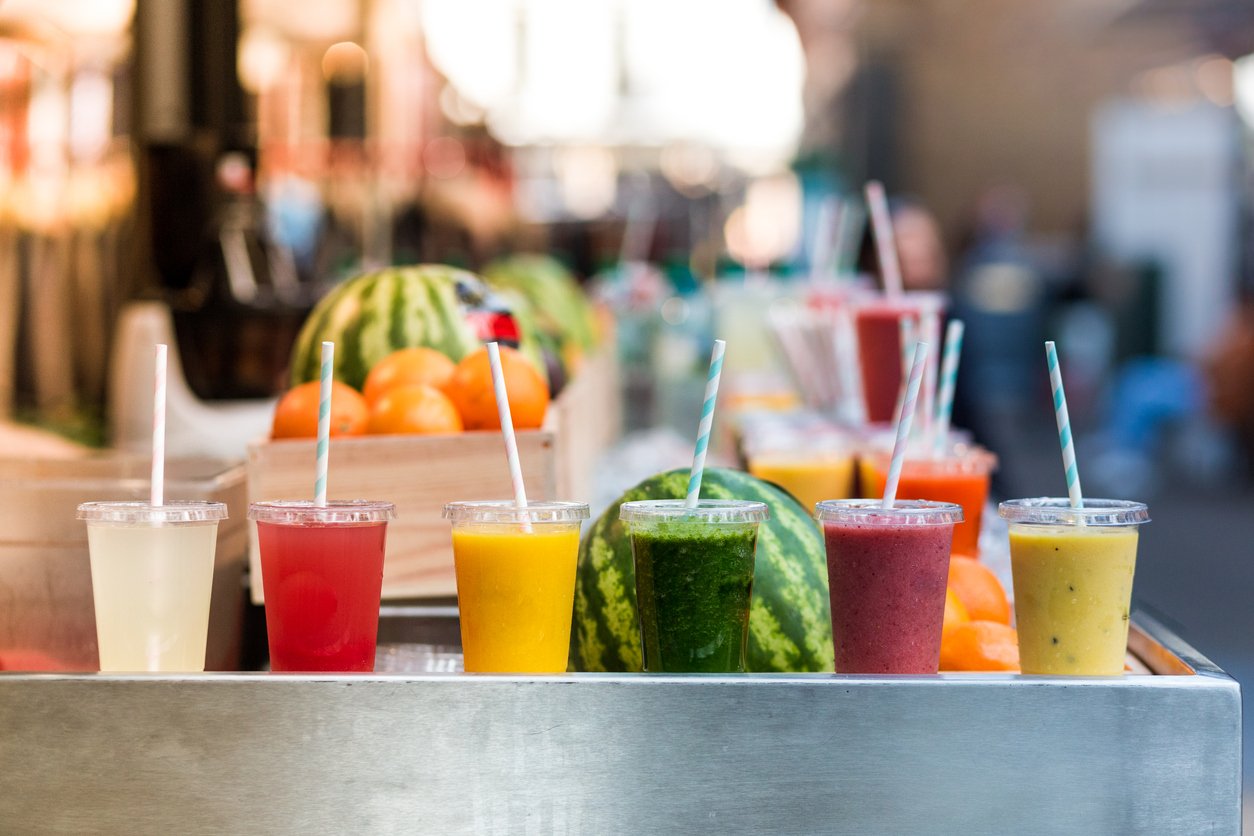
Smoothies have become a popular “anytime” drink. You can enjoy them as a healthy breakfast, as a snack, or as a post-workout replenisher. Smoothies can be colorful and visually attractive, thanks to the fruits and veggies you can include.
They’re quick and easy to make, thanks to increasingly powerful motors. (I can imagine Poplawski’s wide-eyed amazement at a demonstration of a modern appliance reducing a baseball to debris in under a minute.) And — if you stick to fruits and vegetables and skip the sporting goods — they can taste great.
In keeping with the original blender’s purpose, smoothies can be a pleasant way to consume nutritional supplements, from green powders to ground-up plant protein.
Smoothies are so popular they’ve spawned an industry of commercial smoothie shops, and increasing numbers of restaurants offer smoothies on their menus as well. But many commercially available smoothies are basically sugary drinks full of syrups and artificial additives with a bit of fruit. And some of the super healthy homemade smoothies — “Here, try this amazing blend of frozen kale, raw beets, and wheatgrass juice!” — don’t taste great.
Somewhere in between is the smoothie sweet spot — a blended delight that’s both delicious and healthy. In this article you’ll get tips for striking the balance. Whether you’re a smoothie newbie (smoobie?) or if you’ve been a “blender jockey” for years, you’ll get some tips to help you take your smoothie game to the next level. At the end, we’ll share seven colorful, nutrient-dense smoothie recipes to try out for yourself.
Are Smoothies Healthy?

The answer to this and other key questions of modern philosophy is: Well, it depends. They can be healthy and they can be unhealthy, based on the ingredients you use. The key to healthy smoothies is to stick as much as possible to plant-based foods, such as fruits, vegetables, nuts, and seeds.
In a world in which few people manage to hit the recommended quota of 5+ servings of fruits and vegetables per day (even when counting french fries and ketchup as veggies), a daily smoothie can help you achieve that level of consumption by 8:00 am.
And unlike juicing, which removes the all-important fiber from fruits and vegetables, blending them preserves the fiber, which can help you feel fuller longer by slowing down digestion. That slowing effect also gives your body more time to absorb the nutrients available in the smoothie.
Fruit and vegetable smoothies also preserve the awesome array of phytochemicals in the plants — the antioxidants and polyphenols that give different fruits and vegetables their vibrant colors and much of their healing powers. Even after blending and storage, smoothies may retain much of their antioxidant activity.
Smoothies made from commercial mixes are often not that healthy, and are processed foods typically high in sugar and low in fiber. For example, one smoothie mix marketed to restaurants as vegan, non-GMO, and “made with natural ingredients” is mostly water and sugar (a whopping 49 added grams per serving, actually), with additional “natural flavors.”
If you do want to take advantage of the convenience of a mix, look for ones that contain no added sugar or other additives, and that have at least one gram of fiber for every five grams of carbohydrate (Dr. Greger’s famous-but-should-be-more-famous 5:1 fiber rule). Still, you can exert the most quality control and avoid unwanted ingredients when you make your smoothies from scratch.
Another smoothie pitfall is the addition of dairy products such as cow’s milk. They’re often added to make the smoothies richer and creamier, but there are plenty of plant-based alternatives that don’t come with the health, environmental, and ethical problems that accompany dairy.
Dairy can also sneak into smoothies in the form of whey protein powders. As mentioned, smoothies are a popular recovery drink following workouts, and many weightlifters and bodybuilders choose to consume protein powders to aid muscle repair following a strenuous session of resistance training. These protein powders can include not just whey from cow’s milk but a host of other unhealthy ingredients. If you want to use a post-workout protein powder, find an organic vegan brand with a short ingredient list (I like the one made by our friends at Complement, linked here).
Many supermarkets now carry refrigerated bottled smoothies, which often come in vibrant and seemingly healthy shades of green or orange or blue. They typically contain lots of sugar and little fiber. And without fiber, protein, or fat, the sugar can wreak havoc on your blood glucose levels. In some cases, these bottled smoothies can contain as much sugar as a can of Coke or a Starbucks Grande Caramel Macchiato.
A study of smoothies available in English supermarkets published in the BMJ found that the typical 15-ounce bottled smoothie delivered 65 grams of sugar (more than double the American Heart Association’s recommended maximum for an entire day). Different brands vary — Bolthouse Farms Superfood Immunity Boost has 47 grams of sugar for 15.2 ounces (and only 1 gram of fiber), while Naked Blue Machine has 76 grams of sugar in 15.2 ounces (and 3 grams of fiber). Doing a bit more math, the Blue Machine contains over 300 empty calories in the form of sugar.
In short, if you want to avoid sugar spikes and additives, stick to whole foods vegetable-rich smoothies rather than those that have been processed with added fruit juices or other sweeteners.
There’s one more smoothie caveat to talk about here, even if you’re making your own smoothies exclusively from whole plant-based ingredients, and that’s quantity. Blending foods into smoothies may trigger you to consume more calories than you would if you just ate the whole foods that went into the smoothie.
That’s one of the reasons, along with enhanced nutrition, that you should always “chew” your smoothies, which really means to drink and savor them very slowly. Most people consume calories at roughly 10 times the speed in liquid form compared to the same food’s solid state (thanks to the time saved by the blender doing all the chewing for you). So those calories likely won’t have time to hit your body’s “I’m full so I’d better stop eating” receptors.
In other words, consuming these drinks may add hundreds of calories that your body doesn’t compensate for by eating less later. For example, a typical 32-ounce green smoothie might consist of 2 bananas, a cup of frozen pineapple, and 2 cups of frozen spinach. Because the smoothie is liquid, cold, and delicious, you might down it in just a few minutes and still be ready for breakfast soon after. If, however, you were to eat the component ingredients, it might take you half an hour or more — and you might get full before you were done.
So if you’re concerned about weight management, daily smoothies may not be your friend, unless you manage the portion size and drink them slowly. If you’re trying to gain weight and/or build muscle (by, for example, consuming a protein-rich smoothie after working out), they may be just the ticket. (But still, drink them slowly in order to absorb the maximum amount of nutrients.)
How to Make a Smoothie That’s Healthy & Delicious
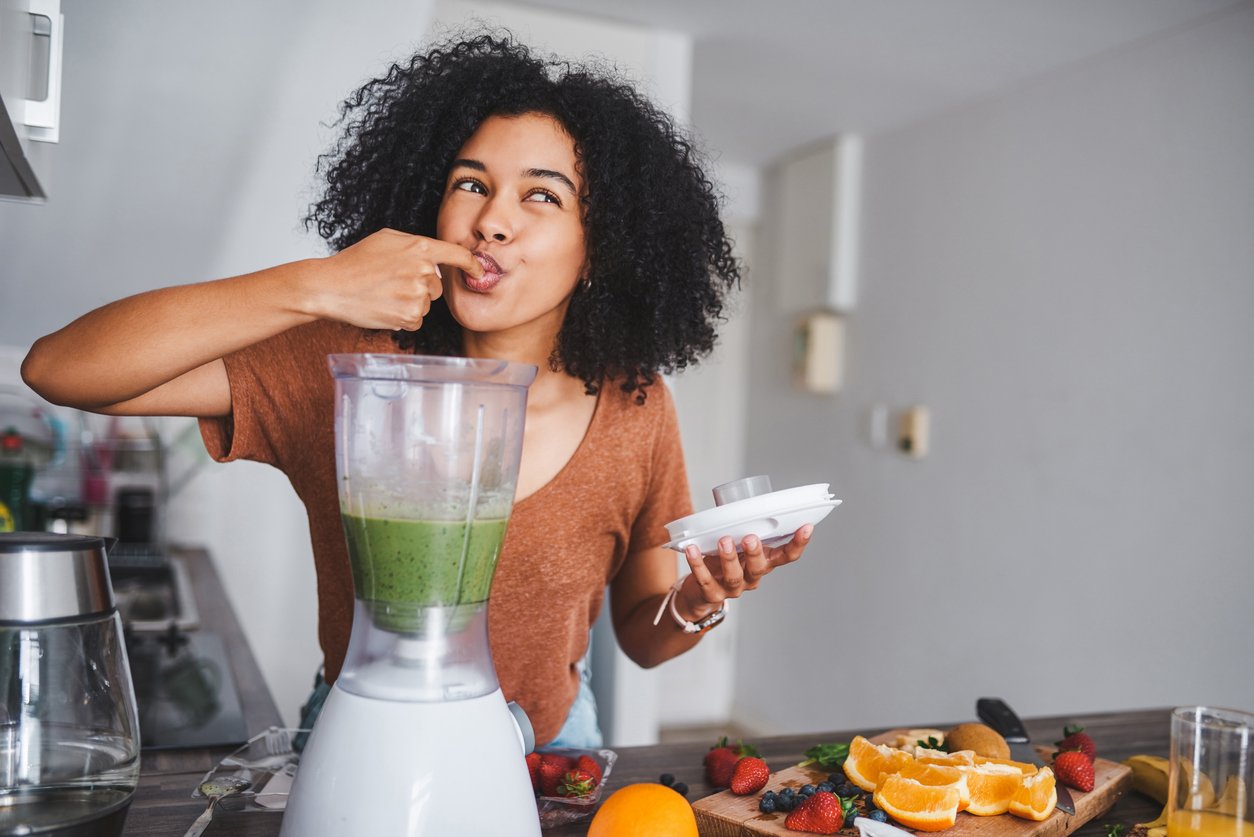
The first thing you need to become a smoothie superstar is a good blender. The most palatable smoothies tend to be those with the smoothest texture (hence the name), so you want a high-speed blender that can crush ice or frozen foods, as well as finely chop and juice all manner of fruits and vegetables.
Depending on your budget, you can go full premium with a Vitamix, which may end up being the least expensive in the long run thanks to its solid construction and up to 10-year warranty.
A less expensive but still reputable brand, Ninja, makes a variety of blenders and blender systems (blurring the line somewhat between blender and food processor).
And at the low price point end, Oster blenders can handle most of what you might throw at them and have the added benefit of a glass container that won’t add any plastic to your drinks.
Ingredients For Plant-Based Smoothie Recipes
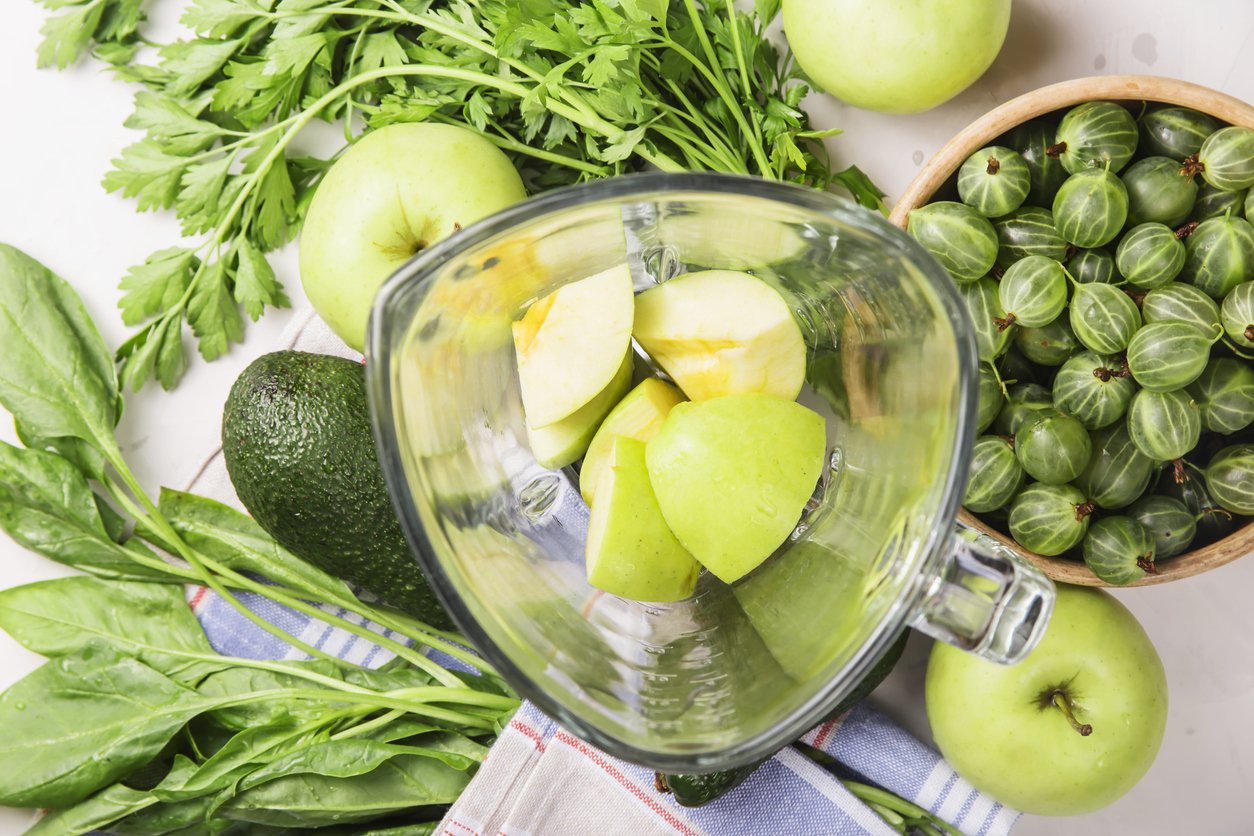
Fruits add natural sweetness, bright flavor, and color to your smoothies. They get a bit of a bad rap on account of their natural sugar content, but it’s largely undeserved. Fruit juice can be more problematic because it’s been stripped of its fiber. But whole fruits are high in fiber (which slows metabolism) and many other valuable nutrients. Different colors indicate the presence of different families of phytonutrients, so variety is your friend here — smoothies are a great way to “eat the rainbow.”
Examples of smoothie-ready fruits include berries, bananas, citrus fruits, mango, pineapple, cherries, papaya, and apples. If you’re more adventurous, you can add jackfruit or even, if you dare, the wildly controversial durian.
The most common vegetables to add to smoothies include leafy greens, as well as hydrating veggies that taste good raw. Greens and green vegetables such as spinach, kale, cucumbers, celery, lettuce, sprouts, and microgreens are good choices.
If you’re trying to sneak these superfoods into the diets of picky eaters, you have a couple of strategies at your disposal. You can use a base of light-colored fruit such as bananas and pineapples and blend a vibrant green smoothie. Or you can hide the veggies in a darker smoothie tinted and flavored by cherries, berries, or cacao.
Either way can help get dark leafy greens into preschoolers, as science finally discovered in July 2021 in a groundbreaking study. It randomized 3–5-year-olds into a fruit smoothie group versus a fruit smoothie + greens group, and recorded their reactions to and consumption of various smoothies. The researchers concluded that, as the title of the article in Appetite proclaimed, “Preschoolers will drink their GREENS!”
Another adorable testament to kids drinking their greens comes from one of our beloved WHOLE Life Club members, Hayley Gledhill, who discovered a creative way to entice her son to drink a WHOLE Life Club smoothie recipe:
“This was soooooo good! I told my 3-year-old it was dinosaur juice and that it makes you roar when you drink it! He enjoyed drinking his green (dinosaur) smoothie while roaring after each sip! I also added a quarter cup of frozen pureed cauliflower for an extra serve of veg!”
Other veggies that aren’t green but still go great in smoothies include cauliflower (as Hayley mentioned above), beets, and carrots.
To slow down the digestion of sweet smoothies, consider adding healthy sources of fat and protein. Rather than adding whey powder (or throwing chunks of meat into your smoothie), you can get protein from plants, which tend to be much healthier than animal-based sources.
Fat slows down the absorption of the sugars from the fresh fruit, so you can stay full longer. And naturally occurring plant-based fats can also help maximize the absorption of fat-soluble phytonutrients — for example, the vitamin K in leafy greens.
Some smoothie-friendly plant-based fat and protein sources include avocados, cacao, plant-based yogurt, nut and seed butters, seeds, and organic plant-based protein powder. Other super healthy options include chia and flax seeds (you may want to grind them first in a coffee grinder that you dedicate to this purpose, for easier and swifter blending).
You also need to add some liquid to get your smoothie to a consistency fit for drinking rather than laying brick. The more liquid, the less hard your blender’s motor has to work, and the less likely you are to resort to eating it with a spoon.
The universal smoothie solvent is water, but you can also kick up the creaminess with plant-based milk. You might even consider using coffee or tea — check out the Morning Mocha Smoothie recipe below. If caffeine isn’t your thing, a decaf mushroom coffee blend can also lend an interesting flavor and lots of micronutrients to your smoothie.
Finally, you can add flavor, color, and a powerful nutritional punch to your smoothies by including small amounts of fresh herbs and dried spices. Because they’re so concentrated, a little goes a long way. Parsley, mint, or cilantro are among the herbs you can use (though be aware that some people can’t stand cilantro) — just rip off some leaves and add them as you blend. And you can use spices to come up with lots of different flavor profiles. Examples include cinnamon, fresh ginger root, turmeric (plus a dash of black pepper to facilitate absorption), and nutmeg.
Ready for some easy smoothie recipes that will bathe your cells in phytonutrient goodness and please the palates of some of the pickiest eaters in your life? Here are seven of our favorites.
Plant-Based Smoothie Recipes
Whether you’re looking for a fiber- and protein-rich breakfast blend (Cinnamon Apple Breakfast Smoothie), a not-too-sweet and not-too-savory take (The Unsweet Smoothie), or a smoothie that will shine on your Instagram page (Autumn Sunrise!), we’ve got you covered. If you’d like the most delicious morning start-me-up, we highly recommend the Morning Mocha Smoothie. The Blueberry Ginger Smoothie might light up your life with its bright and vibrant color, and it can also help protect your heart with its plant-powered nutrients. If refreshing and lively is the name of your game, don’t hesitate to make the Lemon Lime Green Smoothie. Looking for a dessert-like smoothie? Cherry Cheesecake is the one for you!
1. Cinnamon Apple Breakfast Smoothie
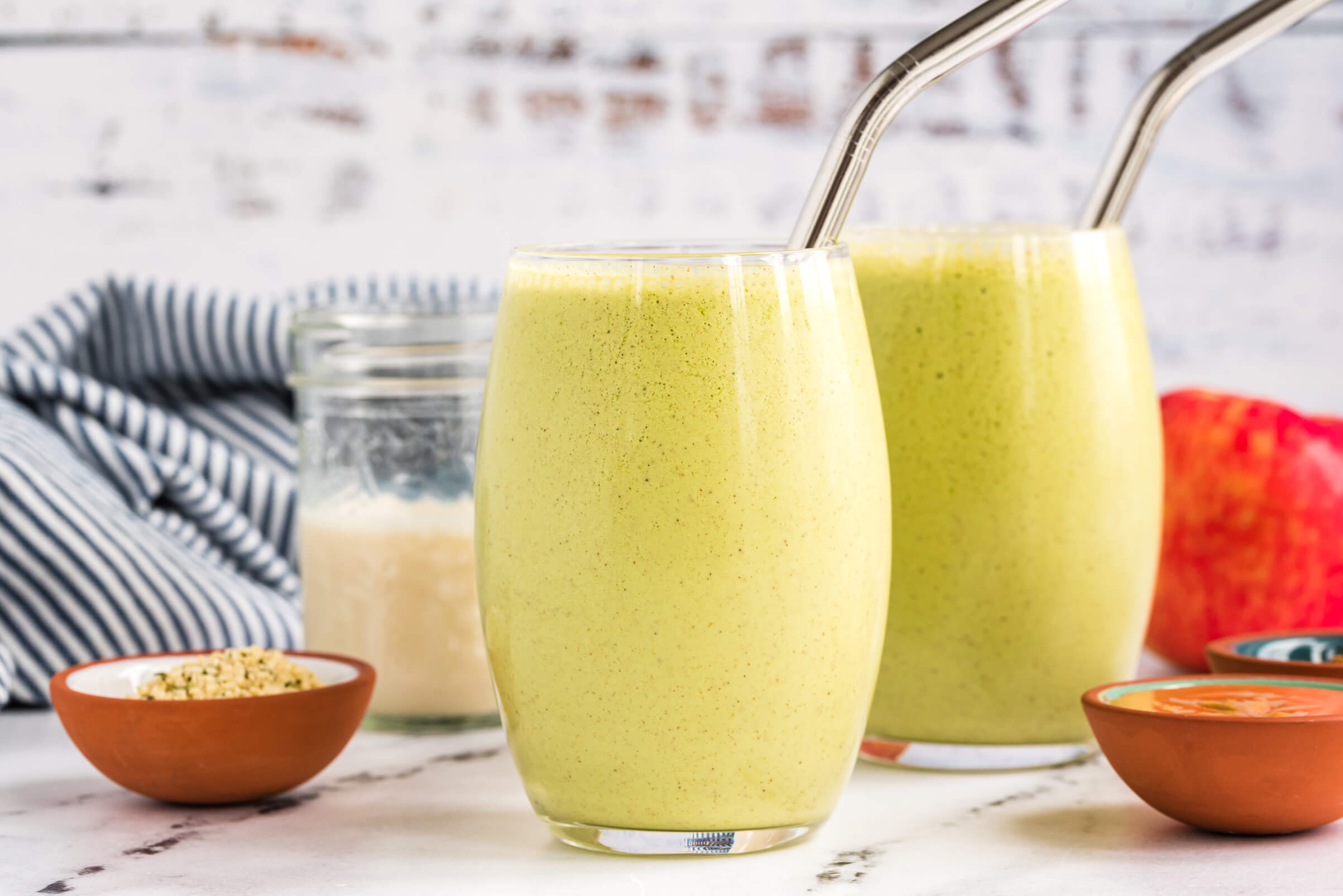
Apples and cinnamon go together like peanut butter and bananas. What better way to enjoy these classic and comforting flavors than in this delicious, fiber-filled smoothie? Apples are among the richest sources of fiber thanks to a plant starch called pectin. Found in the skin and flesh of the apple, pectin makes this fruit ideal for blending because it adds a rich texture to smoothies. Combine apples with a few dashes of cinnamon and a few sprinkles of hemp seeds for an energizing and delicious morning or afternoon treat.
2. Morning Mocha Smoothie
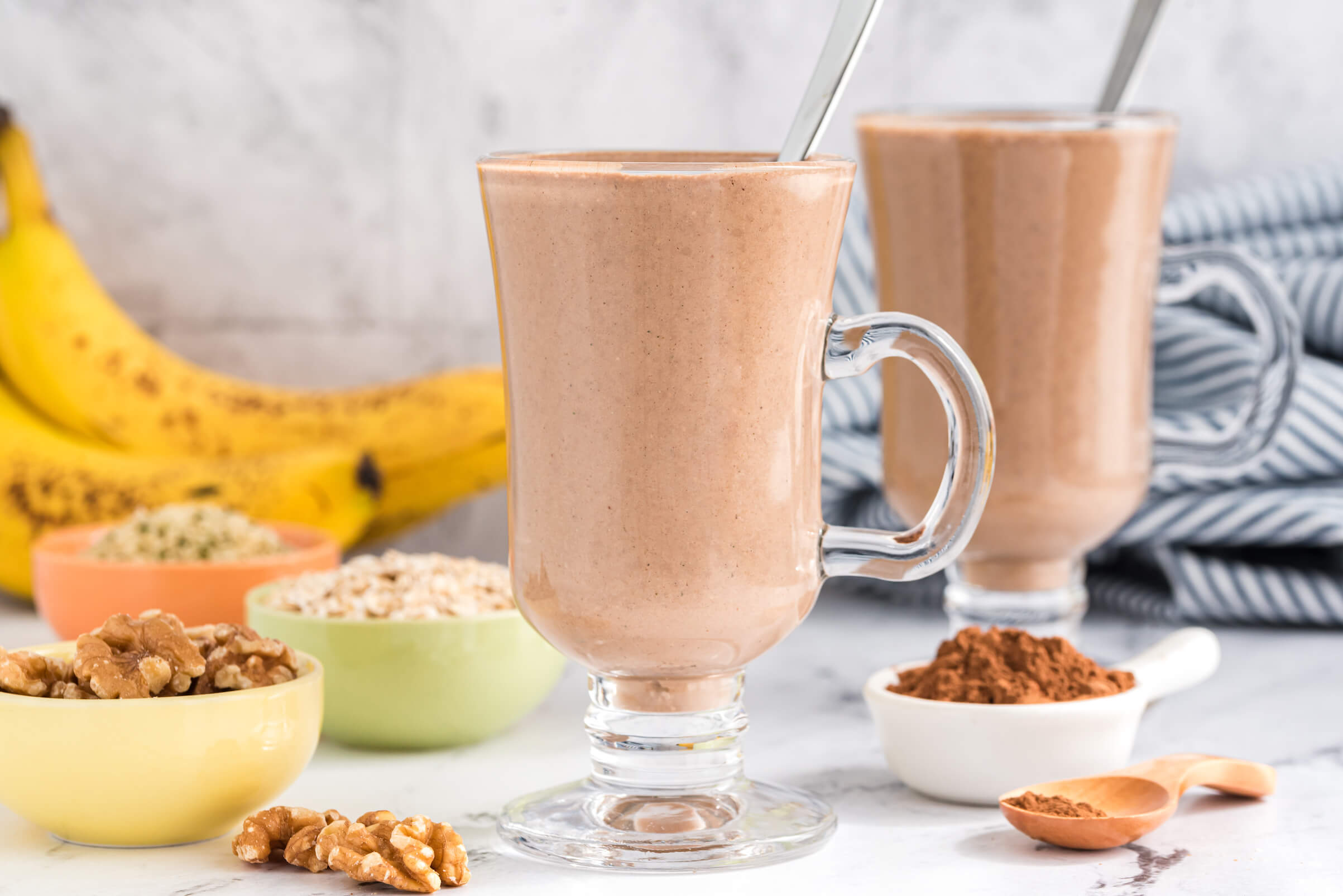
“Rise and shine” takes on a whole new meaning with this Morning Mocha Smoothie that serves up enough energy to keep you going and going. The combination of fiber, complex carbohydrates, protein, and healthy fats in the oats, dates, and walnuts digests slowly, providing sustainable energy that won’t leave you feeling hungry, lethargic, or like you’re headed for a sugar crash. For an added boost, espresso rounds out the flavor profile with robust and earthy notes to make this an ideal morning elixir.
3. Blueberry Ginger Smoothie
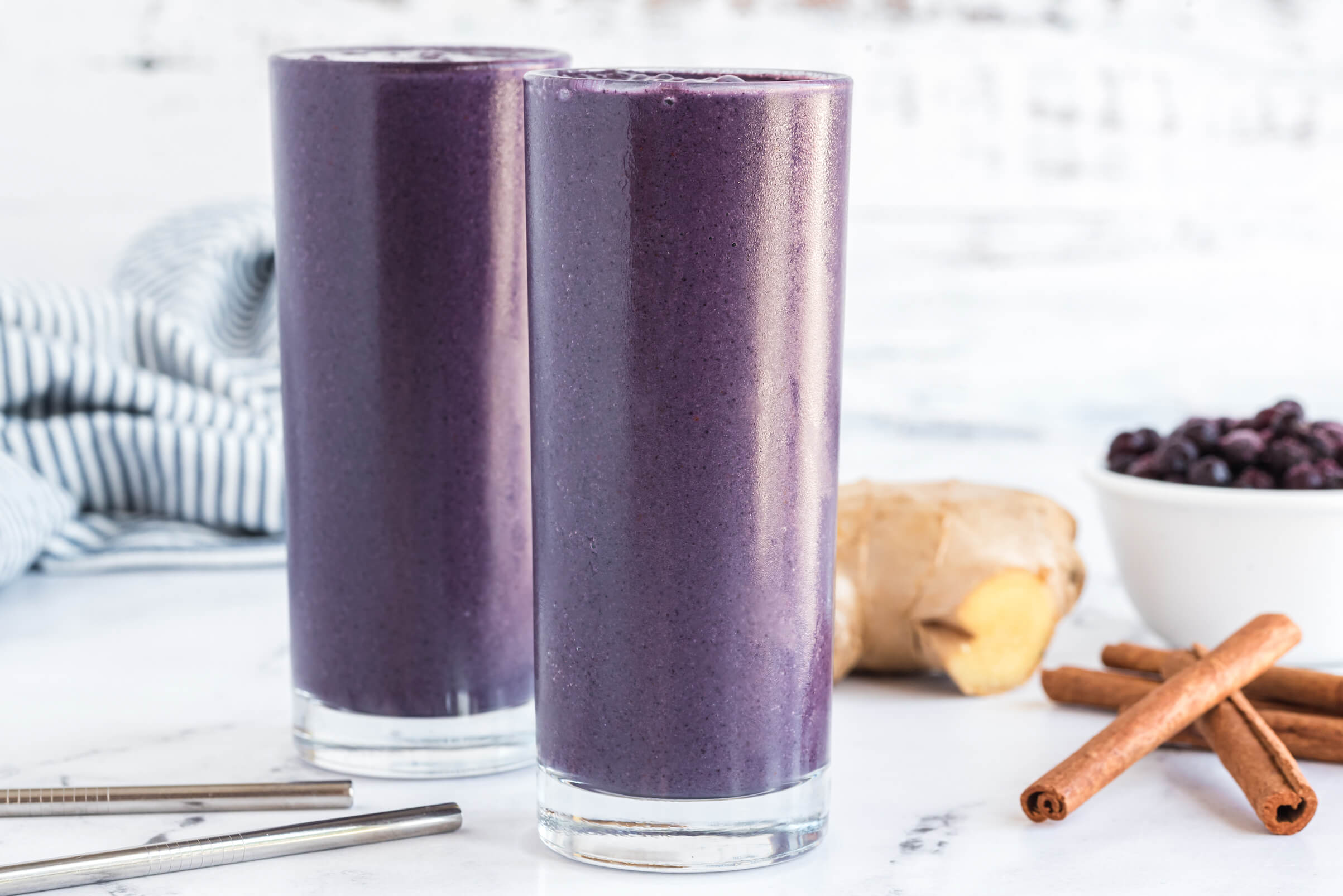
Blueberry is one of the most popular smoothie flavors around, and for good reason. Blueberries offer a bright, delicate, and agreeable flavor that is nourishing to your taste buds and your body. Juicy blueberries offer the right amount of sweetness, phytonutrients, and antioxidant support to give your body the fuel it needs to thrive. Whether you’re new to smoothies or a longtime devotee, this Blueberry Ginger Smoothie is bursting with flavor, brightness, and nutrition all blended up into one beautifully pigmented glass.
4. Autumn Sunrise Smoothie
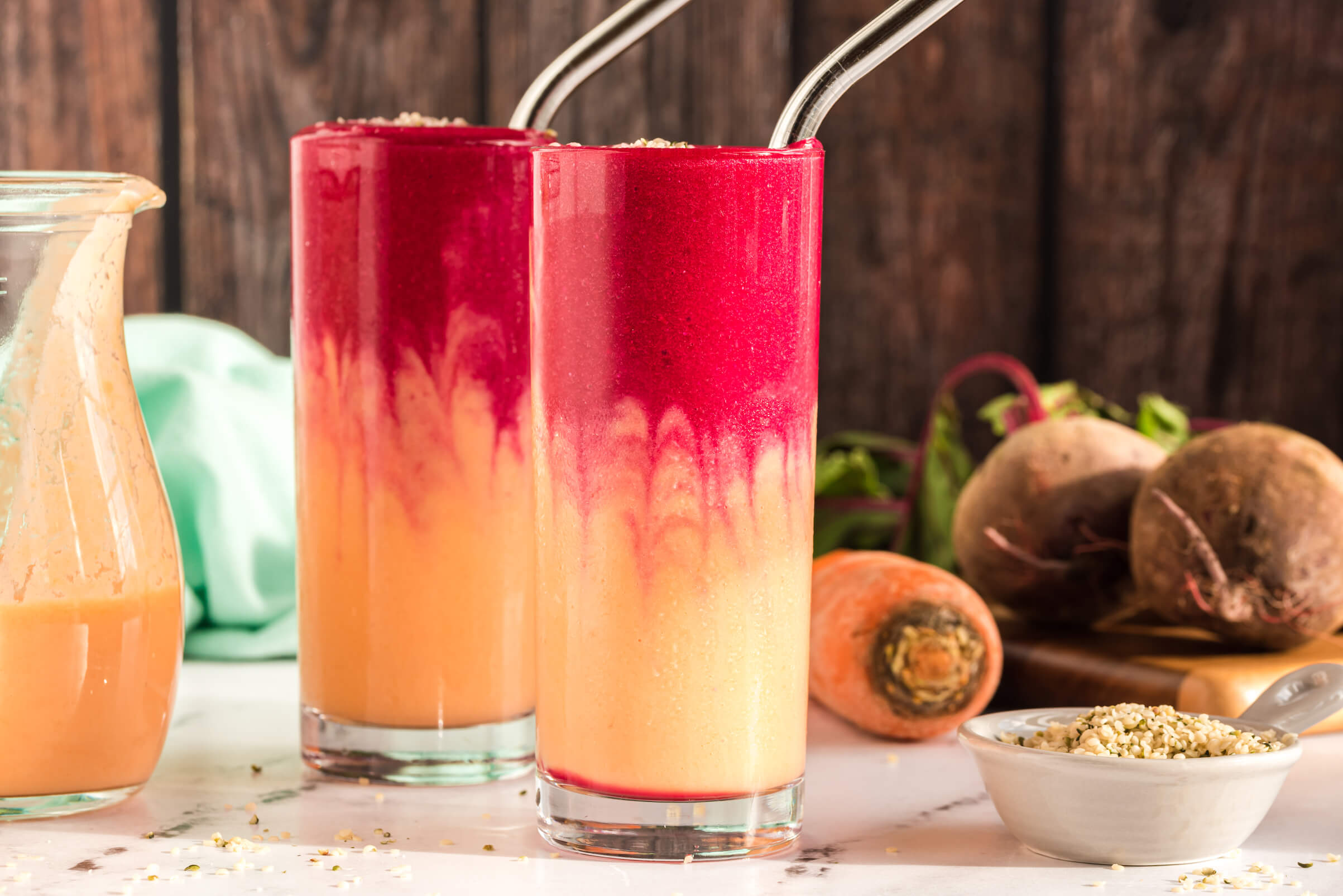
This smoothie might look too pretty to drink (almost), but your Instagram page can’t have all the fun! The stunning, purple-red vibrancy from the beets, pomegranate, and blood orange comes from phytonutrients that support immune health, cellular health, DNA repair, and cardiovascular health. The orange-yellow hue from pineapple, mango, and carrot has similar benefits. And, compounds from the orange/yellow foods (beta-carotene, lutein, and zeaxanthin) are known to improve reproductive health, protect your eyes and heart, and make your skin look and feel rejuvenated. When it comes to a smoothie that can bathe your cells in phytonutrient goodness, this one is a sip above the rest!
5. The Unsweet Smoothie
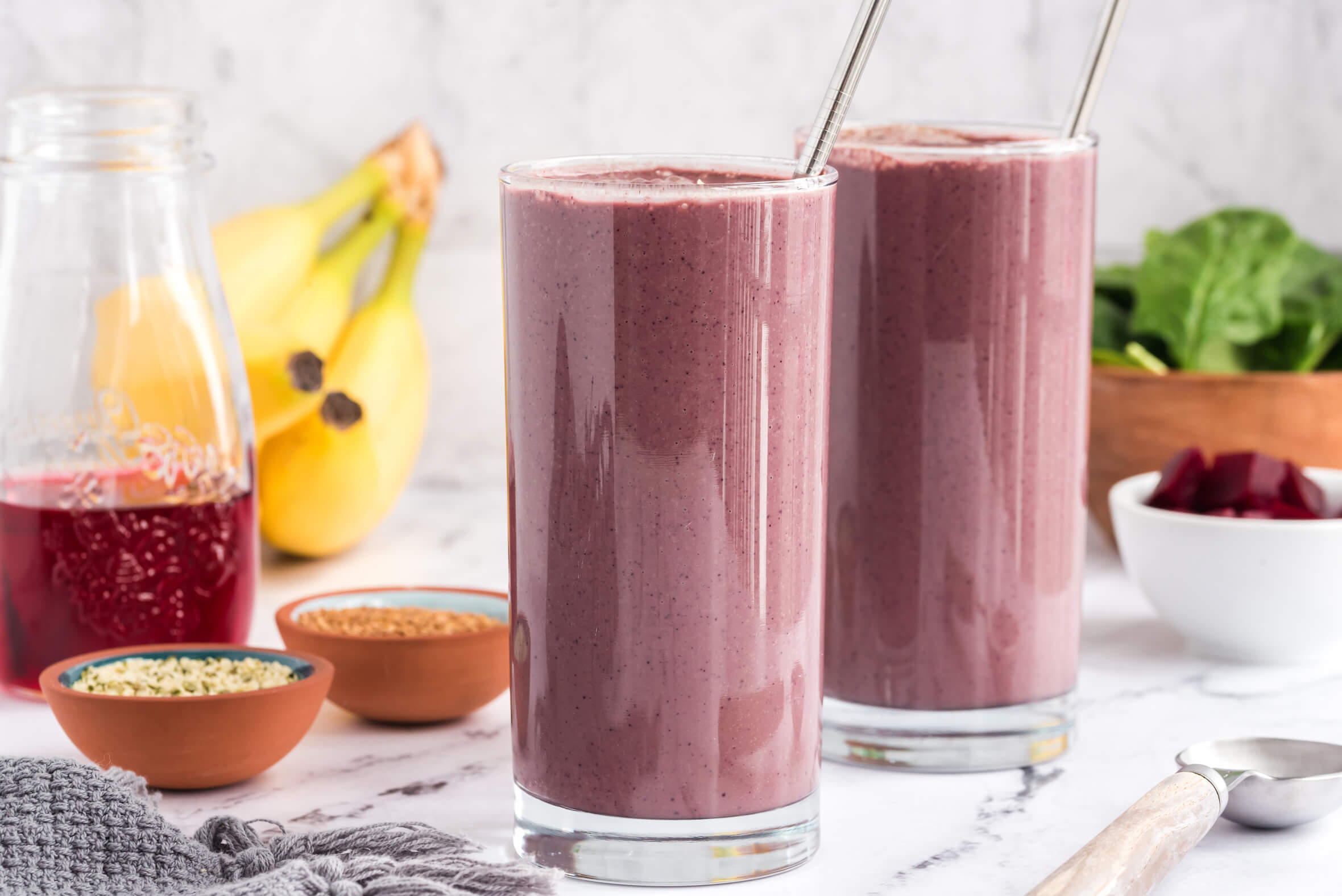
Not too sweet, not too savory, just the perfect balance. Wholesome fruits, vegetables, and heart-healthy seeds are blended in harmony to create a delightful smoothie experience. Banana, blueberries, and pickled beets (you read that right) are combined with cranberry juice, kale, and creamy plant-based yogurt to make a powerful anti-inflammatory smoothie for those days when you need a little extra plant power.
6. Lemon Lime Green Smoothie
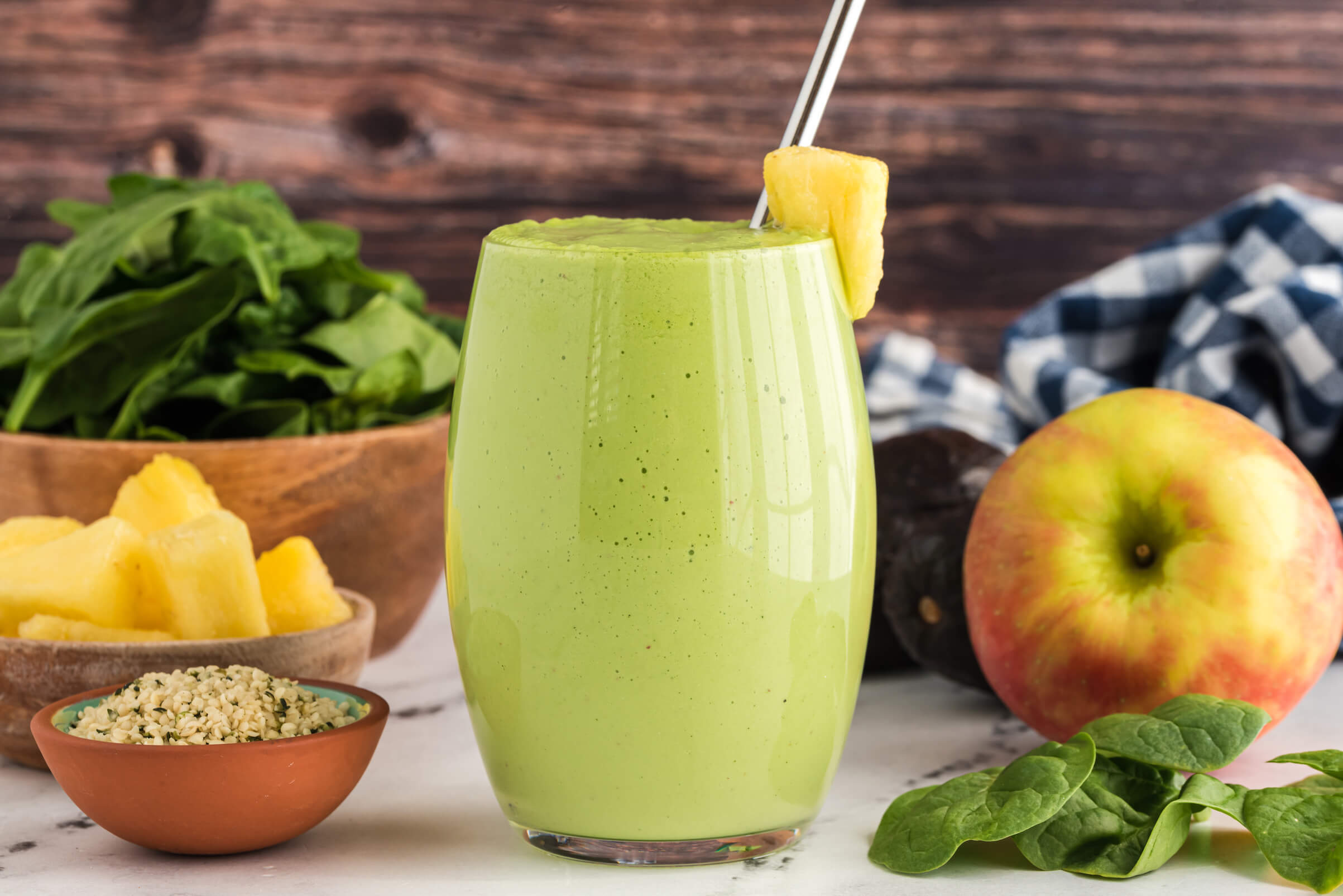
The stand-out stars of this smoothie are lemon and lime, which not only lend a bright and zesty flavor but also have powerful antiviral and antibacterial properties. The citrus fruits — along with pineapple, avocado, and spinach — provide a healthy dose of vitamin C, B vitamins, magnesium, potassium, vitamin A, and vitamin K for a well-balanced light meal or snack any time of the day. This smoothie features eight nutrient-dense fruits, vegetables, and probiotic-rich foods to keep your gut, mind, and soul happy, healthy, and nourished.
7. Cherry Cheesecake Smoothie
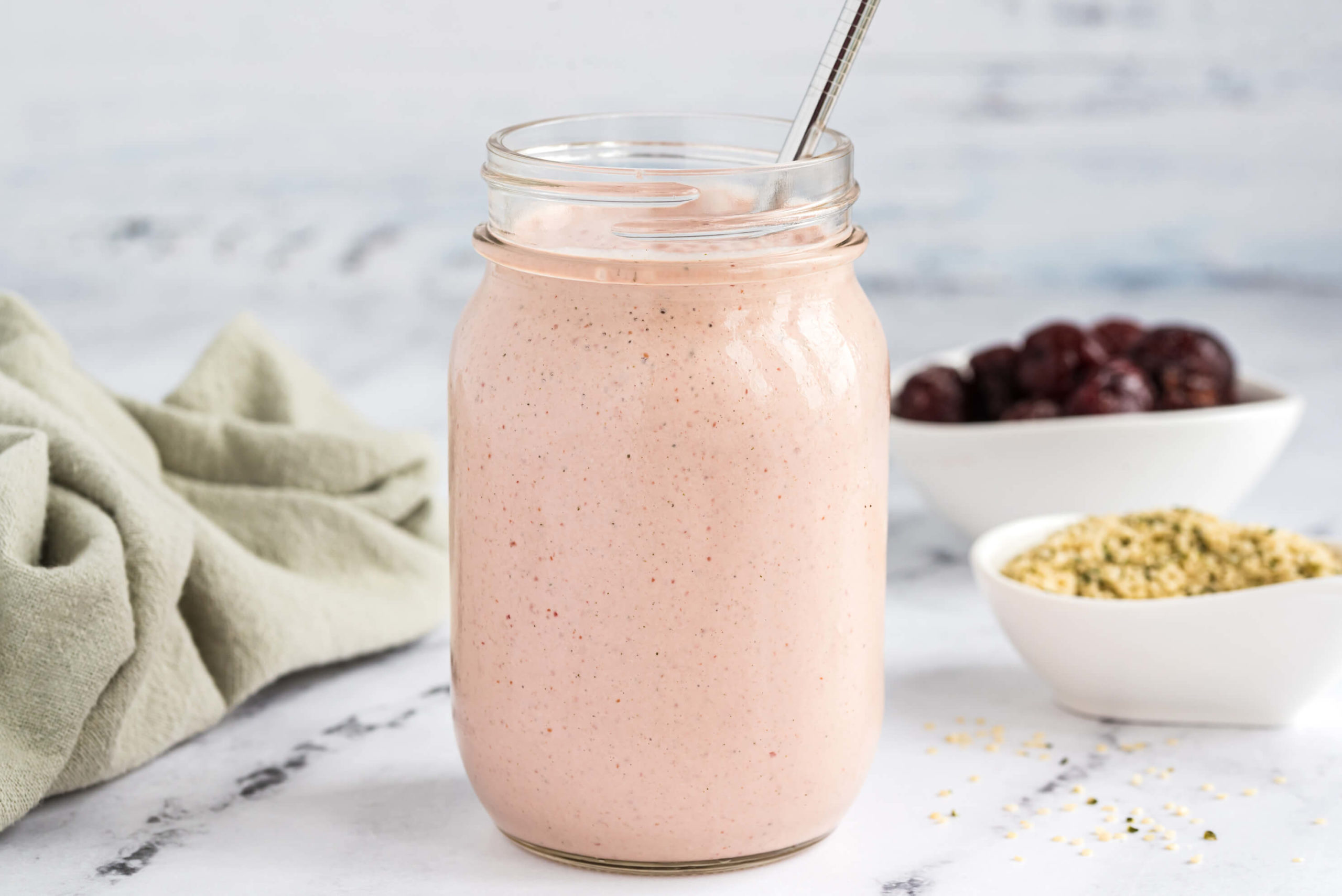
Can a smoothie that sounds like dessert be healthy? You bet it can! Cherry Cheesecake Smoothie is a one-stop smoothie shop for when you are craving something decadent but don’t want to sacrifice nutrition. This fruit-based blend melds cherries (which are high in fiber, vitamin C, and antioxidants to fight inflammation), creamy plant-based yogurt (a good source of gut-friendly probiotics), and a surprise guest — miso paste. Miso lends an umami, cheese-like flavor to this smoothie, which makes this recipe one of a kind. Fun fact — “umami” is a Japanese word that roughly translates to “essence of deliciousness.” If that doesn’t tell you how tasty this is, we’re not sure what will!
Boost Your Energy With Smoothies Everyday
Smoothies can be a colorful and delicious way to get a lot of nutrients all at once from some of the healthiest foods on the planet. And they’re a great way, in particular, to get more fruits and vegetables into kids and picky eaters. Smoothies can be healthy or unhealthy, depending on what you put in them. It’s usually best to make them yourself from whole food ingredients rather than buying smoothie mixes or bottled smoothie drinks, which may have lots of extra sugar and additional less-than-healthy ingredients. Enjoy them in moderation — it’s best to include them as part of a balanced diet with a variety of other whole food meals.
[the_ad_group id=”25840″]
Stillness in the Storm Editor: Why did we post this?
The news is important to all people because it is where we come to know new things about the world, which leads to the development of more life goals that lead to life wisdom. The news also serves as a social connection tool, as we tend to relate to those who know about and believe the things we do. With the power of an open truth-seeking mind in hand, the individual can grow wise and the collective can prosper.
– Justin
Not sure how to make sense of this? Want to learn how to discern like a pro? Read this essential guide to discernment, analysis of claims, and understanding the truth in a world of deception: 4 Key Steps of Discernment – Advanced Truth-Seeking Tools.
Stillness in the Storm Editor’s note: Did you find a spelling error or grammatical mistake? Send an email to [email protected], with the error and suggested correction, along with the headline and url. Do you think this article needs an update? Or do you just have some feedback? Send us an email at [email protected]. Thank you for reading.
Source:
https://foodrevolution.org/blog/how-to-make-healthy-smoothie-recipes-that-are-nutritious-delicious/
[the_ad id=”121669″]
Thanks for sprinkling in some positive and helpful articles, Justin. Much of the alternative media appears stuck on the negativity track that isn’t much better than the MSM.