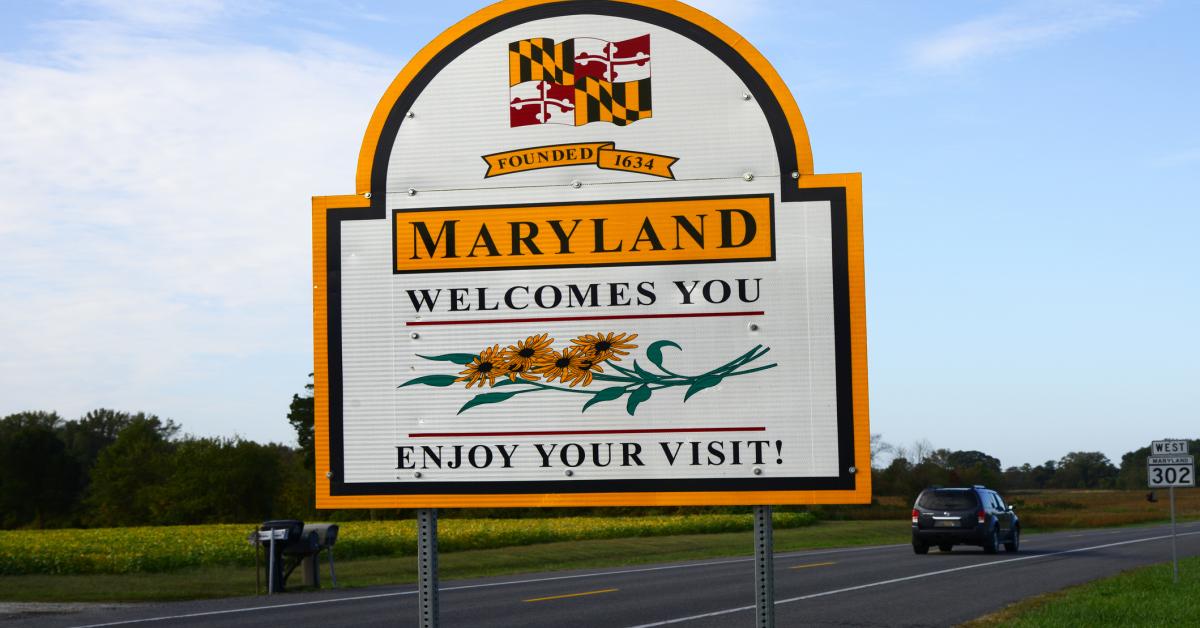
() Delaware filed a similar lawsuit in September.
by
A lawsuit was filed by Maryland Attorney General Brian Frosh on Tuesday against Monsanto, alleging that the agrichemical company continued manufacturing toxic polychlorinated biphenyls (PCB) chemicals despite knowing they harmed the environment.
“Despite knowing as early as 1937 that PCBs were toxic to humans and animals and that PCBs could escape into and contaminate the environment, Monsanto manufactured and sold PCBs continuously until they were finally banned under federal law,” according to the lawsuit.
“Even when Monsanto had overwhelming evidence of the hazards that PCBs create, Monsanto continued to produce and sell these toxic chemicals throughout the country, including in the State of Maryland,” the lawsuit continued. “Monsanto’s own internal documents show that it was not interested in protecting people or the environment. Rather, its only concern was in protecting its balance sheet.”
The Environmental Protection Agency (EPA) explains that PCBs were banned by federal law in 1979. According to the lawsuit, Monsanto used them until 1977.
The lawsuit says that Monsanto used PCBs “in a broad array of products such as electrical equipment, lighting ballasts, paint, and caulking.”
“Between 1935 and 1977, Monsanto was the only company in the United States to manufacture PCBs for widespread commercial use,” the lawsuit claims.
The state attorney general also filed the lawsuit against chemicals manufacturer Solutia and pharmaceutical and biotechnical company Pharmacia, which merged with Pfizer in 2003, alleging that Maryland’s rivers and land are still polluted with PCBs. Delaware also filed a similar lawsuit in September, The Baltimore Sun reported.
“According to water quality data from 2018, approximately 968 square miles of the State’s estuarine waters are impaired by PCB contamination. In addition, approximately 262 miles of Maryland’s rivers and streams, and approximately 3,147 acres of the State’s lakes and reservoirs, are similarly impaired,” the lawsuit said.
“Monsanto’s PCBs have caused harm to aquatic, marine, and avian species, and pose ongoing risks to the health of Maryland’s residents.”
PCBs are carcinogens for animals and research also suggests they probably cause cancer in humans, according to the EPA.
“Monsanto voluntarily ceased its lawful manufacturing of PCBs more than 40 years ago, and never manufactured, used, or disposed of PCBs into Maryland’s lands or waters,” Bayer AG, the German pharmaceuticals company that acquired Monsanto in 2018, said in a statement, according to The Hill.
“Where it has been determined that those cleanups are necessary, federal, and state authorities employ an effective system to identify dischargers and allocate clean-up responsibilities. Litigation of the sort brought by the state risks undermining these efforts,” Bayer added.
Organic Lion’s Mane Mushroom, proven to grow new brain cells and synapses. Guard against Alzheimer’s, dementia, and mental decline. Save 10% and get free shipping with a subscription!“I can feel my mind getting sharper with Lion’s Mane. I put it in my coffee.”
Get your Lion’s Mane from Ascent Nutrition, one of the most pure and potent in the industry.

About The Author
Delaware filed a similar lawsuit in September.
Stillness in the Storm Editor: Why did we post this?
The news is important to all people because it is where we come to know new things about the world, which leads to the development of more life goals that lead to life wisdom. The news also serves as a social connection tool, as we tend to relate to those who know about and believe the things we do. With the power of an open truth-seeking mind in hand, the individual can grow wise and the collective can prosper.
– Justin
Not sure how to make sense of this? Want to learn how to discern like a pro? Read this essential guide to discernment, analysis of claims, and understanding the truth in a world of deception: 4 Key Steps of Discernment – Advanced Truth-Seeking Tools.
Stillness in the Storm Editor’s note: Did you find a spelling error or grammatical mistake? Send an email to [email protected], with the error and suggested correction, along with the headline and url. Do you think this article needs an update? Or do you just have some feedback? Send us an email at [email protected]. Thank you for reading.
Source:
Support our work! (Avoid Big Tech PayPal and Patreon)DIRECT DONATION
Leave a Reply