
(Chris Thompson) More people are adding microgreens to their menus for good reasons. These superfoods are flavorful and appealing. Who would have thought that even high-end restaurants would serve these inch-long greens?
Related 1/6 Protester Seeks Asylum In Belarus Where Media Compares Him to Victims of BLM
by Chris Thompson, October 25th, 2021
Or are more people eating sprouts thinking they’re microgreens?
That brings us to the sprouts vs. microgreens debate. It’s possible to confuse the two as they are both tiny, colorful plants. They come from grains, herbs, and vegetables. You can tell them apart by their size, how they grow, the edible part, harvest time, and flavor.
Let’s get started!
Table of Contents
Main Differences Between Sprouts vs. Microgreens

The main differences between sprouts vs. microgreens are:
- Sprouts grow in water, whereas microgreens grow in soil-based compost and sometimes through hydroponics.
- Sprouts are ready to consume in three to five days, whereas microgreens mature in seven to 25 days. Some microgreens take up to 25 days.
- Sprouts are germinated seeds with cotyledon, whereas microgreens have true leaves and a stem.
- Sprouts are edible in their entirety, meaning both seeds and stems, whereas only the leaves and stems of microgreens are edible.
- Sprouts offer crunch, antioxidants, and some fiber, whereas microgreens give higher nutritional value and flavor.
- Sprouts come in limited varieties, whereas there are over 100 microgreens in the market.
- Sprouts are excellent in stir fry and salads, whereas microgreens fit in almost every raw or cooked dish.
Microgreens stand out for this high nutritional value as that’s the main reason we want them on our plates. However, sprouts also have fiber and other nutrients, but most importantly, they are easy to grow.
Sprouts vs. Microgreens: Introduction
Both microgreens and sprouts grow out of a seed, and you can pre-soak them before planting. What’s more, you can grow both of them indoors. So, how do you tell them apart?
Sprouts, as the word suggests, come out of the seed. On the other hand, microgreens are longer as they have the first leaves and a stem.

Microgreens have and will continue to be favorites for people looking for nutritious greens to eat raw or cooked. They don’t replace mature greens. Instead, they offer a source of more nutritional value to supplement what the other mature greens lack. They are small, they have a short shelf life, and they are colorful.
Sprouts aren’t short of benefits either, as they are cheaper and less demanding as they grow.
Read on to know how sprouts and microgreens differ and their diverse nutritional value.
Features Comparison
Growing Medium
To grow sprouts, you only need water. They don’t need soil or light. You may rinse them at least once daily so that they don’t mold, but that’s it.
It’s a different story with microgreens. First, you need soil-based compost to provide nutrients to the growing plants. Second, these greens need up to 12 hours of light daily because it converts to chemical energy for growth during photosynthesis. Misting is another must-do activity as the microgreens grow.
When you grow microgreens hydroponically, you have to supplement their source of nutrients.

Sprouts grow in a moist environment, so they pose a greater health risk. That’s why it’s preferable to cook them to kill bacteria and minimize the health risk.
Plus, every part of sprouts is edible, but the roots of microgreens stay in the growing medium, meaning a lower risk of contamination.
Sprouts win this round as you don’t need soil to plant them indoors. You also don’t need to find a ventilated, well-lit room to grow them.
Edible Part
Cotyledons of microgreens make excellent garnishes, but you can also wait for true leaves. The roots remain in the soil when you harvest the leaves and the stem. You cut the stem just above the soil with a pair of scissors, then wash the microgreens.
Sprouts form when germinated seeds crack open. They offer a different culinary experience as you eat everything, from the roots to the cotyledon above the water. After harvesting them, you have to wash them several times then dry them.
We can sum it up and say that sprouts are young microgreens. They are smaller, and they have no true leaves. However, you eat both the cotyledon above the soil and the roots.
Flavor
Microgreens have intense flavors, and they come in all manner of colors, from green to purple and red. For instance, chickpea microgreens have a nutty taste, beets are sweet, and lentils are bitter. They also tease your palate with many textures.
Sprouts also bring a variety of flavors from mild to sweet and spicy. Garlic sprouts bring a garlic flavor to the salad. If you add some lentil sprouts, you get a peppery flavor. Pumpkin and onion sprouts taste like mature plants.
As you’re adding all of these sprouts to your salad, you’ll also bring with them varied colors from tan to yellow, red, and green. But, sprouts don’t win this round as the tantalizing flavors of microgreens are unforgettable.
Time to Harvest
Microgreens take about a week to 25 days to harvest. If you leave them in the compost longer than you should, they get more texture and are less flavorful. Basil, beets, celery, and carrot microgreens are some of the slowest growers, while broccoli, Brussels sprouts, cabbage, and cauliflower take up to 14 days.
Sprouts take a shorter time as you can harvest them within three to five days. At that time, they’re about two to three inches long.
Hence, growing sprouts is fast and easy.
Nutritional Value
Microgreens have numerous vitamins, minerals, and other nutrients. They have a higher antioxidant content than mature greens. Plus, you’ll get more fiber content in microgreens than in sprouts.
For example, red cabbage, green daikon radish, and garnet amaranth contain about five times more vitamins than their mature greens. This unique nutritional value makes microgreens beneficial to heart health, blood sugar regulation, and skin health. Some microgreens like broccoli also have cancer-fighting compounds.
Microgreens have more carotenoids and chlorophylls and fewer sugars. You’ll also get more anti-diabetic activity.
But that doesn’t mean there’s nothing to gain from adding sprouts to your stir fry, as they are anti-diabetic and they regulate blood sugar. Sprouts have more antioxidants like polyphenols, amino acids, and pectins.
We can say they both bring nutritional value, and they sometimes offer more of one nutrient than the other.
Cooking Ideas
Microgreens make an excellent garnish. You can stuff them in your veggie burger, omelet, avocado toast, or tacos. They are also delicious in dips, salads, and smoothies. Plus, you can cook them in soups and meat dishes.
You’ll also get sprouts in salads and stir fry though their minimal flavors make more people prefer microgreens.
Varieties
There are over 100 varieties of microgreens, from broccoli to mung beans, chard, beets, and kale. Sprouts, on the other hand, have limited types. The popular ones include lentils, alfalfa, and mung beans.
If you’re looking for variety to grow and enjoy, go for microgreens.
Price
Microgreens cost more than sprouts, so growing them at home is the way out. A pound of microgreens can cost up to $40. Beets, arugula, and broccoli are cheaper at between $5 and $10. The more expensive ones include amaranth, basil, and sunflower.
Sprouts vs. Microgreens: The Winner
Microgreens are a few days older than sprouts. They have higher nutritional value than mature plants as they are rich in antioxidants and minerals. These immature greens have numerous flavors, textures, and tastes. That’s why they are preferable to sprouts.
But, sprouts also stand out if you’re looking for plants that are easy to grow at home. Microgreens have a more tedious growth and harvest process as you have to get a medium and harvest the leaves only by cutting what’s above the soil.
With sprouts, you take everything that grows and turn it into your next meal without removing the roots. That’s not all. Microgreens will have you waiting for up to two weeks to harvest them, yet sprouts will be ready in days.
FAQs
Why are microgreens healthier than sprouts?
They contain more nutritional value because they are at a stage when plants need nutrients to grow. Sprouts, however, are seeds just past the germination stage that springs them up from dormancy.
What’s the difference between sprouting seeds and microgreens?
As we mentioned earlier, there are differences in the time it takes to harvest them, their size, the nutritional value, and the price. On your plate, sprouts have the entire plant from the root to the tiny cotyledon from which leaves form, while microgreens don’t have roots.
Are broccoli sprouts or microgreens better for you?
Broccoli sprouts are rich in antioxidants. They also have a slightly spicy flavor, and they add color to your plate. However, broccoli microgreens have more sulforaphane which fights cancer. They also have vitamins like A & D, calcium, iron, and magnesium.
What are the healthiest sprouts to eat?
The healthiest ones include broccoli sprouts for their antioxidants and spicy flavor and clover for calcium and crunch. Alfalfa sprouts have a mild taste, so they go with any meal. Their crunch is unmatched. If you want to add color and nutritional value, go for beets.
They are sweet with a distinct earthy taste. Others are soybean, green lentil, mustard, onion, and sunflower.
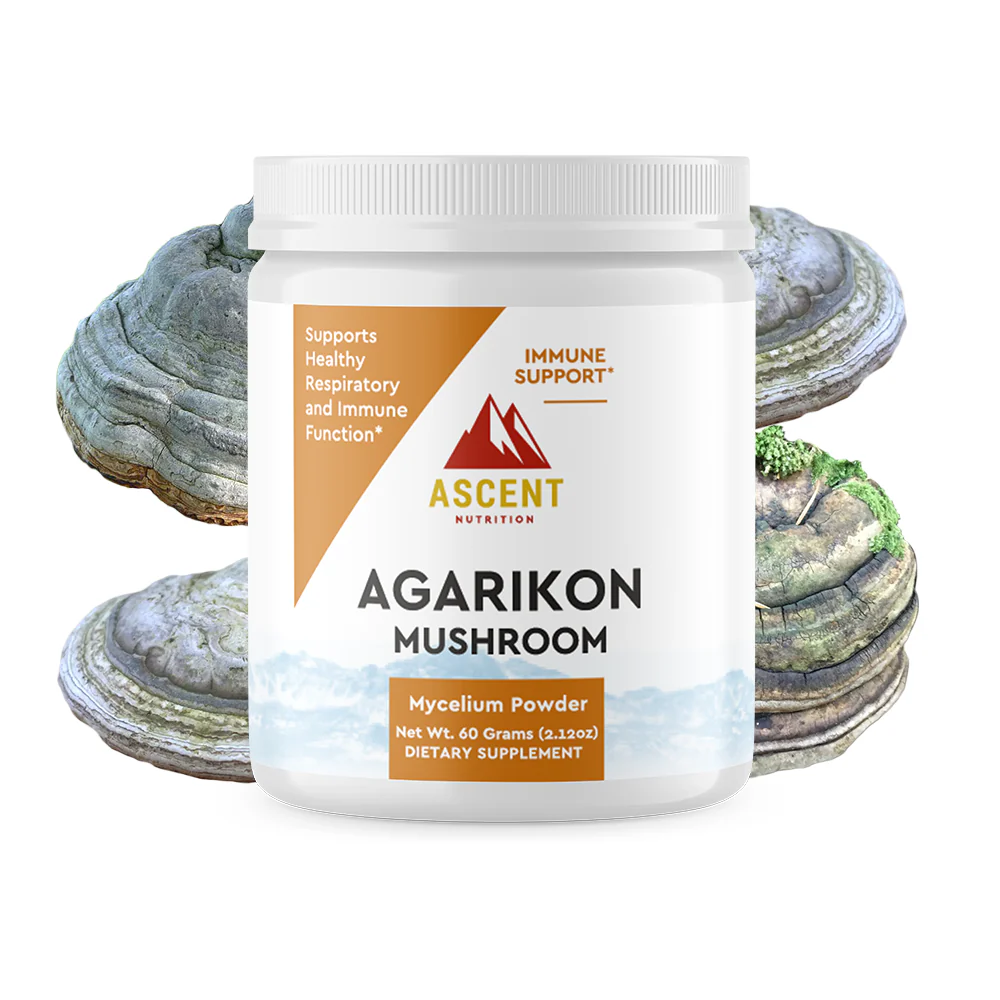
10 times more effective than ribavirin against Herpes (HSV1, HSV2), Swine flu (H1N1), Bird flu (H1N4), Pox (cowpox). Studied by the DoD for the Bioshield program. Get your Agarikon biodefense from Ascent Nutrition, one of the most pure and potent in the industry. Save 10% and get free shipping with a subscription!“I felt like I was getting a cold, but Agarikon stopped it in its tracks.”
Organic AGARIKON fights Viruses & Bio-warfare, and much more!
About The Author
Once obsessed with technology and gadgets, Chris now spends his time developing his North Dakota woodland into an edible food forest, storing his food for a rainy day.
Stillness in the Storm Editor: Why did we post this?
The news is important to all people because it is where we come to know new things about the world, which leads to the development of more life goals that lead to life wisdom. The news also serves as a social connection tool, as we tend to relate to those who know about and believe the things we do. With the power of an open truth-seeking mind in hand, the individual can grow wise and the collective can prosper.
– Justin
Not sure how to make sense of this? Want to learn how to discern like a pro? Read this essential guide to discernment, analysis of claims, and understanding the truth in a world of deception: 4 Key Steps of Discernment – Advanced Truth-Seeking Tools.
Stillness in the Storm Editor’s note: Did you find a spelling error or grammatical mistake? Send an email to [email protected], with the error and suggested correction, along with the headline and url. Do you think this article needs an update? Or do you just have some feedback? Send us an email at [email protected]. Thank you for reading.
Source:
https://www.backdoorsurvival.com/sprouts-vs-microgreens/
Support our work! (Avoid Big Tech PayPal and Patreon)DIRECT DONATION
Alfalfa sprouts contain L-Canavanine, an amino acid that negatively affects the immune system and should be avoided by people with immune issues such as RA, cancer, HIV, etc. Not the best even for healthy people, although an occasional bunch won’t hurt a healthy person. L-Canavanine is not found in the mature plant and is likely a form of defense used by alfalfa sprouts to prevent their excessive consumption.