
(Ocean Robbins) It’s a comfort food that’s good for you… A salty food that may improve heart health… A peaceful culinary offering to the West from the son of an impoverished warrior… If these sound too good to be true, allow me to introduce you to the delicious, versatile, and wonderful Japanese condiment called miso.
Source – Food Revolution Network
by Ocean Robbins, October 30th, 2020
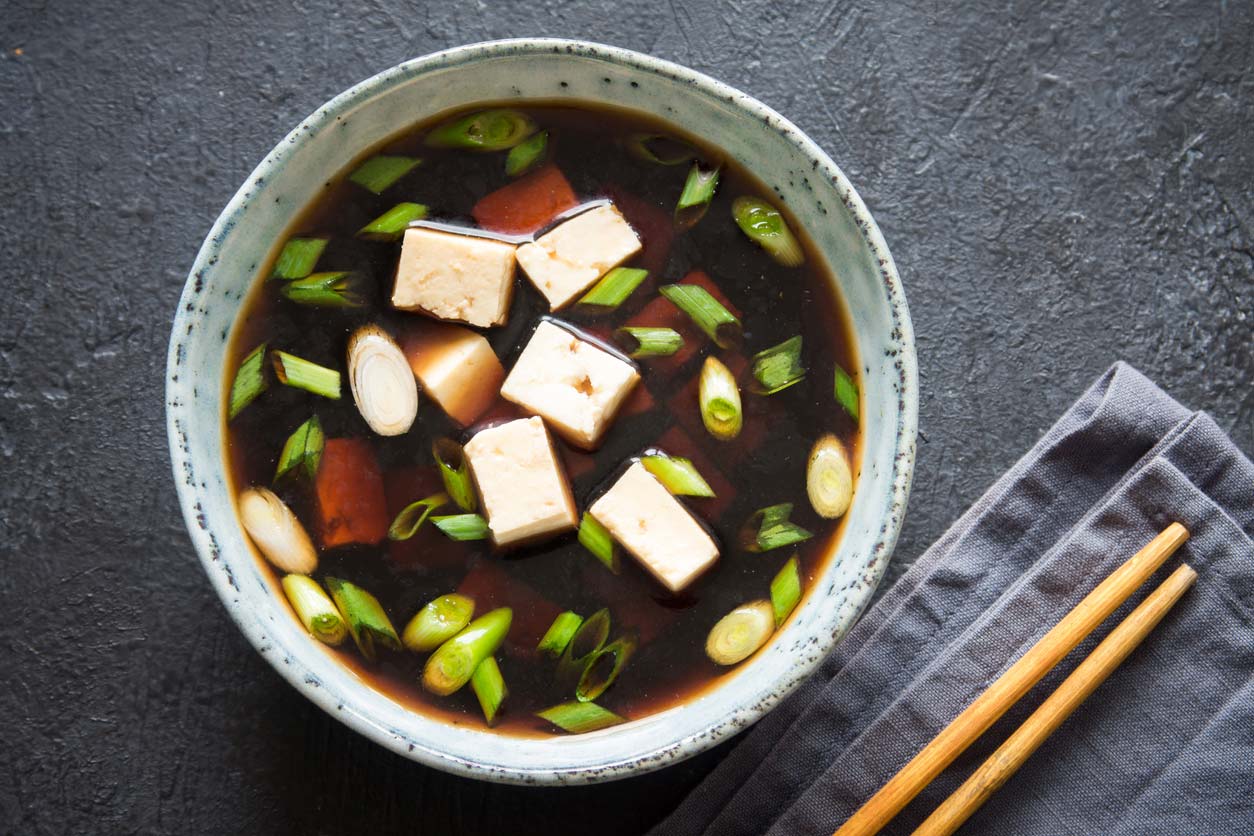
Miso is a popular condiment used in many Asian cuisines. In the US, it’s most commonly known as the star ingredient in miso soup. But this pungent paste has several other culinary uses. Traditional Okinawans, who are famous for their longevity and live in one of the world’s most heavily studied “Blue Zones,” often eat miso soup for breakfast.
Miso is well regarded for its health benefits, despite containing a significant amount of sodium. But if you’re unfamiliar with miso, you may be wondering what exactly it is, or how to incorporate it into your diet outside of a traditional miso soup recipe. Let’s look at what miso is and what makes it so special.
What Is Miso?
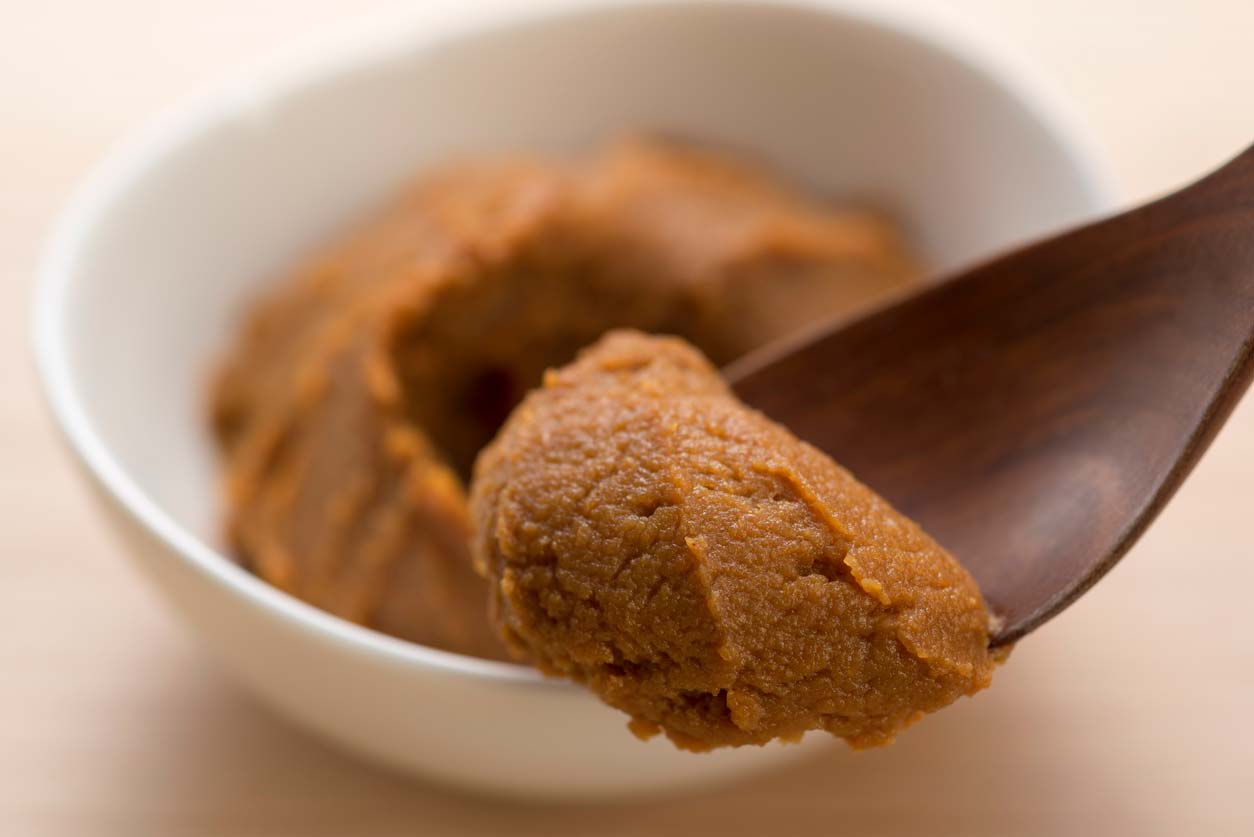
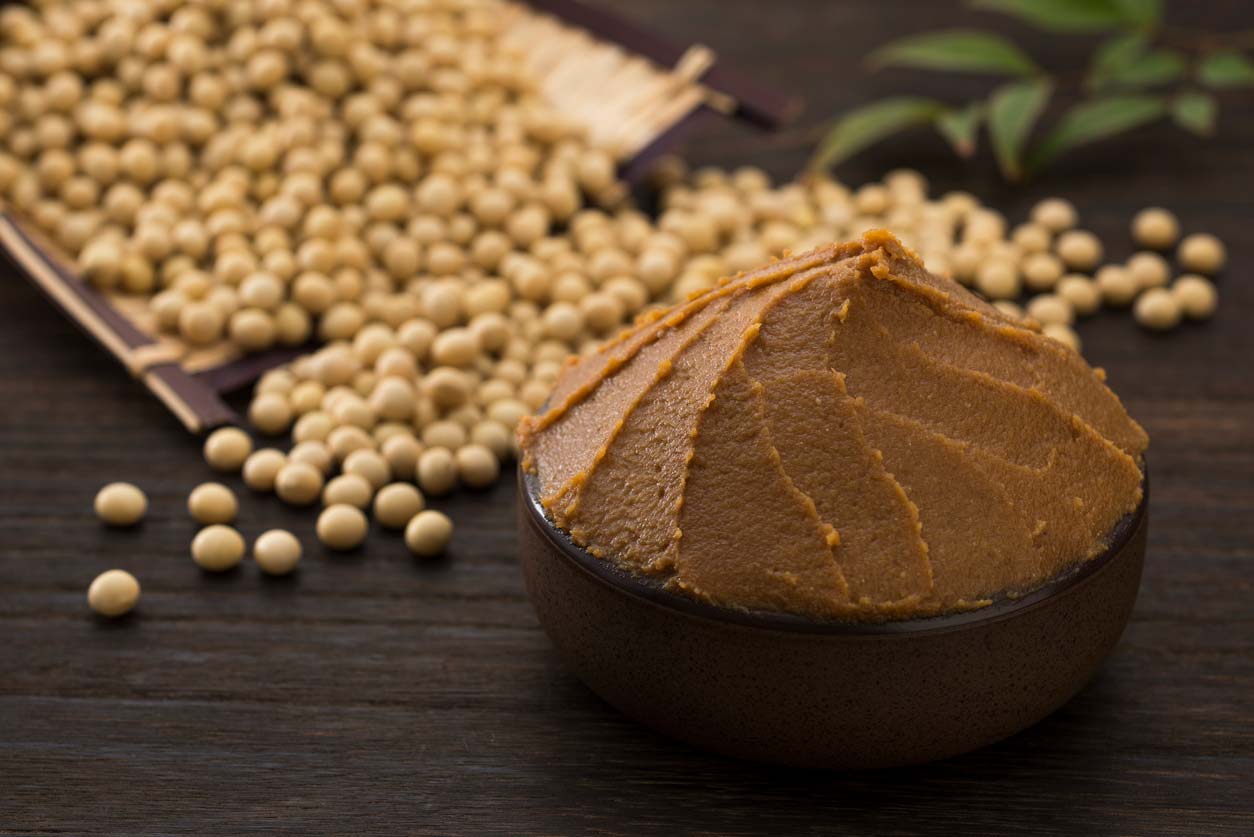
Miso is a fermented food most commonly made using soybeans. It can also be made with some combination of other beans, rice, or barley. Its texture is usually paste-like and relatively thick, similar to that of peanut butter. The base of miso is combined with salt and a fungus culture called koji kin, which is also used to make sake and soy sauce. To make miso, you begin by mixing cooked soybeans with koji (starter culture, often fermented rice) and saltwater. Then, you ferment this mixture for several months or, in some cases, years. If you can’t wait that long, of course, you can just buy miso off the shelf in health food stores, upscale supermarkets, and Asian markets. But some brands add other ingredients for additional flavor.
Miso is a traditional Japanese food that’s also used in other Asian cultures (and may have actually originated in China). George Ohsawa, who created the macrobiotic diet, introduced miso to the West in the 1960s. Ohsawa, who came from a poor samurai family, claimed to have cured his tuberculosis by rejecting the sugar-heavy European diet that was colonizing Japan and eating to balance the universal energies of yin and yang. Miso, according to macrobiotic philosophy, was a unique blend of these energies due to the combination of ingredients and the tempering effects of its long fermentation process.
Miso in America
The Japanese condiment quickly gained a place in the pantries of hippies who sought to eat based on macrobiotic principles. I’m sure that the interiors of many VW microbuses were replete with its pungent, umami scent. It’s ironic that macrobiotics, which preached consumption of local foods in season, ended up mimicking the traditional Japanese diet, leading to the importation of many ingredients, including miso, from Japan.
These days, miso is also manufactured in the US from American-grown soybeans, thanks to companies like South River Miso and American Miso Company. It’s also no longer the exclusive purview of the counterculture. Some of those former macrobiotic hippies now consume artisanal miso as part of the modern foodie movement. And so it goes…
Types of Miso
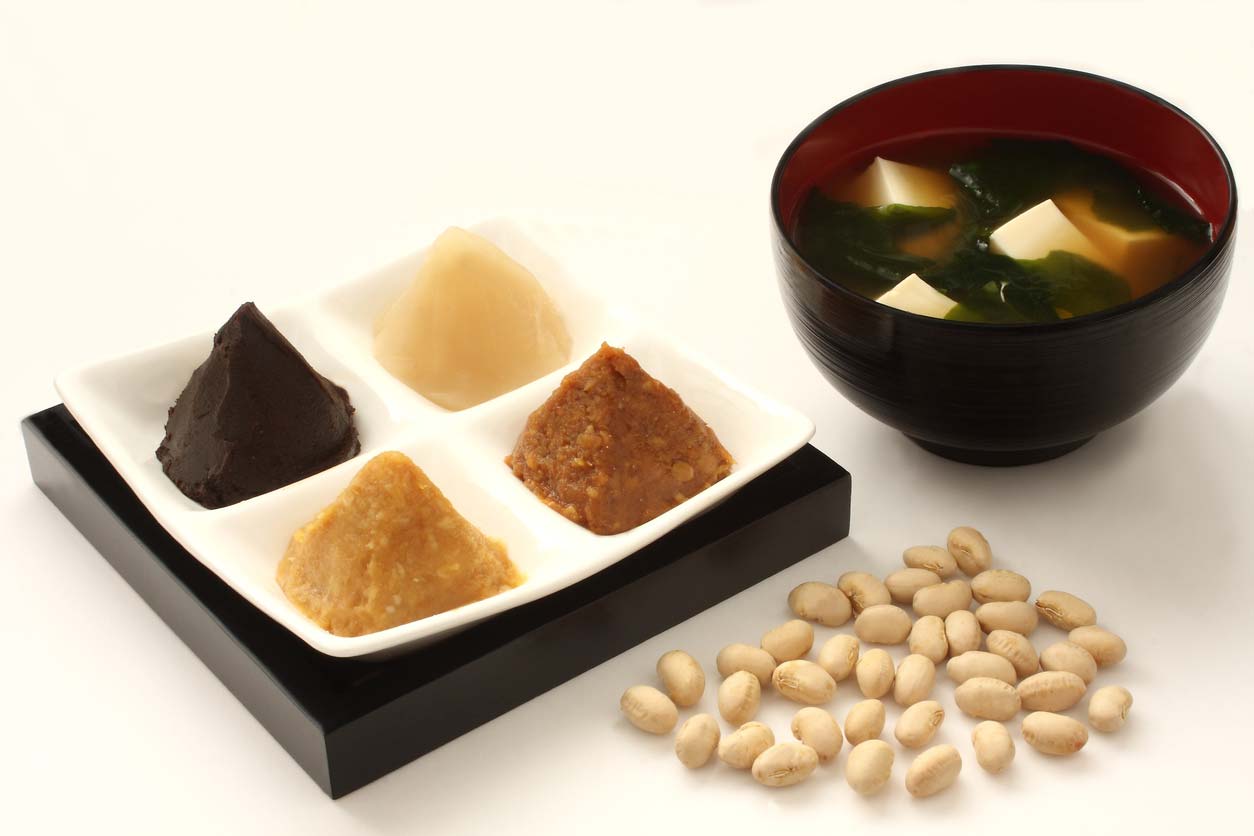
There are three main types of miso, which differ primarily in ingredient composition, taste, and best uses.
- White miso is one of the more traditional types. It has a mellow, sweet, or mild flavor, and often includes white rice or another light colored grain that offers a subtle taste. White miso has a shorter fermentation process, which is why its flavor remains so mild.
- Yellow or tan miso has a slightly stronger flavor than white but is still on the milder end of the miso spectrum. It often uses barley or wheat, along with soybeans, as a base. Like white miso, yellow miso is a commonly used variety, as its flavor profile makes it a versatile kitchen staple.
- Red miso is darker in color and has a stronger flavor than many other varieties, which comes from its longer fermentation process. Red miso is also saltier and is made primarily from soybeans.
Miso Nutrition
Miso nutrition will vary slightly depending on the ingredients used to make it and the length of fermentation.
Because it’s so salty, most recipes will call for a fairly small amount of miso, like a few tablespoons at most, to contribute the desired flavor.
One ounce (28 grams) of miso offers the following nutritional profile:
- Calories: 55
- Protein: 3 grams
- Total Fat: 1.7 grams
- Total Carbs: 7.4 grams
- Fiber: 1.5 grams
- Sugars: 1.7 grams
- Sodium: 43% of the Daily Value (DV)
- Vitamin K: 10% of the DV
- Manganese: 12% of the DV
- Copper: 6% of the DV
As you can see, miso is low in fat and sugar but is very high in sodium. Miso also contains some protein and fiber, as well as many minerals and several vitamins. It’s particularly high in vitamin K and manganese. Miso is a good source of phytonutrients and antioxidants, such as the exotically-named ferulic, coumaric, syringic, vanillic, and kojic acids. It’s also rich in natural probiotics due to its fermentation process.
7 Health Benefits of Miso
Despite its high sodium content, miso offers many health benefits. These include:
1. May help improve digestion.
Probiotics refer to many types of friendly bacteria that help colonize your digestive system with other good microorganisms. Because of the fermentation process that it goes through, miso is rich in natural probiotics.
The main probiotic strain in miso is A. oryzae, but it also contains Bacillus subtilis, Bacillus amyloliquefaciens, Staphylococcus gallinarum, Staphylococcus kloosii, and Lactococcus, among others. In a 2018 animal study in PLoS One, researchers isolated a bacteria in miso called Tetragenococcus halophilus, and found it to be a strong immunomodulatory strain (it increased the expression of certain genes that appear to positively affect the immune system of mice) with potential as a probiotic.
Research also shows that the probiotics in miso may help reduce symptoms associated with digestive conditions like inflammatory bowel disease. And one cross-sectional study of nearly 10,000 people found that miso soup intake was correlated to lower rates of gastroesophageal reflux disease.
2. May have protective effects against cancer.
Many studies have found an association between high-salt diets and a higher risk for stomach cancer, which would make you think that miso would be detrimental in this way. But it turns out that miso doesn’t appear to raise the risk of stomach cancer like other salty foods can.
In a 2012 study, researchers compared the stomach cancer risk of eating miso to eating salty foods like salted fish, pickled foods, and processed meats. They found that most salty foods increased risk by 24–27%, while miso did not. Other studies have found that eating miso may lower the risk of liver and breast cancer by up to 54%. Plus, miso is high in antioxidants — compounds that fight the free radicals that cause oxidative damage to cells and can lead to cancer. The Okinawan diet is traditionally high in miso and other soy products, and this population is known to have very low rates of cancer.
3. May lower your risk of type 2 diabetes.
While evidence is mixed, some studies have indicated that a diet that includes fermented soy products like miso may help delay the onset and progression of type 2 diabetes.
4. May protect against the effects of radiation.
This benefit first came to light in the years following the dropping of the 2nd atomic bomb in Nagasaki in 1945. A doctor named Tatuichiro Akizuki and his team were caring for tuberculosis patients near the bomb site. They had massive radiation exposure, but none of them ended up coming down with acute radiation disease. Dr. Akizuki suggested that perhaps regular consumption of miso soup had an effect. This led many Europeans to consume miso soup after the Chernobyl nuclear accident in 1986. Then, in 2013, a study found that miso helped to protect mice from radiation injury. Researchers further concluded that miso fermented for the longest time — the most significant being 180 days — were the most protective.
5. May help prevent obesity.
A 2019 study published in Nutrients investigated whether changes in miso consumption between 1975 and 2010 among the Japanese had an effect on obesity rates in the population. The researchers used some unfortunate mice to mimic the dietary changes seen in Japan, dividing them into three groups and giving them either a high-fat diet, a high-fat diet with exercise, or a miso-supplemented high-fat diet with exercise for eight weeks. In the end, they found that lipid accumulation in the fat tissues was the lowest in the miso plus exercise group.
6. May have antiviral and antibacterial properties.
The probiotics in miso may help reduce the need for antibiotics to fight off illness by up to 33%, according to one study. Additionally, a 2018 study found that Japanese miso extracts can be used as supplemental antiviral agents to help treat severe hepatitis.
7. May help you live longer overall.
Miso is a staple food in the Okinawan diet, where people are known to frequently live over 100 years. And there’s reason to think that the Okinawans’ high miso consumption may be beneficial. One study found that men and women who ate the most fermented soy (such as miso and natto) had around a 10% lower chance of dying early — from all causes — than those who rarely ate these foods. Tofu was also studied but did not have these effects on lifespan.
Miso Health Risks
While miso is an impressive soy food with numerous health benefits, there are a few things to consider if you’re thinking of adding it to your diet.
Soy Allergies
Soy-containing miso should be avoided in the case of soy allergy. Having a soy allergy is common among young kids, many of whom outgrow it during early childhood. Symptoms of a potential soy allergy can include abdominal cramps, nausea, diarrhea, wheezing, hives, dizziness, shortness of breath, and anaphylaxis in severe cases. Miso that’s derived from soybeans should not be consumed in the case of a suspected or confirmed soy allergy. Fortunately, it’s becoming easier to find soy-free miso these days. One excellent alternative is made from chickpeas.
High in Sodium
There’s no way around it; miso is a high-sodium food. In fact, just one teaspoon of miso can contain up to 200-300 milligrams of sodium, which is approximately 10% of the daily recommended sodium intake for the general population. As we’ve seen, however, recent research has shown that in spite of its high-sodium content, miso does not appear to affect our cardiovascular system in the way that other high-sodium foods sometimes can. Even so, more research is needed to feel confident.
If you have hypertension, or are watching your sodium intake, it’s best to err on the side of caution and consult with your healthcare provider before adding miso to your diet. And for most of us, it may be best to use it as a replacement for salt and soy sauce rather than adding it to an already salt-heavy diet.
GMOs
If it isn’t organic, miso has a risk of containing GMOs. Unfortunately, 90% of the soy produced in the United States is genetically modified, putting miso at risk by association. To avoid GMO miso, look for one that is certified organic or states that it has been made without GMO soybeans. Miso made in other countries, such as Japan or Korea, may be less likely to be genetically modified.
How to Find and Use Miso
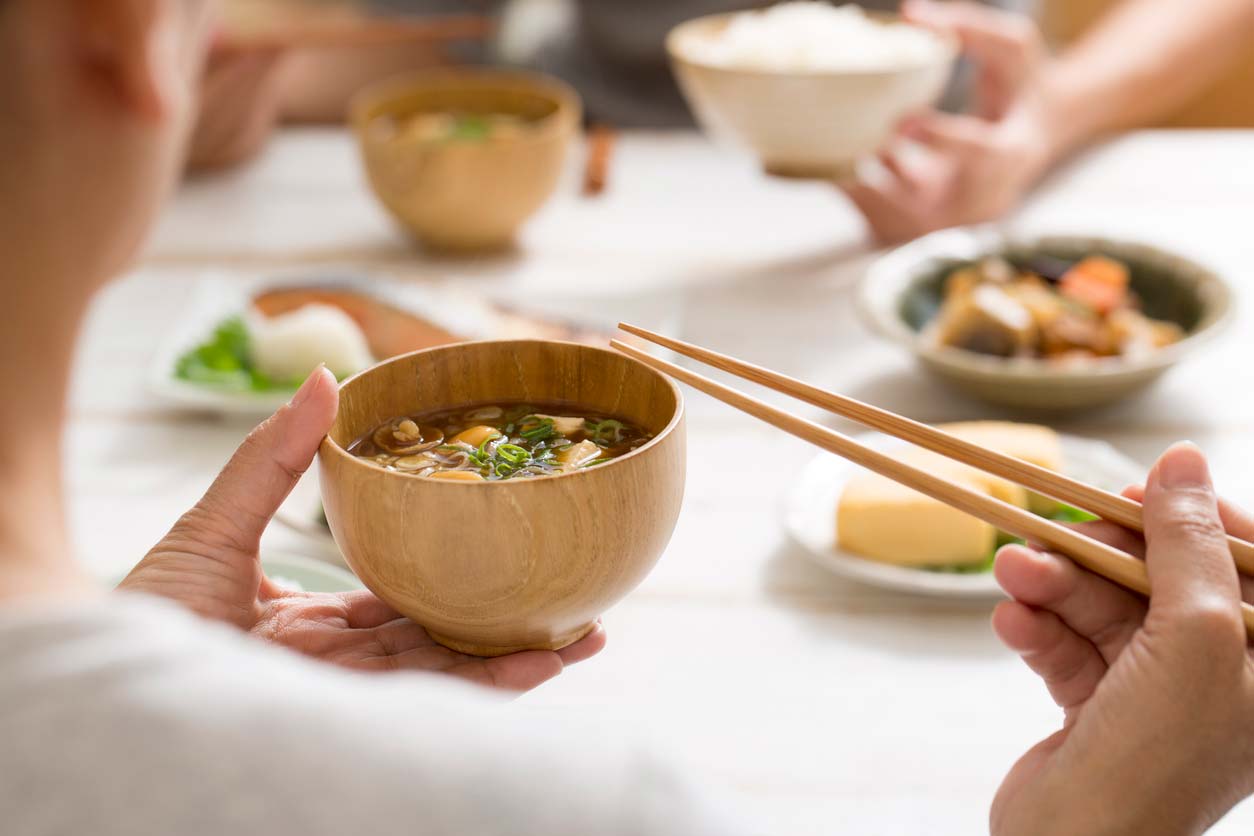
Many grocery stores and natural foods stores carry miso in the refrigerated section. You can also find them at many Japanese and Asian specialty markets, as well as online.
Miso may come in a bag, tube, glass jar, or plastic container. You’ll want to store it in your refrigerator at home for best preservation. In terms of the flavor, miso should remain relatively consistent for up to one year.
The different varieties of miso have specific uses, based on the flavor they can contribute to a recipe. Lighter misos are good for soups, dressings, spreads, and sauces. Darker misos are good for heavier dishes like stir-fries, grilled or baked dishes, noodle dishes, and in veggie burgers and other meat analogs that benefit from more savory, earthy flavors.
If you are adding it to a hot dish, wait until cooking is complete and let it cool a bit before mixing in the miso at the end. For miso soup, never add the miso to boiling broth. Take the soup off the heat source first, so you don’t kill all those lovely probiotics before they have a chance to do their thing.
Miso-Friendly Recipes
Discover the magic of miso in these recipes for a salad dressing, cashew cheese, and grain-bowl sauce. It not only offers umami flavor while imparting a dose of saltiness, but it also adds lots of nutrition to these recipes.
1. Balsamic Dijon Hemp Vinaigrette
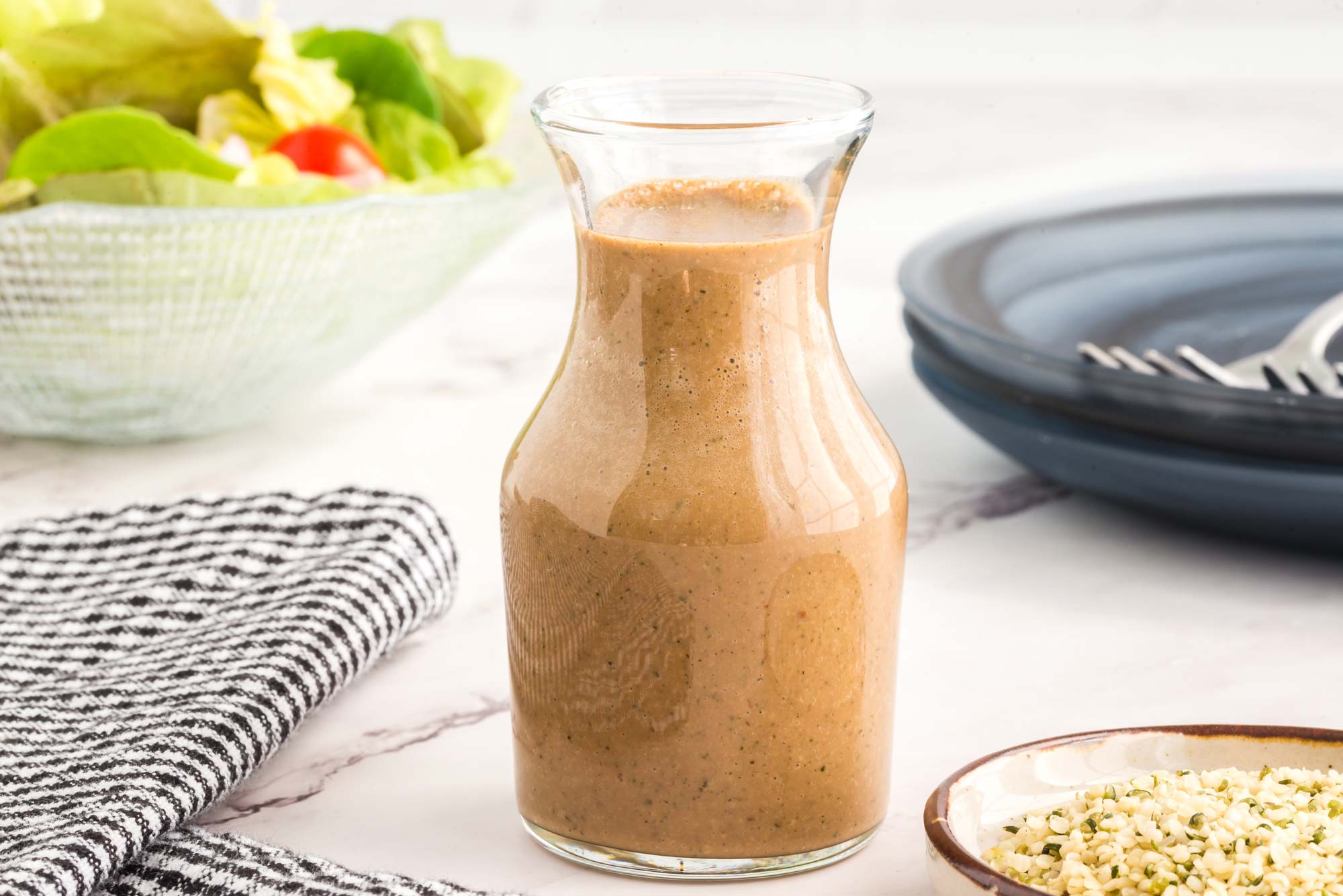
In the case of Balsamic Dijon Hemp Vinaigrette, it complements the balsamic vinegar, dijon mustard, garlic, and ginger perfectly with its salty, umami flavor. Pour it on salads, use it in grain bowls, include it in a lettuce wrap, or add it to a sandwich.
2. Turmeric Cashew Cheese
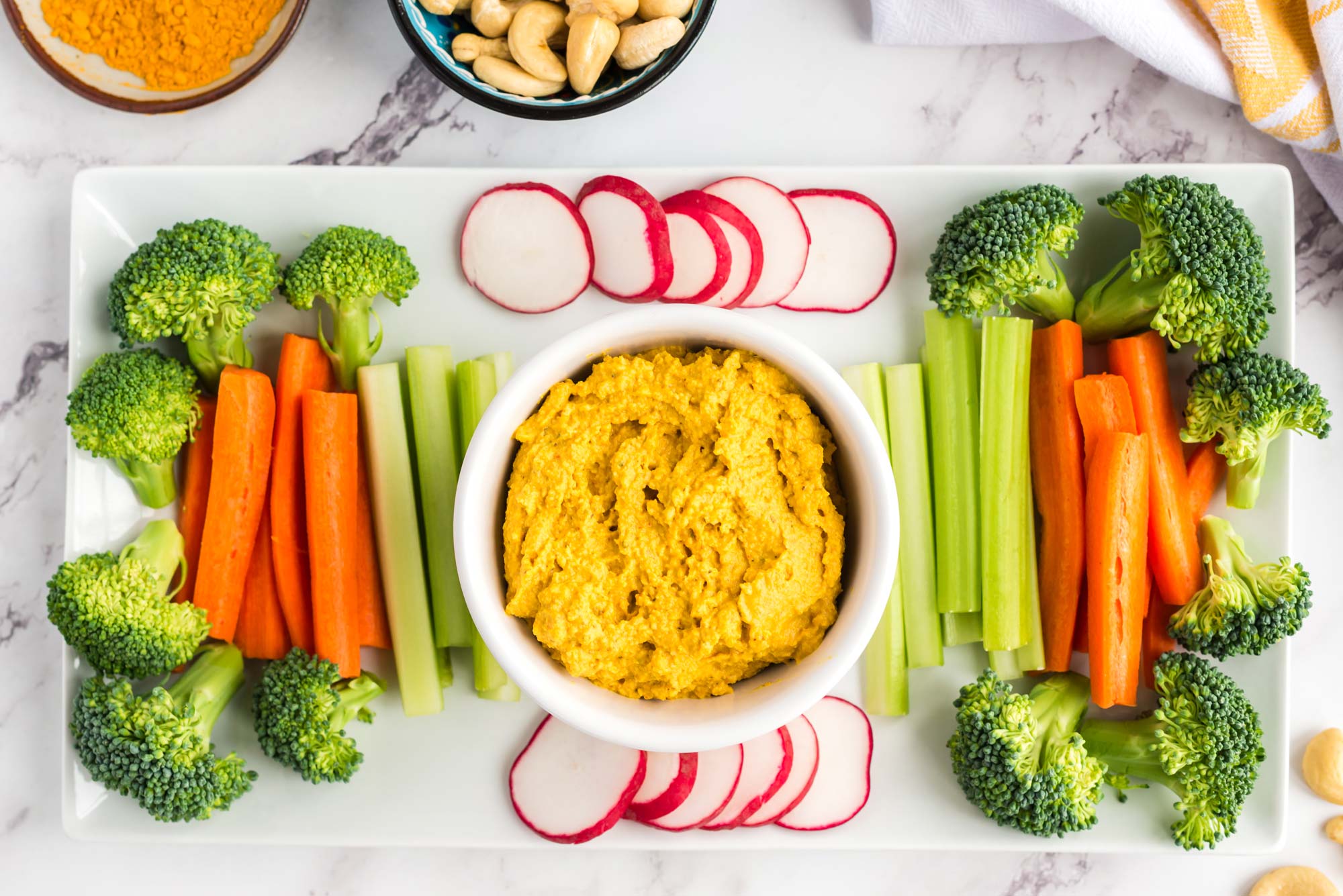
The addition of probiotic-rich miso gives this cashew cheese its delicious umami essence while herbs and spices give it a pop of fun flavor. Turmeric Cashew Cheese is chock-full of zinc from the cashews, B-vitamins from the miso, and anti-inflammatory compounds from the spices. Use it as a dip, on top of salads, in a wrap, or to make a creamy pasta sauce.
3. Lemon Miso Grain Bowl

What’s fun about miso is that you can use it as a base for a variety of sauces and dressings, and top it on lots of different grain bowls. Add lemon, ginger, or garlic, or a combination of all three, to complement the meal in which you plan to use it.
Miso as Part of a Healthy Diet

Miso is a healthy, nutrient-packed fermented food with some meaningful health benefits. In fact, it may even help you live longer. But it is very high in sodium, so if you are trying to cut down on or eliminate sodium, you may want to make it your primary salt source, or use it sparingly, if at all. If you do want to use it, then allow your culinary horizons to expand with the fabulous recipes above.
About The Author
Ocean Robbins is the author of 31-Day Food Revolution: Heal Your Body, Feel Great, and Transform Your World (Grand Central Life & Style, February 5, 2019). He is the CEO and co-founder of the 500,000+ member Food Revolution Network. He’s served as the adjunct professor for Chapman University. And he’s received numerous awards, including the national Jefferson Award for Outstanding Public Service and the Freedom’s Flame Award.
Stillness in the Storm Editor: Why did we post this?
The news is important to all people because it is where we come to know new things about the world, which leads to the development of more life goals that lead to life wisdom. The news also serves as a social connection tool, as we tend to relate to those who know about and believe the things we do. With the power of an open truth-seeking mind in hand, the individual can grow wise and the collective can prosper.
– Justin
Not sure how to make sense of this? Want to learn how to discern like a pro? Read this essential guide to discernment, analysis of claims, and understanding the truth in a world of deception: 4 Key Steps of Discernment – Advanced Truth-Seeking Tools.
Stillness in the Storm Editor’s note: Did you find a spelling error or grammatical mistake? Send an email to [email protected], with the error and suggested correction, along with the headline and url. Do you think this article needs an update? Or do you just have some feedback? Send us an email at [email protected]. Thank you for reading.
Source:
https://foodrevolution.org/blog/what-is-miso/
Leave a Reply